
VIKING Life-Saving Equipment Sa Pty Ltd is a Safety equipment supplier establishment in Durban, KwaZulu-Natal, South Africa
VIKING Life-Saving Equipment SA Pty Ltd – Safety equipment supplier
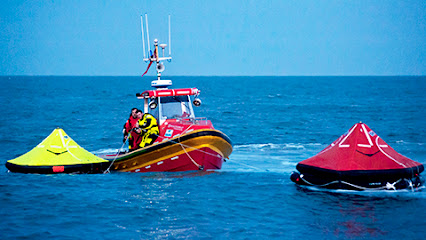
VIKING Life-Saving Equipment SA Pty Ltd is presented as part of a global maritime safety network, offering a comprehensive range of safety equipment and related services. The business positions itself as a single partner for maritime safety—covering lifeboats, fast rescue boats, evacuation systems, liferafts, personal protective gear, firefighting equipment, and safety training. The emphasis is on enabling customers to stay safe and compliant through a multi-brand, OEM-quality service framework supported by a broad international network.
The company highlights a broad product and service portfolio designed to meet the needs of varied maritime operations. Core offerings include life-saving appliances (LSA) and safety equipment, as well as maintenance, service, and training components. The stated objective is to help shipowners and operators manage safety on board with a flexible approach that can streamline administration and reduce risk. A notable feature is the Shipowner Agreement, described as a flexible model intended to simplify onboard safety and compliance while freeing up resources to focus on core business activities.
In terms of service delivery, VIKING emphasises its global service network, which comprises more than 280 stations located at major ports and offshore hubs. The network is underpinned by certified technicians who deliver services that aim for global uniformity and audited quality standards. This structure is designed to provide consistent, efficient servicing experiences, regardless of location, and to support ongoing compliance and readiness across fleets and offshore operations.
Additional components of the value proposition include training facilities and academies, underscoring a commitment to safety education and procedural proficiency. The company notes eight training academies and more than eight production facilities globally, along with an expansive workforce and thousands of employees dedicated to maritime safety. This emphasis on training aligns with the broader aim of not only supplying equipment but also ensuring that users are proficient in its operation and maintenance.
In practical terms, prospective customers can engage with the company via an online inquiry process. The site provides a streamlined “Build your inquiry” workflow, allowing users to select items such as liferafts, personal protective equipment, evacuation systems, boats and davits, firefighting equipment, additional LSA, and training, then submit a quote request. This approach supports a request-driven model for procurement and safety compliance, enabling organisations to receive quotations promptly while coordinating across the supplier’s network for installation, servicing, and training needs.
Customer feedback, where available from visitor reviews, paints a broadly positive picture of the service experience. A recurrent theme includes approachable and helpful staff, with mentions of friendly assistance and attentive service. One reviewer characterises the interaction as very friendly and helpful, though noting the location can feel a little tucked away. Another reviewer specifically highlights an individual staff member, noting excellent service from a team member named Namesh. A third review recognises overall satisfaction with the service provided several years prior, suggesting a consistent track record in customer care.
Typical job types and industries
- Commercial shipping fleets requiring compliant life-saving equipment and maintenance
- Cruise ships, ferries, and passenger vessels needing evacuation systems and safety gear
- Oil and gas platforms and offshore operations requiring robust life-saving solutions and training
- Fishing, yachting, and other marine sectors with safety equipment needs and periodic servicing
How requests typically work
Customers begin by selecting the needed safety products and services through an online inquiry form. The system aggregates items into a formal quotation process, with an expected reply yielding a tailored quote. The process can cover equipment provision, installation coordination, servicing and maintenance, and safety training as part of a Shipowner Agreement or similar arrangements.
Practical tips for customers
- Compile a clear list of required equipment (LSA, evacuation systems, PPE, firefighting gear) and the intended vessel or operation to speed up the quotation.
- Consider a Shipowner Agreement if ongoing safety compliance and streamlined administration are priorities for the fleet.
- Utilise the global service network by confirming the nearest certified station to minimise downtime and ensure consistent service quality.
- Plan for training alongside equipment procurement to optimise crew readiness and regulatory compliance.
- Review the safety documentation and certification requirements for your specific vessel type and operating region to align with OEM standards.
Location and hours
Specific local hours and accessibility details for Durban, KwaZulu-Natal, are not listed on the public pages reviewed. The company emphasises its global reach across major ports and offshore hubs and maintains a vast network of service stations worldwide for consistent support.
Durban
KwaZulu-Natal
South Africa
Sorry, no records were found. Please adjust your search criteria and try again.
Sorry, unable to load the Maps API.
Safety Equipment Suppliers in Durban, KwaZulu-Natal
In Durban, KwaZulu-Natal, safety equipment suppliers operate as essential partners for workplaces spanning construction, manufacturing, warehousing, healthcare, and hospitality. The focus is on providing reliable gear and orderly processes that help organisations comply with health and safety requirements while protecting staff and visitors. Local suppliers typically navigate a climate that includes coastal weather and industrial activity, delivering products and services that address both general and site-specific risk management needs.
Visitors to these suppliers can expect a broad range of core offerings. Key categories commonly available include personal protective equipment (PPE), fall protection, respiratory protection, hearing protection, eye and face protection, hand protection, and high-visibility clothing. In addition to individual PPE items, many suppliers stock complete safety kits, workplace safety systems, and signage designed to reinforce safe operating procedures. Industrial hygiene products, such as cleaning and decontamination supplies, may also form part of the catalogue for customers seeking comprehensive site safety management.
Assessment and advisory services frequently accompany the product side of operations. Staff with practical knowledge can assist in selecting appropriate equipment for specific tasks, environments, and regulatory requirements. Training and awareness materials—covering topics such as proper fit, maintenance, inspection intervals, and safe work practices—are commonly offered or coordinated through partner providers. This enables organisations to implement practical safety programmes rather than simply stocking a collection of items.
Procurement processes are typically straightforward yet purposeful. Orders can be placed for bulk purchases or smaller lots depending on immediate need. There is an emphasis on ensuring items meet applicable South African standards and industry norms, with product documentation, sizing guides, and expiry or inspection records used to maintain traceability. Suppliers recognise the importance of timely replenishment, especially for high-turnover items like disposable PPE and consumables, while also supporting careful stock management to avoid waste and obsolescence.
Delivery and on-site support are practical considerations for Durban-based operations. Many suppliers offer local delivery within KwaZulu-Natal, with options for scheduled drop-offs aligned to shift patterns or maintenance windows. On-site fitting, sizing, and demonstrations may be provided to help ensure correct usage and to reduce the risk of non-compliance due to improper fitting or incorrect selection. Some locations also provide take-back or recycling arrangements for certain equipment, reflecting broader environmental responsibilities.
Compliance and maintenance are emphasised in the day-to-day experience of engaging with safety equipment providers. Regular inspections, replacement schedules, and warranty guidance help organisations maintain the effectiveness of PPE and safety systems. In addition, some suppliers assist with documentation suitable for audits and regulatory reviews, supporting a culture of continuous improvement rather than one-off purchases. Customers often value the ability to obtain readily available replacements for worn or damaged equipment to minimise downtime and maintain safe operations.
Practical considerations include assessing the total cost of ownership, which extends beyond unit price to cover maintenance, storage, and logistics. The local market in Durban tends to prioritise responsive service, product availability, and clear guidance on appropriate use. Businesses may also consider factors such as supplier proximity, after-sales support, and the consistency of product quality across orders. In urban and industrial districts, proximity can translate to faster support and easier scheduling of on-site demonstrations or fittings, contributing to smoother safety programme implementation.
Overall, safety equipment suppliers in Durban function as end-to-end partners for workforce protection. They provide not only a broad selection of PPE and safety gear but also practical advice, training support, and dependable logistics that align with local regulatory expectations and the needs of busy, safety-conscious organisations.