
TECH FIRE MANAGEMENT is a Fire protection service establishment in Tzaneen, Limpopo, South Africa
Tech Fire Group: Fire Protection Solutions and Customer Experience
Tech Fire Group operates as a dynamic fire protection company established in 2018, positioned in South Africa as a 100% black-owned business. The organisation presents itself as a modern and versatile provider, capable of handling a range of fire safety needs from small works to large projects. Its focus is on delivering professional, reliable, and quality service with a commitment to integrity, knowledge and practical experience across the country.
The company outlines a comprehensive suite of fire protection services and related activities. Central to its offering is a fully functional fire sprinkler system capability. The team reports a workforce composed of 15 full-time employees plus four subcontractors, with capacity for onsite work or workshop-based manufacturing. This structure supports both on-site installation and factory fabrication, enabling flexible project delivery for varied client requirements.
Main services offered
- Fire sprinkler system installation and maintenance
- Alarm systems and electrical/controls overhauls
- Wet pipe fire suppression systems
- Pump house erection and pump testing/exercising
- 24/7 emergency response and call-out support
- Relocation of fire sprinklers and fire hose reels
- Fire hose reel installation and related services
- System repairs and preventative maintenance
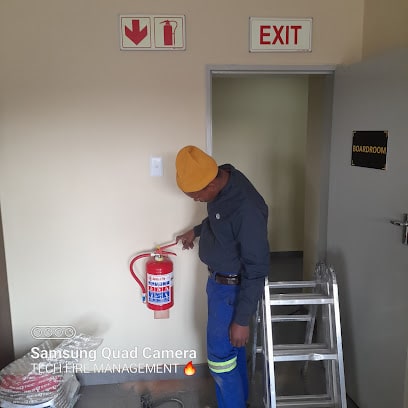
- Fire extinguisher installation and servicing
- Regulatory approvals and authority sign-offs
Beyond sprinklers, the company positions itself in premises protection, catering to diverse site types such as office buildings, high-risk facilities, factories and industrial premises, shopping malls and retail stores, warehouses, and cold storage facilities. This breadth suggests capability across both commercial and industrial environments, with an emphasis on complying with required authorities and standards.
Typical job types and industries
The service scope implies work across a variety of project sizes, from straightforward installations to more complex system overhauls and relocations. Typical engagements are described as suitable for both small-scale works and large projects, which signals a capacity to scale resources to the task. The inclusion of pump houses, alarm overhauls, and maintenance implies steady engagement in ongoing facilities management alongside capital projects. The emphasis on high-risk and industrial premises indicates experience with stricter safety and compliance expectations often found in manufacturing and storage operations.
How requests and projects usually unfold
Available information suggests a customer-centric approach with on-site execution and workshop fabrication options. The company communicates readiness to respond to emergencies around the clock through a full-time team dedicated to 24/7 call-outs, which can be crucial for minimising downtime and protecting life and property. Projects appear to be undertaken with a focus on practical solutions, timely delivery, and close coordination with clients to meet regulatory approvals.
Experience and leadership
The leadership profile highlights Oscar Mabale, described as a seasoned figure with more than nine years in the fire protection sector. His career path—from sprinkler assistant fitter to team leader and pipe fitter on large projects—illustrates hands-on expertise across both small and big-scale assignments. This experience is positioned as a cornerstone of the company’s capability to deliver effective fire protection services on diverse sites.
Practical tips for customers
- Clarify project scope early: identify whether the need is installation, relocation, maintenance, or emergency response to optimise scheduling and resources.
- Confirm access to on-site work and any workshop fabrication requirements to minimise delays.
- Discuss regulatory approvals upfront to ensure all necessary authorities’ requirements are understood and planned for.
- Establish a maintenance schedule for ongoing protection systems to reduce the risk of failures and extend system life.
- With 24/7 emergency support, consider agreeing on response times for critical facilities to manage potential downtime effectively.
Hours and service area
Specific business hours are not stated on the provided materials. The company describes itself as operating across South Africa, with a stated focus on delivering fire protection solutions nationwide, including industrial and commercial premises. The regional emphasis is not explicit for Tzaneen or Limpopo, but the site presents South Africa-wide capabilities and a strong local presence in various market segments.
Tzaneen
Limpopo
South Africa
Sorry, no records were found. Please adjust your search criteria and try again.
Sorry, unable to load the Maps API.
Fire Protection Services in Tzaneen, Limpopo
In Tzaneen, Limpopo, fire protection services form a critical part of the safety landscape for commercial, industrial, and residential settings. Local providers typically combine rapid risk assessment with lasting solutions that aim to prevent fires, detect them early, and enable swift, orderly responses. The emphasis is on reliability, practical installation, and ongoing maintenance that aligns with national and municipal requirements.
Essential offerings commonly delivered by fire protection specialists in this region include comprehensive risk assessments, where the structure, occupancy, and stored commodities are analysed to determine potential fire hazards and the appropriate level of protection. Such assessments help establish a roadmap for compliance and prioritise improvements that yield the greatest safety return.
Installation and integration represent another core service. This generally covers fire detection and alarm systems, including smoke and heat detectors, monitored or local alarms, and audible warning devices designed to operate in areas prone to power fluctuations or limited access. Sprinkler systems—wet, dry, or specialised configurations for high-hazard environments—are installed where water supply and space permit, with attention paid to local conditions such as temperature and water pressure.
For premises where passive fire protection is paramount, guidance and installation often extend to fire retardant doors, fire curtains, and compartmentalisation strategies. These elements help to contain incidents, protect escape routes, and support safe evacuation. Emergency lighting and clearly marked exit signage are typically integrated to ensure visibility and direction during a hostile situation, particularly in larger facilities or temporary sites.
Preventive maintenance and ongoing servicing form a major portion of the service offer. Regular inspections assess the functionality of detection systems, extinguishers, hoses, and hydrants, as well as the physical integrity of active and passive protection measures. Servicing schedules are commonly tailored to the specific equipment and environment, with replacements and recharge cycles planned to maintain compliance and operational readiness.
Compliance with relevant standards and regulations is a guiding consideration. In South Africa, fire protection activities are framed by building regulations and national standards that govern design, installation, testing, and maintenance. Local authorities and fire services may require periodic reporting, certification of systems, and verifiable records of servicing. Fire protection professionals in Tzaneen typically assist building owners and managers in navigating these requirements and preparing documentation for compliance audits.
Practical considerations influence the approach to fire protection in this setting. The region’s climate and terrain can affect fire risk and accessibility, impacting the selection of equipment and the preferred maintenance logistics. Rural and peri-urban sites may demand adaptable solutions for power supply, remote monitoring, and response readiness. Water availability, reliability of municipal services, and the proximity of emergency response teams are factors that shape system design and interlinked safety measures. Contractors may also advise on storage practices, housekeeping, and ongoing staff training to reinforce safe behaviour and early reporting of hazards.
Customers typically expect a clear consultation process, practical recommendations, and a coherent plan that balances safety with cost. Most providers offer a staged approach: an initial assessment, followed by design and installation, then commissioning and training, with optional maintenance agreements that ensure continued effectiveness. Transparent communication about maintenance windows, potential disruptions, and the limits of protection systems helps organisations make informed decisions about investments in fire safety.
Ultimately, fire protection services in Tzaneen aim to deliver dependable protection that aligns with local conditions and regulatory expectations. The result is a safer built environment, with systems that are properly installed, regularly serviced, and clearly documented for compliance and assurance.