
Rtek Fire Solutions is a Fire protection service establishment in Cape Town, Western Cape, South Africa
RTEK Fire Solutions: Fire protection services in the Western Cape and Northern Cape
RTEK Fire Solutions has established itself as a long-standing provider of fire detection and suppression solutions. With a presence spanning over three decades, the company is described as specialising in designing, installing, and maintaining reliable fire safety systems for homes, businesses, and industrial sites. The business emphasises a track record of early warning and rapid response, aimed at minimising damage and protecting people and property when seconds count.
Operating from Parow East in Cape Town, RTEK Fire highlights its local focus within the Western and Northern Cape. The company positions itself as a certified and compliant partner, offering end-to-end support from initial consultation through to final sign-off. The emphasis is on safety, reliability and ongoing service, ensuring that fire protection systems remain effective through regular maintenance and inspections.
Main services offered
- Fire Detection Systems: Early detection using sensors and alarms to safeguard life and property. The emphasis is on reliable, cutting-edge technology capable of triggering timely alerts.
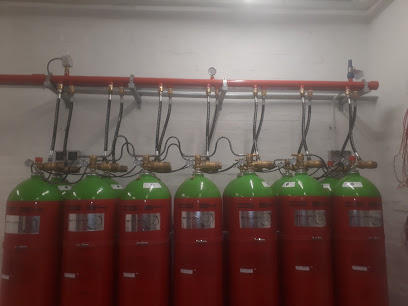
- Fire Suppression: Automatic systems designed to deploy extinguishing agents swiftly to control fires and limit damage.
- Fire Risk Assessment: Identification of hazards and risks to prevent fires and ensure regulatory compliance.
- Fire Safety Equipment: A range of tools and devices for detection, suppression, and safe evacuation during emergencies.
- Fire Safety Signage: Clear visual signs to guide occupants to safety in the event of a fire.
- Mechanical Fire Engineering: Engineering design and analysis aimed at optimising fire safety and compliance.
Typical job types and sectors
RTEK Fire Solutions describes its work as broad-ranging, covering residential, commercial and industrial settings. The company highlights tailored installations and comprehensive safety solutions, which suggests work across a variety of project types—from single-property installations to larger, multi-site systems for commercial and industrial operations. Testimonials from clients reflect experiences in practical fire protection management, spanning assessment through to sign-off and ongoing support, indicating suitability for both retrofit projects and new installations within different facilities.
How requests and projects usually proceed
While specific procedural steps are not exhaustively detailed on the primary page, the overall approach conveyed emphasises:
- Initial consultation to understand safety needs and site conditions.
- Design and installation of appropriate fire detection and suppression systems, aligned with compliance standards.
- Certification by qualified technicians and a commitment to ongoing servicing, inspections, and expert advisory support.
- Regular maintenance to ensure continued compliance and effectiveness of the fire protection measures.
Customer experience and reception
Feedback from clients, as reflected in reviews, tends to focus on quick activation of systems during incidents, professional installation, and reliable aftercare. Clients describe the teams as responsive, efficient and knowledgeable, with a clear process that guides customers through assessment, installation, and compliance. The consistency of positive remarks about support and advice suggests a service culture oriented toward customer reassurance and practical, no-nonsense fire safety management.
Why choose RTEK Fire Solutions
Key strengths attributed to the business include certified technicians, industry-standard compliance, and a track record of fast, reliable service. The company emphasises tailored installations and ongoing support as core competencies, aiming to deliver peace of mind through a combination of early warning, rapid response, and total protection.
Practical tips for customers
- Plan for a site assessment to identify specific risks and suitable system types for the property size and use.
- Ask about maintenance schedules and what is included in regular servicing to maintain compliance and system readiness.
- Request clear documentation of certifications and compliance where applicable, and ensure systems are installed by qualified technicians.
- Consider both detection and suppression components to achieve a balanced safety strategy, especially in high-risk industrial environments.
- Keep signage and evacuation routes visible and up to date to optimise occupant safety during emergencies.
Area served and contact information
RTEK Fire Solutions operates primarily from Parow East, Cape Town, and has served the broader Western and Northern Cape regions. The site lists a range of services and a commitment to early warning, rapid response and total protection, underscoring a regional focus with scalable capabilities for different property types.
Notable client sentiment
Client testimonials highlight quick response and dependable operational support, with phrases emphasising relief and peace of mind delivered by a professional, knowledgeable team that guides clients through the process from initial assessment to final sign-off.
Western Cape
South Africa
Sorry, no records were found. Please adjust your search criteria and try again.
Sorry, unable to load the Maps API.
Fire Protection Services in Cape Town, Western Cape
In Cape Town, Western Cape, fire protection service providers cater to a diverse range of customers, from commercial office blocks and retail centres to industrial sites, residential complexes and public institutions. These services are designed to safeguard lives, protect property and support compliant business operations in a climate that presents both coastal and inland challenges. Local providers often work across the metropolitan area and surrounding towns, drawing on regional knowledge of building designs, environmental conditions and regulatory expectations.
Typical offerings cover a broad spectrum, starting with risk assessment and consultation. Qualified technicians analyse the specific fire hazards of a site, considering factors such as building layout, occupancy, electrical load, and the presence of hazardous materials. The aim is to produce a practical plan that aligns with relevant South African standards and best practices. From there, installation professionals may design and implement active fire protection systems alongside passive protections such as compartmentalisation and fire-rated structures. This dual approach helps to limit fire spread and facilitate safer evacuations.
Fire protection service providers commonly supply, install and service equipment including fire extinguishers, hose reels, fire detection and alarm systems, and suppression devices for kitchens and critical plant rooms. In addition, sprinkler systems—whether wet, dry, or deluge varieties—are a core component for larger premises or high-risk environments. Where appropriate, experts integrate building management and monitoring capabilities so that alarms and status information can be observed remotely, enabling rapid response by on-site staff or local fire services.
Maintenance and testing form a substantial part of routine activity. Regular inspections ensure extinguishers remain pressurised and within inspection dates, alarms function correctly, and suppression systems operate as designed. Service providers typically schedule calibration, hydrostatic testing for sprinkler lines, and thermal imaging checks to identify hidden issues. Documentation is important; clear records help property managers demonstrate ongoing compliance, support insurance requirements, and inform risk mitigation decisions.
Practical considerations for fire protection in Cape Town include environmental and infrastructural factors. The coastal climate can affect metal components due to corrosion and salt exposure, making specialist coatings and suitable material choices essential for longevity. Water supply reliability and pressure are also crucial for the effectiveness of sprinkler systems and firefighting pump sets, prompting some sites to specify alternative water sources or redundancy arrangements. Buildings in densely populated areas may require enhanced detection coverage and integrated evacuation planning to meet safety objectives without disrupting business continuity.
Clients can expect a collaborative process, with installers and service teams focusing on practical, site-specific solutions rather than generic blueprints. Compliance with South African standards, local bylaws, and fire risk management principles is emphasised, with recommendations tailored to the operation’s size, sector, and risk profile. In addition to equipment and systems, providers may offer advisory services on emergency response planning, staff training, and drills to help organisations prepare for potential incidents.
Choosing a fire protection service in Cape Town involves considering track record, responsiveness, and the ability to align technical solutions with operational realities. While explicit platform or product names are not advertised here, the emphasis remains on dependable design, proper installation, diligent maintenance, and proactive risk management. Ultimately, informed property managers and business owners can rely on these services to help maintain resilient safety capabilities in a region characterised by its dynamic climate and evolving urban landscape.