
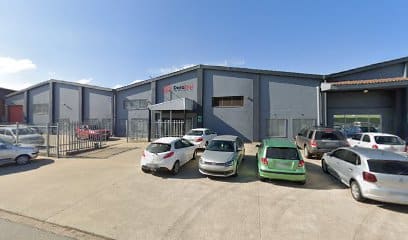
DataDot Technology SA is a Manufacturer establishment in George, Western Cape, South Africa
DataDot Technology SA: Microdot Identification Solutions for Asset Protection
DataDot Technology SA is a specialised manufacturer and supplier of microdot identification technology, headquartered in Gauteng but with roots in George, Western Cape, where the company began its journey in 2001. As a recognised leader in asset identification, DataDot provides a range of microdot solutions designed to deter theft, counterfeiting and fraud, while aiding in the recovery and prosecution of criminal activity. The business positions itself as an essential partner for vehicle fleets, individual asset owners and organisations seeking secure, tamper-evident identification across a broad spectrum of items.
Core offerings focus on applying tiny, durable microdots—comprising polymer discs inscribed with unique identifiers—to vehicles, equipment and valuables. The microdots function like a DNA for assets, enabling police traceability and facilitating recovery if theft occurs. DataDot reports a long track record, counting millions of microdots already installed across South Africa and beyond, with a strong emphasis on supporting law enforcement and insurers through reliable identification data.
Main services offered
- Microdot manufacture and distribution: DataDot designs and supplies microdot systems that are compatible with both vehicle identification and wider asset protection needs.
- Vehicle and asset fitment: Microdots are applied to vehicles, motorcycles, trailers and other valuable assets using a mix-in adhesive containing UV trace, enabling identification at scale. The company notes that the typical fitment process for a vehicle takes around 20 minutes.
- Police and legal integration: Microdots are linked to asset records and uploaded to national systems (including Department of Transport records) to support policing, insurance processes and forensic investigation.
- Second-hand goods and compliance support: The business provides resources related to second-hand vehicle compliance, including links to fitment centres and relevant regulatory guidance.
- Asset protection products: A range of products extends beyond vehicles to interior and exterior applications, including metallic and polymer microdots, asset tubes and related accessories for various asset classes.
- Police clearance assistance: DataDot explains procedures connected to police clearances related to vehicles and asset transfers, highlighting the role of microdots in regulatory compliance and market value protection.
- Environmental and quality commitments: The organisation maintains ISO 9001 and ISO 14001 certifications (quality management and environmental management), and participates in broader industry collaborations with insurers, law enforcement and industry bodies.
Typical job types and applications
Within the automotive and asset-protection sectors, typical engagements involve the microdoting of fleets for corporate clients, OEM partnerships, and individual asset protection projects. In the vehicle sector, DataDot emphasises that the microdots support both new-vehicle requirements and post-purchase security for second-hand vehicles, with a focus on aiding police identification and asset recovery. Beyond automotive assets, the offerings extend to households and commercial equipment, including tools, mining apparatus, solar equipment and other valuable items that benefit from durable, traceable identification.
How requests usually work
Customer engagements typically begin with consultation or inquiry through the company’s contact channels. Microdot installation is described as a quick, on-site process (about 20 minutes per vehicle), followed by data integration with national records to ensure traceability. For businesses seeking compliance or fleet protection, a path often involves coordinating with fitment centres nationwide and leveraging DataDot’s asset identification ecosystem to support recovery and legal processes.
Customer experience and credibility
DataDot presents itself as a long-standing partner in the crime-prevention space, with an emphasis on collaboration with law enforcement, insurers and regulatory bodies. Its accreditations—ISO 9001, ISO 14001, as well as associations with SAIA, IAATI, MASA and SAPS—underscore a focus on quality, environmental responsibility and industry compliance. The company reports extensive training initiatives for SAPS personnel and broad adoption across South Africa’s vehicle and asset sectors, contributing to a perceived credible, nationwide service network.
Practical tips for customers
- Confirm compatibility: Check whether data-dot solutions are suitable for the asset type and regulatory requirements relevant to the location and industry.
- Prepare fleet details: Have vehicle or asset records ready to streamline the fitment and data linkage to national systems.
- Ask about processing times: While vehicle microdot application is rapid, plan for any lead times if requesting interior or exterior treatments for several assets.
- Understand compliance implications: For second-hand vehicles and transfers, ensure adherence to local regulations regarding microdot records and police clearances.
- Maintain documentation: Retain documentation of microdot serials and linked asset information for insurance and resale purposes.
Hours, location and service area
DataDot operates Monday to Friday, typically from 8:00 am to 5:00 pm. While the George, Western Cape origin is noted, the company highlights a nationwide reach, including fitment centres across South Africa and notable activity within the vehicle and asset protection sectors. The Bedfordview/Germiston area in Gauteng is commonly cited as the primary business address for operations and customer contact, with service availability spanning the country.
For those seeking a long-established manufacturer and supplier of microdot technology, DataDot Technology SA offers comprehensive asset identification solutions, backed by formal accreditations and a history of collaboration with police and insurers to improve the recovery of stolen assets and curb fraud.
George
Western Cape
South Africa
Sorry, no records were found. Please adjust your search criteria and try again.
Sorry, unable to load the Maps API.
Manufacturer Services in George, Western Cape
George, located in the Western Cape of South Africa, is increasingly recognised for a diversified manufacturing sector that serves local and regional markets. Manufacturer services in this area typically span a range of activities designed to convert raw materials into finished goods or components, ready for distribution and sale. The emphasis is often on efficiency, quality control, and responsive delivery to sustain competitive advantage in a busy South African economy.
Visitors and potential clients can expect a mix of production types, from light assembly and tooling to more substantial fabrication and processing. Common capabilities include metalwork, woodworking, plastics processing, and basic assembly of sub‑components. In addition to tangible outputs, many facilities provide services such as product prototyping, small‑batch production, and scalable manufacturing that adapts to changing demand. Customised solutions may be available for industries such as construction, consumer goods, packaging, and agricultural equipment, reflecting the region’s manufacturing infrastructure and supplier networks.
Operational workflows in George typically follow established stages. A client brief or design specification is assessed to determine feasibility, material requirements, and lead times. Planning and scheduling are important to align production capacity with timelines, particularly in sectors where on‑time delivery is critical. Material sourcing might involve local suppliers or regional distributors, with emphasis placed on reliability, quality, and cost control. The production phase focuses on standard operating procedures, adherence to safety standards, and ongoing quality checks at defined milestones. Final inspection and packaging precede delivery, with logistics arrangements designed to suit customer requirements and regional accessibility.
Quality and compliance feature prominently in the expectations surrounding Manufacturer services in this area. While specific certifications may vary by sector, a typical approach involves quality assurance processes that track products through each stage of production. Documentation, traceability, and clear communication about lead times help build trust with clients who perform audits or require consistent performance. For customers with niche specifications, manufacturers may offer design for manufacturability input, tooling options, or modification services to accommodate evolving needs without sacrificing efficiency.
Practical considerations for engaging Manufacturer services in George include understanding the scale of production, available capacities, and the ability to meet customised requests. Geographical proximity can reduce transport times and support faster response to urgent orders. It is advisable to discuss raw material availability, turnaround expectations, and after‑sales support or maintenance options, particularly for equipment or fabricated components. Environmental and safety practices are commonly observed, with attention to waste management, energy use, and workplace safety protocols reflecting local regulations and industry norms.
Clients planning to commission manufacturing work should prepare detailed specifications, drawings, or models where possible. Clear communication about tolerances, finish requirements, and testing methods helps prevent misunderstandings and accelerates the project timeline. Value can be found in facilities that offer end‑to‑end support, from initial concept through to final delivery, while remaining flexible enough to accommodate design changes or scale up production if demand grows.
In summary, Manufacturer services in George, Western Cape, provide practical, locally accessible options for producing a range of goods and components. The typical value lies in combining dependable production capability with responsive service, clear process control, and careful attention to scheduling and quality. For businesses exploring manufacturing partnerships in this region, the emphasis remains on dependable delivery, adaptable production capacity, and clear communication throughout the engagement.
- Light to medium fabrication and assembly
- Prototyping, small‑batch production, and scalable manufacturing
- Material sourcing, planning, and quality assurance
- Packaging, logistics planning, and on‑time delivery considerations