
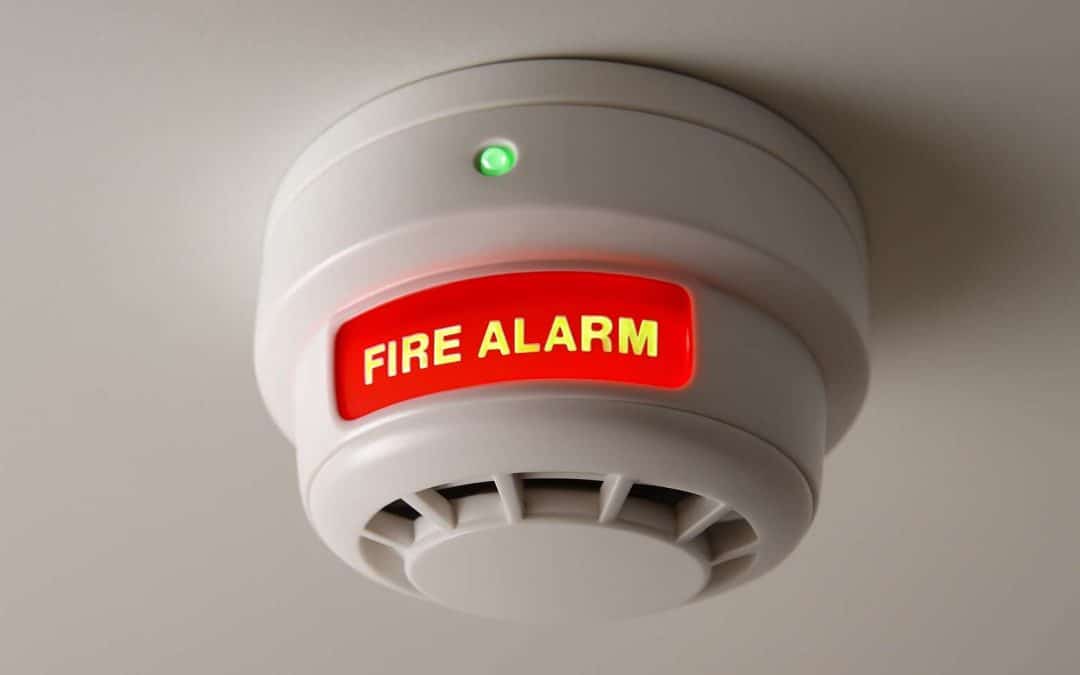
Understanding Why Fire Alarms Go Off Without Smoke
Possible Causes of Spurious Alarms
In the quiet solitude of a home or workplace, the sudden blare of a fire alarm going off with no smoke can feel like an intrusion into serenity itself. Such false alarms often leave residents puzzled and concerned, yet they are more common than one might think. Beneath this disconcerting disturbance lies a web of potential causes—each a testament to the delicate sensitivity of modern fire alarm systems.
Sometimes, dust or insects infiltrate the detector, triggering a false alarm. Humidity and steam from showers or cooking can also mimic the presence of danger, setting off the alarm unexpectedly. Additionally, electrical issues, such as a low battery or power surges, might cause the alarm to sound without any real threat.
- Dust accumulation
- Insect intrusion
- Humidity and steam interference
- Electrical malfunctions
Understanding these possible causes helps demystify the phenomenon of the fire alarm going off with no smoke, ensuring peace of mind amidst the chaos.
Common Situations Leading to False Fire Alarm Activations
Everyday Scenarios
In the hustle and bustle of daily life, the fire alarm going off with no smoke can be startling, yet it is a surprisingly common occurrence. These false alarms often stem from everyday scenarios that many overlook, yet they pose significant disruptions and potential safety concerns. Understanding the subtle nuances behind these incidents can help demystify why a fire alarm might sound without any visible signs of danger.
One frequent scenario involves dust and insects infiltrating the sensitive sensors of modern fire alarm systems. For example, a small speck of dust settling on the detector’s internal components can trigger an alarm, creating a false sense of urgency. Similarly, cooking fumes or steam from hot beverages can activate smoke detectors, especially in poorly ventilated areas. These benign triggers are often mistaken for real threats, leading to the frustrating fire alarm going off with no smoke.
In some cases, electrical issues or power surges may cause the alarm system to malfunction temporarily. Additionally, strong airflow from HVAC systems can stir up particles or cause the sensors to misfire. The interplay of these elements highlights how seemingly harmless everyday scenarios—like a gust of wind or a quick burst of steam—can set off alarms unexpectedly.
Understanding these common situations underscores the importance of regular maintenance and proper placement of fire detection devices. After all, a false alarm not only disrupts routines but also risks desensitizing people to genuine emergencies, making it vital to address these everyday causes of a fire alarm going off with no smoke.
Environmental Factors
Environmental factors are often the unsung culprits behind the mysterious fire alarm going off with no smoke. It’s almost as if these alarms have a mischievous streak, triggered by elements outside the usual suspects of flames and heat. In South Africa’s varied climate, humidity swings and dust storms can set off alarms without a single ember in sight. Humidity, in particular, can cause moisture to accumulate on sensor components, fooling the system into thinking there’s a fire. Meanwhile, dusty or smoky environments—think construction sites or windy days at the coast—can cause debris to settle on detectors, leading to false alarms.
Strong airflow from air conditioning or HVAC systems is another common environmental villain. These gusts stir up particles or cause temperature fluctuations that sensors interpret as danger. For instance, a sudden blast of cold air or a gust of wind through an open window can trigger the fire alarm going off with no smoke—one of those frustrating moments where the alarm seems to have a mind of its own! Ensuring proper placement and regular maintenance of fire detection devices can help mitigate these sneaky false alarms caused by environmental factors.
Technical and System-Related Issues
Sometimes, your fire alarm decides to throw a little tantrum—going off with no smoke in sight. No, it’s not a dramatic overreaction; it’s usually a technical or system-related issue that causes this false alarm frenzy. These glitches can be as unpredictable as South African weather, and understanding them helps prevent unnecessary panic or costly false alarms.
One common culprit is sensor miscommunication. Over time, sensors can become finicky, misreading harmless dust particles or electrical interference as signs of danger. In some cases, incorrect wiring or outdated firmware can cause the system to misfire, leading to the dreaded false alarm. It’s like the alarm system has developed a mind of its own, misinterpreting benign signals as emergencies.
- Faulty wiring
- Sensor malfunctions
- Outdated system firmware
are often behind these technical hiccups.
Moreover, poor maintenance and neglecting routine inspections can turn your once-reliable fire alarm into a suspect in the false alarm game. Dust accumulation, corrosion, or damaged components can all contribute to the fire alarm going off with no smoke. It’s a reminder that even the most sophisticated systems need a little TLC to keep them honest and functioning properly in South Africa’s diverse climate. When these system glitches occur, they turn what should be a safety feature into a source of frustration and confusion—an unwelcome surprise on any day, especially during busy hours or late at night.
How to Identify the Cause of a False Fire Alarm
Visual Inspection of the Smoke Detector
Ever heard the fire alarm going off with no smoke and wondered if your building’s security system has developed a peculiar sense of humor? You’re not alone. Often, a visual inspection of the smoke detector can reveal surprising culprits behind these false alarms. Sometimes, dust or insects nestle inside the detector, triggering that relentless beeping without a whiff of smoke in sight. It’s like the detector has developed a mischievous streak!
To get to the bottom of this, examining the device for obvious signs of wear or debris is essential. Clean the sensor gently with a soft brush or compressed air—think of it as a spa day for your smoke detector. If the problem persists, consider that environmental factors such as humidity or nearby aerosols could be setting off the alarm. In some cases, a visual inspection reveals that the detector is simply outdated or improperly installed, causing it to be overly sensitive or malfunctioning. Recognizing these clues can save you from unnecessary panic when the fire alarm goes off with no smoke.
Testing the Alarm System
Testing the fire alarm system might seem straightforward, but when your fire alarm goes off with no smoke, it can feel like a scene from a comedy of errors. The key is to methodically identify the cause without jumping to conclusions. Start by silencing the alarm and then activating the testing mode—most modern systems have a dedicated test button. This allows you to verify if the sensors respond correctly to a controlled signal.
Next, pay close attention to the alarm’s behavior during testing. If the alarm sounds unexpectedly or repeatedly, it might indicate a sensitivity issue or a malfunction in the system. Sometimes, the cause isn’t immediately obvious, so it’s wise to check the wiring connections and ensure there are no loose or damaged components.
For a more systematic approach, consider following this sequence:
- Press the test button and listen for irregularities.
- Inspect the power source—low batteries or power surges can cause false alarms.
- Review the detector’s environment for dust, insects, or other obstructions.
Diagnosing a fire alarm going off with no smoke isn’t just about pressing buttons; it’s about uncovering the hidden gremlins lurking in your system.
Consulting Professional Fire Alarm Services
When a fire alarm goes off with no smoke, it’s a scenario that can induce both confusion and concern. In South Africa’s diverse environments, false alarms are more common than many realize, yet they highlight the importance of precise diagnosis. How do you distinguish between a simple glitch and a deeper system malfunction? Consulting professional fire alarm services is often the most reliable route. These experts possess the technical acumen to perform comprehensive diagnostics, ensuring that every sensor and component functions optimally.
Understanding the root cause often involves more than surface-level checks. Trained technicians will typically examine the system’s circuitry, calibration, and environmental influences that might cause false triggers. They might also employ advanced tools for testing the sensors’ responsiveness, revealing issues that aren’t visible to the naked eye. Remember, a fire alarm going off with no smoke doesn’t just signify a nuisance—it could be masking underlying safety vulnerabilities that require prompt attention.
Preventing False Alarms and Maintaining Your Fire Alarm System
Regular Cleaning and Testing
A fire alarm going off with no smoke can feel like a phantom disturbance—an unexpected intrusion into the calm of everyday life. While it’s tempting to dismiss these false alarms as mere nuisances, they often hint at deeper underlying issues that demand attention to ensure safety and reliability. Preventing false alarms begins with a proactive approach to maintaining your fire alarm system. Regular cleaning and testing are vital; dust, insects, and debris can interfere with sensor accuracy, causing the alarm to trigger unnecessarily.
- Remove dust and cobwebs from the detector’s surface
- Check for any signs of damage or corrosion
- Test the alarm to verify proper functioning
This routine upkeep isn’t just about avoiding false alarms; it’s an essential safeguard that preserves the integrity of your fire safety measures. By scheduling periodic inspections and understanding environmental influences, you reinforce the alarm’s capacity to serve as a true sentinel in moments of peril. After all, a well-maintained fire alarm system isn’t merely a device—it’s a guardian watching over lives and property with unwavering vigilance.
Upgrading Smoke Detectors
In the world of fire safety, false alarms—especially a fire alarm going off with no smoke—are more than mere inconveniences; they can erode confidence in your entire system. The good news? Upgrading your smoke detectors can significantly reduce these pesky disruptions. Modern detectors come equipped with advanced sensors that distinguish between real threats and harmless environmental factors, such as steam or dust. This means fewer false alarms and more reliable alerts when it truly matters.
Investing in the latest fire alarm technology isn’t just about cutting down on false alarms; it’s about peace of mind. Upgrading smoke detectors often involves choosing units with integrated environmental sensors, tamper alarms, and long-life batteries—features that boost overall safety and system durability. Remember, a well-maintained fire alarm system that adapts to evolving risks is the best guardian against unwelcome surprises in your property.
For those looking to streamline maintenance, consider the benefits of fire alarm system upgrades that include smart diagnostics and remote monitoring. These innovations allow for real-time alerts about potential issues before a false alarm spirals into a full-blown panic. After all, staying ahead of false alarms is the best way to keep your fire safety measures both effective and stress-free—especially when the fire alarm goes off with no smoke.
Proper Placement of Detectors
Preventing false alarms, especially when the fire alarm goes off with no smoke, hinges on strategic placement of detectors. In South Africa’s diverse environments—from bustling urban offices to sprawling rural farms—the location of your smoke detectors can make all the difference. Poorly positioned detectors may react to environmental factors or accidental disturbances, leading to unnecessary disruptions and diminished trust in your fire safety system.
To optimize detector placement, consider the airflow patterns within a space. Avoid installing smoke detectors near vents, fans, or areas prone to dust accumulation, as these can trigger false alarms. Instead, position detectors in areas with minimal airflow interference but where smoke from a real fire would naturally reach them. Proper placement not only curtails the fire alarm going off with no smoke but also enhances the detector’s ability to identify genuine threats.
Remember, a well-placed detector is the frontline defense in fire safety. It ensures that alerts are accurate, reducing stress and maintaining confidence in your system’s reliability. Sometimes, it’s the subtle art of placement that prevents false alarms from undermining your safety protocols entirely.
System Maintenance and Professional Checks
False alarms are the bane of every fire safety system. It’s almost as if your alarm is auditioning for a role in a ghost story—suddenly, it screams without a single wisp of smoke in sight. The notorious “fire alarm going off with no smoke” can be caused by a host of mischievous environmental factors or system glitches, but fear not! Proper system maintenance and regular professional checks are your best allies in curbing this chaos. Think of them as the spa day your fire alarm never knew it needed—cleaning, testing, and upgrading to keep it in tip-top shape.
To minimize false triggers, consider scheduling routine inspections with licensed fire alarm services. These experts will evaluate your system’s sensitivity levels, check for dust or debris buildup, and ensure all components are functioning seamlessly. An overlooked yet crucial step is to adhere to a strict cleaning routine, removing cobwebs, dust, and even the occasional spider that might be causing your alarm to sound off unnecessarily. Remember, a well-maintained fire alarm system not only prevents the dreaded “fire alarm going off with no smoke” but also boosts confidence in your fire safety measures.
- Schedule professional inspections regularly
- Clean detectors meticulously to remove dust and debris
- Upgrade to newer, more reliable smoke detectors when needed
Investing in system maintenance isn’t just about avoiding embarrassing false alarms—it’s about safeguarding lives and property with a system you can trust. Because, let’s face it, no one wants their fire alarm to turn into the town crier for false alarms every time a gust of wind sneaks through a poorly sealed window.
