
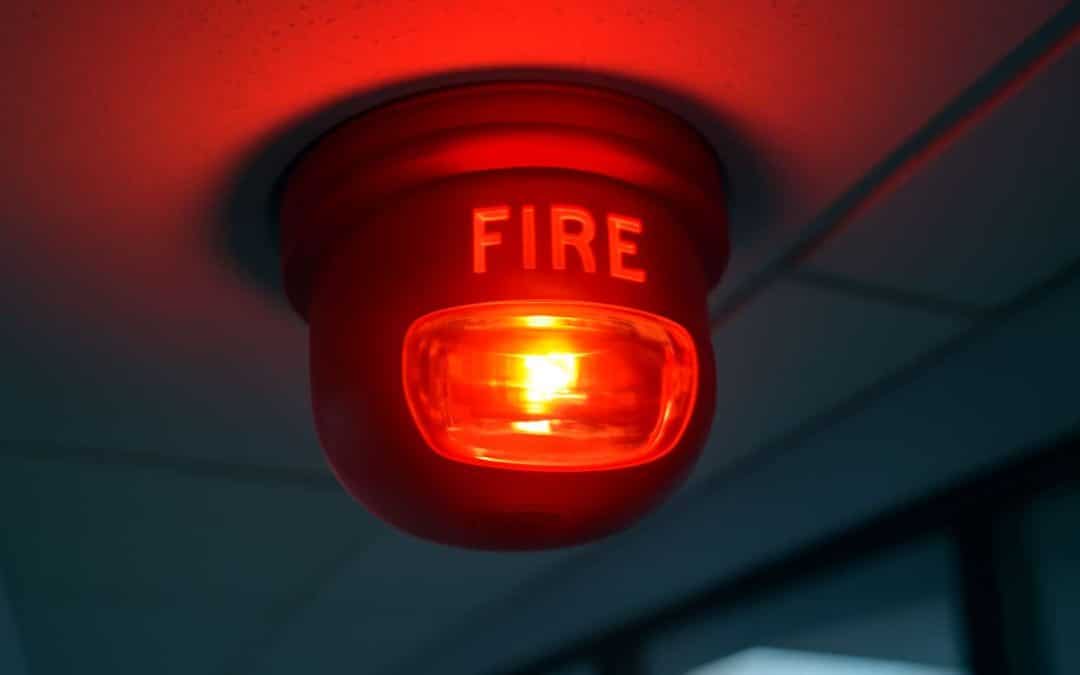
Understanding Fire Alarm Warning Signals
What Does a Flashing Red Light Indicate?
A flashing red light on your fire alarm isn’t just a random flicker—it’s a language of urgency. When a fire alarm flashing red appears, it signals a potential risk or an alert that demands immediate attention. This warning is designed to cut through the noise and grab your focus, often indicating either a fire, a system fault, or a need for maintenance.
In many cases, a fire alarm flashing red can be mistaken for a malfunction, but understanding its true meaning could be the difference between safety and catastrophe. It’s crucial to recognize that this signal is not to be ignored; it’s an alarm calling for action.
- Fire detection in progress
- System fault or malfunction
- Battery or power supply issues
Knowing what a fire alarm flashing red signifies helps you respond swiftly, especially in environments where the stakes are high. It’s a silent warning, yet its implications are loud and clear—alerting everyone to act before it’s too late.
Common Causes of a Flashing Red Fire Alarm
Fire alarm flashing red lights are more than just a neon nuisance—they are a symphony of signals that demand your attention. These flashing red alerts can be triggered by a variety of common causes, each with its own story to tell. Understanding these causes can mean the difference between a quick fix and a potentially catastrophic oversight.
One frequent culprit behind the fire alarm flashing red is a system fault or malfunction. Think of it as the alarm’s way of throwing a tantrum—an internal glitch that needs addressing before it becomes a larger problem. Another common cause is issues with the battery or power supply, often manifesting as a desperate red flicker when the power’s playing hard to get. Sometimes, environmental factors like steam, dust, or even insects can trick the sensor into sounding the alarm.
In some cases, the fire alarm flashing red is a sign of actual danger—perhaps a fire or smoke detected nearby. To navigate this maze of signals, it’s helpful to remember:
- Sensor contamination from dust or insects
- Power supply interruptions or low battery levels
- System errors or calibration issues
Knowing the common causes of a fire alarm flashing red light helps you decode its message, ensuring safety isn’t just a buzzword but a lived reality. After all, a flashing red is not just a warning—it’s a call to action, loud and clear in the language of alarms.
Differences Between Flashing Red and Steady Lights
In the grand theatre of fire alarm signals, understanding the difference between flashing red lights and steady illumination can mean the difference between calm and chaos. A fire alarm flashing red is often the siren call for immediate attention, indicating a potential issue that requires swift action. Conversely, a steady red light usually signifies a system that’s actively monitoring or performing routine checks—less urgent, but still essential to recognize.
Think of it as a language of its own; the flashing red is the dramatic gesture, demanding recognition, while the steady red is the calm, watchful eye. Recognizing this distinction ensures that you respond appropriately, whether it’s investigating a false alarm or preparing for possible trouble ahead. In environments where safety is paramount, knowing how to interpret these signals swiftly can prevent minor inconveniences from escalating into major crises.
Common Reasons for Fire Alarm Flashing Red
Battery Issues
In the intricate dance of safety systems, a fire alarm flashing red often signals more than just a warning—it’s a call for attention rooted in the vital heartbeat of the device. Surprisingly, battery issues are among the most common reasons behind this vivid display. When batteries begin to weaken or lose their charge, the alarm’s internal sensors interpret this as a potential threat to its own reliability, prompting the flashing red light to alert occupants.
Often, the culprit is a simple yet critical component: the battery. A failing battery can cause inconsistent power flow, leading to the persistent fire alarm flashing red. To troubleshoot effectively, consider the following:
- Battery age—over time, batteries degrade and lose capacity.
- Corrosion or dirt—residue on terminals can impair charge transfer.
- Incorrect installation—batteries placed improperly may cause malfunction.
Understanding these nuances allows for swift action, ensuring the fire alarm continues to serve as a vigilant guardian rather than a source of false alarms or silent failures. In South Africa, where safety is paramount, recognizing the signs of battery issues can mean the difference between peace of mind and peril.
Sensor Smoke or Dust Accumulation
A fire alarm flashing red can sometimes be attributed to an unexpected and insidious culprit—smoke or dust accumulation within the sensor. These seemingly innocuous particles can obscure the sensitive detection chamber, causing the alarm to interpret the environment as a potential threat. When dust or debris build up, the sensor’s precision is compromised, triggering that unmistakable fire alarm flashing red.
In many cases, a thorough cleaning of the alarm’s exterior and internal components can resolve the issue. It’s a delicate process, requiring careful removal of dust and residue that may have settled over time. Regular maintenance is crucial, especially in environments prone to airborne particles, such as kitchens or workshops.
Sometimes, the intrusion of fine dust particles or smoke residue isn’t just about cleanliness—it’s a sign that the sensor’s sensitivity needs recalibration. Over time, environmental factors can cause the sensor to become overly responsive, leading to false alarms with a fire alarm flashing red. Recognizing this pattern early can prevent unnecessary panic and ensure the device continues to protect occupants effectively.
Power Supply Problems
In the quiet hush of a home or the bustling corridors of an office, a fire alarm flashing red can feel like a sudden, unwelcome jolt—an urgent whisper that something is amiss. One often overlooked culprit behind this startling signal is power supply problems. When the electrical current feeding the alarm falters or becomes unstable, it can send a flickering red alert that disrupts the delicate balance of safety.
Sometimes, the issue isn’t immediately obvious. It could be a loose wire connection, a damaged power cord, or fluctuations in the voltage supply. These disturbances can cause the fire alarm flashing red, signaling that the device isn’t receiving consistent power.
To navigate this labyrinth of potential faults, consider examining the power source with care. For example, you might find that:
- The wiring behind the alarm has become corroded or loose.
- The circuit breaker has tripped or is malfunctioning.
- The power adapter or transformer is faulty or worn out.
Understanding and addressing these power supply issues can often restore peace of mind, ensuring that the fire alarm remains vigilant and ready. After all, a fire alarm flashing red isn’t just a warning—it’s a call to action for safeguarding what matters most.
Malfunction or Faulty Units
In the intricate dance of safety technology, a fire alarm flashing red often signals more than just a warning—it’s a complex message from the system itself. Sometimes, these flickers point to malfunctioning units rather than imminent danger. Faulty fire alarms can stem from a variety of issues that aren’t immediately obvious but are equally critical to address.
One common culprit is poor manufacturing quality or wear and tear over time. In some cases, the internal circuitry of a fire alarm flashing red indicates age-related deterioration, which compromises its reliability. Additionally, environmental factors such as humidity or temperature fluctuations can trigger false alerts or malfunctions.
Furthermore, manufacturing defects or improper installation can also be behind persistent red flashing lights. For instance, if the device isn’t mounted correctly or if internal components are misaligned, it may send out confusing signals. Recognizing these underlying causes helps in maintaining a trustworthy fire safety system, ensuring that a fire alarm flashing red doesn’t become a false alarm or worse, a silent threat.
Environmental Factors (Humidity, Temperature)
In the mystical realm of fire safety, a fire alarm flashing red often resembles a distressed sentinel, signaling more than just an impending threat. Sometimes, these flickering warnings are cast by environmental influences—subtle yet powerful forces that can deceive even the most vigilant guardian. Humidity and temperature fluctuations are among the most common culprits behind a fire alarm flashing red, subtly interfering with the delicate circuitry that keeps the system alert.
High humidity levels, especially in South Africa’s coastal regions, can cause moisture to seep into the alarm’s components, leading to false flashes of red. Similarly, sudden temperature swings—whether from scorching sunlight or cold drafts—may trigger the device’s internal sensors, prompting a red warning signal. Such environmental factors can create a confusing landscape where the fire alarm flashing red might not indicate danger but rather a need for recalibration or maintenance.
To better understand these influences, consider how the environment interacts with your safety system. Sometimes, a simple change in location or ensuring proper ventilation can resolve the issue. Recognizing the impact of humidity and temperature on a fire alarm flashing red is vital for maintaining the integrity of your fire safety measures and avoiding unnecessary panic or complacency. After all, even the most enchanted safeguards require attentive care to remain vigilant against unseen threats.
Troubleshooting a Flashing Red Fire Alarm
Resetting the Fire Alarm
A fire alarm flashing red can send a shiver down your spine—it’s a stark signal that something isn’t right. Resetting the fire alarm often requires a keen eye and a steady hand, especially when the flashing red light persists. Sometimes, the culprit isn’t a fire but a glitch in the system that needs a gentle reset.
To troubleshoot a fire alarm flashing red, start by turning off the power supply to the unit. Wait a few moments, then press the reset button firmly—many alarms have a dedicated reset switch designed for this purpose. If the alarm remains stubbornly active, inspecting the unit for dust, debris, or corrosion can reveal hidden issues. Dust accumulation or environmental factors like humidity may trigger a false alarm, causing the warning light to flash red.
In some cases, the fire alarm flashing red indicates a need for a more thorough reset, which might involve disconnecting and reconnecting the power supply or replacing the backup batteries if applicable. Remember, persistent flashing red lights shouldn’t be ignored; they often whisper secrets about the health of your fire safety system.
Checking the Power and Battery Status
In the silent vigil of safety, a fire alarm flashing red can transform a peaceful space into a battleground of uncertainty. It’s a piercing signal, demanding our attention and care—yet sometimes, the cause is as simple as checking the power and battery status. These small yet vital components act as the heartbeat of your fire safety system, whispering secrets about its health. Ignoring the flashing red light risks overlooking a crucial warning that could safeguard lives and property.
Begin by inspecting the power supply—ensure the unit is connected securely, and no power outages have dimmed its alertness. If your alarm is battery-powered, test the backup power source. A quick glance at the batteries can reveal if they’re drained or corroded, often the silent culprits behind persistent flashing red lights. In some cases, replacing old batteries with fresh, high-quality ones can restore the alarm’s vitality and eliminate false warnings.
- Check the main power connection, ensuring there are no loose wires or tripped circuit breakers.
- Verify the backup batteries are present, properly installed, and functioning—replace if necessary.
- Observe the alarm’s response after power restoration or battery replacement—does the red flash cease?
By meticulously examining these elements, you peel back the layers of mystery surrounding the fire alarm flashing red, revealing whether it’s an urgent call for service or a benign glitch. Remember, in this dance of detection, the power and battery status are the fundamental chords that keep your safety symphony harmonious and true.
Cleaning and Maintaining the Sensor
When a fire alarm flashing red persists despite initial checks, it often signals more than just a routine glitch—sometimes, the culprit lies within the sensor itself. Dust, insects, or even spider webs silently conspire to obscure the sensor’s ability to distinguish genuine threats from benign environmental clutter. Cleaning and maintaining the sensor becomes paramount in restoring its vigilance and preventing false alarms that erode confidence in your fire safety system.
Start by carefully removing the alarm from its mounting, following the manufacturer’s instructions to avoid damage. Use a soft brush or compressed air to gently dislodge accumulated dust or debris from the sensor’s surface. If the alarm is in a high-humidity environment, consider installing a protective cover that allows airflow but minimizes dust intrusion. Regular maintenance not only mitigates the fire alarm flashing red phenomenon but also prolongs the lifespan of your device.
- Turn off the power supply to ensure safety during cleaning.
- Remove the alarm from its mounting bracket.
- Gently vacuum or blow compressed air to clear out dust and insects.
- Check for any corrosion or damage on the sensor or wiring.
- Reinstall the alarm and restore power to observe if the red flashing light ceases.
In environments prone to environmental factors such as humidity or temperature fluctuations, regular inspection and maintenance are critical. These measures help combat the persistent challenge of the fire alarm flashing red, ensuring your system remains a steadfast guardian rather than a source of false alarms or complacency.
Replacing Faulty Units
When a fire alarm flashing red refuses to settle down, it’s like that persistent friend who just won’t take the hint. Often, replacing faulty units becomes the only way to restore peace of mind. Faulty fire alarm units can be a real headache—noisy, unpredictable, and potentially dangerous. Sometimes, these units are just tired and need a dignified retirement.
Here’s a quick rundown:
- Identify the suspect unit—if it’s been around for a decade or more, it’s time for a replacement.
- Check for visible signs of damage, corrosion, or wear. A faulty fire alarm often shows its age in the form of broken sensors or frayed wiring.
- Unplug and remove the unit carefully, following the manufacturer’s guidelines—no one wants a surprise shock or a broken mounting bracket.
- Install a new, certified fire alarm to ensure compliance with safety standards and peace of mind.
Sometimes, a new unit is the only way to silence the fire alarm flashing red—because, frankly, a malfunctioning device is about as useful as a screen door on a submarine. Replacing faulty units is the most reliable solution to keep your fire safety system functioning flawlessly, especially in environments where uncertainty lurks around every corner.
Safety Precautions When Responding to a Flashing Red Alarm
Immediate Actions to Take
When the fire alarm flashing red pierces the silence like a sudden storm, it’s a call to action that commands immediate attention. In South Africa’s bustling environments, such alerts are not merely signals—they are guardians standing at the precipice of potential danger. Responding with calm resolve can mean the difference between safety and catastrophe. The first step is to acknowledge the alarm’s urgency; a flashing red fire alarm is a vivid reminder that vigilance must prevail.
Safety precautions are crucial during this moment of tension. It’s essential to avoid rushing blindly into a situation. Instead, take a measured approach: verify the source of the alert without delay, and if it is a false alarm, ensure the system is reset properly. If you suspect a real emergency, initiate the necessary procedures—evacuate calmly, alert emergency services, and inform others nearby. Remember, the key to navigating a fire alarm flashing red is to stay composed, act swiftly, and follow established safety protocols to safeguard everyone involved.
When to Evacuate the Premises
When the fire alarm flashing red pierces the quiet of your environment, it triggers an immediate response rooted in safety and vigilance. In South Africa’s diverse settings—from busy urban offices to rural homesteads—recognizing the appropriate safety precautions is crucial. A flashing red light signals urgency, demanding calm and swift action to prevent potential tragedy.
Knowing when to evacuate the premises is vital. If the alarm persists after verification, or if there are signs of smoke or fire, it’s time to evacuate. Remember, a fire alarm flashing red is more than just a signal; it’s a call to protect lives. Before evacuating, ensure everyone nearby is aware and follows a designated escape route. If you suspect a false alarm, check the system’s status and reset it carefully. Staying composed during these moments can be the most critical factor in avoiding chaos and ensuring everyone’s safety.
How to Test the Alarm System Safely
When the fire alarm flashing red pierces the serenity of your environment, safety becomes paramount. Responding promptly requires a calm and methodical approach, especially when testing the alarm system to ensure it functions correctly. Proper testing not only confirms the alarm’s responsiveness but also safeguards against false triggers that can cause unnecessary panic. In South Africa’s diverse settings, from bustling urban centres to tranquil rural homesteads, understanding how to test the fire alarm flashing red safely is essential for peace of mind.
Before initiating any test, make sure everyone in the vicinity is aware—communication is key to avoiding confusion. Typically, testing involves activating the alarm’s test button, which simulates a fire scenario. During this process, observe the flashing red light for proper operation. If the alarm doesn’t respond or if the flashing red light behaves erratically, it might indicate a system fault. In such cases, follow a structured approach:
- Check the power supply and ensure the system is receiving adequate voltage.
- Verify the battery status—weak or depleted batteries can cause inconsistent flashing red signals.
- Clean the sensor area carefully to remove dust or debris that might interfere with detection.
Regular testing, combined with vigilant observation of the fire alarm flashing red, guarantees that your safety system remains reliable. Remember, a well-maintained alarm system is your first line of defense—trust in its precision when it matters most! Ensuring this process is done safely and thoroughly will keep you prepared, no matter what challenges may arise in your environment.
When to Call Professional Fire Services
When the fire alarm flashing red disrupts the quiet hum of daily life, it triggers more than just a moment of alarm—it awakens a primal instinct to respond swiftly and responsibly. But rushing into action without proper safety precautions can turn chaos into tragedy. The first rule of thumb is to stay calm; panic clouds judgment, and a measured response is your best safeguard.
If the alarm is flashing red unexpectedly, it’s vital to assess the situation with deliberate caution. Do not attempt to silence or reset the system immediately; instead, prioritize evacuation if there’s any doubt about danger. Only after ensuring the environment is safe should you consider inspecting the alarm. Remember, a fire alarm flashing red could be a false alarm, but in some cases, it signals genuine peril.
In environments where the alarm persists despite clear conditions, calling professional fire services becomes an imperative. Their expertise ensures that no underlying issue is overlooked—be it a malfunction, environmental anomaly, or actual fire hazard.
- Never ignore a persistent fire alarm flashing red.
- Always maintain clear access for emergency responders.
- Trust trained professionals to handle complex system faults.
When in doubt, prioritise human safety above all. The subtle but urgent message embedded in a fire alarm flashing red demands respect, vigilance, and a readiness to act with moral clarity.
Preventative Measures to Avoid False Alarms
Regular Maintenance and Inspection
In the realm of safety, a fire alarm flashing red is more than a mere flicker of light; it is a siren that demands respect and swift attention. Yet, even the most vigilant systems can falter, leading to false alarms that disrupt daily life and erode trust in safety protocols. To safeguard against these unwelcome disruptions, preventative measures become the guardians of peace of mind. Regular maintenance and inspection are the enchanted shields that keep your fire alarm system resilient, ensuring it responds only when truly needed.
Implementing a rigorous schedule of preventative measures can significantly diminish the chances of encountering a fire alarm flashing red due to false triggers. A few crucial steps include:
- Scheduled visual inspections to identify dust, insects, or debris that may interfere with sensors.
- Routine testing of alarm functionality to confirm accurate responsiveness.
- Ensuring environmental conditions—like humidity and temperature—remain within optimal ranges for sensor operation.
By fostering a culture of diligent upkeep, property owners can prevent the misadventures of false alarms and maintain a harmonious balance between vigilance and tranquility.
Proper Placement and Installation of Alarms
Ensuring the integrity of your fire alarm flashing red requires more than mere vigilance; it demands strategic placement and meticulous installation. Far too often, false alarms arise from sensors that are improperly positioned—placed too close to kitchens, bathrooms, or vents, where steam and cooking fumes can fool sensitive detectors. To prevent this, careful consideration of sensor location is paramount.
Proper placement involves positioning alarms on ceilings or high on walls, away from drafts or sources of humidity. This not only minimizes false triggers but also guarantees that the alarm’s alert is both prompt and reliable. An effective approach is to adhere to a set of proven installation guidelines that dictate optimal distances from heat sources and airflow paths.
- Avoid mounting alarms near windows or doors where external air currents can disturb sensor accuracy.
- Ensure alarms are installed at least 30 centimeters away from fans, vents, or air conditioning units.
- Use specialized alarms designed for specific environments, such as kitchens or dusty areas, to further reduce false alarms.
When fire alarm flashing red signals a false trigger, it’s often a direct consequence of poor placement—highlighting the importance of strategic positioning. With deliberate installation, the fire alarm system’s sensitivity becomes a guardian rather than a source of unwarranted disturbance, preserving both safety and serenity within your space.
Using High-Quality Fire Alarm Systems
In the world of fire safety, high-quality fire alarm systems are your best friends—reliable, precise, and less prone to false alarms. When your fire alarm flashing red occurs unexpectedly, it’s often a sign that your system isn’t just alerting you to danger, but also battling environmental nuisances. Investing in top-tier alarms with advanced sensor technology can dramatically reduce false triggers, ensuring your peace of mind isn’t shattered by unnecessary panic.
Modern fire alarms come equipped with smart features designed to differentiate between genuine threats and harmless disturbances. For example, some systems have adaptive sensitivity settings that adjust based on ambient conditions, preventing irrelevant alarms caused by steam, dust, or humidity. Additionally, selecting alarms with built-in diagnostic capabilities can help identify potential issues before they cause a fire alarm flashing red. This preventative approach not only enhances safety but also minimizes disruptions.
In environments prone to false alarms, consider implementing a layered detection strategy—combining smoke, heat, and carbon monoxide sensors. This multi-sensor approach acts as a safeguard against false triggers, ensuring that your fire alarm flashing red is reserved for real emergencies. When you choose high-quality fire alarm systems, you’re investing in a vigilant guardian that’s less likely to give false alarms, keeping your premises safe and your nerves intact.
Environmental Control Measures
Preventing a fire alarm flashing red from becoming a persistent nuisance requires meticulous environmental control measures. In the pursuit of safeguarding lives and property, maintaining optimal conditions within your premises is paramount. Excessive humidity, dust, or fluctuating temperatures can inadvertently trigger false alarms, causing your fire alarm flashing red to behave unpredictably. By implementing strategic environmental control measures, you can significantly diminish these unwarranted alerts. For example, ensuring proper ventilation and humidity regulation creates a stable atmosphere that minimizes sensor sensitivity to harmless disturbances.
Furthermore, a layered detection approach can serve as a sentinel against false alarms. Incorporating a combination of smoke, heat, and carbon monoxide sensors acts as a comprehensive safeguard. This multi-sensor strategy ensures that the fire alarm flashing red is reserved solely for genuine emergencies, rather than environmental nuisances. Regularly inspecting and maintaining these sensors, along with proper placement away from high dust or steam zones, enhances the reliability of your fire alarm system. When the environment is kept under control, the unsettling flashing red light becomes a true alarm—an authentic call to action, not an environmental misfire.
Choosing the Right Fire Alarm System
Types of Fire Alarms (Ionization, Photoelectric, Combination)
Choosing the right fire alarm system can feel like navigating a labyrinth—each type offers distinct advantages, but understanding their core differences is crucial when dealing with a fire alarm flashing red. This indicator often signals a fault or alert that demands immediate attention, making it vital to select a system that aligns with your safety needs.
Ionization alarms excel at detecting fast-burning fires, while photoelectric alarms are more responsive to smoldering, smoke-heavy scenarios. A combination system integrates both technologies, providing comprehensive coverage. For environments with diverse fire risks, opting for a **fire alarm flashing red** that features a combination of ionization and photoelectric sensors ensures no threat goes unnoticed.
When choosing between these types, consider factors like the typical fire hazards in your space and the importance of early detection. An understanding of these distinctions helps prevent false alarms and ensures swift, accurate responses—the goal of any reliable fire alarm system.
Features to Consider (Smart Connectivity, Battery Life)
Choosing the right fire alarm system involves more than just picking a model; it requires understanding the features that ensure your safety when the fire alarm flashing red signals a potential threat. Smart connectivity is a game-changer—integrating your fire alarm system with your home or business network allows for instant alerts and remote monitoring, which can be crucial during emergencies.
Battery life is equally important. A fire alarm flashing red often indicates a low battery or system fault, so selecting units with long-lasting batteries minimizes false alarms and ensures continuous protection. Consider systems with rechargeable or easily replaceable batteries to avoid lapses in safety.
Ultimately, the best fire alarm system balances advanced features with reliability, ensuring that when the alarm flashes red, you’re equipped with a dependable line of defense.
Certification and Compliance Standards
Choosing a fire alarm system that meets certification and compliance standards isn’t just a bureaucratic box to tick—it’s your first line of defense against potential disaster. In South Africa, safety regulations are stringent, reflecting the seriousness of fire safety. A fire alarm flashing red often signals a system alert, but verifying that your alarm adheres to recognized standards ensures that it’s genuinely prepared to protect lives and property. Look for certifications such as SABS (South African Bureau of Standards) approval, which guarantees the device has undergone rigorous testing.
Standards like EN 54 or UL listing are globally recognized benchmarks for fire safety equipment, including fire alarms with flashing red indicators. Ensuring your system complies with these standards means it’s been vetted for reliability and performance. When selecting a fire alarm, opt for units that display clear certification marks—this small detail can make a significant difference when seconds count.
- Verify the certification marks on the fire alarm.
- Check that the system complies with local South African fire safety regulations.
- Ensure the device’s manufacturer provides proper documentation and warranty.
After all, a fire alarm flashing red is only as trustworthy as the standards it meets. That’s why prioritizing certification and compliance standards isn’t just smart—it’s essential. When your alarm system ticks all these boxes, you can sleep a little easier knowing you’re protected by a device built to the highest safety benchmarks.
