
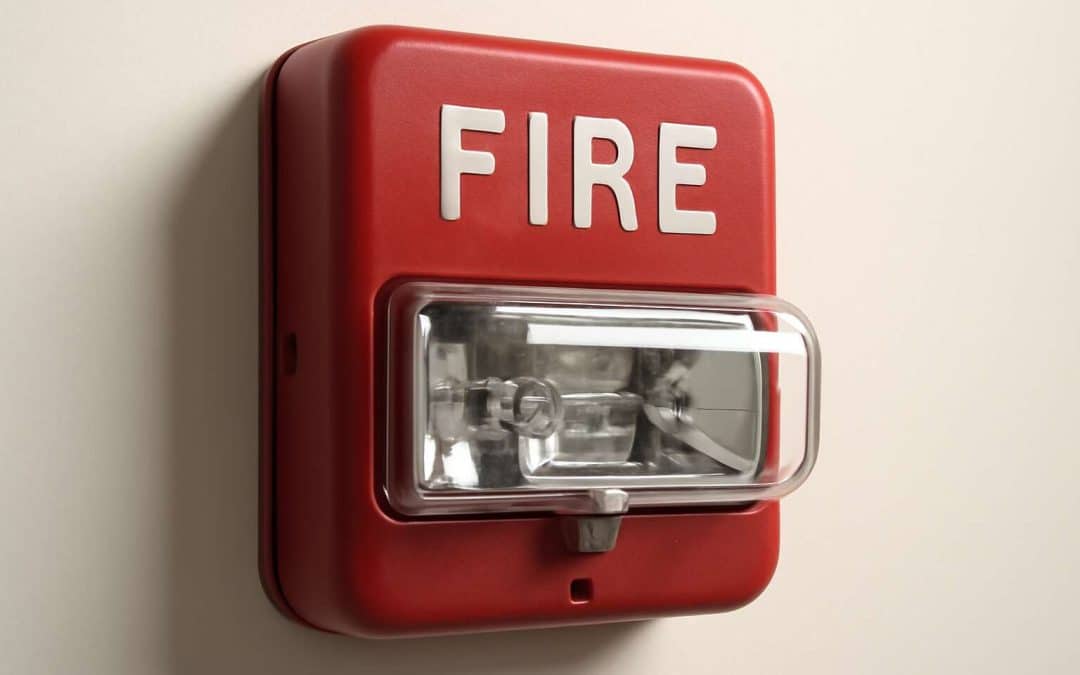
Understanding Fire Alarm 3D Models
Overview of 3D Modeling in Fire Safety
In the realm of fire safety, visualisation plays a crucial role in ensuring effective alarm system deployment. The fire alarm 3d model offers an innovative way to simulate real-world scenarios, providing a detailed perspective that static drawings simply cannot match. These models bring to life the intricate components of fire alarm systems, from sensors to control panels, allowing designers and safety professionals to analyse their placement and functionality with precision.
Understanding fire alarm 3D models is fundamental for crafting resilient fire safety strategies. By leveraging advanced 3D modelling techniques, stakeholders can anticipate potential issues, optimise system integration, and enhance overall safety protocols. The realistic visualisation of these models supports better decision-making, especially in complex environments where multiple systems interact seamlessly.
Moreover, the evolution of 3D modelling technology has introduced features such as:
- real-time adjustments to system layout
- interactive simulations of alarm responses
- comprehensive visual documentation for installation and maintenance
Such capabilities make fire alarm 3d models not just a tool for design but a vital asset in the ongoing commitment to safeguarding lives and property. When utilised effectively, these models can bridge the gap between abstract plans and tangible safety measures, fostering a deeper understanding of fire alarm systems in diverse settings.
Types of Fire Alarm 3D Models
Understanding fire alarm 3d models requires an appreciation for their varied forms and functions. These digital replicas are not monolithic; instead, they encompass a spectrum of specialised types, each tailored to specific stages of fire safety planning and execution. From detailed component-based models that illuminate sensor placements to comprehensive system simulations that demonstrate how a fire alarm system interacts within complex environments, the diversity is striking.
Among the most common types are static 3D models, which serve as precise visual plans for installation, and dynamic models that facilitate real-time adjustments and interactive simulations. These models provide a vital window into how fire alarm systems operate under different scenarios, making them indispensable for architects, engineers, and safety professionals alike. Their nuanced design captures the intricate dance of sensors, alarms, and control panels, ultimately transforming abstract concepts into tangible safety solutions.
To fully appreciate the depth of this technology, consider the different classes of fire alarm 3d model, which include:
- Component-focused models highlighting sensors, sounders, and control panels
- System-wide models illustrating the entire fire alarm network within a building
- Simulation models that mimic alarm responses during fire emergencies
Each type plays a pivotal role in ensuring that fire safety measures are not only functional but also optimally integrated into the built environment. The evolution of these models continues to push the boundaries of what’s possible, making fire alarm 3d models an essential asset in the pursuit of safety and resilience.
Importance of Accurate 3D Models in Fire Safety Planning
In the realm of fire safety, precision is paramount—yet, how often do we truly grasp the intricacies behind the digital blueprints that safeguard our spaces? An accurate fire alarm 3D model acts as a master key, unlocking a realm where safety systems are not merely imagined but meticulously crafted with spatial harmony and technological finesse. These models serve as the invisible architects of resilience, allowing safety professionals to foresee potential vulnerabilities before a single spark ignites chaos.
Harnessing detailed fire alarm 3D models ensures that every sensor, alarm, and control panel aligns perfectly within the architecture’s fabric. This level of realisation transforms abstract safety concepts into tangible, actionable plans—saving precious time and resources. When integrated into fire safety planning, these models become an indispensable tool, illuminating how the entire system interacts within complex environments. They enable engineers to simulate emergency scenarios, ensuring that the fire alarm system reacts swiftly and seamlessly—an essential facet of modern fire safety strategy.
Applications of Fire Alarm 3D Models
Design and Visualization
In the realm of fire safety, the power of visualisation cannot be overstated. Fire alarm 3D models serve as a vital bridge between imagination and reality, transforming abstract concepts into tangible representations that resonate deeply with architects and safety planners alike. These meticulously crafted models provide a vivid, immersive experience, allowing stakeholders to perceive how a fire alarm system integrates seamlessly within complex architectural environments.
Applications of fire alarm 3D models design and visualization extend beyond mere planning. They become essential tools in emergency preparedness, enabling detailed simulations of fire scenarios and alarm responses. This dynamic approach not only enhances safety protocols but also fosters a proactive mindset in safeguarding lives and property. Whether used for training, evaluation, or client presentations, the fire alarm 3d model elevates the dialogue around fire safety to an art form, blending technical precision with visionary clarity. Truly, these models are a testament to how innovation can illuminate the path to safer, more resilient spaces.
Emergency Evacuation Planning
In the realm of emergency preparedness, a detailed fire alarm 3d model can be a game changer. Imagine simulating a fire scenario within a complex building, where every alarm response and evacuation route is mapped out with precision. Such visualisation offers a level of insight that static plans simply cannot match, revealing critical bottlenecks and escape routes that might otherwise remain hidden. This kind of immersive planning ensures that safety teams can anticipate potential hazards and refine their strategies long before a real emergency occurs.
When utilised effectively, fire alarm 3d models become an integral part of emergency evacuation planning. They enable safety professionals to choreograph evacuation procedures with startling clarity, ensuring that every occupant knows their route and response. A well-crafted 3d model can incorporate multiple scenarios, from small fires to large-scale evacuations, all within a virtual environment. This proactive approach not only accelerates response times but also boosts confidence among staff and residents during high-stress situations.
Incorporating a fire alarm 3d model into safety drills elevates the experience from routine to revelatory. Stakeholders gain a visceral understanding of how a fire alarm system interacts with the building’s architecture, further refining evacuation strategies. Whether for training or safety audits, the ability to visually simulate emergency scenarios provides an unmatched edge in safeguarding lives and property. Truly, these models are indispensable tools in modern fire safety management.
Training Simulations
In the realm of fire safety training, immersive simulations powered by fire alarm 3d models are transforming how professionals prepare for the unexpected. These virtual environments offer a rare opportunity to experience the chaos of a fire emergency without real-world risk, sharpening response skills and decision-making under pressure. Through realistic visualisation, safety teams can explore intricate building layouts and test various scenarios, revealing vulnerabilities that static plans might hide.
In particular, fire alarm 3d models lend themselves perfectly to training simulations that mimic real-life emergencies. This enables firefighters and safety personnel to rehearse evacuation procedures, identify potential bottlenecks, and optimise alarm response times. For organisations seeking to elevate their safety protocols, integrating these models into training sessions turns routine drills into an enlightening journey into the building’s hidden complexities.
Some applications include:
- Simulating the activation of fire alarm systems in different zones, ensuring comprehensive coverage and rapid detection.
- Testing evacuation routes under various fire scenarios, helping to refine emergency protocols.
- Training staff to respond swiftly and confidently, guided by visual cues from the fire alarm 3d model.
The use of fire alarm 3d models in training simulations isn’t just about education; it’s about creating a culture of preparedness. When every detail is visualised with precision, safety professionals can anticipate challenges and craft more effective responses. The result? A heightened sense of vigilance and a significant boost in emergency readiness—crucial in safeguarding lives and property when every second counts.
Facility Maintenance and Inspection
In the silent corridors of safety, the meticulous upkeep of fire alarm systems is paramount. Fire alarm 3d models serve as vital tools for facility maintenance and inspection, transforming routine checks into precise, strategic operations. These models allow safety teams to visualise complex wiring layouts, sensor placements, and detection zones with unparalleled clarity, reducing the guesswork that often shadows manual inspections.
By leveraging detailed 3D visualisations, technicians can identify potential faults or vulnerabilities before they escalate into emergencies. This proactive approach not only extends the lifespan of alarm components but also ensures that every section of the building maintains optimal detection capabilities. For organisations committed to unwavering safety standards, integrating fire alarm 3d models into maintenance routines elevates the reliability of alarm systems and fosters a culture of vigilance.
Moreover, the applications of fire alarm 3d models in inspection processes are extensive. They facilitate:
- Precise localisation of alarm components, simplifying troubleshooting.
- Assessment of system coverage, ensuring no zone is left unmonitored.
- Streamlined documentation of system modifications or upgrades.
In essence, fire alarm 3d models are not just tools—they are a reflection of a deeper commitment to human safety. When every wire and sensor is mapped with accuracy, the risk of oversight diminishes, and the integrity of the fire safety infrastructure is fortified. This meticulous visualisation echoes a fundamental truth: safety is an ongoing pursuit, rooted in clarity and foresight.
Key Features of High-Quality Fire Alarm 3D Models
Realistic Detailing
When it comes to ensuring safety and precision, the key lies in the details—especially with a high-quality fire alarm 3d model. Realistic detailing transforms a simple digital sketch into an immersive experience, capturing every curve, button, and sensor with meticulous accuracy. This level of detail not only enhances visual appeal but also improves functional understanding, making it an invaluable asset in fire safety planning.
Exceptional fire alarm 3d models boast features such as lifelike textures, accurate dimensions, and authentic colour schemes. These elements work together to create a model that feels tangible, almost as if you could reach out and touch it. Such realism is crucial when visualising complex fire safety systems in diverse environments, from commercial buildings to industrial facilities. Furthermore, the use of sophisticated rendering techniques ensures that shadows and reflections mimic real-world lighting, adding depth and clarity to every scene.
Ultimately, the true strength of a high-quality fire alarm 3d model lies in its ability to communicate complex safety concepts clearly and convincingly. Whether used for training, design validation, or client presentations, these models serve as a bridge—bringing safety protocols to life with striking realism and precision.
Component Accuracy
When it comes to crafting a truly convincing fire alarm 3d model, component accuracy isn’t just a bonus—it’s the foundation of credibility. A high-quality fire alarm 3d model captures every nut, bolt, and LED with meticulous precision, ensuring that each element aligns perfectly with real-world counterparts. This level of detail guarantees that users can rely on the model for precise visualisation, whether it’s for design validation or safety audits.
Incorporating authentic dimensions and proportions, top-tier fire alarm 3d models often feature:
- Exact placement of sensors and buttons
- Correct scale for installation environments
- Realistic textures that mimic actual materials
Such fidelity not only enhances visual engagement but also minimises the risk of overlooked flaws during installation or inspection. When safety depends on precision, a well-crafted fire alarm 3d model becomes an indispensable virtual blueprint—making sure that every component works harmoniously in the real world, just as it does in the digital realm.
Interactivity and Animation
When it comes to elevating the realism of your fire alarm 3d model, interactivity and animation are indispensable features. These dynamic elements breathe life into static models, making them more engaging and informative. For instance, an animated fire alarm 3d model can showcase sensor activation, alarm sound triggers, or LED light sequences, providing a comprehensive visual narrative that static images simply can’t match.
High-quality fire alarm 3d models often incorporate features such as:
- Real-time sensor activation simulations
- Animated alarm sounds and light effects
- Clickable components for detailed inspection
This level of interactivity not only enhances visual appeal but also serves practical purposes—allowing viewers to understand exactly how the system functions during an emergency. Such animations are especially valuable in training scenarios or safety demonstrations, where clarity and immediacy make all the difference.
Compatibility with CAD and BIM Software
In the realm of fire safety, precision and versatility are paramount, especially when it comes to high-quality fire alarm 3d models. These digital reconstructions must seamlessly integrate with advanced design workflows, such as CAD and BIM software, to ensure flawless implementation in real-world applications. Compatibility is not merely a technical feature; it is the bridge that transforms a visual asset into a vital tool for safety professionals.
Exceptional fire alarm 3d models are designed with adaptability in mind, allowing effortless integration within diverse software ecosystems. This compatibility ensures that safety engineers can incorporate detailed models into larger building simulations, enabling comprehensive analysis and planning. Moreover, the ability to export and manipulate these models in popular CAD and BIM platforms elevates their utility, making them indispensable in the meticulous process of fire safety design.
For those seeking a truly transformative experience, a fire alarm 3d model that offers compatibility with multiple software environments is a game-changer. It’s a testament to the craftsmanship behind these models—crafted not just for visual fidelity but for practical, real-world application. Such models serve as the cornerstone of modern fire safety planning, merging aesthetic excellence with technical precision in a seamless dance of innovation.
Benefits of Using Fire Alarm 3D Models
Enhanced Safety Analysis
In a world where safety protocols are more critical than ever, leveraging a fire alarm 3D model offers tangible benefits that extend beyond simple visualisation. These models allow for an unprecedented level of precision in safety analysis, helping architects and safety professionals identify potential vulnerabilities before they become hazards. With a detailed fire alarm 3D model, teams can simulate real-world scenarios more effectively, pinpointing areas where fire detection systems might need reinforcement.
Furthermore, the utilisation of fire alarm 3D models enhances safety analysis by providing a comprehensive view of how fire detection components interact within complex environments. This insight supports better decision-making, ensuring that emergency responses are optimised and evacuation routes are clear. By integrating these models into safety planning, organisations can significantly reduce risks and improve compliance with fire safety regulations.
In essence, a well-crafted fire alarm 3D model is a crucial tool in modern fire safety strategies, transforming abstract plans into actionable intelligence. It empowers safety teams to anticipate issues and implement solutions proactively—making workplaces safer and lives better protected.
Cost and Time Efficiency
In the fast-paced world of fire safety, time and cost are often the villains lurking behind the scenes. Luckily, harnessing the power of a fire alarm 3D model can turn these villains into mere background noise. By creating detailed, accurate representations of fire detection systems, organisations can significantly cut down on costly reworks and delays. This digital wizardry allows for early detection of design flaws—saving both money and precious project hours that might otherwise be squandered on last-minute fixes.
Plus, integrating a fire alarm 3D model into your workflow means fewer surprises during installation. Instead of discovering that a critical sensor clashes with a ventilation duct, teams can identify and resolve these issues in the virtual realm—before any physical work begins. It’s a bit like having a crystal ball that ensures your safety measures are spot-on, all while keeping the project on schedule and within budget.
In essence, a well-crafted fire alarm 3D model isn’t just a visual aid; it’s a cost-effective, time-saving asset that streamlines safety planning and reduces unnecessary expenditure. Who wouldn’t want to optimise resources while enhancing fire protection? Definitely a win-win situation!
Improved Communication with Stakeholders
Clear communication is the bedrock of effective fire safety planning, yet in many projects, misunderstandings and overlooked details can jeopardise even the best intentions. A fire alarm 3D model serves as a bridge—an intuitive visual language that transforms complex technical data into universally understandable visuals. When stakeholders from different disciplines—architects, engineers, safety officials—share a single, detailed representation, conversations become more precise and decisions more confident.
This visual clarity fosters a collaborative environment where potential issues are identified early, reducing costly misalignments. The realism embedded within a fire alarm 3D model ensures everyone perceives the same spatial context and safety measures, strengthening trust and accountability. By translating technical specifications into vivid, tangible visuals, teams can navigate the labyrinth of fire safety requirements with greater ease, ensuring that all parties are aligned—ultimately elevating the safety standards of the entire project.
Facilitating Compliance with Fire Safety Regulations
In the realm of fire safety compliance, visual tools often make the difference between a passing grade and a perilous oversight. A meticulously crafted fire alarm 3D model not only elevates design clarity but also acts as a formidable ally in adhering to stringent fire safety regulations. By translating labyrinthine codes and standards into tangible visuals, teams gain a clearer grasp of where safety measures sit within the architectural landscape.
This immersive approach simplifies the often-daunting task of regulatory compliance, making it easier to spot potential violations before they become costly errors. Moreover, the detailed visualisation assists authorities and inspectors in evaluating safety features swiftly, reducing delays and streamlining approval processes. As a result, a fire alarm 3d model becomes an indispensable tool—helping organisations demonstrate compliance with precision and confidence, ultimately safeguarding lives and property with greater assurance.
Creating and Customizing Fire Alarm 3D Models
Tools and Software for 3D Modeling
Creating and customizing a fire alarm 3d model requires a blend of precision and artistic flair. Modern tools and software have revolutionised the way designers approach this task, making it easier to craft highly detailed and functional models that meet stringent safety standards. Software like Blender, 3ds Max, and SketchUp are popular choices, offering extensive libraries and intuitive interfaces that streamline the process. These platforms allow for meticulous adjustments, from the placement of sensors to the real-time simulation of fire alarm activation.
For those seeking to optimise their workflow, leveraging compatibility with CAD and BIM software can be a game-changer. It ensures seamless integration into larger building models, facilitating better collaboration and faster project turnaround. When creating a fire alarm 3d model, attention to detail—such as realistic textures and interactive components—can greatly enhance the model’s utility. Whether for visualisation, training, or compliance checks, the right tools empower designers to bring their concepts vividly to life.
Design Best Practices
Creating and customizing a fire alarm 3d model demands a careful balance between technical precision and creative intuition. To achieve a truly effective model, designers should start with a clear understanding of the specific environment where the fire alarm will be installed. Attention to detail is vital—every sensor, panel, and visual indicator must be accurately represented to ensure real-world functionality. Incorporating realistic textures and materials can significantly elevate the model’s authenticity, making it more useful for visualisation and safety assessments.
When tailoring a fire alarm 3d model, consider implementing adjustable components that allow for interactive features. For example, including animated activation sequences can help stakeholders visualise how the system responds during an emergency. To streamline this process, using modular design principles is highly recommended—this approach simplifies updates and customisations. For optimal compatibility, ensure your model integrates seamlessly with CAD and BIM software, fostering collaboration and accelerating project timelines. Ultimately, thoughtful design and meticulous attention to detail make all the difference in creating a fire alarm 3d model that is both functional and visually compelling.
Customization Tips
Creating and customizing a fire alarm 3d model is an exercise in blending technical artistry with intuitive design. To breathe life into a truly effective model, consider the environment where it will reside. Each detail, from sensors to visual indicators, must be meticulously crafted to reflect real-world functionality. Incorporating realistic textures and materials not only elevates visual authenticity but also enhances safety assessments, making the model an invaluable tool for engineers and safety professionals alike.
When tailoring a fire alarm 3d model, interactive features can transform static visuals into dynamic educational tools. For instance, animated activation sequences vividly demonstrate system responses during emergencies, engaging stakeholders on a deeper level. Employing modular design principles ensures ease of updates and customisation, allowing your fire alarm 3d model to evolve seamlessly with project needs. An often-overlooked aspect is ensuring compatibility with CAD and BIM software, which fosters smoother collaboration and accelerates project timelines. In the end, thoughtful customization turns a simple model into a compelling narrative of safety and precision.
Incorporating Real Equipment Specifications
Creating a fire alarm 3d model isn’t just a matter of slapping on some textures and calling it a day. To truly mimic the real-world equipment, incorporating authentic specifications is paramount. This means paying attention to every tiny detail—be it the sensor placements, visual indicators, or the casing dimensions—so your model doesn’t just look convincing but also functions as a reliable simulation tool.
In fact, the most effective fire alarm 3d models are those that integrate real equipment specifications, making them invaluable for engineers and safety professionals. Such models help in assessing the system’s performance accurately and streamline the design process. When customising your fire alarm 3d model, consider including:
- Precise dimensions based on actual manufacturer data
- Correct placement of sensors and alarm indicators
- Realistic textures that reflect the materials used in real equipment
This approach ensures the model isn’t just an artistic interpretation but a practical, real-world representation that boosts safety planning and compliance. Whether you’re developing a prototype or conducting safety simulations, incorporating real specifications into your fire alarm 3d model elevates its utility, making it a trustworthy visual aid for all stakeholders involved.
Top Resources and Platforms for Fire Alarm 3D Models
3D Model Libraries
In the shadowed corridors of digital craftsmanship, the quest for the perfect fire alarm 3d model often leads to a treasury of platforms and libraries that seem almost mystical in their offerings. These repositories are the vaults where detailed, accurate, and customisable 3D models reside—each one a key to unlocking more vivid visualisations and safer, more precise fire safety designs. For professionals seeking components that breathe realism into their projects, the importance of sourcing from reputable 3D model libraries cannot be overstated.
Among the most revered are platforms that host vast collections of fire alarm 3d models, meticulously curated to ensure compatibility and fidelity. These libraries often provide models that can be seamlessly integrated into CAD and BIM software, reducing the time spent on adjustments and increasing the focus on innovation. The availability of high-quality 3D models accelerates workflow, ensuring that every detail—from the smallest sensor to the grandest alarm panel—meets the strictest safety standards.
- Sketchfab — Known for its expansive range of realistic 3D models, perfect for detailed visualisation projects.
- TurboSquid — Offers an extensive catalogue, including specialised fire safety equipment models, vital for comprehensive safety planning.
- 3D Warehouse — A favourite among architects and safety engineers for its ease of access and user-friendly interface.
By harnessing these top resources and platforms, designers and safety professionals can elevate their fire alarm 3d models from mere representations to powerful tools of communication and compliance, woven with the dark elegance of precision and purpose.
Custom Model Services
Top resources and platforms for fire alarm 3d models are vital for professionals aiming to enhance their fire safety projects. These repositories offer a vast array of meticulously crafted models that can be seamlessly integrated into CAD and BIM software. They ensure high fidelity, component accuracy, and compatibility, saving time and reducing errors in design workflows.
Platforms like Sketchfab, TurboSquid, and 3D Warehouse stand out as premier sources. They provide diverse collections, from realistic sensors to complex alarm panels, all ready for customisation. For specialised needs, some services also offer custom model services, allowing you to tailor fire alarm 3d models to specific project requirements. These bespoke options enable precise replication of real equipment, ensuring compliance and safety standards are met with confidence.
- Sketchfab – Ideal for detailed visualisation with an extensive range of realistic fire alarm 3d models.
- TurboSquid – Known for its specialised safety equipment models, perfect for comprehensive fire safety planning.
- 3D Warehouse – User-friendly and easily accessible, great for quick prototyping and conceptualising fire alarm systems.
By leveraging these top platforms and custom model services, safety professionals can elevate their fire alarm 3d model accuracy and real-world applicability, ultimately strengthening safety communication and project success.
Open-Source Resources
Open-source resources are an invaluable asset for professionals seeking cost-effective and versatile fire alarm 3d models. These platforms provide a wealth of free or low-cost models that can be quickly integrated into design workflows, saving both time and budget. The best part? Many repositories regularly update their collections, ensuring access to the latest standards and equipment types.
Popular platforms such as GrabCAD and Thingiverse host extensive libraries of fire alarm 3d models created by a community of engineers and designers. These models are often detailed enough for preliminary planning and visualisation, making them perfect for early-stage projects or conceptual mock-ups. For those who need models tailored to specific standards, some open-source platforms also support customisation or provide links to custom model services.
- GrabCAD – Known for its large library of free fire alarm 3d models suitable for simulation and prototyping.
- Thingiverse – Offers user-generated models that are easy to modify and adapt for unique fire safety projects.
Using open-source resources ensures access to a wide array of models, fostering innovation and efficiency in fire safety design. They serve as an excellent starting point, especially when paired with custom model services for specialised requirements. These resources make it easier than ever to develop accurate, reliable fire alarm 3d models for any project scope.
Guidelines for Buying and Licensing Models
Choosing the right platform for sourcing a fire alarm 3d model can significantly streamline your project’s progress. Top resources such as GrabCAD and Thingiverse stand out as go-to hubs for engineers and designers alike. GrabCAD boasts a vast library of free fire alarm 3d models that are perfect for simulation and prototyping, often updated to reflect the latest standards and innovations. Meanwhile, Thingiverse offers a treasure trove of user-generated models that are easy to modify, making them ideal for customised fire safety solutions.
When considering purchasing or licensing a fire alarm 3d model, it’s essential to pay close attention to licensing agreements. Open-source models are typically released under licences that allow free use with attribution, but some platforms require a fee for commercial projects. To avoid legal pitfalls, always verify whether a model’s licensing permits your intended use. For specialised projects, opting for custom model services can ensure the fire alarm 3d model aligns perfectly with specific standards and safety regulations.
- Review licensing terms carefully before downloading or purchasing a fire alarm 3d model.
- Choose open-source platforms for cost-effective, adaptable models.
- Consider bespoke model services for tailored, standards-compliant designs.
By understanding these guidelines, professionals can confidently navigate the landscape of fire alarm 3d models—balancing quality with compliance—ultimately enhancing safety and efficiency in their fire safety planning and design processes.
SEO Tips for Promoting Fire Alarm 3D Models Online
Keyword Optimization Strategies
In the labyrinthine realm of digital fire safety, the art of SEO becomes the enchanted key that unlocks visibility for your fire alarm 3d model. When promoting your creation online, strategic keyword optimisation transforms a simple model into a beacon amidst the vast digital ether.
Harness the power of natural language by embedding keywords seamlessly within your content. Phrases such as “fire alarm 3d model” should flow effortlessly, echoing the narrative rather than disrupting it. Diversify your approach with varied sentence structures, ensuring that search engines perceive your content as rich and authentic.
To elevate your SEO game further, consider the following strategies:
- Research high-impact keywords related to fire safety and 3D modelling.
- Incorporate long-tail keywords that reflect specific use cases of your fire alarm 3d model.
- Utilise localisation terms to attract regional clients seeking tailored fire safety solutions.
Remember, the goal is to craft a compelling story that naturally weaves in these keywords, ensuring your fire alarm 3d model rises to the zenith of search results and captures the imaginations of safety professionals worldwide.
Content Marketing Ideas
In a digital universe where visibility can make or break your fire safety offerings, mastering SEO for your fire alarm 3d model is no longer optional—it’s essential. With over 70% of safety professionals turning to online searches to source their equipment, a well-optimised fire alarm 3d model can be your golden ticket to standing out amid the clutter. But how do you ensure your masterpiece doesn’t get lost in the abyss of the internet?
Embedding keywords naturally is the secret sauce. Think beyond the basic “fire alarm 3d model” and delve into long-tail keywords such as “industrial fire alarm 3d model for commercial buildings” or regional terms like “London fire alarm 3d model.” These variations help attract targeted traffic and boost your search engine ranking.
Consider crafting content that resonates with your audience’s specific needs, weaving in these keywords without turning your copy into a keyword-stuffed nightmare. After all, search engines are clever enough to detect authentic content from keyword stuffing. Employ a mix of sentence structures, and don’t shy away from using bullet points to highlight key features of your fire alarm 3d model, like component accuracy or interactivity, making your content both engaging and informative.
Utilizing Visual Content
Visual content commands attention in the crowded digital landscape, especially when promoting a fire alarm 3d model. High-quality images, videos, and interactive renders serve as powerful tools to engage potential clients and stakeholders. When you incorporate these visuals strategically, they not only showcase the intricate details of your fire alarm 3d model but also improve your search engine rankings. Search engines prioritise user engagement, and compelling visual content can significantly boost dwell time on your website.
To optimise your online presence effectively, consider employing a mix of visual assets coupled with targeted keywords. For example, sharing 360-degree interactive views or animated walkthroughs can make your fire alarm 3d model stand out. These elements naturally attract backlinks and social shares, amplifying your reach. Remember, consistency in visual branding paired with thoughtful keyword integration ensures your fire alarm 3d model reaches the right audience—those seeking precise, reliable safety solutions.
Link Building and Outreach
In the realm of digital marketing, few strategies wield as much subtle power as link building and outreach, especially when promoting a fire alarm 3d model. Building authoritative backlinks from industry-specific websites, safety forums, and reputable CAD or BIM platforms can dramatically elevate your search engine rankings. Genuine outreach—through personalised emails or engaging social media interactions—can open doors to collaborations, guest posting opportunities, and resource exchanges that amplify visibility.
A targeted approach, focused on industry relevance and content quality, ensures your fire alarm 3d model reaches the right eyes. Embedding your model within comprehensive case studies or safety audits naturally encourages backlinks, while sharing high-quality visual demos can generate social shares and user engagement. Remember, building lasting relationships with safety professionals and architects not only boosts your SEO but also positions your fire alarm 3d model as a trusted solution in fire safety innovation.
