
FDIA – Fire Detection Industry Association is a Fire protection service establishment in Bultfontein, Free State, South Africa
FDIA – Fire Detection Industry Association: Summary of services and customer experience
The Fire Detection Industry Association (FDIA) has operated in South Africa since 1999 with a focus on uplifting the fire protection industries, namely fire detection and alarm systems, as well as gaseous fire suppression systems. Described as an association dedicated to representation, leadership, and professional development, the FDIA emphasises adherence to national standards and the sharing of knowledge to improve project quality and reliability. The organisation presents itself as a voluntary initiative run by industry participants who collaborate to promote meaningful warranties, approved equipment, and proper installation practices aligned with South African National Standards.
Core offerings centre on professional development, industry standards, and a collective commitment to quality projects within the fire protection sector. The FDIA highlights its aim to uplift the industry through training, information dissemination, and the ongoing involvement of its members in the broader fire detection and gas suppression communities. Public-facing content underscores the association’s long-standing presence in the sector and its role in supporting informed decision-making for engineers, specifiers, and practitioners involved in designing, installing, servicing, and maintaining fire protection equipment and systems.
Overview of services and resources available to visitors and members includes:
- Industry representation and leadership for fire detection, alarm systems, and gaseous extinguishing systems, with a structure that accommodates various member types (installation, detection suppliers, suppression suppliers, consultants, suppliers, and third-party inspectors).
- Guidance on professional standards and best practices, including references to training, competency, and proof of relevant training and experience for the tasks performed within the fire protection field.
- Access to member information, including a public member listing and categories that reflect different roles within the industry (e.g., Installation Companies, Conditional Installers, Prospect Members, Supplier Members, Consultant Members, Associate Members, and 3rd Party Members).
- Educational content and news updates that address competency, system interfaces, and industry changes relevant to fire detection and gaseous suppression technologies.
- Operational materials such as logbooks for gas suppression and detection, and other marketing resources to support consistent documentation and compliance among FDIA members.
- A governance framework outlined in the association’s constitution, detailing committee structure, appointment processes, financial governance, and procedural rules for member engagement and oversight.
Typical engagement with the FDIA occurs via membership, with a structured process for joining and ongoing participation. The “How to Join the FDIA” section details a step-by-step application process, including completing the application form, submitting company requirements, signing a Code of Ethics, and, where applicable, arranging external verification through SANAS-accredited inspections. Once documentation is approved and verification requirements (for certain levels) are met, the FDIA committee reviews the submission before issuing membership status and an invoice for the annual fees. The prospect of becoming a member comes with clear implications for listing visibility on the FDIA website, voting rights, and potential committee representation depending on the level of membership chosen.
Customer experience considerations emerge from the association’s transparent governance and volunteer-driven leadership. The executive and general committees are described as non-remunerated, with roles such as Chairperson, Vice Chair, Treasurer, Marketing Officer, and Liaison Officer laying out responsibilities for budgeting, meetings, marketing, and industry liaison. The formal constitution emphasises accountability, monthly financial reporting, and the requirement that committee members be drawn from member companies that are current with dues.
Practical tips for prospective and current customers include:
- Review the membership levels and corresponding requirements carefully to select a level that aligns with the company’s capabilities and inspection/verification needs.
- Prepare documentation in advance for the application, including proof of company requirements and confirmation of ethical commitments, to streamline the approval process.
- Consider the value of SANAS-accredited third-party inspections where applicable, as these form part of the verification process for higher membership levels.
- Familiarise with the FDIA’s logbooks and documentation guidelines to ensure consistent recording of installations, servicing, and deviations as part of quality assurance.
- Monitor the FDIA’s news and articles to stay informed about competency standards, system interfaces, and evolving technologies in fire detection and gas suppression.
Notes on location and accessibility: the FDIA materials indicate activities and governance principally from bases in Gauteng, with contact details listed for the Secretary in Bardene, South Africa. While the available information stresses nationwide industry representation and participation, no specific service area is stated for Bultfontein or the Free State in the public content provided. The association presents itself as a national body focused on uplifting the industry across South Africa through member-led initiatives, training, and adherence to standards.
Free State
South Africa
Sorry, no records were found. Please adjust your search criteria and try again.
Sorry, unable to load the Maps API.
Fire Protection Services in Bultfontein, Free State
In Bultfontein, a town within the Free State of South Africa, fire protection services encompass a broad range of specialised activities aimed at reducing the risk of fire and minimising damage when incidents occur. Local businesses, industrial premises and public buildings alike rely on qualified providers to assess hazards, install appropriate systems, and maintain equipment to ensure safety for occupants and property.
Typical services offered in this region address both prevention and response. A core component is the introductory fire risk assessment, which identifies potential ignition sources, occupancy risks, and escape routes. Based on findings, service providers may recommend a combination of fire detection and alarm systems, fire extinguishers, drill and evacuation planning, and targeted suppression methods suited to the site’s characteristics and use.
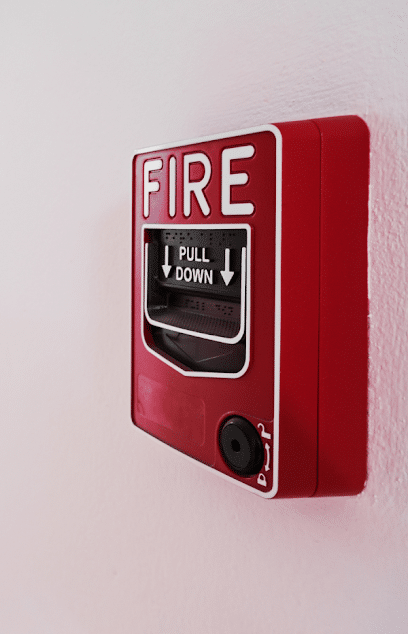
Fire detection and alarm systems form a common backbone of protection. These systems vary from simple manual alerts to more sophisticated networks that continually monitor for smoke, heat or flame indicators. In practice, alarms are calibrated to provide audible and visible warnings, enabling timely evacuation and rapid notification to dedicated on-site personnel or emergency services where appropriate.
Portable fire extinguishers and specialised suppression equipment are usually supplied and maintained to meet regulatory expectations and to respond quickly to small to moderate fires. Regular inspection, tagging, and service intervals are emphasised to ensure that extinguishers remain ready for use and comply with local standards.
Automatic suppression systems and fixed installations, when warranted, are selected according to risk profiles. Examples include water-based sprinkler systems for larger premises, chemical or foam-based suppression for high-hazard areas, and clean agent systems for sensitive equipment rooms. The deployment of such systems is guided by the layout of the building, the nature of stored materials, and the potential impact of any discharge on occupants and assets.
Emergency lighting and clearly marked exit routes are integral to comprehensive fire safety. Providers may design and test lighting to ensure safe evacuation even during power outages. Signage that clearly indicates exits and fire equipment helps to maintain orderly movement during emergencies and reduces the likelihood of confusion in stressful circumstances.
Beyond hardware, practical services include fire safety training, drills, and the creation of emergency response plans customised to the local context. Training emphasises the roles of staff and occupants, proper use of extinguishers, and procedures for contacting emergency services. Regular drills help to reinforce familiar procedures and identify any gaps in preparation.
Maintenance and compliance form a critical ongoing strand. Scheduled servicing, practical tests, and documentation of all activities are standard expectations. Service providers typically maintain records of inspections, replacements, and failures, providing clients with evidence of due diligence and readiness for regulatory reviews or insurance assessments.
Customers in Bultfontein can anticipate responsive support that understands the local environment, including access challenges, infrastructure constraints, and the seasonal patterns that may affect equipment reliability. Practical considerations often centre on ensuring regular supply chains for consumables, coordinating maintenance with business operations to minimise disruption, and planning for scope expansion when premises are renovated or repurposed.
Overall, fire protection service professionals in Bultfontein deliver a structured approach to safeguarding lives and assets. By combining risk assessment, appropriate installations, systematic maintenance, and practical evacuation planning, the services aim to create safer environments capable of withstanding fire-related incidents while preserving business continuity and compliance with local safety norms.