
HISSCO INTERNATIONAL is a Security system supplier establishment in Pretoria, Gauteng, South Africa
HISSCO INTERNATIONAL: Security Detection Solutions for Commercial, Governmental and Industrial Applications
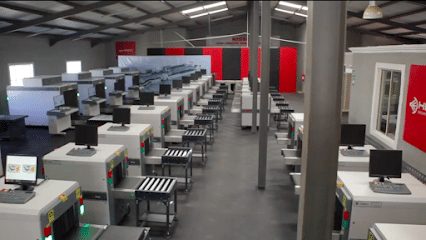
HISSCO INTERNATIONAL operates as a comprehensive supplier of security detection equipment, focused on delivering end-to-end screening and detection solutions. The company’s product portfolio spans from people screening systems to advanced container scanners, and includes cutting-edge CT systems alongside a broad range of explosive, drug and metal detection technologies. A key emphasis is placed on security x-ray machines designed for a variety of settings, with applications across commercial, governmental and industrial sectors. This breadth positions HISSCO as a single-source provider capable of addressing multiple facets of risk management and security operations.
From the information available, the organisation presents itself as a global provider with extended coverage and a commitment to delivering dependable service programmes. The emphasis on a wide product line suggests a capability to tailor solutions to differing security requirements, whether for high-throughput environments such as transportation hubs and large corporate campuses, or more specialised settings requiring rigorous scanning and detection capabilities. The emphasis on advanced technologies also signals a focus on staying current with evolving security needs, including the integration of imaging and screening modalities to enhance operator performance and decision accuracy.
Customer experiences reflected in publicly shared reviews highlight several recurring strengths. Clients repeatedly mention professional conduct and responsiveness from HISSCO’s team, including interactions with named personnel. The feedback consistently recognises the quality of products and the reliability of service levels, with multiple references to the company as a trusted service provider within Africa. Users describe engagements as constructive and courteous, often stressing the importance of timely support and the overall value delivered by the equipment and the accompanying service package. Such testimonials point to solid relationships with customers in diverse sectors, including aviation, cargo handling, security services and critical infrastructure.
In terms of typical project profiles, the available feedback suggests engagements can involve the acquisition of major screening and detection systems for enterprise-scale safety and compliance needs. Customers reference long-term equipment deployments and ongoing support, hinting at a capability to manage both the initial procurement and the subsequent maintenance or upgrade cycles that accompany sophisticated security installations. The presence of multiple partners and distributors cited in the company’s news feed — including regional partners and official distributors — indicates a multi-channel approach to meeting regional demand and providing local technical backing where needed.
For organisations considering a potential engagement, several practical observations emerge from the public record. The range of products implies a need for clear scoping of requirements, including throughput expectations, detection capabilities, maintenance commitments and operator training. Prospective buyers may benefit from evaluating how HISSCO’s imaging and detection technologies integrate with existing security workflows, particularly in high-traffic environments where speed and accuracy are both critical. The company’s emphasis on global coverage suggests that support programmes and spare parts availability are important considerations for customers far from the core markets.
Typical job types and industries likely to seek HISSCO’s offerings include government facilities requiring robust screening, airports and cargo terminals seeking rapid, reliable imaging and detection, large manufacturing or logistics sites that require scalable security checks, and commercial venues that prioritise high-security standards. While specific hour-by-hour operations are not published, the company’s public communications imply an emphasis on professional delivery, post-implementation care, and ongoing technical support as part of its service proposition.
Practical tips for customers planning a security screening project include conducting a clear needs assessment that aligns throughput with detection requirements, and considering total cost of ownership alongside initial purchase price. It is advisable to engage early with technical staff to discuss site constraints, workflow integration, and operator training needs. Reviewing case studies or deployment summaries can provide insights into how similar organisations have harnessed HISSCO’s technologies to achieve operational efficiency and enhanced security posture. It is also beneficial to confirm regional support arrangements and to understand the parameters of service programmes offered through global coverage partners.
HISSCO INTERNATIONAL’s regional footprint, combined with positive independent feedback regarding professionalism and product quality, suggests a credible option for organisations seeking comprehensive security detection solutions. The company’s portfolio and partner ecosystem indicate a capacity to manage complex deployments across multiple sectors, with attention to operator performance and long-term operational support.
Pretoria
Gauteng
South Africa
Sorry, no records were found. Please adjust your search criteria and try again.
Sorry, unable to load the Maps API.
Security System Supplier Services in Pretoria, Gauteng
Security system suppliers in Pretoria, Gauteng, provide a range of solutions designed to protect homes, offices, and small to medium-sized enterprises. The offerings typically cover consultation, product selection, installation, maintenance, and ongoing support. The emphasis is on practical security enhancements that suit the local environment, including high-crime urban areas and newer commercial precincts, alongside the varied architectural styles found throughout the region.
These suppliers commonly begin with an on-site assessment to understand the specific risks, building layout, and client objectives. Such assessments inform recommendations on alarm systems, access control, CCTV surveillance, intercoms, and environmental monitoring. The process often involves reviewing entry points, lighting, and existing infrastructure to determine the most effective security architecture. The goal is to balance robust protection with user-friendly operation and reasonable running costs.
A typical service portfolio includes the following core elements:
- Alarm systems: Intruder alarms, shock sensors, and perimeter protection designed to deter break-ins and provide rapid notification to authorised persons or monitoring stations.
- CCTV and surveillance: Selection of cameras, recording solutions, and monitoring options to cover key zones such as entrances, parking areas, and high-traffic corridors.
- Access control: Electronic locks, turnstiles, biometric or card-based systems, and door management solutions for controlled entry to premises.
- Intercom and visitor management: Audio or video intercoms, facilitating secure screening of visitors before granting access.
- Fibre and data connectivity considerations: Ensuring reliable communication between devices, control panels, and monitoring partners, as well as compatibility with existing networks.
- Monitoring services: Remote monitoring, response protocols, and integration with local emergency services where appropriate.
- Maintenance and aftercare: Scheduled servicing, system testing, battery replacements, and software or firmware updates to sustain performance.
- Upgrade and expansion planning: Assessments that anticipate future security needs as premises grow or operational requirements change.
What customers can expect from the engagement and delivery process includes clarity on capabilities, timelines, and warranties. Suppliers typically outline a proposed security layout, equipment specifications, and a rough installation timetable. Installation may be scoped in stages, particularly for larger sites, to minimise disruption to business operations. After installation, a run-through of system operation is provided, sometimes accompanied by written instructions or training for authorised users. Ongoing support usually encompasses remote diagnostics, on-site visits for maintenance, and a clear point of contact for technical assistance.
Practical considerations for clients include compliance with local regulations and data privacy considerations, especially for CCTV deployments and access control systems. Budgeting is an important factor, with customers often weighing upfront installation costs against long-term operational expenses and anticipated security benefits. Environmental conditions in Gauteng, such as load shedding and power reliability, influence the preference for battery-backed devices and uninterrupted power supply (UPS) options. The choice of equipment is generally guided by the premises’ risk profile, environmental exposure (indoor vs. outdoor installations), and the desired level of deterrence versus detection.
Reliability and service quality tend to hinge on the supplier’s network and responsiveness. Clients are advised to seek clear service level agreements, transparent maintenance schedules, and documented warranties. While it is not appropriate to single out brands or providers, the overall recommendation is to engage a security system supplier that demonstrates thorough assessment practices, adherence to industry standards, and a track record of adapting solutions to the Pretoria metropolitan area. The outcome is a customised security posture designed to offer peace of mind, improved incident response, and scalable protection aligned with business and residential needs.