
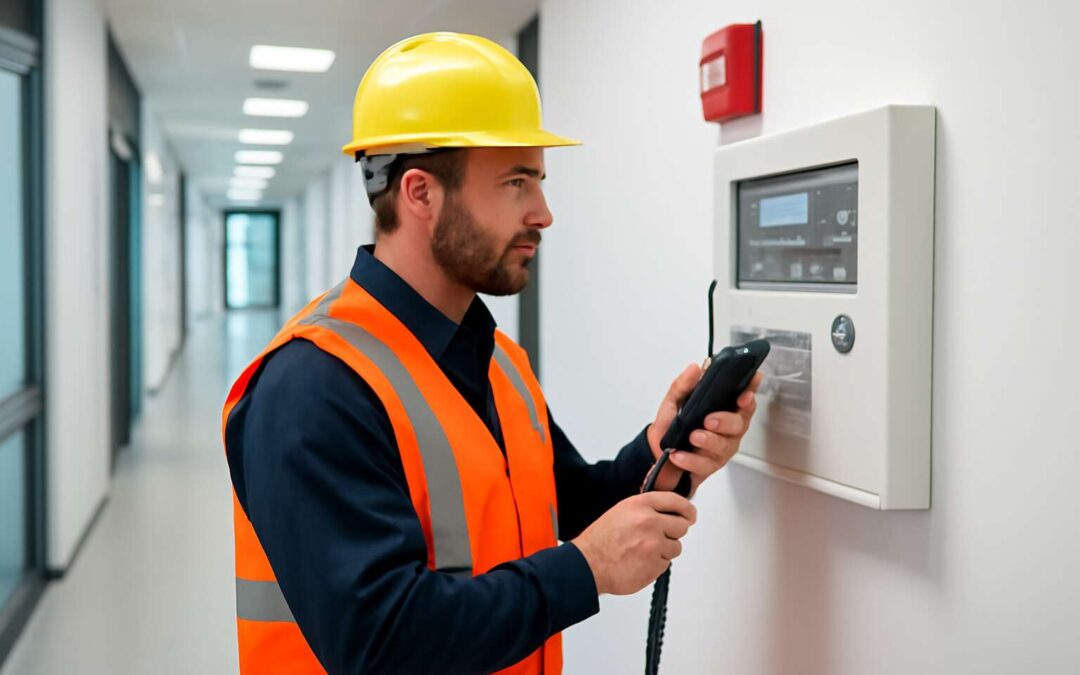
Understanding Fire Alarm Systems and Roles
Types of Fire Alarm Systems and How They Work
In South Africa’s bustling districts, every second matters when an alarm sounds. A seasoned voice in safety says alarm response is choreography. As a fire alarm technician, I know understanding systems means seeing how people and hardware mesh. Roles span designers, installers, testers, and operators interpreting alerts. The result is a network that translates heat, smoke, and flame into decisive action.
Types of fire alarm systems vary by building and risk, and knowing them helps everyone breathe easier. Here are the core families that most SA sites rely on:
- Conventional systems
- Addressable systems
- Wireless or hybrid systems
How they work is a lesson in reliability: sensors detect cues, circuits report to a central panel, and the panel triggers audible devices and, where required, remote monitoring. Systems in many South African facilities connect to monitoring centers to speed evacuation and response.
Key Components and Hardware
South Africa’s bustling buildings demand more than a loud buzzer when smoke wanders through the corridors. The fire alarm system acts as a quiet choreographer of safety, translating heat and haze into a calm, decisive response that buys seconds for people to move, evacuate, and stay safe!
Key components and hardware form the backbone of reliable protection.
- Control panel: the brain that ties signals together
- Detectors: smoke, heat, and beam sensors tuned to risk
- Notification devices: sirens and strobes that cut through the din
- Power supply and backups: batteries and redundancy for when the lights go out
- Interconnections: wiring or wireless links that speed every cue
Roles span designers, installers, testers, and operators interpreting alerts, with the fire alarm technician keeping the network honest and responsive.
System Design and Planning Best Practices
Understanding fire alarm systems means more than recognizing smoke detectors; it means reading a building’s heartbeat and translating heat into decisive action. “Safety is a choreography of seconds,” the engineers of South Africa’s busy skylines whisper, guiding corridors toward calm evacuations rather than panic.
System design and planning lay the stage for reliability. A seasoned fire alarm technician translates strategy into a live, forgiving network—one that detects genuine danger while minimizing false alarms.
- Occupancy profiling and risk assessment
- Zoning and inter-zone coordination
- Redundancy for power and communications
From survey to commissioning, this work thrives on clear roles: designers conceptualize, installers fit, testers verify, and operators respond with trained calm. The result is a signal that travels fast, then rests easy until the next call.
Regulatory Standards and Compliance Basics
In a city where alarms echo through glass corridors, understanding fire alarm systems is reading a building’s heartbeat and translating heat into decisive action. “Safety is a choreography of seconds,” the engineers of South Africa whisper, guiding evacuations with calm precision. A fire alarm technician navigates regulatory standards and compliance basics, ensuring design intent meets OHSA expectations and local fire by-laws while aligning with SANS guidelines.
Regulatory standards shape every step of a legitimate installation—risk assessment, testing, and commissioning demand auditable trails. Roles stay crisp: designers conceptualize, installers fit, testers verify, and operators respond with trained calm.
- Regulatory alignment with OHSA and local bylaws
- Adherence to SANS standards and fire safety codes
- Comprehensive documentation and commissioning sign-offs
Compliance is a quiet shield that keeps systems trustworthy long after the first alarm. It binds performance to responsibility, turning potential chaos into controlled outcomes.
Common Applications in Commercial Buildings
In the concrete heartbeat of a South African skyline, fire alarm systems tell a building’s story in alarms and silence. “Safety is a choreography of seconds,” the city whispers, and a fire alarm technician translates bold plans into dependable safety, where compliance with OHSA and local bylaws meets the quiet discipline of SANS guidelines.
Common applications in commercial buildings demand systems that fit the rhythm of daily life. Consider these environments:
- Office blocks and corporate campuses
- Shopping malls and retail estates
- Hotels and hospitality venues
- Data centers and sensitive facilities
Understanding where the fire alarm technician sits in the chain—designers, installers, testers, and operators—mirrors how a city manages risk. The role blends technical rigor with calm, measured response, turning potential chaos into controlled outcomes.
Installation and Commissioning Best Practices
Pre-Installation Planning and Site Survey
Across South Africa’s busiest offices and retail centers, a reliable fire alarm system is non-negotiable. Proper installation and commissioning cut mean detection time by up to 30% and reduce false alarms. A skilled fire alarm technician translates safety into certainty.
Pre-Installation Planning and Site Survey lay the foundation. Before tools come out, map occupancy, egress routes, power provisions, and cable paths. Confirm documentation, access restrictions, and environmental limits. The takeaways from the survey guide placement and zoning decisions.
Installation and Commissioning Best Practices are where plans meet performance. The fire alarm technician follows manufacturer guidelines and local safety rules, checks alignment with zones, and conducts functional tests and integration checks before handover. Best practices include:
- Proper mounting, secure cabling, and clean labeling
- Clear zoning, device placement, and accessibility
- Comprehensive test records and timely communication with facilities
Wiring, Power, and Battery Systems
In bustling South African offices, the quiet precision of wiring becomes safety’s first language. When wiring and power align, mean detection time can drop by as much as 30% in high-traffic environments, turning risk into certainty and staff into believers.
Here, the fire alarm technician treats cables, power provisions, and battery systems as a single ecosystem. Each decision—from conductor sizing to battery backup—affects reliability, sustainability, and the ability to ride through outages without silence in the corridors.
- Cable routing that reduces interference and speeds maintenance
- Power provisions with redundancy, surge protection, and stable voltage
- Battery health monitoring and orderly back-up readiness
Labels are legible, terminations clean, and test records thorough; these quiet rhythms deliver confidence when alarms ring.
Testing and Acceptance Procedures
Offices bustle, yet in the first moments after an alert, every second counts. In South Africa’s busy workplaces, a properly installed and commissioned fire alarm system can shave detection and response times by as much as 30%. The installation and commissioning phase is where intention becomes reliability: a skilled fire alarm technician sets devices, wires, and software to sing in harmony rather than clash.
During commissioning, attention to mounting, labeling, and clean terminations pays off. The sequence matters:
- Systematic mounting, clean terminations, and proper cable routing
- Verification of power, supervision, sensor calibrations, and zone alignment
- Comprehensive handover documentation and final records
Testing and acceptance procedures are not mere checkmarks; as a fire alarm technician, they are a testament to safety. We verify functional reliability, nuisance alarm resistance, and documentation completeness, ensuring the system meets local codes and is ready for occupancy.
Commissioning Documentation and Handover
Installation and commissioning are where intention becomes reliability. In SA’s bustling offices, a seasoned fire alarm technician threads devices, power, and software into a system that hums rather than hisses. The best results come from disciplined mounting, clean terminations, and thoughtful cable routing—habits that pay off with fewer nuisance alarms and clearer diagnostics.
During commissioning, the handover dossier should read as a map of truth. A clear, tamper-evident trail saves time for everyone who audits or leases space.
- As-built drawings and device IDs
- Verified power and supervision statuses
- Test and calibration certificates
- Maintenance and inspection schedule
In the end, commissioning documentation and handover are the final sanity checks that prove the fire alarm technician has done more than install—it’s about trust, occupancy readiness, and accountability.
Quality Assurance and Troubleshooting Basics
The glow in South Africa’s office corridors hides a truth: 90% of nuisance alarms spring from commissioning gaps rather than faulty devices. A fire alarm technician acts as a quiet sentinel, turning copper, cables, and software into a system that breathes with certainty rather than hisses at the dark.
Installation and commissioning demand discipline: secure mounting, clean terminations, and thoughtful cable routing—habits that translate into fewer nuisance alarms and clearer diagnostics. When lines are tidy and connections robust, the whole network sings a steadier tune under pressure.
- Baseline functional checks across zones before activation
- Real-time diagnostics and fault-pattern recognition during testing
- Calibration and re-test cycles with traceable records
These QA and troubleshooting basics keep auditors and occupiers confident. The craft itself—the fire alarm technician’s trade—becomes a quiet ritual, a custodian of the building’s vigil.
Maintenance, Inspection, and Safety
Routine Inspections and Service Schedules
Across South Africa, a silent risk hides in aging buildings when alarms go ignored. The fire alarm technician acts as a vigilant steward of life safety, translating complex systems into reliable protection. Maintenance, inspections, and safety routine schedules form the backbone of this work.
- Monthly functional checks of panels and audible devices
- Quarterly cleaning and alignment of detectors
- Annual battery replacement and calibration
Maintenance centers on power stability, battery health, and keeping detectors unobtrusive yet responsive. Careful record-keeping turns each test into a living history of the system.
Inspections—routine and surprise—confirm interlocks, tamper alerts, and monitoring signals. A seasoned fire alarm technician reads the panel like a map, tracing faults to their source and ensuring clear documentation for ongoing safety.
Preventive Maintenance for Detectors and Panels
In South Africa’s aging commercial cores, one in three alarms falter when urgency rises, a statistic that quietly compounds risk. The fire alarm technician arrives as a vigilant custodian of life safety, translating steel, wiring, and silence into steadier protection. Maintenance, inspections, and safety routines form the backbone of this craft.
- Battery health diagnostics and replacement planning to avert outages
- Power supply stability checks and backup readiness
- Detector alignment and tamper-alert verification to preserve coverage
Inspections—both routine and surprise—act as the final test, with a fire alarm technician reading the panel like a map, tracing faults to their source. Careful documentation turns each check into a living history of the system, guiding ongoing safety decisions.
Emergency Drills and System Reliability
In South Africa’s aging commercial cores, a third of alarms falter when urgency rises—a statistic that keeps the night watch awake. The fire alarm technician stands as a vigilant custodian of life safety, translating steel and wiring into steadier protection. Maintenance, inspections, and safety routines form the backbone of this craft, a quiet theatre of routine that prevents chaos when clocks race.
Maintenance and inspection merge with purpose-driven drills, where safety is a discipline more than a checkbox. Emergency drills test communication, alarm sequencing, and incident logs under pressure, all while verifying system reliability in real time. For the fire alarm technician, these routines become a daily rhythm. Key actions include:
- Battery longevity and contingency power planning
- Supply reliability and uninterrupted backups
- Optics alignment, sensitivity calibration, and tamper alerts
Common Failures and Corrective Actions
A third of alarms falter when urgency rises in South Africa’s aging commercial cores. The fire alarm technician stands as a vigilant custodian of life safety, turning steel and wiring into steadier protection. Maintenance and inspection are not chores; they are the discipline that keeps chaos at bay when the clock ticks faster than you expect.
Common failures show up as quiet deficits that slip past routine checks unless caught early.
- Battery degradation and unexpected power loss
- Sensor drift, misalignment, or reduced sensitivity
- Wiring integrity issues, corrosion, or loose terminals
- Tamper alerts or enclosure faults
Corrective actions for a fire alarm technician prioritize restoring reliability in these areas—power resilience, sensing accuracy, and secure communications. Clear documentation and timely follow-up ensure the system behaves as designed during drills and real events, safeguarding lives in every South African building.
Documentation and Record Keeping
South Africa’s aging commercial cores are a stark reminder: up to 30% of alarms falter when urgency spikes. The fire alarm technician stands as the quiet guardian of life safety, turning steel and wiring into steady protection. Maintenance isn’t a chore—it’s the daily grit that keeps South Africans safe!
Maintenance, inspection, and safety documentation form a triptych that preserves system integrity. The fire alarm technician keeps detectors calibrated, batteries healthy, and panels current, while meticulous records prove compliance during audits and drills. Clear, accessible documentation reassures building managers and occupants alike.
- Maintenance logs
- Inspection certificates
- Change and repair notes
Digital records and secure backups ensure information is ready when it matters most. The fire alarm technician relies on consistent data capture, from component serials to test results, to demonstrate system performance under real events.
Career Path, Skills, and Certifications
Required Certifications and Training
From bustling city skylines to quiet industrial floors, the fire alarm technician stands as the safety guardian of our built world. In South Africa, evolving codes demand skilled hands to bridge design and protection, reducing risk when it matters most.
A practical path for a fire alarm technician follows steady steps:
- Electrical trade training.
- Hands-on system experience.
- Formal certification in fire detection.
- Leadership in servicing or commissioning.
Core skills for a fire alarm technician blend craft and communication: electrical literacy, wiring and diagram reading, quick fault analysis, precise documentation, and clear guidance for clients during safety checks.
Certifications and Training often include:
- Electrical trade qualification
- Fire detection and alarm systems certification (SANS 10139)
- OHS and safe work practices
Key Technical Skills for Technicians
“Safety isn’t loud; it’s precise!” a steady reminder in every South African building. A fire alarm technician keeps that precision intact when it matters most, from city offices to mines. The path blends hands-on work with formal credentials, ensuring designers and end users sleep easier.
Career path moves from electrical trade training to on-site system experience, then formal certification in fire detection, and finally leadership in servicing or commissioning. The journey is practical, not theoretical, and tailored to local codes.
Core skills mix craft and clear communication:
- Electrical literacy and circuitry interpretation
- Wiring diagrams and panel schematics
- Quick fault isolation and triage
- Precise reporting and client guidance
Together they keep systems reliable.
Certifications and Training typically include a recognized electrical trade qualification, fire detection systems certification (SANS 10139), and OHS safe-work practices. In practice, these credentials arm the fire alarm technician to deliver compliant, durable safety.
On-the-Job Roles and Team Collaboration
In South Africa’s urban sprawl, a single well-maintained fire alarm system can shave seconds off a response. The career path for a fire alarm technician blends hands-on work with formal credentials, turning vigilance into real-world reliability.
Core skills fuse electrical literacy with clear client guidance; a fire alarm technician translates wiring diagrams into action, isolates faults quickly, and documents outcomes to keep systems trustworthy.
Certifications anchor practice: a recognized electrical trade qualification, fire detection systems certification (SANS 10139), and OHS safe-work training ensure compliant, durable safety on every site.
On-the-job roles and team collaboration flow naturally when a fire alarm technician collaborates with electricians, security installers, and facility managers.
- Site surveys and commissioning
- Maintenance planning and scheduling
- Fault triage and reporting
- Client liaison and knowledge transfer
Advancing to Supervisory or Commissioning Roles
Every second counts when a fire alarm sounds, and a skilled fire alarm technician turns alarm cues into quick, reliable action across South Africa’s busy buildings. The career blends hands-on wiring with formal credentials, guiding progress from apprentice to supervisory or commissioning roles where trust is earned daily.
Core skills fuse electrical literacy with clear client guidance; a fire alarm technician translates diagrams into action, isolates faults swiftly, and keeps thorough records to sustain system trust.
- Electrical literacy and diagram interpretation
- Fault triage and rapid isolation
- Clear client liaison and knowledge transfer
- Documentation discipline for handover and compliance
Certifications anchor practice: a recognized electrical trade qualification, SANS 10139 fire detection certification, and OHS Safe Work training ensure durable safety on every site. For those advancing to supervisory or commissioning roles, these credentials fuse leadership with field reliability. A fire alarm technician who mentors colleagues strengthens building safety.
Industry Certifications and Continuing Education
South Africa’s urban canyons rely on a sharp fire alarm technician; the right response saves property and lives when seconds count. Proactive maintenance can cut disruptions by up to 70%, and the career blends hands-on wiring with formal credentials, guiding hopefuls from apprentice to supervisory or commissioning roles. In busy offices, calm expertise keeps systems trustworthy.
Core competencies balance practical electrical know-how with clear client guidance. A proficient practitioner translates diagrams into actions, isolates faults swiftly, and keeps meticulous records.
- On-site diagnostics under pressure
- Jargon-free, human-centric communication
- Safety and compliance mindset
Certifications anchor practice: an electrical trade qualification, SANS 10139 fire detection certification, and OHS Safe Work training guarantee durable safety. Continuing education might include manufacturer refresher courses, code updates, and leadership workshops; all worth the investment for the role in South Africa.
