
Understanding Fire Alarm Monitoring Services
Overview of Fire Alarm Monitoring
South Africa’s urban centers pulse with energy, and every building hinges on precise warnings. A reliable fire alarm monitoring company can cut property losses by up to 40% when alarms feed into a rapid-response network rather than sit idle. Quick detection isn’t luck—it’s a crafted system built on redundancy, regular testing, and dependable connections.
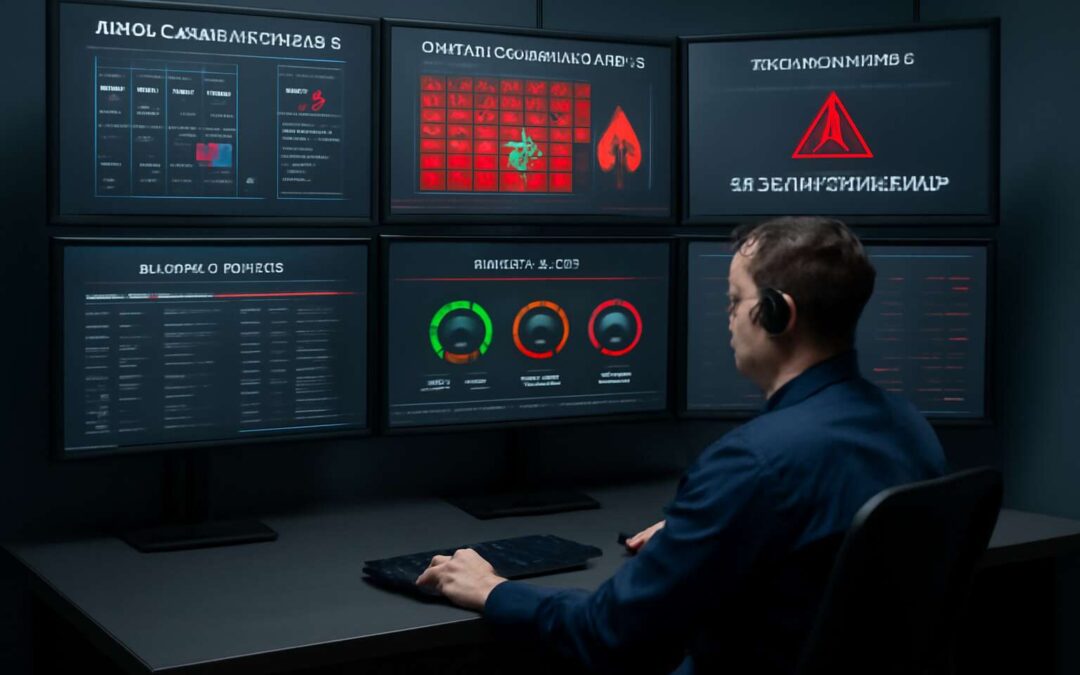
Understanding Fire Alarm Monitoring Services means seeing more than sirens. It means 24/7 surveillance, verification calls, and automatic dispatch to fire services or on-site teams. With redundant communication paths and real-time data, facilities stay protected even during power outages.
- 24/7 monitoring by trained operators
- Instant alerts to fire services and on-site staff
- Automatic dispatch and verification to reduce false alarms
That calm, methodical approach marks the hallmark of a true fire alarm monitoring company.
How Detection, Transmission, and Alarm Response Works
For a fire alarm monitoring company operating in South Africa, a monitored signal can shave minutes off emergency response times—enough to save lives and property. Understanding fire alarm monitoring services means tracing how detection, transmission, and alarm response weave behind the scenes of a safety network.
Detection relies on a tapestry of sensors: smoke detectors, heat detectors, flame sensors, and air-flow signals. These elements feed a single heartbeat—data that distinguishes a real threat from nuisance alarms and triggers rapid analysis within the system.
Transmission relies on redundancy and diverse channels so a single outage can’t sever the line. This is the hallmark of a professional fire alarm monitoring company, where cellular, radio, and IP paths back each alert to a central desk, and operators verify and dispatch.
- Detection cues are correlated into a trusted signal.
- Transmission routes deliver that signal to the monitoring desk.
- Alarm response coordinates verification and dispatch.
Types of Monitoring Solutions (Local vs Remote)
Every minute matters in a blaze; in South Africa, monitored alarms can translate into precious minutes saved for both people and property. A fire alarm monitoring company bridges on-site sensors with the human touch of a dedicated monitoring desk, offering clarity where chaos could reign. When we talk about monitoring solutions, we mean choices between local and remote oversight and the rhythm each heartbeat follows.
- Local monitoring shines with immediate on-site visibility. Onsite control panels and nearby receiving centers provide rapid, tactile responses and can be essential for facilities with strict data residency needs.
- Remote monitoring, by contrast, rides the cloud and nationwide networks, letting central operators verify a signal from afar, dispatching teams with precise directions.
- The blend of both worlds—a hybrid approach—often yields continuous vigilance.
Industries Benefiting from Monitoring Services
Fire can double in size roughly every 30 seconds, a reminder that minutes matter more than money when safety is at stake. In South Africa, a well-tuned fire alarm monitoring company translates that urgency into practiced calm—on-site sensors joined with a watchful desk, translating alarm chatter into decisive steps.
Industries benefiting from monitoring services run the gamut from retail to heavy industry, but here are three that gain the most steadiness:
- Hospitality, retail, and shopping centres
- Manufacturing and logistics facilities
- Education campuses and healthcare providers
This vigilant rhythm supports compliance, reduces downtime, and protects the people and assets that keep South Africa’s economy moving.
Choosing the Right Monitoring Provider
Assessing 24/7 Uptime and Rapid Response Times
Finding the right fire alarm monitoring company means more than a badge on the wall. In South Africa, businesses that partner with round-the-clock monitoring report faster incident resolution and less downtime—crucial when hours count and every minute matters.
Assessing uptime means looking beyond the alert itself. Consider these factors to compare providers:
- 24/7 operations center with redundant connections
- local technicians reachable for on-site support
- transparent response time commitments
- compliance with SA safety standards and vendor certifications
When weighing options, compare SLAs, maintenance options, and the provider’s local footprint. This fire alarm monitoring company earns trust through steady presence, quick escalation, and honest communication—qualities that keep rural and urban customers secure when the weather turns and the alarms ring.
Evaluating Monitoring Technologies and Protocols
Speed is credibility in fire safety, and as one SA safety officer likes to quip, “Response time is revenue protection.” A capable fire alarm monitoring company earns trust by testing more than sensors—it tests transmission resilience, encryption, and escalation protocols.
Consider these attributes:
- Redundant transmission paths (IP, cellular, satellite where needed)
- End-to-end encryption and secure authentication
- Two-way communication and remote diagnostics
- Interoperability with existing systems and SA safety standards
Ultimately, the right partner blends solid tech, transparent SLAs, and a local footprint that stays visible when storms roll in. You’ll sleep easier knowing the signal, the route, and the response are sound.
Experience and Reputation of the Provider
Two minutes can determine destiny when alarms flash. A nimble fire alarm monitoring company earns trust not by loud boasts, but by quiet reliability—proof that staff, tenants, and managers sleep a little easier knowing someone is watching.
Experience and reputation aren’t abstract attributes; they show up as consistent performance, transparent reporting, and a local cadence that won’t falter when storms roll in.
- Proven response histories and verified client feedback
- Transparent SLAs and open performance reporting
- Active local presence with technicians on call
In South Africa, regulatory alignment and SA safety standards matter as much as a slick dashboard. Choose partners whose references stretch beyond logos to real, on-site support and dependable escalation paths.
Support and Customer Service Excellence
Every siren is a story of seconds saved. In South Africa, where storms roll in and power lines falter, choosing the right fire alarm monitoring company isn’t a luxury—it’s life. I’ve watched premises settle into a deeper breath when someone is watching, especially through long rural nights.
Support and customer service excellence aren’t afterthoughts; they are the backbone. A true partner offers on-call presence and clear, ongoing communication that feels less like a sprint and more like a trusted compass. The difference isn’t only in response time, but in the tone and steadiness that accompanies it.
- 24/7 monitoring with transparent escalation
- Open, proactive reporting and accessible SLAs
- Local technicians who understand the site and community
In SA, regulatory alignment and safety standards matter as much as dashboards that gleam. Look for a partner whose references extend beyond logos to real, on-site support and dependable escalation paths.
Key Features and Capabilities of Modern Monitoring
Real time Alerts and Incident Management
In South Africa, seconds count when a fire breaks out; delayed alerts can turn a close call into a catastrophe. Modern monitoring translates those seconds into swift, decisive actions!
Real-time alerts reach guardians via SMS, push, and voice calls, with intelligent escalation if no acknowledgment. This is essential for a fire alarm monitoring company seeking to minimize downtime and protect lives.
Key features and capabilities include:
- Real-time multi-channel alerting (SMS, push, voice)
- Automated incident escalation and routing
- Geolocation tagging and asset mapping
- Remote diagnostics and status dashboards
- Comprehensive audit trails and regulatory reporting
For South African sites, this seamless integration supports rapid response by local responders, municipal authorities, and certified installers—a workflow prized by any fire alarm monitoring company operating in the region.
Two way Communication and Remote Diagnostics
Two-way communication and remote diagnostics turn a fire alarm signal into a coordinated response, a practical edge in South Africa where seconds decide outcomes. Modern monitoring lets responders query sensor status, verify device health, and push updates in real time—without needless site visits. For a fire alarm monitoring company, this translates to faster fault isolation and swifter restoration of protection.
- Faster fault localization without on-site visits
- Proactive maintenance through device health analytics
- Regulatory-ready reporting and logs for audits
These capabilities keep critical sites compliant and ready, with the human element guiding every action.
Integration with Building Management Systems
In a climate where seconds decide outcomes, every sensor becomes a chorus in a larger symphony of safety. As a fire alarm monitoring company, we design Building Management System integrations that turn alarms into coordinated action, with dashboards that speak in clear, real-time language and silence the guesswork.
- Unified dashboards that fuse fire panels, HVAC, and access systems for a single view
- Real-time event correlation to accelerate incident response
- Predictive maintenance with device health analytics to prevent faults
- Regulatory-ready logs and audits aligned to South African standards
With these capabilities, modern monitoring becomes a quiet guardian—proactive, precise, and compliant, guiding human vigilance rather than overshadowing it.
Data Security and Compliance Features
Data security shapes the pace of safety. In a landscape where milliseconds decide outcomes, real-time dashboards translate alarms into decisive action, and studies show real-time monitoring can shave incident response times by as much as 30%. Protective layers—encryption at rest and in transit, plus multi-layered access controls—keep sensitive insights from drifting into the wrong hands, allowing operators to correlate events without sacrificing privacy.
For a fire alarm monitoring company, architecture must balance resilience with crystal-clear visibility.
- End-to-end encryption and secure cloud transport
- Role-based access control and multi-factor authentication
- Immutable audit trails and regulatory-ready logs
Beyond protection, governance becomes a steady companion to human vigilance. Regulatory-ready records and privacy-compliant handling align with POPIA and South African standards, supporting automated data-retention policies, breach-notification readiness, and transparent data lineage. The result is a system that preserves speed while ensuring accountability.
Compliance, Certifications, and Security Considerations
Industry Standards and Certification Benchmarks
Compliance is a compass carved in steel, guiding every circuit and sensor through the corridors of risk. As a fire alarm monitoring company, codes are not mere pages but guardians of trust, ensuring every alert lands with precision in South Africa’s evolving safety landscape. In emergencies, seconds count—rapid response can cut damage by up to 70%.
- NFPA 72: National Fire Alarm and Signaling Code
- ISO/IEC 27001 Information Security Management
- ISO 22301 Business Continuity Management
- Local South African safety regulations and building codes
Security considerations ripple beyond hardware, demanding governance, audits, and resilient data handling. Encrypted transmissions, role-based access, and regular testing keep the dark at bay. Certification benchmarks require ongoing training, documented incident response, and transparent reporting—proof that protection and performance walk hand in hand.
Audit and Compliance Documentation
Compliance is not a checkbox; it’s a steel compass guiding every sensor and signal through South Africa’s risk corridors. A fire alarm monitoring company aligns with NFPA 72: National Fire Alarm and Signaling Code, ISO/IEC 27001 Information Security Management, ISO 22301 Business Continuity Management, and local safety regulations and building codes to earn trust that transcends momentary alarms. In emergencies, seconds count, and governance keeps performance steady, turning promises into practice.
- NFPA 72: National Fire Alarm and Signaling Code
- ISO/IEC 27001 Information Security Management
- ISO 22301 Business Continuity Management
- Local South African safety regulations and building codes
Security considerations ripple beyond hardware into governance. Encrypted transmissions, role-based access, and regular testing keep threats at bay. Audit trails, documented incident response, and transparent reporting form the backbone of trust for the fire alarm monitoring company operating in South Africa.
Data Privacy and Cybersecurity Measures
In South Africa, a measured fire alarm monitoring company can shave emergency-response times by up to 40%, turning seconds into savable outcomes.
Compliance anchors every signal and keeps governance airtight. International and local standards guide certification and trust, including:
- NFPA 72: National Fire Alarm and Signaling Code
- ISO/IEC 27001 Information Security Management
- ISO 22301 Business Continuity Management
- Local safety regulations and building codes
Security considerations extend beyond hardware into people and process. Encrypted transmissions, role-based access, and regular testing keep threats at bay. For a fire alarm monitoring company operating in South Africa, audit trails, documented incident response, and transparent reporting form the backbone of trust in the system’s resilience.
Physical and Network Security of Monitoring Centers
Seconds count in emergencies; in South Africa, a fire alarm monitoring company can shave response times by up to 40%, turning chaos into action.
Compliance anchors every signal and keeps governance airtight. Global standards guide certification and trust, including NFPA 72, ISO/IEC 27001, ISO 22301, and local safety codes.
Security is built on both physical and network safeguards that protect the heart of monitoring centers.
- Controlled access to monitoring floors with biometric and card-based systems
- Encrypted transmissions and network segmentation to protect data in transit
- Regular vulnerability testing and disciplined incident-response drills
- Comprehensive audit trails and transparent reporting for accountability
With encryption, role-based access, and regular testing, threats are kept at bay. Audit trails and transparent reporting underpin resilience across SA.
Cost, SLAs, and Return on Investment
Pricing Models and Hidden Fees
Every minute counts when a fire alarm triggers; in South Africa, rapid alerting can dramatically cut downtime and protect assets. A minute saved can cut downtime by up to 50%, underscoring why choosing the right fire alarm monitoring company matters!
Costs vary with coverage, equipment, and dispatch services. Look beyond the sticker price to spot hidden fees such as activation charges, annual maintenance, or long-term contract penalties. Transparent pricing keeps risk in check and budgeting predictable.
- Transparent pricing with no surprise add-ons
- Clear SLAs and uptime guarantees
- Flexible terms and scalable features
SLAs define response times and dispatch confirmation; ROI pricing models align costs with measurable outcomes—lower incident costs, insurer credits, and business continuity.
Hidden fees can erode value; seek a model that covers maintenance, testing, and emergency support in a single, predictable package.
Service Level Agreements and Response Commitments
Every minute counts when a fire alarm triggers! For a fire alarm monitoring company, rapid alerting can cut downtime and protect assets in South Africa. Costs hinge on coverage, equipment, and dispatch services, but the real value comes from transparent pricing and predictable budgets.
Return on Investment (ROI) Service Level Agreements are tangible when SLAs map costs to outcomes and response commitments shorten risk windows. Establish a transparent service and pricing model that ties charges to measurable gains.
- Clear response times and dispatch confirmations
- ROI-based pricing tied to incident reduction and insurer credits
- A single, predictable plan that covers maintenance and testing
That bundle translates risk into resilience with robust maintenance and emergency support services.
Measuring ROI and Total Cost of Ownership
Every minute after a fire alarm triggers matters, and in South Africa that urgency shapes protection and budgets alike. For a fire alarm monitoring company, transparent pricing ties costs to real safeguards, turning guesswork into a predictable plan you can trust during audits and renewals.
- Coverage footprint across sites and urban versus rural areas
- Equipment, sensors, and ongoing maintenance readiness
- Dispatch services and emergency response coordination
SLA expectations are anchored by clear response times and dispatcher confirmations, while ROI becomes tangible when pricing aligns with incident reduction and insurer credits. A single, predictable plan that bundles maintenance and testing converts risk into resilience, delivering a transparent Total Cost of Ownership that benefits building owners and operators.
Contract Flexibility and Renewal Options
For a fire alarm monitoring company in South Africa, cost clarity is not just a price tag—it’s a blueprint. We craft transparent pricing that bundles maintenance, testing, and monitoring across urban cores and rural sites, so budgets stay predictable when audits loom.
SLAs set the pace in a practical way. Clear response times, dispatcher confirmations, and escalation steps anchor trust. When incidents occur, it feels like a seasoned partner rather than a vendor, turning alarm events into coordinated action.
- Transparent pricing tiers aligned with site footprint
- Bundled maintenance and testing cadence
- Scalable contracts with renewal options
Return on investment and contract flexibility: pricing aligned with incident reduction and insurer credits. Flexible renewal options keep options open without re-tendering, so clients can scale coverage as properties evolve.
