
Understanding fire alarm glass
What is fire alarm glass and how it works
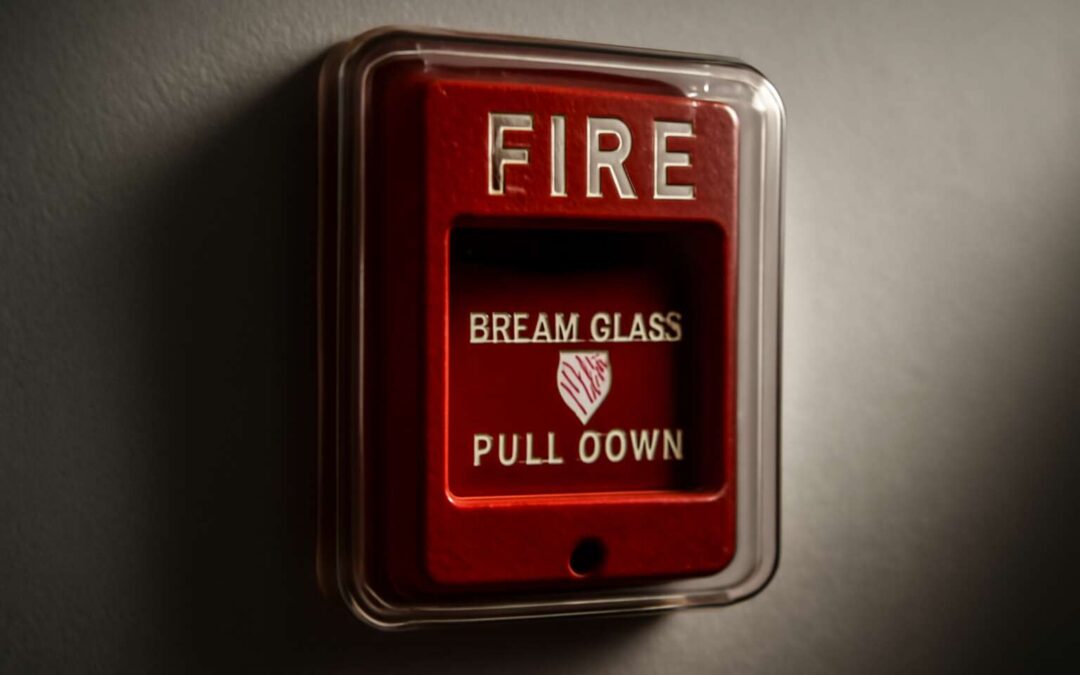
Across South Africa’s urban corridors, fire alarm glass stands as a patient sentinel. This break-glass point is a deliberately brittle pane set into a housing marked ‘break glass’ so evacuation can begin at first contact. When it breaks, the system awakens: alarms wail, lights flare, and a signal travels to the control panel, summoning safety from the shadows.
Behind the pane sits a small switch that senses the glass breaking, sending a signal to the fire alarm control panel. The building answers with sirens and strobe lights, guiding occupants toward safe egress.
- Break-glass point with a detection switch
- Visible tamper seal and break-label for quick inspection
- Automatic alert to the monitoring system and local responders
In South Africa, the reliability of fire alarm glass rests on proper maintenance and compliance with local safety standards. Clear labeling, tamper seals, and routine checks keep this brittle guardian ready, even as time wears on.
Key types of fire alarm glass
Across South Africa’s urban arteries, a brittle pane stands as the quiet sentinel. “The moment glass breaks, the building speaks,” a safety officer once remarked. Understanding fire alarm glass means recognizing how its forms meet different safety needs across venues. The best options balance reliable breakage with occupant safety, offering clear visibility and predictable performance when tension rises and alarms begin to wail.
Key types include:
- Laminated interlayer glass that holds fragments together and minimizes sharp edges when broken.
- Tempered glass designed for rapid, controlled breakage with predictable behavior.
- Ceramic or high-heat-rated glass for environments where temperatures rise quickly and reliably.
How fire alarm glass integrates with safety systems
Across South Africa’s skylines, fire alarm glass does more than frame a view—it keeps time with danger. “The moment glass breaks, the building speaks,” a safety officer once whispered, and the sentiment endures: safety hinges on timely signals and calm alerts in chaos.
It harmonizes with safety systems by relaying signals to the fire alarm control panel, triggering alarms, and coordinating warnings with access controls. It works with detectors, annunciators, and door releases, guiding occupants toward safety as tension rises. The flow is simple but essential—truly.
- Heat and smoke detector synergy
- Controlled door releases and alerts
- System maintenance prompts from the panel
In South Africa, selecting laminated or tempered glass with the right interlayers matters for visibility and resilience. Here in SA, we know regular professional checks ensure the system speaks clearly when alarms wail, avoiding confusion during a crisis!
Benefits of using fire alarm glass in buildings
In a crisis, every second counts; fire alarm glass can shave those seconds by turning danger into quick, readable signals. Across South Africa’s skylines, clear indicators cut through smoke and panic, guiding everyone to safety faster.
It harmonises with safety systems, relaying signals to the fire alarm control panel and coordinating warnings with access controls. Benefits include the following:
- Rapid visual cues for occupants
- Maintained visibility during heat and smoke
- Audit-friendly maintenance prompts from the control panel
In SA, fire alarm glass choices boost visibility and durability when alarms wail, ensuring the message stays clear under changing conditions. Regular checks keep the signal legible and trusted when every moment matters.
Safety standards and compliance for fire alarm glass
Every second whispers a choice between panic and safety. Understanding fire alarm glass safety standards and compliance ensures the message stays legible as heat and smoke redraw the room.
Standards scrutinize design integrity, performance under stress, and clear labeling. Compliance isn’t a hurdle but a framework that harmonises with building codes and architectural intent in SA.
- Design and material specifications
- Performance testing under heat and smoke
- Maintenance and audit trails from the control panel
Audits, certification marks, and supplier traceability reassure owners that safety narratives stay intact. By weaving standards into procurement and installation, the fire alarm glass becomes a steadfast sentinel.
Materials and installation considerations
Glass composition options for alarm systems
We can’t see it until it’s too late. Fire alarm glass sits at the edge of danger, a silent sentinel in South Africa’s corridors that turns alarm into measured action.
Materials and installation considerations for fire alarm glass start with composition. Options include tempered panels for strength and laminated glass with an intumescent interlayer that seals on heat. Proper installation means secure framing and sealed edges to resist smoke intrusion.
For fire alarm glass, three composition options suit different risks: tempered for fracture resistance; laminated with intumescent interlayers for heat containment; and ceramic-fire glass for high-temperature scenarios.
- Tempered glass for resilience
- Laminate with intumescent interlayer
- Ceramic fire-rated glass for extreme heat
Installation and ongoing inspection ensure alignment with safety standards, so the pane remains a transparent shield when fire edges closer.
Laminated versus tempered glass in fire alarm applications
In the corridors of South Africa’s schools and clinics, fire alarm glass stands as a quiet sentinel, a reminder that danger often arrives without fanfare. A single pane can convert a wavering alarm into decisive action when its composition and fit endure the heat and pressure of an emergency.
Laminated glass with an intumescent interlayer contains heat and slows smoke spread, buying precious seconds for evacuation and system response. Tempered glass, prized for its resilience, resists impact and reduces the risk of dangerous shattering, but it’s not a guaranteed heat barrier without the right framing and seals.
- Secure framing and fully sealed edges to resist smoke intrusion
- Material compatibility between interlayers and mounting hardware
- Scheduled inspections and preventative maintenance to preserve performance
A thoughtful choice in glazing, paired with careful installation, becomes a lifeline in moments when ordinary days turn to crisis.
Integration with alarms and sensors
Seconds count when alarms fire,” a safety officer once told me. In South Africa’s busy corridors, fire alarm glass isn’t just glass—it’s a threshold between heat and hope, a barrier that buys time for evacuation and response.
Materials and installation hinge on harmony: glass with heat-responsive interlayers, coatings that resist glare and weathering, and edge finishes that tolerate frequent cleaning. Framing must secure the pane without introducing gaps, and edges must be fully sealed to limit smoke migration. Equally important is the integration with alarms and sensors—ensuring electrical contacts, cable routing, and housings are designed to coexist with the glass without compromising performance.
- Ensure sensor enclosures align with glazing and provide retreat space for wiring
- Use compatible framing and seals to maintain smoke resistance
- Plan for access during inspections and replacements
Together, these choices help fire alarm glass deliver on its promise—safety, reliability, and clarity when danger approaches.
Installation best practices for fire alarm glass
Materials and installation hinge on harmony. In South Africa’s bustling corridors, fire alarm glass isn’t just glass—it’s a safety threshold that buys seconds. The right combination of heat-responsive interlayers, glare-resistant coatings, and edge finishes keeps visibility clear while smoke stays on the sidelines, all while framing and sensors co-exist.
Key considerations include:
- Heat-responsive interlayers that react to heat to preserve integrity
- Coatings that resist glare and weathering for lasting clarity
- Edge finishes and seals that tolerate frequent cleaning and limit smoke migration
- Framing and enclosure alignment to secure the pane without gaps
Integration with alarms and sensors demands careful coordination between glazing and electrical housings, allowing space for wiring while preserving smoke resistance. It also contends with access needs during inspections and replacements, keeping safety and clarity in balance.
Common installation pitfalls to avoid
In South Africa’s busy corridors, fire alarm glass is the quiet sentinel that translates heat into safety. The material choice and installation philosophy must move as one: substrate, interlayer behavior, and framing tolerance coalesce to preserve clarity while withstanding heat, glare, and frequent cleaning. When properly paired with the building’s wiring and sensor housings, this pane becomes more than glass—it is time gained for evacuation and response.
Common installation pitfalls include underestimating thermal movement, neglecting seal durability, and selecting coatings that degrade with South African sun and frequent cleaning.
- Inadequate tolerances that invite stress cracks during temperature swings
- Seals that degrade with cleaning and sun exposure
- Poor optical coatings that glare over time
- Misalignment with frames or housings leaving gaps
Choosing partners who understand South Africa’s conditions and safety aims helps ensure the glass remains resilient and legible.
Maintenance and inspection routines for glass alarms
In South Africa’s busiest corridors, seconds saved at the first sign of heat translate into safer evacuations. A facilities manager once said, “Seconds saved are lives saved.” That quiet guardian—fire alarm glass—speaks in glare and clarity, turning heat into a readable signal amid the rush.
Materials and installation must read as one system. Choose laminated constructions with UV-stable coatings and frames sized to handle heat shifts without dulling sightlines. Durable seals resist cleaning and sun glare, keeping the pane legible as temperatures swing.
Maintenance and inspection routines depend on steady vigilance rather than reactive fixes. Routine professional checks, coating integrity, and seal evaluations help the pane stay a steadfast sentinel through South Africa’s bright sun and heavy traffic.
Applications and regulatory compliance
Commercial and public building uses of fire alarm glass
In South Africa’s bustling commercial spaces, fire alarm glass acts as a quiet sentinel—its transparent strength offering warning without obstructing architecture. From luxury malls to transit hubs, this glazing pairs with sensors to illuminate a path to safety while preserving sightlines and aesthetics. The result is a calm, controlled alarm that speaks through glass more than noise ever could.
Regulatory compliance for commercial and public deployments hinges on local standards, certified testing, and proper installation by qualified professionals. In South Africa, expect adherence to SABS/SA standards and the relevant building regulations, alongside documented maintenance cycles that keep the system resilient.
- Local building codes and fire safety regulations
- Third-party testing and certification for glazing integrity and alarm integration
- Regular inspection and maintenance in line with SA standards
When these elements align, it becomes more than a safety feature—it’s a disciplined architectural choice that respects both function and form.
Regulatory standards and codes for fire alarm glass
In South Africa’s busiest buildings, fire alarm glass is the quiet guardian of safety. It signals danger with clarity, not noise, preserving sightlines from malls to transit hubs. We see the result as a professional, architecture-friendly warning system that upholds both form and function. Compliance here is non-negotiable, dictated by local standards and certified testing, with installation by qualified professionals.
- Alignment with SABS/SA standards and relevant building regulations
- Independent third-party testing for glazing integrity and alarm integration
- Regular, documented inspection and maintenance cycles per SA guidelines
When these elements align, fire alarm glass becomes more than a safety feature—it’s a disciplined design decision that respects space, speed, and stillness in equal measure.
Accessibility and safety considerations
In South Africa’s busiest precincts, a single pane can mean the difference between confusion and clarity. fire alarm glass is deployed in malls, airports, hospitals, and office towers where it must disappear into the architecture while shouting danger in a heartbeat. Practical, precise, and visually quiet, fire alarm glass preserves sightlines even as it coordinates rapid evacuation.
Accessibility and safety aren’t add-ons; they shape placement, interaction, and flow. Consider these touchpoints as the space wakes up to alarm cues:
- Clear sightlines and glare management to keep cues legible from every angle
- Unobstructed egress routes and accessible control points adjacent to alarm zones
- Regular visibility checks and sensor compatibility to ensure reliable operation
Regulatory compliance weaves through every installation in SA: standards alignment, independent verification, and documented maintenance cycles. When this framework is in place, the system becomes more than a warning—it’s a disciplined design choice that respects speed, space, and stillness alike.
Custom design and specification options
From university campuses to government facilities and transit hubs, fire alarm glass shapes environments where safety must coexist with design. It keeps sightlines open while delivering an urgent alert in seconds, turning potential chaos into clear, coordinated action.
Custom design and specification options for fire alarm glass let projects speak with a unified voice.
- Glass type and thickness tailored to openings and impact requirements
- Laminate configurations for security, acoustic control, and glare reduction
- Framing, edge finishing, and hardware matched to interior aesthetics
- Sensor integration and mounting methods that maintain aesthetics without compromising function
Regulatory compliance threads through every SA installation—standards alignment, independent verification, and documented maintenance cycles. With this framework, fire alarm glass is not a constraint but a deliberate design choice that respects speed, space, and stillness alike.
Industry case studies and use scenarios
In South Africa’s busiest campuses and transit arteries, fire alarm glass acts like a quiet sentinel—visible, immediate, unobtrusive. When danger signals erupt, the glass responds with calibrated speed, aligning safety with design so sightlines stay open and coordination stays crisp. This is not a constraint but a deliberate architectural language.
Applications and use scenarios flourish across sectors:
- University campuses and public venues where openness must meet urgent alerts
- Government facilities and transit hubs requiring robust yet elegant protection
- Healthcare complexes and corporate spaces needing glare control and acoustic comfort
Regulatory compliance threads persist—documentation, verification, maintenance cycles—ensuring these installations endure. SA case studies illustrate smoother retrofits, faster emergency responses, and a unified safety voice across diverse environments.
Maintenance, testing, and replacement
Routine inspection checklist for fire alarm glass
In safety terms, timing is everything. Fire alarm glass is often the first thing that tells occupants something is wrong, and in South Africa’s buildings it’s a critical line of defense. Regular attention keeps it ready to perform and reduces nuisance alarms.
Maintenance and testing should occur as part of a building’s routine, focusing on glass condition, frame integrity, and how the unit interfaces with the alarm system. A typical inspection checklist helps keep things aligned with safety standards:
- Visual condition: no cracks, fogging, or hazing in the fire alarm glass
- Seals, frames, and mounting hardware for integrity and corrosion
- Sensor connections and audible/visual indicators linked to the glass
- Replacement planning and stock levels for panes or modules
Replacement decisions balance age, damage, and system compatibility, with records kept for regulatory audits. When in doubt, audits and inspections should be documented to support ongoing safety and compliance.
Testing methods for glass alarms
In South Africa’s bustling commercial spaces, timing is everything. Fire alarm glass may be small, but its integrity can dictate how quickly warnings reach occupants. Regular testing can shave seconds off response time and keep safety on the right side of the buzzer.
Maintenance hinges on solid testing methods that verify more than looks. Testing methods for glass alarms include:
- Functional tests with simulated triggers to confirm fire alarm glass-to-panel communication
- Environmental stress checks for fire alarm glass (humidity, temperature cycling, vibration)
- Visual and seal integrity audits around the fire alarm glass frame and mounting hardware
- Interface verification with audible/visual indicators and confirmation of alarm-panel synchronization
Replacement decisions weigh age and damage, with records kept for audits. When in doubt, audits and inspections should be documented to support ongoing safety and compliance.
Replacement cycles and indicators
In the quiet loom of a building, fire alarm glass keeps watch. Maintenance isn’t a ritual; it’s a vow to uphold integrity. Regular testing keeps its signals in perfect concord with the panel, a small pane that can shave seconds off the warning and keep safety on the right side of the buzzer.
Replacement cycles hinge on age, impact history, and environmental wear. Indicators whisper when it’s time to consider a change:
- Visible cracking or etched haze compromising clarity
- Seal deformation, frame corrosion, or mounting looseness
- Discoloration or clouding that hinders response
- Alarm panel desynchronization or erratic readouts
Documentation and audits ground decisions in South Africa’s safety standards. Records of inspections, replacements, and supplier certifications reassure occupants and regulators alike that fire alarm glass remains a vigilant sentinel.
Repairs and warranty considerations
Maintenance isn’t merely upkeep; it’s a quiet commitment. For fire alarm glass, routine care means gentle cleaning, seal checks, frame alignment, and panel compatibility. Regular visual checks catch cracks or corrosion early.
Testing keeps the system honest. Scheduled functional tests confirm that when fire alarm glass is actuated, the panel responds promptly and enclosures stay secure. Documentation should record dates, technician IDs, and readings, creating an auditable trail for South Africa’s safety standards.
Replacement and repairs hinge on performance and value. When it shows diminished clarity or mounting looseness, engage certified technicians. Warranties vary but typically cover defects for a defined term and require proper installation.
- Warranty scope and duration
- Maintenance requirements to keep coverage valid
Keep invoices and supplier certificates for audits.
Troubleshooting common issues with fire alarm glass
“Protection is the quiet guardian of every building,” as one safety engineer says. In South Africa’s bustling spaces, fire alarm glass stands as a sentinel, and maintenance keeps it vigilant: gentle cleaning, seal checks, frame alignment, and panel compatibility. Regular visual checks catch cracks or corrosion before they speak aloud.
Testing keeps the system honest. Scheduled functional tests ensure that when fire alarm glass is actuated, the panel responds promptly and enclosures stay secure. Documentation should record dates, technician IDs, and readings, creating an auditable trail for South Africa’s safety standards.
- Fogging or condensation inside the pane
- Cracks or chips upon impact
- Frame looseness or mounting misalignment
- Seal or adhesive degradation
Replacement and repairs hinge on performance and value: when clarity diminishes or mounting loosens, engage certified technicians. Warranties vary but typically cover defects for a defined term and require proper installation.
Choosing a provider and ROI
How to evaluate fire alarm glass suppliers
Choosing the right partner for fire alarm glass is more than a purchase; it’s a safeguard that pays dividends. In South Africa, savvy facilities report up to 30% less downtime when supplier support is robust and parts are readily available. A trusted provider will translate complex specs into actionable options and stand behind performance with clear warranties.
- Local support network and rapid on-site service
- Transparent pricing and clear warranty terms
- Consistency in supply and reliable lead times
- Compliance with safety standards and proven performance
ROI from a dependable fire alarm glass installation reveals itself in longer service life, fewer maintenance surprises, and steadier uptime, translating to less disruption and potentially lower insurance costs.
Cost considerations and return on investment
In South Africa’s building scene, downtime costs real money. When selecting fire alarm glass, you’re buying more than glass—you’re buying reliability. Favor a provider with a local support network and rapid on-site service, transparent pricing and clear warranty terms, and consistent stock with predictable lead times.
ROI comes through longer service life, fewer maintenance surprises, and steadier uptime, which means less disruption and potentially lower insurance costs. If parts and service are readily available and warranties are straightforward, the total cost of ownership drops over the life of the fire alarm glass system.
Put simply, the right fire alarm glass partner translates complex specs into dependable performance you can actually rely on day after day.
Certification and quality assurance
Choosing a provider for fire alarm glass is not a fashion statement; it’s a reliability decision masquerading as hardware. In South Africa, downtime costs real money, so align with a partner offering local on-site support, transparent pricing, and clear warranty terms. When certification and robust quality assurance sit at the core, your investment pays dividends in steadier uptime and fewer maintenance surprises.
Look for these certifiable hallmarks:
- Independent certifications and test reports (e.g., SABS) validating performance.
- Clear service level agreements, response times, and repair windows.
- Transparent warranties, with accessible spare parts and documented replacement cycles.
ROI comes alive when a partner embodies these traits; it translates complex specs into dependable performance you can rely on day after day.
Service and support options
In South Africa, downtime costs real money, and the clock never stops. Choosing the right provider for fire alarm glass is a reliability decision masquerading as hardware. With the right partner—local on-site support, transparent pricing, clear warranty terms—the payoff is steadier uptime and fewer maintenance surprises.
ROI comes alive when service and support are proactive, not a series of fire-drill fixes. Look for partners who can mobilize quickly and keep you informed:
- On-site technical capability within your region for rapid response
- Transparent pricing with clear quotes and no surprises
- Warranty terms that spell out replacement cycles and spare parts availability
These traits translate into predictable budgets and dependable performance you can rely on day after day. In the end, a value-forward provider turns certified specs into real uptime.
Sustainability and eco friendly options
Downtime costs can climb into thousands of rand per hour in South Africa, and the clock never pauses for safety. Choosing a fire alarm glass provider is a reliability decision in disguise, where longevity, service ease, and responsible sourcing drive the ROI. A partner that blends robust on-site support with eco-minded manufacturing pays for itself in steadier uptime and fewer surprises.
- Lower embodied energy in production
- Recycled or responsibly sourced materials
- Modular designs for upgrades and extended life
- End-of-life take-back and recycling programs
Seek transparency in life-cycle assessments and supply-chain emissions, and insist on spare-parts availability to avoid premature replacements. Eco-friendly options aren’t a fringe benefit—they’re a budgetary shield and a quiet pledge to the planet, transforming fire alarm glass into a steadfast ally rather than a disposable commodity.
