
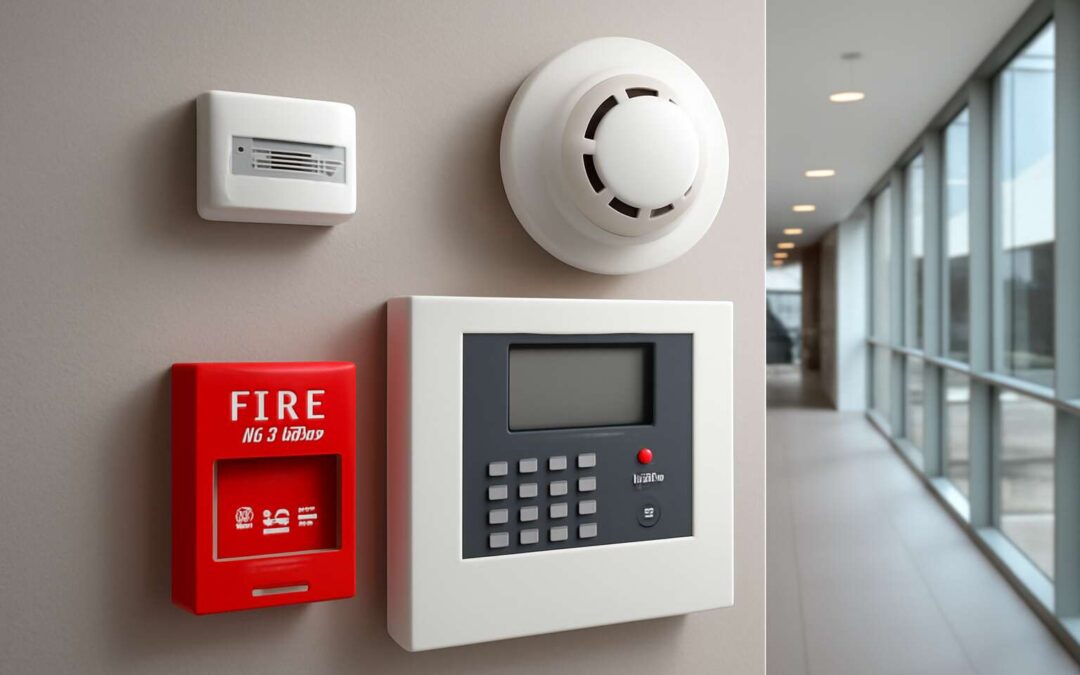
Understanding Fire Alarm System Brands
Types of Fire Alarm Systems – Overview of different system types (conventional, addressable, wireless)
Understanding fire alarm system brands is crucial to ensuring safety and compliance in any building. The market offers a variety of system types, each tailored to different needs and budgets. Recognizing the distinctions between these types can help you make informed decisions that align with your specific requirements.
There are three main categories of fire alarm systems: conventional, addressable, and wireless. Conventional systems are straightforward and cost-effective, making them suitable for smaller premises. They divide the building into zones, with each zone connected to a control panel. When a fire is detected, the corresponding zone is activated, but pinpointing the exact location is limited.
Addressable fire alarm system brands, on the other hand, provide a higher level of precision. These systems assign unique addresses to each device, allowing for pinpoint accuracy in identifying the exact location of a fire. This makes them ideal for larger or more complex structures where quick response times are essential. Wireless fire alarm systems offer flexibility, ease of installation, and are perfect for retrofitting older buildings without extensive wiring. They leverage modern technology to ensure reliable detection with minimal disruption.
- Conventional systems for small, simple layouts
- Addressable systems for detailed, large-scale applications
- Wireless systems for adaptable, quick-install solutions
Choosing the right fire alarm system brands depends heavily on the building’s size, layout, and specific safety needs. Each type has its merits, but understanding their differences helps in selecting an optimal solution that ensures safety without unnecessary expense or complexity.
Importance of Choosing the Right Brand – Factors affecting brand selection and impact on safety
When it comes to safeguarding lives and property, the choice of fire alarm system brands is no trivial matter. A recent survey revealed that over 60% of building safety failures trace back to subpar or incompatible alarm systems—an arresting statistic that underscores the importance of selecting reputable brands. After all, a fire alarm system is only as reliable as the name behind it, and the reputation of fire alarm system brands often correlates with their commitment to quality, innovation, and compliance.
Factors affecting brand selection are myriad, from technological advancements to customer service and certification standards. A well-chosen fire alarm system brand should offer durability, ease of maintenance, and seamless integration with existing safety infrastructure. It’s worth noting that some brands have cultivated a reputation for pioneering wireless technology, while others excel in addressable systems for complex structures. Here are a few considerations that can make or break your decision:
- Product reliability and brand reputation
- Compliance with local safety standards
- Availability of technical support and after-sales service
- Compatibility with building infrastructure and future upgrades
In South Africa, where safety regulations are becoming increasingly stringent, choosing the right fire alarm system brands translates directly to peace of mind. A premium brand can mean the difference between a swift, effective response and a costly oversight—highlighting that in the realm of fire safety, reputation isn’t just a matter of prestige but a vital safeguard against catastrophe.
Top Fire Alarm System Brands in the Market
Bosch Security Systems – Features, innovations, and reputation
Within the realm of fire alarm system brands, Bosch Security Systems stands as a beacon of innovation and reliability. Renowned for pioneering technology that seamlessly blends safety with sophistication, Bosch has carved a niche in the global market—South Africa included. Their fire alarm system brands are celebrated for advanced features such as intelligent detection algorithms and robust network integration, ensuring that even the most intricate security needs are met.
What truly sets Bosch apart is their commitment to continuous innovation. Their systems incorporate cutting-edge innovations like voice evacuation and smart analytics, transforming traditional fire safety into a dynamic, responsive safeguard. With a reputation built on quality and durability, Bosch fire alarm system brands are trusted by countless businesses and institutions seeking unwavering protection. Whether for a bustling commercial hub or a quiet residential estate, Bosch offers a suite of options tailored to diverse safety demands.
- Smart detection capabilities
- Seamless integration with building management systems
- High durability and reliability in diverse environments
Honeywell Fire Safety – Product range and industry standing
Among the top fire alarm system brands commanding global respect, Honeywell Fire Safety stands out as a stalwart of innovation and reliability. With a legacy spanning over a century, Honeywell’s product range is renowned for its cutting-edge technology and unwavering commitment to safety. Their fire alarm system brands are designed to meet the rigorous demands of diverse environments—from sprawling industrial complexes to sensitive healthcare facilities.
Honeywell’s offerings include a variety of systems tailored to specific needs, such as conventional, addressable, and wireless fire alarm solutions. Their industry standing is reinforced by features like advanced smoke detection, smart system integration, and user-friendly interfaces. For instance, their intelligent detectors utilize multisensor technology, providing precise fire detection while minimizing false alarms. This level of sophistication ensures that safety is never compromised.
In addition, Honeywell’s fire alarm system brands often incorporate seamless integration with building management systems, enabling real-time monitoring and swift response. Whether installed in commercial skyscrapers or residential estates, Honeywell’s trusted reputation in the fire safety sector makes it a preferred choice across South Africa. Their relentless pursuit of innovation and quality cements their position among the leading fire alarm system brands today.
Tyco Fire & Security – Specialties and technological advancements
In the realm of fire safety, few names evoke the same level of trust and technological prowess as Tyco Fire & Security. Known for pushing the envelope, this brand has become synonymous with innovative fire alarm system brands that seamlessly blend sophisticated detection with robust engineering. Their systems are not just about alerting; they’re about preempting disaster with precision and flair.
Tyco’s specialties lie in integrating cutting-edge technology that elevates fire safety to an art form. Their offerings include smart addressable systems that provide detailed insights into the exact location of a fire, ensuring rapid response times. Moreover, their wireless fire alarm solutions cater to environments where traditional wiring proves cumbersome, proving that adaptability is key in this ever-evolving landscape.
What truly sets Tyco apart among fire alarm system brands is their focus on technological advancements. Features like integrated voice evacuation, remote monitoring, and real-time diagnostics ensure that safety is never compromised. As the world tilts increasingly toward automation, Tyco’s innovative approach ensures that their fire alarm systems remain at the forefront of industry standards, especially in markets like South Africa where reliability is paramount.
Notifier by Honeywell – Unique offerings and advantages
Among the top fire alarm system brands, Notifier by Honeywell stands out for its unwavering commitment to safety and innovation. Renowned for delivering reliable, high-performance solutions, Notifier has become a trusted name in both commercial and industrial sectors across South Africa. Their systems are meticulously engineered to provide comprehensive protection, ensuring that every alarm is swift and accurate, even in the most demanding environments.
What truly sets Notifier apart is its extensive product range tailored to diverse needs. From conventional fire alarm systems to advanced addressable solutions, their offerings cater to facilities of all sizes. Notifier’s innovative features include integrated voice evacuation, fire control panels with remote diagnostics, and intelligent detection sensors that minimize false alarms. This versatility gives businesses the edge in maintaining safety without compromising on efficiency.
- High reliability in critical moments
- Ease of integration with existing security infrastructure
- Customizable configurations for varied environments
In a landscape where safety standards continually evolve, Notifier remains at the forefront, making it a preferred choice among fire alarm system brands for those who prioritize peace of mind and technological excellence. Their commitment to durability and precision makes them an indispensable partner for safeguarding lives and assets in South Africa’s diverse settings.
Siemens Fire Safety – Market presence and system capabilities
Siemens Fire Safety commands a formidable presence in the South African market, renowned for its unwavering commitment to safeguarding lives and property. Their fire alarm system brands are a testament to cutting-edge engineering, blending reliability with innovative technology. With a history rooted in precision and durability, Siemens offers solutions that seamlessly integrate into complex security infrastructures, ensuring comprehensive protection in a variety of environments.
One of the notable strengths of Siemens fire alarm system brands lies in their adaptability. Whether deploying conventional systems for smaller facilities or advanced addressable networks for sprawling industrial complexes, Siemens caters to diverse safety needs. Their systems are designed with scalability in mind, making them a preferred choice among safety professionals seeking robust and future-proof solutions.
Furthermore, Siemens excels in remote diagnostics and user-friendly interfaces, allowing quick maintenance and minimal downtime. This focus on reliability and ease of use elevates their fire alarm system brands above many competitors. In a landscape where safety standards are constantly evolving, Siemens remains a pillar of technological excellence, embodying a commitment to human safety that resonates deeply in South Africa’s dynamic markets.
MSC Fire & Security – Emerging brands and niche players
In the ever-evolving landscape of fire safety, emerging brands and niche players are carving out a significant space within the South African market. MSC Fire & Security exemplifies this shift, introducing innovative fire alarm system brands that challenge conventional paradigms. Their offerings often target specialized environments, where bespoke solutions demand precision and flexibility. These brands are not just new faces; they are catalysts for technological disruption, pushing the boundaries of what fire alarm systems can achieve.
What sets MSC Fire & Security apart is their focus on agility and customization. Their fire alarm system brands often feature cutting-edge wireless and hybrid solutions that cater to complex, layered security needs. As industries grow more intricate, these brands deliver systems that are not only scalable but also deeply integrated with broader security infrastructure. This synergy ensures that safety measures remain robust, adaptable, and ahead of regulatory standards.
Among the most compelling aspects of these emerging brands are their emphasis on intuitive interfaces and remote diagnostics. Such features minimize operational downtime and streamline maintenance — a critical advantage in high-stakes environments. For safety professionals seeking niche fire alarm system brands that combine innovation with reliability, MSC Fire & Security’s offerings stand out as a testament to the future of fire safety in South Africa.
Features to Consider When Comparing Fire Alarm System Brands
Reliability and Certification – Standards like UL, NFPA compliance
Reliability and certification are the bedrock of any trustworthy fire alarm system brand. When choosing among fire alarm system brands, it’s essential to scrutinize their adherence to industry standards such as UL (Underwriters Laboratories) and NFPA (National Fire Protection Association) compliance. These certifications aren’t just bureaucratic hoops; they signify rigorous testing for safety, durability, and performance, ensuring the systems can withstand South Africa’s unique environmental challenges.
A reputable fire alarm system brand should also demonstrate consistent reliability, with a proven track record of early detection and minimal false alarms. Look for brands that are certified to meet international standards, as this indicates a commitment to quality and safety. For instance, systems that comply with UL standards are tested for fire safety and electrical integrity, providing peace of mind for both commercial and residential applications.
In the competitive landscape of fire alarm system brands, certifications act as a vital marker of trustworthiness, affirming that the system has passed stringent safety protocols and is built to protect lives and property effectively.
Integration Capabilities – Compatibility with existing systems
When evaluating fire alarm system brands, integration capabilities often tip the balance between a good system and a truly seamless safety network. Compatibility with existing systems is essential, especially in environments where upgrading without disruption is a priority. A fire alarm system that easily integrates with your current security infrastructure not only saves time but also enhances overall safety. Imagine a system that communicates effortlessly with your building management system, ensuring a swift response to any emergency — that’s the hallmark of a top-tier fire alarm system brand.
Compatibility extends beyond mere communication. It involves adherence to open protocols, ensuring future scalability and flexibility. Many leading fire alarm system brands now support standards like BACnet or LonWorks, making integration with other building automation systems smooth and reliable. This interconnectedness allows for centralized monitoring, faster incident response, and holistic safety management. When comparing brands, look for those that prioritize interoperability — it’s a quiet but vital sign of technological sophistication and commitment to your safety.
In the pursuit of the perfect fire alarm system, integration capabilities are not just a convenience—they are a safeguard. A system that harmonizes with your existing infrastructure can transform how emergencies are handled, turning chaos into coordinated action. In South Africa’s diverse environments, where buildings range from high-rises to sprawling complexes, such compatibility ensures a resilient shield against fire hazards. The best fire alarm system brands recognize this need and engineer their systems for seamless compatibility, elevating safety from mere compliance to true peace of mind!
Ease of Installation and Maintenance – User-friendly design and support
When assessing fire alarm system brands, ease of installation and ongoing maintenance emerge as critical factors that can make or break your safety infrastructure. A user-friendly design reduces installation time, minimizing disruption and allowing your team to focus on other essential safety measures. Additionally, systems that support straightforward maintenance ensure that your fire alarm system remains reliable year after year, without the need for complex procedures or specialized tools.
Leading brands understand that simplicity isn’t just about initial setup — it’s about long-term reassurance. Some fire alarm system brands incorporate intuitive interfaces and modular components, making troubleshooting and routine checks less cumbersome. This approach not only saves costs but also guarantees continuous performance, especially vital in South Africa’s diverse environments where quick responses can prevent disaster.
When comparing fire alarm system brands, look for those that offer comprehensive support and clear documentation. A system designed with ease of installation and maintenance in mind demonstrates a commitment to both safety and operational excellence. After all, a seamless blend of sophistication and simplicity is what transforms a good system into a trusted cornerstone of building safety.
Alarm Types and Sensitivity – Range of detection options
When comparing fire alarm system brands, understanding the variety of alarm types and their sensitivity is paramount. Different environments demand tailored detection options—smoke, heat, carbon monoxide, or multi-sensor devices—all with varying sensitivity levels. For instance, a highly sensitive system might detect smoldering fires early, but could also trigger false alarms in dusty or humid settings. Conversely, less sensitive detectors might miss early signs, risking safety.
Some fire alarm system brands offer advanced alarm types, including hybrid systems that combine multiple detection methods. These innovations ensure comprehensive coverage, especially in complex South African buildings where environmental factors fluctuate. Additionally, the range of detection options can influence system responsiveness and false alarm rates, making it crucial to choose a brand that balances sensitivity with reliability.
Choosing the right detection technology from reputable fire alarm system brands can be the difference between swift response and disastrous oversight. It’s not just about choosing a brand that’s popular; it’s about selecting one that offers versatile, high-sensitivity alarm types tailored to your specific needs.
Wireless vs Wired Systems – Pros and cons of each technology
When comparing fire alarm system brands, understanding whether to choose a wireless or wired system is crucial. Each technology boasts unique advantages and drawbacks suited to different environments. Wireless systems are quick to install and highly flexible, making them ideal for buildings where retrofitting is necessary. However, they can be vulnerable to interference and may require regular signal checks. On the other hand, wired systems are renowned for their reliability and stability, especially in large or permanent structures. They often integrate seamlessly with existing infrastructure but can be costly and disruptive to install initially.
In South Africa, where building layouts vary widely, selecting the right technology hinges on your specific needs. Some brands offer hybrid solutions, combining the best of both worlds for optimal coverage. Here’s a quick overview:
- Wireless systems excel in adaptability and ease of installation.
- Wired systems provide unmatched reliability and security against false alarms.
Choosing between these options depends on your priorities—speed of deployment versus long-term dependability. The right fire alarm system brands will offer comprehensive support and innovative features to match your environment’s demands. Ultimately, whether wireless or wired, the goal remains the same: safeguarding lives with dependable, high-quality fire alarm system brands.
Factors Influencing Brand Selection
Budget and Cost of Ownership – Initial investment and long-term expenses
Choosing the right fire alarm system brands often hinges on understanding both the initial investment and the long-term costs. While some brands may seem more affordable upfront, hidden expenses can quickly escalate as maintenance, upgrades, and replacement parts come into play.
Long-term expenses include consistent monitoring, periodic testing, and eventual system upgrades to meet evolving safety standards. For example, wireless fire alarm system brands tend to have lower installation costs, but they might incur higher replacement or battery replacement costs over time. Conversely, wired systems, although more costly initially, often prove more economical in the long run due to durability and lower maintenance needs.
When evaluating different fire alarm system brands, consider the total cost of ownership. This comprehensive approach ensures that safety isn’t sacrificed for short-term savings, ultimately providing more reliable protection for your premises.
Customer Support and Service – Availability of technical assistance
When selecting the ideal fire alarm system brands for your premises, the caliber of customer support and service can make all the difference. Reliable technical assistance ensures swift resolution of issues, minimizing downtime and safeguarding lives. A brand with a dedicated support team and prompt response times exemplifies commitment to safety and customer satisfaction.
Moreover, consider the availability of comprehensive training and documentation. Brands that invest in user education empower clients to conduct routine testing and maintenance confidently, reducing dependence on costly professional interventions. Such support not only prolongs system lifespan but also enhances operational efficiency.
In South Africa, where the safety landscape demands resilience and adaptability, the reputation of fire alarm system brands for after-sales service is paramount. They often offer tailored support packages that include on-site repairs, remote diagnostics, and regular system updates. These elements collectively reinforce the trustworthiness of a brand, making it a vital factor in your decision-making process.
Warranty and Spare Parts – Coverage and availability
In the shadowed corridors of safety, the durability of your fire alarm system hinges on the assurance of readily available warranty and spare parts. A brand’s commitment to maintaining a robust inventory of replacement components can mean the difference between swift repair and prolonged vulnerability. When selecting fire alarm system brands, consider how comprehensive their coverage is—do they offer timely access to essential spare parts, or does the search for replacements become a game of patience and desperation?
In South Africa’s unpredictable safety landscape, trusted brands often provide an array of support options—on-site repairs, remote diagnostics, and regular system updates—ensuring that your investment remains resilient against the ravages of time and wear. An ordered list of key factors to evaluate might include:
- Availability of genuine spare parts
- Coverage duration of warranties
- Ease of obtaining replacements locally or through authorized distributors
Choosing fire alarm system brands that prioritize these elements fosters peace of mind, knowing that your safety system is built with longevity and reliability in mind—the kind of assurance that echoes through the darkest nights, when the true worth of a brand is revealed in moments of crisis.
Brand Reputation and Reviews – Customer feedback and industry recognition
When it comes to selecting fire alarm system brands, reputation and customer reviews carry immense weight. In South Africa’s dynamic safety landscape, a brand’s standing can often speak louder than technical specifications alone. Trusted brands often garner positive feedback from users who have experienced their reliability firsthand, especially during critical moments. Industry recognition, such as awards or certifications, further cements a fire alarm system brand’s credibility, providing reassurance that it meets rigorous safety standards.
Additionally, examining customer feedback reveals insights into the real-world performance of these brands. For example, a fire alarm system brand praised for top-notch customer service and swift response times often proves more dependable. Such testimonials can illuminate how well a brand handles support and maintenance, essential factors in ensuring long-term safety. Overall, the reputation and reviews surrounding fire alarm system brands serve as a vital compass, guiding consumers toward choices that blend safety, durability, and peace of mind in South Africa’s unpredictable environment.
Future Trends in Fire Alarm System Brands
Smart Fire Alarm Systems – Integration with IoT and smart home technology
As the world hurtles toward an increasingly interconnected future, fire alarm system brands are embracing the transformative potential of IoT and smart home technology. This integration signifies more than just convenience; it’s a leap toward proactive safety management. Imagine a fire alarm system that not only detects smoke but also communicates seamlessly with your smart devices, providing real-time alerts and diagnostics—this is the frontier of future-proof fire alarm system brands.
Smart fire alarm systems leverage cloud connectivity, enabling remote monitoring and control via smartphones or centralized security platforms. This evolution enhances reliability, allowing for instant updates and maintenance alerts, reducing downtime and ensuring optimal performance. The advent of AI-driven detection algorithms further refines sensitivity, minimizing false alarms while maximizing safety. As these innovations become more prevalent, choosing fire alarm system brands that prioritize IoT compatibility and user-centric design will be crucial for safeguarding residential and commercial spaces alike.
- Enhanced interoperability with other security systems
- Increased customization for specific safety requirements
- Greater scalability for expanding fire safety networks
In South Africa, where safety standards are continually evolving, integrating these advanced fire alarm system brands into existing infrastructure offers a significant advantage. The future lies in intelligent, interconnected systems that not only detect danger but also communicate safety protocols dynamically—ensuring peace of mind in an increasingly complex world.
AI and Machine Learning – Enhanced detection and response
In the shadowy realm of fire safety, the future is not merely bright—it’s intelligent. Fire alarm system brands are increasingly harnessing the formidable powers of AI and machine learning to elevate detection and response capabilities to an almost supernatural level. These advancements mean that systems can now decipher the faintest whispers of smoke or heat, distinguishing genuine threats from false alarms with uncanny precision.
Imagine a fire alarm system that learns from its environment, adapting its sensitivity in real-time to prevent unnecessary disruptions while remaining vigilant against danger. This dynamic intelligence allows for swift, automated responses—activating sprinklers, notifying emergency services, and even communicating directly with occupants—without human intervention. It’s a dance of algorithms and sensors, orchestrated to safeguard lives and property with relentless accuracy.
As the technology matures, it is becoming clear that the most innovative fire alarm system brands are those that embed this AI-driven evolution into their core offerings. The integration of machine learning not only enhances detection but also refines response strategies, ensuring that each system becomes a sentinel of reliability. In the labyrinthine corridors of modern buildings, where complexity grows daily, this emergent tech is revolutionizing safety protocols.
- Advanced pattern recognition to identify early signs of danger
- Continuous learning to adapt to changing environmental conditions
- Predictive analytics to anticipate potential hazards before they escalate
In South Africa’s landscape of rising safety standards, embracing these future trends in fire alarm system brands becomes more than a choice—it’s an imperative. These intelligent systems weave a web of vigilance that not only detects threats but also preempts them, creating a tapestry of protection in a world that often feels unpredictable and dark.
Wireless and Remote Monitoring – Advancements in connectivity
The future of fire alarm system brands is illuminated by seamless connectivity, where wireless and remote monitoring redefine the landscape of safety. Advancements in wireless technology have propelled fire alarm systems into a new era—one where instant communication and real-time data are no longer luxuries but essentials. Imagine a building that sends alerts directly to your smartphone or security center, no matter where you are—this is not science fiction but the evolving reality of modern fire alarm system brands.
Enhanced connectivity ensures that fire detection is faster and more reliable than ever before. With remote monitoring capabilities, facility managers can oversee multiple sites effortlessly, receiving instant notifications of any anomalies. This not only minimizes response times but also optimizes maintenance schedules, ensuring systems remain at peak performance. These innovations are particularly vital in South Africa, where increasing safety standards demand resilient and adaptable solutions.
In the realm of fire alarm system brands, those integrating cutting-edge wireless and remote monitoring features stand out. They craft a web of vigilance—empowering users to maintain peace of mind with the flick of a finger. As technology advances, expect more sophisticated, interconnected systems that anticipate issues before they escalate, safeguarding lives and property with unprecedented precision.
Eco-Friendly and Sustainable Solutions – Energy-efficient components and design
As the world pivots toward sustainability, the future of fire alarm system brands is increasingly rooted in eco-friendly innovation. Energy-efficient components and thoughtfully designed systems are not merely trend-driven but essential for a resilient, responsible approach to safety. These brands are reimagining how fire detection can coexist with environmental stewardship—reducing power consumption without compromising performance.
Leading fire alarm system brands are now integrating renewable materials, low-energy sensors, and intelligent power management. This evolution ensures that buildings—especially in South Africa, where energy resources are often stretched—operate with minimal ecological impact. A focus on sustainability also means reducing waste through longer-lasting components and improved repairability, which ultimately lowers the total cost of ownership.
- Utilizing renewable energy sources for standalone alarm units
- Designing systems that adapt seamlessly to energy-efficient building standards
- Incorporating smart power management to optimize system performance
As these innovations gain momentum, it’s clear that the most forward-thinking fire alarm system brands are not just safeguarding lives—they are championing a greener planet. This shift toward eco-conscious solutions reflects a profound understanding: true safety extends beyond immediate danger, encompassing the health of our environment and future generations. In South Africa’s unique landscape, where resource conservation is vital, these sustainable systems are not just an option—they’re a necessity.
