
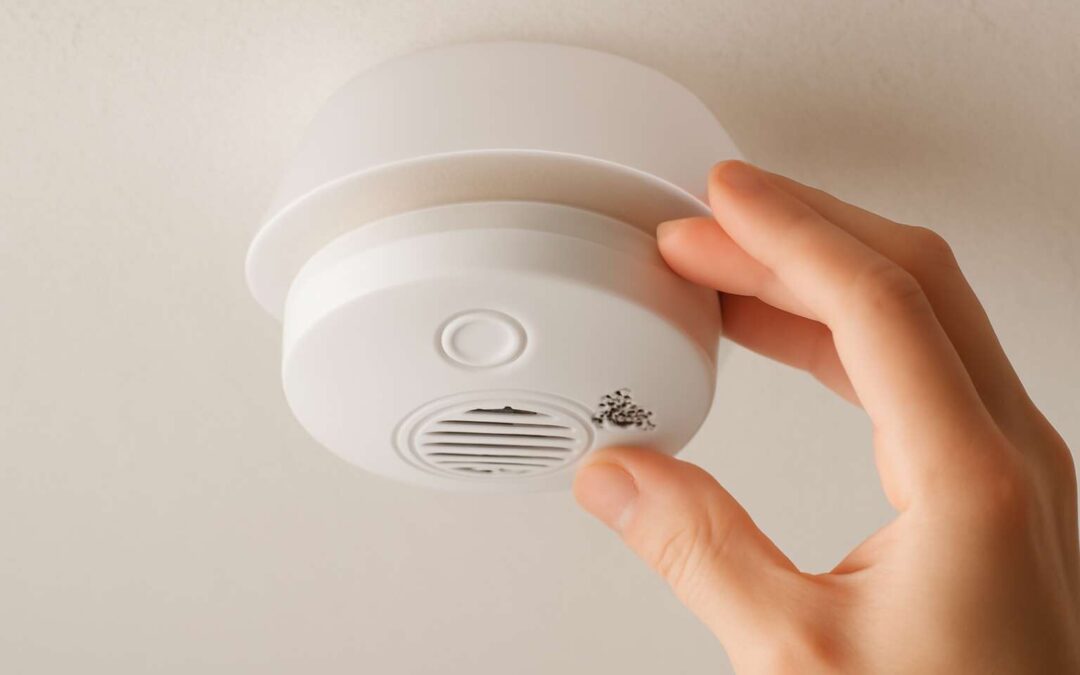
Understanding Fire Alarm Systems and Regulations
Overview of Fire Alarm Types
Fire alarm systems are the silent guardians of our safety, yet their complexity can often evoke curiosity—particularly when questions like, “can you cover a fire alarm?” arise. Understanding the intricate landscape of fire alarm systems is vital, especially within the context of South African safety regulations. These systems come in various types, each designed to serve specific environments and needs. From conventional alarms to sophisticated addressable systems, the diversity ensures tailored protection for every space.
In South Africa, fire alarm regulations emphasize both functionality and compliance. Covering a fire alarm might seem like a simple act, but it can compromise the entire safety network. For instance, certain types of alarms—such as smoke detectors and heat sensors—are essential components that must remain unobstructed to function correctly. The regulations often specify that any modification, including covering, must be approved by certified fire safety authorities. Understanding the different fire alarm types is fundamental, especially when considering whether it’s permissible to cover a fire alarm in your premises.
Legal and Safety Regulations
Fire alarm systems are vital for protecting lives and property, especially in South Africa where safety regulations are strict. Yet, many wonder, can you cover a fire alarm without risking compliance or safety? The answer isn’t straightforward. Fire alarms are designed to detect smoke, heat, or flames and alert occupants immediately. Covering them can block these signals, rendering the system ineffective and potentially illegal.
South African safety regulations emphasize that fire alarm components must remain accessible and unobstructed. Covering a fire alarm, whether to prevent false alarms or for aesthetic reasons, often violates these rules. Certified fire safety authorities typically prohibit covering alarms unless explicitly approved. It’s essential to understand that tampering with fire alarms can compromise entire safety systems, increasing risk during emergencies.
To ensure compliance, consider whether the fire alarm type requires regular maintenance or specific clearance. Some systems, like heat sensors or smoke detectors, are crucial safety devices that should never be covered. Always consult with professionals before making modifications to fire alarm systems, and remember—covering a fire alarm can do more harm than good. Your safety depends on it!
Importance of Proper Fire Alarm Maintenance
Understanding fire alarm systems is not just a matter of knowing which button to press in an emergency; it’s about respecting the intricate dance of safety regulations and technological precision. Fire alarms are the unsung heroes of modern safety, silently working behind the scenes to protect lives and property. But here’s a question that often sparks debate—can you cover a fire alarm? The answer is as complex as trying to solve a Rubik’s Cube in the dark. Covering a fire alarm might seem like a quick fix for false alarms or aesthetic concerns, but it can turn into a wolf in sheep’s clothing, jeopardizing safety and legal compliance.
Proper fire alarm maintenance isn’t just about blowing off dust; it’s a crucial element ensuring the system’s effectiveness. South African regulations emphasize that fire alarm components must remain accessible, not hidden behind a curtain of paint or a fancy decorative cover. Tampering with or covering fire alarms risks rendering them useless when it counts most. Remember, fire safety isn’t a game of hide and seek—it’s about making sure alarms are ready to shout loud and clear in an emergency.
When considering whether to cover a fire alarm, it’s essential to ask yourself: does this device require regular inspection? If so, covering it might delay crucial maintenance checks. For safety devices like smoke detectors and heat sensors, the answer is unequivocal—can you cover a fire alarm? Absolutely not! These devices are the backbone of early detection, and obstructing them could mean the difference between safety and disaster.
Common Reasons People Consider Covering a Fire Alarm
False Alarms and Annoyance
Every year, countless households and businesses grapple with the frustration of frequent false alarms. In bustling South African cities where noise pollution is already high, the persistent blaring of a fire alarm can feel like an invasion of peace. Many wonder, can you cover a fire alarm to mitigate this annoyance without compromising safety? The dilemma often revolves around balancing security with practicality. Some individuals consider covering a fire alarm temporarily to avoid disruptions during events or maintenance, but this raises critical safety questions.
People also ask, “Is it safe or legal to cover a fire alarm?” The reality is that false alarms can be more than just an inconvenience—they can desensitize occupants and delay responses during actual emergencies. While it might seem tempting to hide or cover a fire alarm, especially in scenarios where noise becomes unbearable, it’s essential to understand the potential risks involved. Sometimes, the question isn’t just about can you cover a fire alarm, but whether doing so aligns with safety regulations and best practices. Safety should always take precedence over convenience, yet the desire to reduce nuisance alarms remains a common reason behind these considerations.
Cleaning or Renovation Concerns
Many property owners contemplate covering a fire alarm during specific situations, but understanding the common reasons behind this is crucial. Renovations and deep cleaning often prompt questions about whether can you cover a fire alarm without risking safety. Dust, paint fumes, and debris can trigger false alarms or damage the device if not handled carefully. In such cases, temporarily covering the alarm is seen as a practical solution.
Moreover, during major refurbishments, some might consider covering fire alarms to prevent accidental activations. However, this practice can be risky. It’s vital to remember that fire alarms are designed to be sensitive and reliable. Disabling or covering them can lead to missed alerts during emergencies. So, while covering a fire alarm might seem like a quick fix, it’s essential to weigh safety risks against convenience. Often, professionals advise alternative measures, such as disconnecting alarms temporarily with proper precautions, rather than simply covering them.
Aesthetics and Interior Design
In the world of interior design, aesthetics often clash with safety protocols, leading many to ask—can you cover a fire alarm? The stark reality is that fire alarms are vital safety devices, yet their conspicuous presence can sometimes mar the visual harmony of a space. From sleek minimalist kitchens to modern office interiors, the desire to conceal or soften the appearance of these alarms fuels ongoing debates. While it might seem tempting to hide them behind decorative panels or paint, the question remains—does covering a fire alarm compromise its functionality? The answer isn’t straightforward, but understanding the risks involved is crucial for maintaining safety standards.
Some property owners believe that covering a fire alarm temporarily during renovations or special events can streamline aesthetics. However, professional safety guidelines emphasize that tampering with or obstructing these devices can have serious consequences. In fact, many experts warn that covering a fire alarm might delay critical alerts during an emergency, putting lives at risk. The real challenge lies in balancing visual appeal with unwavering safety compliance, as the question of whether you can cover a fire alarm is more complex than it appears at first glance.
Is Covering a Fire Alarm Legally Allowed?
Legal Restrictions on Covering Fire Alarms
In the realm of safety regulations, the question often arises: can you cover a fire alarm? It’s a nuanced issue, especially in South Africa where fire safety standards are strictly enforced. Covering a fire alarm might seem like a quick fix to reduce false alarms or improve aesthetics, but it’s a legal minefield. Fire alarms are integral to building safety, and tampering with or obstructing them could have serious legal repercussions.
South African law mandates unimpeded access to fire detection systems, emphasizing that covering a fire alarm is generally prohibited unless explicitly authorized by fire safety authorities. Authorities are increasingly vigilant about ensuring that fire alarms are visible, accessible, and functioning properly, recognizing their role in saving lives. Attempting to cover or obscure a fire alarm not only risks legal penalties but also endangers everyone inside the premises. It’s essential to ask yourself: is covering a fire alarm worth the potential consequences? The risk outweighs any perceived benefit, especially considering the moral obligation to prioritize safety over convenience.
Potential Penalties and Fines
In South Africa, the question of can you cover a fire alarm is more than just curiosity—it’s a matter of legal compliance and safety. Authorities take the accessibility and visibility of fire detection systems seriously, recognizing their critical role in saving lives. Covering a fire alarm might seem like a simple way to hide it or reduce false alarms, but the repercussions can be severe. Legally, tampering with or obstructing fire alarms is often considered a breach of safety regulations, risking hefty fines or even criminal charges.
Potential penalties for covering a fire alarm include fines, legal action, or revocation of safety permits. In some cases, offenders could face imprisonment, especially if obstructing fire safety measures leads to injury or damage. The law emphasizes that fire alarms must remain unimpeded and easily accessible at all times. Remember, the safety of everyone within the premises outweighs any aesthetic concerns or temporary convenience. The question isn’t just about legality but also about moral responsibility—can you cover a fire alarm without putting lives at risk? The answer is clear: it’s not worth the danger or the potential legal fallout.
Impact on Insurance Policies
The question lingers like a shadow in the dark: can you cover a fire alarm? The law in South Africa is unequivocal—fire alarms are not mere decorations or nuisances to be masked. To obscure or conceal a fire alarm is to flirt with danger, risking more than just legal reprimand. Insurance policies, too, cast a long, watchful eye over such acts. Many insurers stipulate that fire detection systems must remain entirely unimpeded to retain coverage. Covering a fire alarm could void your policy, leaving you vulnerable if disaster strikes. It’s a perilous gamble—one where the cost is measured in lives, safety, and security. In a realm where darkness often masks truths, the law stands as a vigilant sentinel, reminding us that safety should never be sacrificed on the altar of aesthetics or convenience.
Safety Risks of Covering or Obstructing a Fire Alarm
Delayed Fire Detection and Response
Covering a fire alarm might seem like a quick fix to hide an unsightly device or prevent false alarms, but the safety risks are severe. When a fire alarm is obstructed or covered, it delays fire detection and response, potentially turning a manageable blaze into a catastrophe. Every second counts in a fire emergency, and obscured alarms can mean the difference between evacuation and disaster.
In South Africa, fire safety regulations are strict for a reason—covering a fire alarm can severely compromise safety standards. It’s not just about legality; it’s about saving lives.
If you’re asking, “can you cover a fire alarm,” the answer is a firm no. Obstructing fire alarms can hinder emergency services and endanger everyone in the vicinity. Remember, fire alarms are a vital part of a building’s safety infrastructure, and tampering with them is a gamble no one should take.
Compromised Building Safety
In the fragile dance between safety and negligence, the question, “can you cover a fire alarm,” often lingers in the minds of those tempted to conceal these vital devices. Yet, the risks of such actions are profound. Covering or obstructing a fire alarm compromises the integrity of a building’s safety infrastructure, turning a potential lifesaver into a silent threat. Fire alarms are designed to act as the first line of defense, alerting occupants instantly—any obstruction dilutes this critical response. Every second counts in a fire emergency, and even a minor covering can delay response times, amplifying the danger.
Obstructed alarms diminish the ability of emergency services to detect fires promptly, which can escalate a manageable incident into an uncontrollable catastrophe. The consequences extend beyond immediate danger; it jeopardizes the entire safety ecosystem of a building. In South Africa, strict building safety standards condemn such tampering, emphasizing that covering a fire alarm isn’t just risky—it’s a reckless breach of safety regulations. The potential penalties are severe, and the impact on insurance policies can be damaging. Ultimately, the question lingers: can you cover a fire alarm? The answer is a resolute no, because safety must always take precedence over aesthetics or convenience.
Legal and Safety Consequences
Covering or obstructing a fire alarm isn’t just risky; it’s a gamble with lives. When a fire alarm is blocked, the device’s ability to detect smoke or heat diminishes dramatically, delaying critical alerts. This can turn a minor fire into an uncontrollable blaze in seconds — seconds that could mean the difference between safety and tragedy.
Legally, the consequences are severe. In South Africa, strict building safety standards explicitly prohibit tampering with fire alarms. Violating these regulations can lead to hefty fines and even criminal charges. Beyond legal repercussions, obstructed alarms undermine the entire emergency response system, increasing the risk for everyone inside the building.
- Delayed detection
- Reduced response times
- Increased danger for occupants
So, can you cover a fire alarm? Absolutely not. Doing so jeopardizes lives, violates safety codes, and exposes property to unnecessary risk. Safety must always come first — and that means respecting the integrity of fire detection systems at all costs.
Safe Alternatives to Covering a Fire Alarm
Temporary Solutions During Renovations
While the temptation to cover a fire alarm during renovations might seem like an easy fix, it’s crucial to remember that safety must come first. Instead of resorting to covering a fire alarm, consider safer alternatives that maintain compliance with safety regulations. Temporary solutions such as installing a removable protective cover or relocating the alarm—if permitted—can reduce false alarms without compromising safety.
It’s worth noting that covering a fire alarm can delay detection in an emergency, risking lives and property. In South Africa, adhering to legal standards is non-negotiable, and transparent communication with safety authorities can often provide workable solutions.
For those wondering, a practical approach is to use a fire alarm cover specifically designed for temporary use, which allows easy removal once the renovation is complete. This way, you avoid the pitfalls associated with covering a fire alarm and keep your building compliant while protecting everyone inside.
Using Protective Covers Correctly
When considering whether you can cover a fire alarm during renovations, safety should always be the guiding principle. Instead of attempting to cover a fire alarm with makeshift solutions, opt for safer alternatives that uphold compliance with South African safety regulations. Using protective covers specifically designed for temporary use offers a practical solution—these covers are easy to install and remove, ensuring the alarm remains functional once renovations are complete.
Properly designed fire alarm covers prevent dust, debris, and paint from triggering false alarms, all while maintaining the integrity of the safety system. To ensure you’re using the right product, look for covers made from fire-resistant materials that meet local standards. Remember, the goal isn’t just to conceal the alarm but to protect everyone inside by ensuring the fire detection system remains operational and reliable during construction or renovation phases.
In essence, the key is understanding that you can cover a fire alarm, but only with the correct protective cover designed specifically for such purposes. This approach balances safety, compliance, and practicality—making it clear that covering a fire alarm with anything else could jeopardize lives and property. Always prioritize solutions that respect the regulatory environment in South Africa and safeguard your building’s safety standards.
Professional Maintenance and Testing
In the intricate dance of safety and practicality, questions often arise—can you cover a fire alarm without compromising its vital function? The answer isn’t as straightforward as a simple yes or no, but rather a nuanced exploration rooted in understanding both regulatory standards and technological integrity. Covering a fire alarm improperly can lead to catastrophic consequences, yet avoiding the issue altogether may seem impossible during renovations. Fortunately, there are safe alternatives that uphold safety standards while accommodating the realities of building maintenance.
One such solution involves the use of specially designed protective covers. These covers are crafted from fire-resistant materials, ensuring that they do not hinder the alarm’s ability to detect smoke or heat. They are easy to install and remove, providing a temporary barrier against dust, debris, and paint during renovations—elements that could otherwise trigger false alarms or damage sensitive components. Adopting these protective covers is a responsible choice, aligning with South African safety regulations and ensuring continuous protection.
Furthermore, even if you wonder, can you cover a fire alarm? The answer is yes—with the right equipment. These covers are engineered to meet local standards and are often part of comprehensive safety protocols. By integrating such solutions into your maintenance routine, you preserve the integrity of your fire detection system without risking legal repercussions or safety lapses. Remember, safeguarding lives and property hinges on maintaining the operational reliability of fire alarms—covering them should never be a haphazard act but a deliberate, well-informed decision.
In the broader context, the question of whether you can cover a fire alarm extends beyond mere compliance. It touches on the ethical obligation to ensure that safety mechanisms are never compromised, even amidst the chaos of renovation. Properly executed, protective covers serve as a bridge—allowing ongoing work without sacrificing the vital role fire alarms play in emergency response. When considering this delicate balance, the emphasis must always be on safety, regulation, and the prevention of unnecessary risk, making the use of approved protective covers the prudent choice in any professional setting.
Expert Recommendations and Best Practices
Consulting Fire Safety Professionals
In the labyrinthine realm of fire safety, the question often arises: can you cover a fire alarm without inviting peril? Expert recommendations underscore the importance of consulting fire safety professionals before tampering with any alarm system. Their seasoned eyes see beyond the surface, recognizing that an ill-advised covering can compromise the very purpose of fire detection. Trusting trained specialists ensures that any solution aligns with legal mandates and safety standards, shielding both property and lives from unforeseen catastrophe.
Best practices dictate that if a cover is deemed necessary during renovation or aesthetic upgrades, it should be designed explicitly for fire alarm protection. Some professionals advocate for specialized protective covers that allow for ventilation and easy removal, maintaining the alarm’s functionality while addressing aesthetic concerns. Remember, the integrity of fire safety measures must never be sacrificed for convenience or style, as the risks of delayed response and increased danger are too great. When in doubt, always seek expert guidance—because protecting lives is a mission no compromise can justify.
Regular Fire Alarm Inspections
Expert recommendations serve as the guiding star when considering whether you can cover a fire alarm without risking safety. Fire safety professionals emphasize that any alteration, including covering a fire alarm, must be approached with caution and thorough understanding. Regular fire alarm inspections by licensed specialists ensure the entire system functions optimally, reducing the temptation to hide or obscure alarms during renovations or aesthetic upgrades.
Best practices advocate for using specialized protective covers that allow for ventilation and easy removal, preserving the alarm’s core function. When contemplating if you can cover a fire alarm, always prioritize consultations with fire safety professionals who can assess whether temporary measures align with safety standards. Remember, these experts possess the knowledge to recommend solutions that do not compromise timely fire detection, because a delayed response can lead to devastating consequences.
- Assess if covering the alarm is truly necessary for your project.
- Use approved protective covers designed specifically for fire alarms.
- Schedule regular inspections to ensure fire safety remains uncompromised.
In the complex realm of fire safety, ensuring that your fire alarm system remains effective is paramount. Trusting professional advice and adhering to best practices helps maintain the delicate balance between aesthetics and safety. It’s always better to ask, “can you cover a fire alarm?” with expert guidance rather than risking the safety of everyone within your premises.
Proper Fire Alarm Placement and Maintenance
Expert recommendations emphasize that proper fire alarm placement and maintenance are critical components of an effective fire safety system. When considering whether you can cover a fire alarm, it’s essential to understand that these devices are strategically positioned to detect smoke or heat rapidly. Covering a fire alarm without proper guidance can inadvertently obstruct this vital detection process.
Fire safety professionals advise that any decision to cover a fire alarm must be backed by thorough assessment and adherence to strict safety standards. If concealment is necessary during specific situations, such as renovations, using certified protective covers designed for this purpose is paramount. These covers facilitate ventilation and easy removal, ensuring the alarm remains functional while minimizing false alarms or aesthetic concerns.
Ultimately, the safest course of action involves consulting with fire safety experts who can evaluate your unique environment and advise whether temporary covering is permissible. Remember, the goal is to maintain the delicate balance between aesthetic appeal and uncompromised safety. Only with expert guidance can you confidently answer the question: can you cover a fire alarm? Ensuring continuous, reliable fire detection is a responsibility that should never be compromised.
