
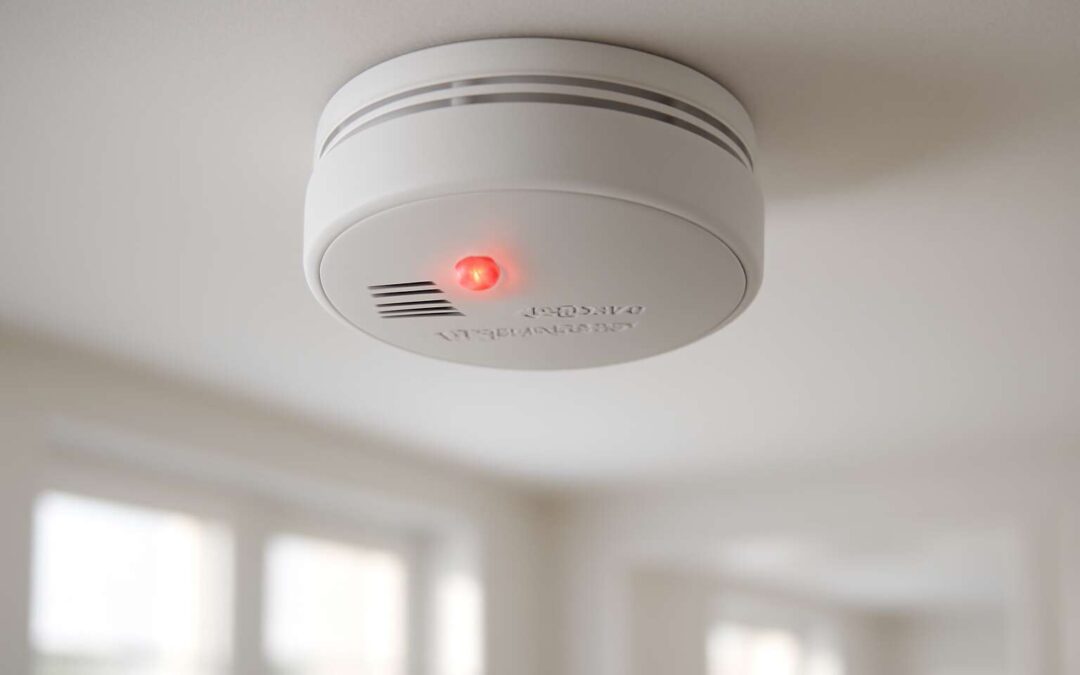
Understanding Fire Alarms and Common Triggers
Types of Fire Alarms
When you’re suddenly jolted from your peaceful morning routine by a blaring siren, the pressing question is often, “which fire alarm is going off?” Fire alarms are like the nervous Nellies of your safety system—each one wired to scream for attention when trouble brews. Understanding how these devices work can feel like deciphering a secret code, but it’s crucial for quick response and peace of mind. Fire alarms can be wired into a building’s electrical system or operate on batteries, and their signals can vary from a gentle chirp to an all-out cacophony, depending on the trigger.
Common triggers for fire alarms include smoke particles, heat, or even steam from a hot shower—yes, your alarm might be confused by your bathroom antics! To make sense of which fire alarm is going off, it helps to recognize the different types of fire alarms:
- Ionization alarms—sensitive to fast-flaming fires, often triggered by cigarette smoke or cooking mishaps.
- Photoelectric alarms—more responsive to smoldering fires, like the one that might start from an overloaded power strip.
- Combination alarms—these blend the best of both worlds, providing comprehensive coverage against various fire types.
Knowing which fire alarm is going off and what might have caused it can save precious moments in an emergency—because in the game of fire safety, awareness isn’t just power, it’s survival!
Common Reasons for False Alarms
Understanding fire alarms and their triggers is essential for anyone concerned about safety, especially in environments where false alarms can cause chaos. When a fire alarm suddenly blares, the first instinct is to ask, “which fire alarm is going off?” Recognizing the subtle differences between alarms can make all the difference in how you respond. Fire alarms are designed to detect specific hazards, but they can sometimes be triggered by benign causes, leading to unnecessary panic. Knowing the common triggers can help you distinguish between genuine danger and false alarms.
False alarms often occur due to harmless yet confusing factors. For example, steam from a hot shower can mimic smoke particles, prompting the fire alarm to sound. Dust, insects, and even cooking fumes are frequent culprits that set off alarms unexpectedly. In some cases, electrical faults or low battery warnings can cause alarms to chirp or activate without an actual fire. Recognizing these common reasons for false alarms can help you avoid unnecessary disruptions and focus on real emergencies. When you ask yourself, which fire alarm is going off, understanding these triggers ensures you respond appropriately—saving time and lives in critical moments.
Environmental Factors
In the quiet moments when a fire alarm suddenly blares, a question echoes louder than the siren: which fire alarm is going off? This query isn’t just about pinpointing a device; it’s about unraveling a mystery that could determine safety or chaos. Fire alarms are finely tuned sentinels, each responding to specific environmental whispers—smoke, heat, or even humidity—that might go unnoticed to the untrained ear.
Environmental factors play a pivotal role in activating these vigilant guardians. Hot showers can produce steam that fools smoke detectors into alerting. Dust particles floating in the air, insects that inadvertently crawl into sensors, or cooking fumes wafting through the kitchen—these innocuous elements can trigger alarms unexpectedly. Recognizing the subtle cues that differentiate a false alarm from a genuine emergency is essential for maintaining calm and responding appropriately.
Understanding which fire alarm is going off involves more than just hearing the sound; it’s about sensing the environment and the context. Sometimes, the alarm’s pitch, pattern, or location can provide clues—like a low chirp indicating a low battery or a rapid succession of beeps signaling a system fault. These environmental factors, though seemingly trivial, weave a complex tapestry that helps decipher the true nature of the alert, guiding swift, informed action in moments that matter most.
Identifying the Source of the Alarm Activation
Listening to Alarm Tones
Amidst the shadowed corridors of modern safety, the question lingers like a ghost in the night: which fire alarm is going off? The eerie wail of a fire alarm can be disorienting, yet discerning its origin is crucial. Each alarm tone bears a unique melody—some shrill and piercing, others deep and echoing—crafted to cut through the chaos and alert us to danger.
Listening carefully to these alarm tones is akin to deciphering a haunting language—each pitch and pattern revealing its story. A sudden, relentless blaring may indicate a genuine threat, while a softer, intermittent chime might signal a minor fault or maintenance alert. To unravel the mystery, focus on the tone’s characteristics and the alarm’s location within your space.
- High-pitched screech—often signals an active fire or smoke detection.
- Rapid, repetitive beeps—may suggest a low battery or technical fault.
- Continuous, deep tone—could point to system malfunctions or environmental triggers.
In the labyrinth of alerts, understanding which fire alarm is going off transforms chaos into clarity, turning dread into decisive action.
Visual Indicators
In the theatre of emergency, pinpointing which fire alarm is going off can feel like trying to locate a whisper in a thunderstorm. Visual indicators are your first line of defense in this chaotic ballet. Most modern fire alarms feature a series of flashing lights—red or amber—that serve as silent signals amid the cacophony. These indicators are not merely decorative; they are critical clues that help distinguish between a false alarm and a genuine crisis.
When attempting to identify which fire alarm is going off, pay close attention to the location of the flashing light. Typically, each alarm panel or device is labeled or color-coded, allowing you to quickly narrow down the source. In larger facilities, a centralized system often displays a map with illuminated zones, making it easier to determine which section is under alarm. Recognizing these visual cues swiftly can spell the difference between a measured response and unnecessary panic.
Understanding these visual indicators transforms the bewildering chorus of alarms into a strategic advantage, guiding you effortlessly through the maze of alerts. Whether it’s a flickering light on a smoke detector or a flashing panel in a control room, knowing which fire alarm is going off is essential for rapid, effective action.
Physical Inspection
When chaos erupts and everyone is scrambling to figure out which fire alarm is going off, a quick physical inspection can be your best friend. It’s like playing detective in a world of alarms—minus the trench coat and magnifying glass, but with just as much importance! Spotting the source requires a keen eye and a little bit of patience, especially when the emergency system is blaring like a rock concert gone wrong.
Start by methodically walking through the building, listening for the faintest hint of which alarm is activating. Check each smoke detector and alarm panel for any visible signs of disturbance—dirt, dust, or even a tiny flicker of light indicating activation. In larger facilities, a systematic approach helps; using a numbered list can streamline the process:
- Identify the zone or section of the building.
- Look for flashing lights or indicator labels on alarm panels.
- Physically inspect nearby smoke detectors and alarm devices for signs of activation.
- Confirm if any alarms are silenced or muted—sometimes, the culprit is just a false alarm trying to fool you.
Remember, a focused physical inspection isn’t just about finding which fire alarm is going off; it’s about verifying the authenticity of the alarm and preventing unnecessary panic. It’s the art of turning chaos into clarity—one alarm at a time.
Troubleshooting Fire Alarm Issues
Resetting the Alarm
When a fire alarm sounds unexpectedly, it’s crucial to identify which fire alarm is going off quickly. Resetting the alarm can often resolve the issue, but it requires understanding the system’s signals. Modern alarms are designed with reset buttons or procedures, allowing users to clear false triggers without replacing units.
Before resetting, ensure the area is safe and free from actual fire hazards. Sometimes, alarms go off due to dust, steam, or insect interference—factors that can trigger false alarms. Once safety is confirmed, follow the manufacturer’s instructions carefully to reset the alarm.
If the alarm continues to sound or if you’re unsure which fire alarm is going off, it’s best to consult the system’s manual or contact a qualified technician. Proper troubleshooting can prevent unnecessary disruptions and ensure your safety system functions perfectly when needed.
Battery and Power Checks
When the shrill cry of a fire alarm pierces the silence, the first question on everyone’s mind is: which fire alarm is going off? It’s a conundrum that can turn a peaceful day into chaos in seconds—especially if your alarm system spans multiple rooms or even floors. Before diving into frantic troubleshooting, it’s wise to perform a quick battery and power check. Often, the culprit isn’t an imminent blaze but a dying battery or a power glitch that causes false alarms or sporadic beeping.
To pinpoint the source, start by inspecting the control panel or the individual units. A few simple steps can save you hours of confusion:
- Check if the alarm is battery-powered or connected to mains power.
- Replace old batteries—this is usually the easiest fix for mysterious alarms that refuse to quiet down.
- Ensure power sources are secure; loose connections can mimic fire hazards.
Understanding which fire alarm is going off and addressing its power issues swiftly can keep your safety system operational and your nerves intact. After all, a well-maintained fire alarm system is your silent sentinel—ready to alert, not to confuse!
Cleaning and Maintenance
In the labyrinth of safety, a malfunctioning fire alarm can evoke more chaos than the threat it’s designed to detect. Regular cleaning and meticulous maintenance are the silent guardians that ensure your system remains an unwavering sentinel. Dust, cobwebs, and airborne pollutants are insidious foes, capable of muffling alarm tones and impairing sensor sensitivity. A neglected unit not only risks false alarms but also jeopardizes the integrity of your entire fire safety infrastructure.
To safeguard your system’s reliability, routine cleaning is paramount. Use a soft brush or compressed air to gently dislodge debris from sensors and vents, paying close attention to the smoke detection chambers. It’s astonishing how often a mere accumulation of dust can obscure a critical sensor, leaving you perplexed about which fire alarm is going off and whether it’s a false trigger or genuine danger.
In addition to cleaning, scheduled maintenance checks are vital. Inspect wiring connections for corrosion or looseness—these subtle faults might cause sporadic alarms or prevent the alarm from functioning altogether. Remember, a system’s longevity hinges on proactive upkeep, not reactive repairs. When in doubt, consult the manufacturer’s guidelines or a qualified technician to perform comprehensive testing. This diligence ensures that when the alarm sounds, it’s a true alert and not a false alarm—preserving safety and peace of mind in equal measure.
When to Call Professionals
When the shrill cry of a fire alarm pierces the air unexpectedly, it can feel as though a sudden storm has erupted within your sanctuary. Yet, deciphering which fire alarm is going off in a complex system requires more than mere hearsay; it demands a keen eye and an understanding of your safety infrastructure. Sometimes, this chaos is merely a phantom, a false alarm triggered by environmental factors or sensor glitches. But other times, it signals a genuine peril lurking nearby. Recognizing when to call professionals is the key to maintaining unwavering safety in your premises.
If troubleshooting efforts—such as inspecting the sensor, resetting the alarm, or checking the power supply—fail to quell the persistent alert, it’s time to seek expert assistance. Professionals possess the tools and expertise to diagnose intricate wiring issues or sensor malfunctions that might be invisible to the untrained eye. They can also perform comprehensive testing to confirm which fire alarm is going off and whether it’s a true emergency or a false trigger. Never underestimate the importance of trusting seasoned technicians, especially when the safety of your environment hangs in the balance.
In the labyrinth of fire safety, knowing when to call professionals ensures that your alarm system remains a steadfast guardian rather than a source of confusion. Remember, a vigilant eye and timely intervention are your best allies in preserving safety and peace of mind when faced with the perplexing question: which fire alarm is going off?
Preventative Measures to Avoid Unnecessary Alarms
Proper Placement of Alarms
Preventing false alarms hinges on strategic placement and vigilant environment management. Imagine the chaos of repeatedly hearing which fire alarm is going off without cause—frustrating, disruptive, and potentially dangerous. Proper placement of alarms is paramount; install them away from kitchens, bathrooms, and vents where steam, dust, or insects can trigger false alarms. Ensuring alarms are positioned at the correct height—typically on the ceiling or high on walls—maximizes their sensitivity to smoke or heat, reducing unnecessary alerts.
To further minimize false triggers, consider implementing environmental controls such as humidity regulation and dust management. Regularly inspecting the surroundings for potential sources of false alarms keeps the system reliable. A simple yet effective approach is to create a designated checklist that includes verifying the placement and environment of each alarm. Remember, the goal is to distinguish genuine danger from harmless disturbances, so knowing which fire alarm is going off can save lives and prevent panic.
Regular Testing and Maintenance
Regular testing and maintenance are the lifeblood of a reliable fire alarm system. It’s not enough to simply install alarms; consistent checks ensure they function precisely when needed. In rural settings and busy households alike, knowing which fire alarm is going off can mean the difference between quick action and dangerous delay. A simple monthly inspection can reveal battery issues, wiring faults, or dust accumulation that might cause false triggers.
To streamline this process, creating a routine checklist helps identify potential problems early. This list might include verifying the alarm’s visual indicators, listening carefully to the tone, and ensuring the alarm responds appropriately during test sounds. When alarms are tested regularly, they become trusted guardians rather than sources of confusion. Remember, a well-maintained fire alarm system is vital for safety, especially in homes where the question of which fire alarm is going off could otherwise cause chaos.
Upgrading Fire Safety Equipment
Preventative measures are essential to avoid unnecessary alarms and maintain an effective fire safety system. Upgrading fire safety equipment can significantly reduce false triggers, especially in environments prone to environmental fluctuations like humidity or dust. Modern alarm systems with advanced sensors are less likely to be triggered by non-fire stimuli, helping you distinguish which fire alarm is going off and why. Investing in these upgrades not only enhances safety but also minimizes disruptions caused by false alarms, which can be quite disruptive in busy households or rural settings.
To further reduce false triggers, consider implementing a few strategic steps:
- Regularly update your fire alarm system with the latest technology.
- Ensure environmental conditions are suitable for the type of alarm installed.
- Maintain proper placement to prevent nuisance triggers caused by dust or insects.
When choosing new fire alarm equipment, look for models with integrated dual-sensor technology, which can better differentiate between actual fire hazards and false triggers. Upgrading fire safety equipment not only aids in identifying which fire alarm is going off but also supports swift, informed responses—crucial in safeguarding lives and property.
