
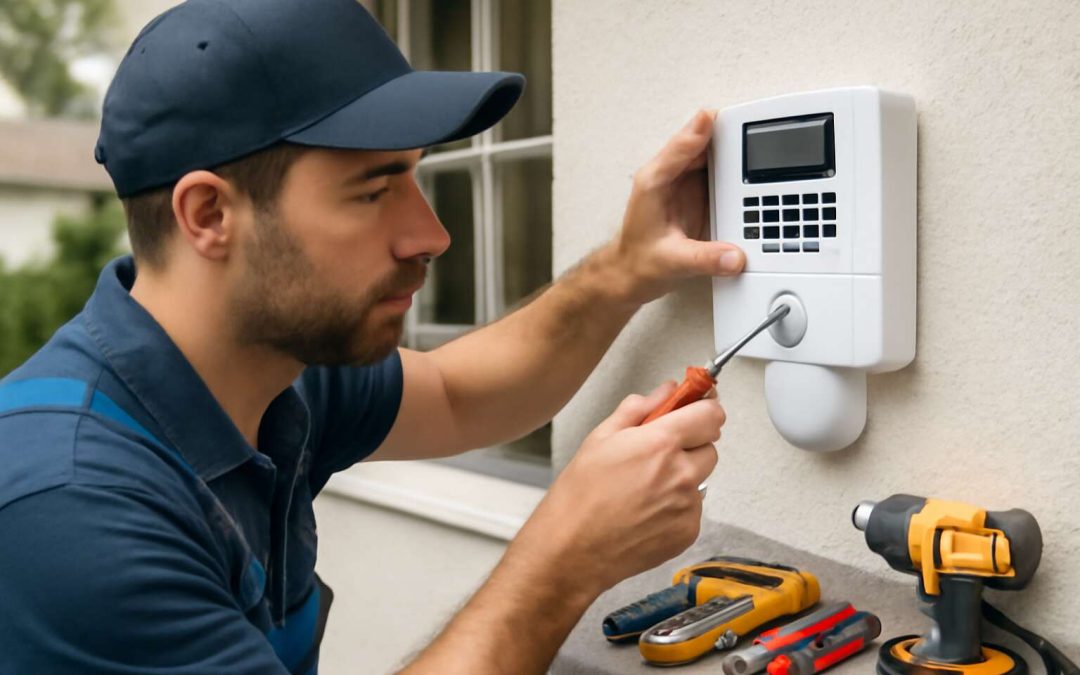
Understanding Security Alarm Systems
Overview of Security Alarm Types – Different Types of Security Alarms (wired, wireless, hybrid)
Security alarm systems are the vigilant guardians of modern homes and businesses, transforming the environment into a fortress of safety. Understanding the different types of security alarms is essential for anyone embarking on a security alarm installation course, as each system offers unique advantages tailored to specific needs.
Among the most common are wired alarms, renowned for their reliability and resilience. These systems connect directly to a power source and require physical wiring, making them ideal for permanent installations. Wireless alarms, on the other hand, boast flexibility and ease of installation—perfect for temporary setups or buildings with complex layouts. Hybrid systems cleverly combine both wired and wireless components, providing a versatile solution adaptable to various environments.
- Wired security alarms
- Wireless security alarms
- Hybrid security alarms
Choosing the right system demands a keen understanding of each type’s strengths and limitations, which is precisely why a comprehensive security alarm installation course is invaluable for aspiring security professionals. It opens the door to mastery in deploying these systems effectively and efficiently across South Africa’s diverse landscape.
Components of a Security Alarm System – Sensors, Control Panels, Keypads, Cameras, and Accessories
In the realm of security alarm systems, understanding the core components is akin to knowing the anatomy of a well-trained bodyguard. Every element, from sensors to control panels, plays a vital role in orchestrating an unbreakable shield of safety. A security alarm installation course delves into these intricate parts, ensuring future technicians grasp the subtleties that make a system both reliable and discreet.
Sensors, the vigilant eyes of the system, detect movement, break-ins, or even environmental hazards. Control panels serve as the brain, coordinating signals and triggering alarms or alerts. Keypads provide an intuitive interface for users to arm or disarm the system with finesse, often disguised as sleek, unassuming panels. Cameras, now practically ubiquitous, not only deter intruders but also furnish crucial evidence—think of them as the system’s silent witnesses.
Accessories such as sirens, strobe lights, and remote controls further enhance functionality, creating layers of security that adapt seamlessly to South Africa’s diverse landscape. To master these components, an aspiring security professional must immerse themselves in the comprehensive details covered in a security alarm installation course. Only then can they craft bespoke solutions that blend sophistication with rock-solid dependability.
Importance of Professional Installation – Ensuring System Reliability and Security
Ensuring the reliability and security of a security alarm system is no trivial task—it’s an intricate dance between precision and expertise. A professional security alarm installation course emphasizes the importance of proper setup, where even a minor mistake can compromise the entire system’s efficacy. In South Africa’s unpredictable landscape, a system installed with care acts as an unyielding sentinel, safeguarding assets and lives alike.
Professional installation guarantees that every component functions harmoniously, reducing false alarms and ensuring swift responses when it matters most. It’s not just about connecting wires or mounting sensors; it’s about understanding the nuances that make a system resilient against tampering or environmental interference.
Investing in a security alarm installation course equips technicians with the skills to craft bespoke security solutions. These solutions are tailored to the unique needs of South African homes and businesses, providing peace of mind with dependable, discreet protection.
Prerequisites for Enrolling in a Security Alarm Installation Course
Required Skills and Knowledge – Basic Electrical and Networking Skills
When considering a security alarm installation course, understanding the prerequisites is crucial. Surprisingly, many aspiring installers underestimate the importance of having foundational skills in electrical and networking systems. Without these, mastering the complexities of modern security systems becomes an uphill battle, especially given the sophistication of wireless and hybrid alarms prevalent in South Africa today.
Essentially, candidates should possess basic electrical knowledge, such as reading circuit diagrams and understanding power supplies. Networking skills are equally vital, as many security alarms now integrate with smart home systems and remote monitoring platforms. In fact, a familiarity with network configurations and IP setup can dramatically streamline installation processes.
To better prepare, individuals should ensure they are comfortable with the following skills before enrolling in a security alarm installation course:
- Electrical circuit understanding
- Basic troubleshooting techniques
- Networking fundamentals, including IP addressing
- Wireless communication protocols
Having these skills not only accelerates learning but also boosts confidence in handling complex security alarm systems confidently and efficiently, making the security alarm installation course a worthwhile investment for aspiring professionals in South Africa.
Recommended Experience – Prior Work in Security or Electronic Installations
A solid foundation in prior work experience can make or break your success in a security alarm installation course. While the course itself covers the nuts and bolts of installing modern security systems, having hands-on experience in security or electronic installations gives you a leg up. It’s like trying to learn ballet without ever stepping onto a dance floor—possible, but considerably more awkward.
Candidates with prior security or electronic installation work often navigate the coursework with greater confidence, thanks to familiarity with the basic principles of system setup and troubleshooting. This background helps you grasp concepts faster and reduces the learning curve, transforming what could be a daunting challenge into a manageable, even enjoyable, endeavor.
In South Africa, where security measures are a priority and the market is bustling, having this experience can make you stand out. Here’s a quick rundown of the recommended prior work experience for a security alarm installation course:
- Hands-on security system installation
- Experience with electronic device wiring
- Basic troubleshooting of security hardware
- Knowledge of network setup and device integration
This experience isn’t just a badge of honor—it’s a practical advantage that ensures you’ll get the most out of your security alarm installation course and hit the ground running.
Certification and Licensing – Understand Local Regulations and Certification Needs
Enrolling in a security alarm installation course in South Africa requires more than just a keen interest; understanding the local regulatory landscape is essential. The country’s security industry is tightly regulated, with specific certification and licensing requirements that ensure professionals operate within legal boundaries. Without proper accreditation, even the most skilled technician risks legal repercussions and compromised system integrity.
To meet these prerequisites, candidates should familiarize themselves with the certification standards mandated by South African authorities. Typically, this involves obtaining a valid license from the relevant regulatory body, which verifies your competence and adherence to safety protocols. Often, the process includes completing a recognized security alarm installation course that covers legal compliance, safety standards, and industry best practices.
In some regions, obtaining a security installation license may require passing an exam or demonstrating prior work experience. Here’s a quick overview of the common prerequisites:
- Completion of an accredited security alarm installation course
- Proof of relevant work experience or apprenticeships
- Passing regulatory exams focused on local safety and security standards
- Obtaining necessary licensing and certification from South African authorities
Understanding and fulfilling these prerequisites isn’t just bureaucratic red tape; they are safeguards that uphold the integrity of the security alarm installation industry. Navigating this landscape with clarity ensures your journey into security system installation is both compliant and rewarding, paving the way for a successful career in a rapidly growing market.
Curriculum and Course Content
Fundamentals of Alarm System Design – Assessing Security Needs and Planning Systems
In the shadowed corridors of security, understanding the art of assessing vulnerabilities is paramount. The curriculum of the security alarm installation course plunges deep into the fundamentals of alarm system design, where each decision echoes through the silent night. Here, students learn to evaluate the unique security needs of each environment—whether a sprawling estate or a discreet storefront—and craft tailored systems that blend seamlessly into their surroundings.
This course emphasizes the importance of strategic planning, guiding students through methods to optimize sensor placement, control panel configurations, and camera positioning. By mastering these core principles, aspiring technicians gain the ability to foresee potential breaches and fortify defenses with precision. As they navigate the complexities of alarm system design, students emerge with the knowledge to transform a mere collection of components into a formidable fortress of security.
Installation Techniques – Wiring, Mounting, and Connectivity
When it comes to installing a security alarm system that actually works, the devil is in the details—especially the wiring, mounting, and connectivity. The security alarm installation course doesn’t just teach you to plug and play; it dives into the nitty-gritty of professional-grade installation techniques that ensure reliability and longevity. Precision wiring, for example, isn’t just about making the system work—it’s about preventing future headaches and false alarms that can plague amateur setups.
Mounting sensors, control panels, and cameras with surgical accuracy guarantees seamless operation and discreet integration into any environment. Students learn to select the correct mounting materials and techniques, tailoring each installation to its surroundings—be it a bustling retail store or a sprawling estate. To streamline the process, the course also covers connectivity methods, including wired and wireless configurations, emphasizing the importance of robust network security. This ensures the system remains resilient against hacking attempts while maintaining optimal performance.
- Proper wiring techniques for security alarm components
- Secure mounting methods for sensors and cameras
- Establishing reliable connectivity—wired and wireless
By mastering these core installation skills, students of the security alarm installation course develop the confidence to deliver systems that are not only functional but also resilient against tampering. It’s this meticulous attention to detail that transforms a basic alarm into a fortress of security—an essential skill in today’s landscape of rising threats and sophisticated intruders.
Configuration and Programming – Setting Up and Customizing Alarm Systems
Unlocking the potential of a security alarm installation course is like opening a portal to mastery—where every setting and configuration becomes a brushstroke in a masterpiece of security. The curriculum meticulously guides students through the art of system programming, transforming basic setups into tailored fortresses of protection. From configuring alarm zones to customizing user access, each module is designed to imbue confidence and precision.
One of the most captivating aspects is learning how to establish seamless connectivity—whether wired or wireless—while maintaining the integrity of network security. This ensures the alarm system is not only reliable but also resilient against digital threats. The course emphasizes hands-on experience in programming alarm panels, setting response protocols, and integrating sensors for optimum coverage.
Students also explore the intricacies of system configuration, including:
- Programming user codes and access levels
- Customizing alarm triggers and delays
- Integrating with smart home devices
By the end of the security alarm installation course, participants develop a nuanced understanding of how to craft systems that are both intuitive to operate and robust against tampering—an essential skill set in South Africa’s evolving landscape of security needs.
Troubleshooting and Maintenance – Resolving Common Issues and Upkeep
In the realm of security alarm installation, mastery extends far beyond initial setup. Troubleshooting and maintenance are the mystical arts that safeguard the longevity of a system, ensuring peace of mind amidst South Africa’s ever-evolving security landscape. A comprehensive security alarm installation course delves into these vital skills, transforming technicians into guardians of reliability.
Participants learn to diagnose common issues swiftly—be it false alarms, sensor malfunctions, or connectivity glitches. The course emphasizes the importance of systematic upkeep, guiding students through routine inspections, cleaning, and firmware updates. Recognizing that even the most sophisticated alarm system can falter without proper care, the curriculum often includes practical exercises in resolving real-world problems.
To foster confidence, many courses introduce troubleshooting checklists that streamline problem-solving. For example, students might follow an ordered list:
- Identify the source of false alarms or sensor triggers.
- Check wiring connections for wear or corrosion.
- Verify network connectivity and signal strength.
- Update system firmware and reset control panels.
Such structured approaches make maintenance feel less daunting and more like a dance with the system’s inner workings. By the end of the security alarm installation course, participants are equipped not just to install, but to nurture and repair—the true essence of resilient security systems in South Africa’s dynamic context.
Legal and Safety Considerations – Compliance with Regulations and Safety Standards
In the realm of security alarm installation courses, understanding the legal and safety landscape is paramount. South Africa’s evolving security regulations demand that technicians not only master technological skills but also adhere strictly to compliance standards. A comprehensive security alarm installation course immerses learners in the intricate tapestry of local legislation, ensuring they are equipped to operate within the boundaries of the law while safeguarding their clients.
Participants gain insight into the essential safety standards that underpin professional installations—ranging from electrical safety protocols to environmental considerations. The curriculum often emphasizes the importance of proper certification and licensing, which are vital to maintaining credibility and legal authority in this field. Furthermore, courses highlight the necessity of thorough risk assessments and adherence to safety regulations that protect both the installer and the end-user.
Incorporating practical exercises, the course often guides students through simulated compliance checks, fostering a mindset where safety and legality are woven into every step of the installation process. This ensures that technicians are not just creators of security systems but responsible guardians committed to the highest standards of professionalism. Ultimately, mastery of these legal and safety considerations transforms a mere technician into a trusted security expert—crucial in South Africa’s dynamic and often unpredictable security landscape.
Choosing the Right Security Alarm Installation Course
Course Accreditation and Certification – Recognized and Industry-Standard Programs
Choosing the right security alarm installation course is crucial for establishing a reputable career in the security industry. When evaluating programs, accreditation and certification stand out as essential indicators of quality and industry relevance. Recognized and industry-standard programs ensure that your skills meet the rigorous demands of the South African security landscape, providing credibility and confidence to clients and employers alike.
Opt for courses accredited by reputable institutions or industry bodies, as these certifications are often recognized by regulatory authorities and insurance providers. A well-structured security alarm installation course will not only cover practical installation techniques but also emphasize adherence to safety standards and legal requirements—both vital for operating within South Africa’s unique regulatory framework.
- Look for courses that offer recognized certification, such as SAIDSA or NADCP accreditation.
- Ensure the program includes comprehensive modules on system design, wiring, and troubleshooting.
- Verify that the course provider maintains a good track record of industry placement and ongoing support.
In a market saturated with training options, selecting a security alarm installation course that aligns with recognized industry standards can make all the difference. It’s not just about learning the technical skills but also about building a foundation of trust and professionalism that resonates across the security sector in South Africa.
Delivery Method – In-Person vs. Online Courses
In the bustling realm of security alarm installation, choosing the right course delivery method can feel like navigating a maze blindfolded. With traditional in-person training, you gain the invaluable benefit of hands-on experience—imagine tackling wiring and system setup under the watchful eye of an expert. It’s like having a seasoned guide by your side, ready to correct your every misstep. On the flip side, online courses offer flexibility, allowing you to learn at your own pace—perfect for those juggling work and life commitments in South Africa. But beware: some online modules may skimp on practical components, leaving you with theory but no tactile know-how.
To make an informed choice, consider your learning style and the specific demands of your security alarm installation course. For some, the in-person approach is irreplaceable; for others, a well-structured online program can deliver equal mastery. Ultimately, whether you prefer the classroom or digital realm, ensure the course emphasizes real-world skills, safety standards, and legal compliance—cornerstones for thriving in South Africa’s security landscape.
Course Duration and Cost – Time Commitment and Budget Considerations
Choosing the right security alarm installation course hinges not only on what you learn but also on how long it takes and what your budget can accommodate. In South Africa, where security needs are as diverse as the landscapes, understanding course duration and costs can make or break your decision.
Most security alarm installation courses offer flexible timelines—some can be completed in a weekend, while others span several weeks, allowing you to deepen your mastery gradually. Time commitment varies depending on the depth of knowledge and practical skills covered. For those with tight schedules, online security alarm installation courses provide a convenient option, often boasting self-paced modules.
Budget considerations are equally vital. Prices can range from affordable online programs to more comprehensive, industry-recognized certifications that may require a larger investment. A well-structured course will balance cost with quality, emphasizing real-world skills, safety standards, and legal compliance. Remember, choosing a security alarm installation course that aligns with your financial plan ensures you remain motivated and committed throughout your learning journey.
Reviews and Testimonials – Feedback from Past Students
When choosing a security alarm installation course, hearing from those who’ve already walked the path can be invaluable. Past students’ reviews and testimonials offer a candid glimpse into what you can expect—beyond glossy brochures and slick marketing pitches. In South Africa, where security needs are as diverse as the terrain, genuine feedback can help you gauge whether a course delivers real-world skills or just theoretical fluff.
Many alumni praise courses that emphasize hands-on experience and practical troubleshooting. A typical testimonial might mention how they gained confidence in wiring systems or learned to navigate complex security regulations. To make things easier, consider looking for reviews that highlight aspects like course content relevance, instructor expertise, and post-completion support.
- Does the course prepare you adequately for industry certifications?
- Are the instructors knowledgeable and approachable?
- Is the training method suitable for your schedule—online, in-person, or hybrid?
Ultimately, choosing a security alarm installation course backed by positive testimonials can elevate your skills and boost your credibility in the industry. After all, in a country where safety is paramount, you want to ensure your training is both top-notch and trusted by those who’ve been there before!
Skills and Certifications Gained from the Course
Technical Skills – Hands-On Installation and System Configuration
Completing a security alarm installation course unlocks a suite of invaluable skills that set professionals apart in the security industry. One of the core technical skills gained is hands-on installation and system configuration, which involves more than just plugging in devices. Trainees learn to precisely wire sensors, control panels, and cameras, ensuring that every component functions seamlessly within a comprehensive security system.
Beyond the mechanical aspects, participants develop proficiency in programming alarm systems to customize responses according to specific security needs. This includes setting up access controls, configuring alerts, and integrating different components for optimal performance. Mastery of these technical skills guarantees reliable system operation and peace of mind for clients.
In addition, successful completion of a security alarm installation course often results in recognized certifications, validating expertise in both installation techniques and system configuration. These credentials are crucial for establishing credibility and complying with local regulations in South Africa. Whether in a classroom or online setting, this course equips aspiring security professionals with the practical knowledge necessary to excel in a competitive market.
Industry Certifications – Certifications that Enhance Career Opportunities
In an industry driven by trust and precision, gaining recognized industry certifications through a security alarm installation course is more than a badge of honor—it’s a gateway to career advancement. These credentials validate your technical expertise, from wiring sensors to configuring complex alarm systems, and demonstrate your commitment to excellence in security installation.
Employers and clients alike value certifications that adhere to industry standards, especially in South Africa, where regulatory compliance is paramount. A reputable security alarm installation course often culminates in certifications that serve as proof of your skill set, boosting your credibility and opening doors to higher-paying opportunities.
Many courses offer industry-recognized certifications, such as:
- SAID (Security Industry Authority of South Africa) Certification
- Manufacturer-specific accreditations
- National Security Certification programs
These certifications not only enhance your professional profile but also ensure compliance with local regulations—an essential component in a competitive market. Whether pursuing a career in residential, commercial, or industrial security, the right certification from a comprehensive security alarm installation course can be transformative, elevating your standing and expanding your horizons.
Business Skills – Estimating, Quoting, and Customer Relations
In the bustling realm of security, a well-rounded professional isn’t just someone who knows their sensors from their sirens—they also excel in business acumen. A comprehensive security alarm installation course doesn’t merely teach you how to wire alarms or program systems; it arms you with crucial business skills that elevate your service offering. Estimating costs accurately, preparing compelling quotes, and nurturing client relationships are vital components that distinguish a novice from a trusted expert.
Mastering these skills ensures you’re not just installing systems but building a reputable brand. Some courses delve into practical techniques like creating detailed estimates or handling client queries with finesse, making sure you’re prepared for real-world challenges. The ability to provide clear, professional quotations and maintain excellent customer relations can significantly boost your reputation and lead to higher-paying opportunities in South Africa’s competitive security industry.
- Developing precise estimating abilities to prevent underbidding or overcharging
- Crafting persuasive, transparent quotes that instill confidence
- Building rapport and trust through effective customer communication
In essence, a robust security alarm installation course equips you with these essential business skills, complementing your technical prowess. It’s this blend of expertise and professionalism that truly opens doors—be it in residential, commercial, or industrial security sectors—making you not just a technician, but a trusted security partner.
Career Opportunities After Completing the Course
Job Roles – Alarm Installer, Security System Technician, Security Consultant
Completing a security alarm installation course opens doors to a realm of exciting career opportunities. As the demand for enhanced security systems surges across South Africa, skilled professionals are more vital than ever. Job roles such as alarm installer, security system technician, and security consultant are just the beginning.
Alarm installers are the frontline warriors in safeguarding homes and businesses, meticulously setting up systems that act as invisible shields. Security system technicians, on the other hand, delve deeper into the technical intricacies—programming, troubleshooting, and maintaining complex security networks. For those with a strategic mindset, becoming a security consultant offers the chance to assess security needs and design tailored solutions. These roles often require a blend of technical expertise and customer service skills, making them both rewarding and dynamic.
Many who complete a security alarm installation course find themselves in high demand, with opportunities spanning private security firms, electronics installation companies, and even starting their own ventures. Industry certifications earned through the course act as golden tickets, boosting credibility and opening pathways to senior positions. Whether you prefer hands-on installation or strategic consulting, this field offers a promising trajectory for those ready to embrace the challenge and secure a brighter future.
Self-Employment Opportunities – Starting Your Own Security Installation Business
For those with an entrepreneurial spark, completing a security alarm installation course is more than just acquiring skill—it’s a gateway to self-employment opportunities that are both lucrative and fulfilling. The demand for bespoke security solutions in South Africa continues to soar, creating fertile ground for budding entrepreneurs eager to carve out their own niche in the industry. Starting your own security installation business allows you to take control of your professional destiny, offering tailored security alarms to homes and businesses across diverse communities.
With a comprehensive understanding of alarm system design, wiring, and troubleshooting, you can establish a reputable brand built on reliability and trust. Many successful entrepreneurs leverage their technical knowledge and customer service expertise gained through a security alarm installation course to build lasting client relationships. Furthermore, industry certifications earned along the way serve as credentials that elevate your credibility in a competitive market.
- Develop a unique value proposition tailored to local security needs
- Build a network of satisfied clients through quality service
- Expand offerings to include maintenance, upgrades, and consultations
As the security landscape evolves, self-employment in this field offers not only independence but also the chance to contribute meaningfully to community safety. The journey begins with mastering the fundamentals in a security alarm installation course—unlocking a future where your skills turn into a thriving security installation business.
Industry Growth and Trends – Emerging Technologies and Market Demand
In a world where safety is as vital as breath itself, the demand for skilled security alarm installation professionals in South Africa is surging—a testament to the shifting landscape of security technology and market needs. Completing a security alarm installation course opens doors to a realm of career opportunities that are as diverse as they are promising. Whether you envision yourself as a dedicated alarm installer or a savvy security consultant, the industry beckons with the promise of growth and stability.
Emerging technologies such as smart alarms, wireless systems, and integrated security networks are revolutionizing the market, making it essential for professionals to stay ahead of the curve. The demand for bespoke solutions tailored to unique community needs ensures a vibrant future for those equipped with industry-standard skills. As market trends evolve, so too does the scope of possibilities—ranging from installation and maintenance to consultancy and system customization.
- Wireless security systems that adapt seamlessly to modern homes and businesses
- Integration of artificial intelligence for predictive security measures
- Remote monitoring and control via mobile applications
Such cutting-edge innovations underscore the importance of a comprehensive security alarm installation course, which prepares individuals to navigate this dynamic landscape confidently. By mastering the intricacies of installation techniques, configuration, and troubleshooting, professionals can capitalize on the expanding market demand for reliable and innovative security solutions. The future of security alarm technology is not just promising—it’s transformative, beckoning those ready to harness its potential with skill and passion.
Additional Resources and Continuing Education
Supplementary Training – Advanced Courses and Specializations
Beyond the foundational knowledge offered by a security alarm installation course, the journey to mastery never truly ends. Continuing education and specialized training open doors to cutting-edge advancements, ensuring technicians stay ahead in a rapidly evolving industry. For those committed to excellence, supplementary training in advanced security alarm systems can be the key to unlocking new career heights. These programs often delve into emerging technologies like smart home integrations and AI-driven security solutions, offering a competitive edge in the market.
In South Africa, industry standards are continually shifting, making it essential for professionals to pursue ongoing learning. Many reputable institutions provide advanced courses designed for seasoned technicians eager to deepen their expertise. Topics such as network security integration, remote monitoring, and system scalability are often covered, equipping installers with a comprehensive skill set. Enrolling in these specialized programs not only enhances technical proficiency but also boosts credibility with clients.
- Specializations in access control systems
- Training on intrusion detection innovations
- Certification in video surveillance systems
- Workshops on cybersecurity measures for alarm networks
These advanced courses serve as a vital supplement to the core curriculum of a security alarm installation course, transforming technicians into industry experts capable of tackling complex security challenges with confidence and precision. The pursuit of such supplementary training ensures that professionals remain relevant amidst technological breakthroughs and shifting regulatory landscapes, ultimately elevating the standards of security installation services across South Africa.
Industry Associations and Guidelines – Joining Professional Bodies
Joining industry associations and adhering to established guidelines can significantly elevate your standing as a security alarm installation technician in South Africa. Engaging with professional bodies not only keeps you informed about the latest standards but also provides access to a wealth of resources that can sharpen your skills. Many associations offer workshops, seminars, and networking opportunities that are invaluable for continuous learning in this dynamic field. Moreover, membership often acts as a badge of credibility, reassuring clients of your commitment to excellence.
In South Africa, recognized industry associations such as the South African Security Industry Association (SASIA) promote best practices and uphold regulatory standards. Becoming a member can open doors to exclusive training modules, certifications, and industry updates, all of which are vital for staying ahead in the competitive landscape of security alarm installation. These organizations frequently publish guidelines that help technicians adapt to emerging technologies like AI-driven security solutions and smart home integrations.
Participating in these professional communities fosters a culture of ongoing education. Some associations even provide mentorship programs or access to specialized training, including security alarm installation course modules focused on cybersecurity measures for alarm networks or intrusion detection innovations. Such involvement not only enhances technical proficiency but also broadens your understanding of the security industry’s evolving regulatory environment.
- Access to industry-specific publications and research reports.
- Participation in certification programs that are recognized within South Africa’s security industry.
- Opportunities to collaborate with peers and industry leaders, fostering a network of trusted contacts.
Ultimately, aligning yourself with respected professional bodies and following their guidelines can transform your career from a basic installer to a sought-after security system expert. These resources serve as a cornerstone for continuous education, ensuring that your skills remain relevant amidst rapid technological advancements and shifting regulatory landscapes in South Africa’s vibrant security industry.
Latest Technology Updates – Staying Current with Security Innovations
In the ever-evolving landscape of security technology, staying current is not just an advantage—it’s a necessity. As new innovations emerge, so do the opportunities for technicians to expand their expertise and enhance their service offerings. Access to additional resources and continuing education through a reputable security alarm installation course can be the difference between a good installer and a trusted industry expert.
One of the most valuable aspects of ongoing education is the ability to keep pace with the latest technology updates. Modern security solutions now incorporate AI-driven analytics, smart home integrations, and cybersecurity measures that protect alarm networks from cyber threats. Participating in industry-specific research reports and publications can provide insights into these advancements, helping technicians understand how to implement them effectively.
Furthermore, many security alarm installation courses offer specialized modules tailored to emerging trends. For example, some courses include training on intrusion detection innovations or cybersecurity protocols, which are crucial in today’s interconnected security environment. These modules often come with access to industry forums and webinars, providing a platform to exchange knowledge with peers and industry leaders in South Africa.
- Engaging with industry associations provides updates on legislative changes, safety standards, and technological breakthroughs.
- Attending workshops and seminars can deepen your understanding of complex systems and new installation techniques.
- Access to expert-led training ensures that your skills remain sharp and relevant, boosting your credibility in the field.
In a sector where technology develops rapidly, continuous learning through a comprehensive security alarm installation course isn’t just beneficial—it’s vital. It empowers technicians to adapt, innovate, and deliver top-tier security solutions that meet the highest standards of safety and reliability. As the industry grows, so does the importance of staying informed. Embracing this ongoing education ensures your skills are always in sync with the latest advancements, making you an invaluable asset to clients seeking trustworthy security experts in South Africa.
