
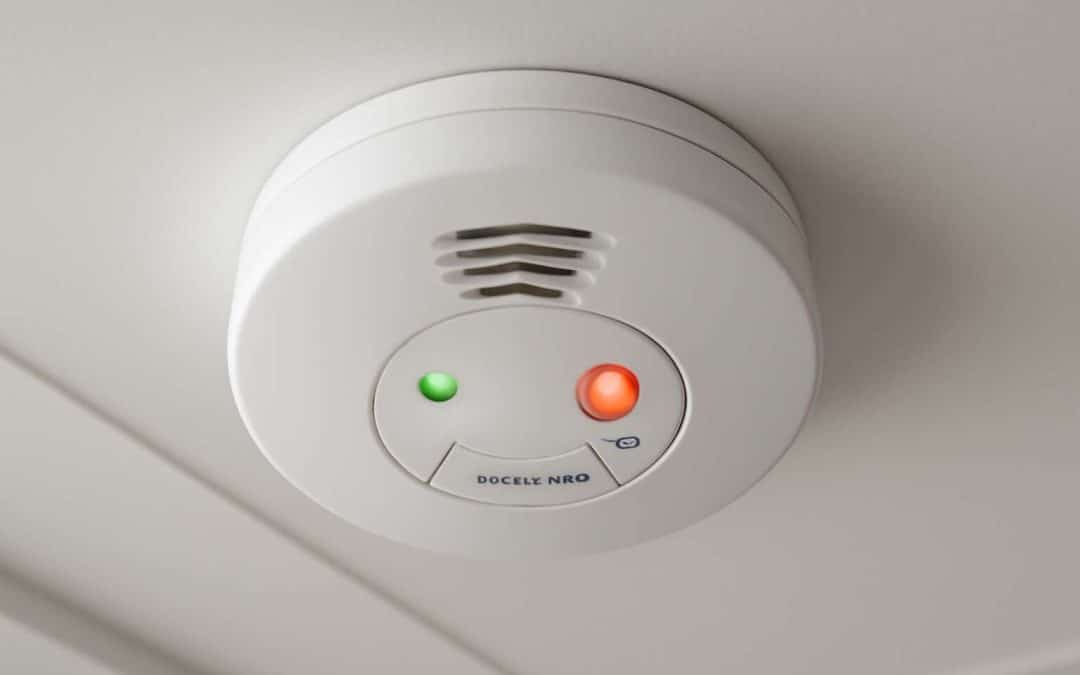
Types of Fire Alarms
Ionization Smoke Alarms
Among the various fire alarm options available, ionization smoke alarms stand out for their quick response to fast-flaming fires. These alarms use a small amount of radioactive material to detect smoke particles, making them highly sensitive to the presence of combustion. When smoke enters the ionization chamber, it disrupts the electrical current, triggering the alarm. This type of fire alarm is particularly effective in residential settings where fires tend to spread rapidly.
However, it’s essential to consider the specific environment when choosing which fire alarm is best. Ionization alarms may not be as effective in detecting smoldering, slow-burning fires, which often produce larger smoke particles. For comprehensive safety, many experts recommend combining ionization alarms with photoelectric alarms, which are better suited for detecting such fires.
Ultimately, understanding the strengths and limitations of ionization smoke alarms helps in making an informed decision about which fire alarm is best for your home or business in South Africa. The right choice can make all the difference in protecting loved ones and property from fire hazards!
Photoelectric Smoke Alarms
When considering which fire alarm is best for your home or business in South Africa, understanding photoelectric smoke alarms is essential. These alarms operate differently from ionization types, using a light-sensing technology to detect smoke particles. They are particularly adept at sensing slow, smoldering fires that produce larger smoke particles, giving you precious time to react before flames ignite.
Photoelectric alarms are often lauded for their reliability and fewer false alarms caused by steam or cooking fumes. Their sensitivity to the subtle changes in light caused by smoke makes them a trusted choice in bedrooms and living areas. Many experts recommend installing these alarms alongside ionization models for comprehensive fire safety.
In fact, the debate over which fire alarm is best often hinges on the specific environment and fire risks faced. For homes and workplaces in South Africa, combining photoelectric and ionization alarms provides a layered defense—ensuring early detection of both fast-flaming and slow-burning fires. When choosing safety devices, it’s vital to consider the unique needs of your space, because the right alarm could very well be the difference between safety and tragedy.
Combination Smoke Alarms
In the quest to determine which fire alarm is best, many homeowners and businesses in South Africa are turning to combination smoke alarms. These sophisticated devices blend the strengths of different detection technologies, offering a nuanced layer of protection. By integrating both photoelectric and ionization sensors into a single unit, they provide comprehensive coverage against a variety of fire scenarios. This dual approach ensures that slow, smoldering fires and fast-flaming flames are detected swiftly, reducing the risk of tragedy.
What makes these alarms truly exceptional is their ability to adapt to diverse environments within your space. For instance, they are highly effective in kitchens and laundry rooms where cooking fumes and steam often trigger false alarms. Some models even feature a smart design, with which fire alarm is best tailored to your specific needs—whether it’s a sleek, wireless unit for modern homes or a robust, interconnected system for larger commercial premises.
- Enhanced reliability through multi-sensor technology
- Reduced false alarms in high-humidity areas
- Greater peace of mind with layered fire detection
Choosing a combination smoke alarm can elevate your safety standards, making it clear that the right technology, in the right environment, can be a beacon of protection and peace of mind. After all, determining which fire alarm is best isn’t just about features; it’s about understanding how these advanced devices can safeguard your life and property in South Africa’s unique landscape.
Carbon Monoxide and Smoke Combo Alarms
Combining fire detection with carbon monoxide (CO) sensing is transforming safety standards for homes and businesses across South Africa. These combo alarms are designed to detect both smoke and dangerous gases in one sleek device, offering a layered approach to security. Unlike traditional alarms that focus solely on smoke, these models provide an added layer of protection against the silent threat of CO poisoning, which can be just as deadly as fire itself.
What sets these alarms apart is their ability to alert you to multiple hazards simultaneously. With integrated sensors, they can distinguish between different types of threats, reducing false alarms and ensuring prompt response. Some models feature smart technology that can connect wirelessly with other systems, creating a comprehensive safety network for larger properties. When considering which fire alarm is best, a combination unit with carbon monoxide detection offers peace of mind, especially in areas prone to both fire and gas leaks.
For those evaluating safety options, here’s a quick overview of the key features:
- Dual detection of smoke and carbon monoxide for comprehensive protection.
- Reduced false alarms in humid or smoky environments.
- Connectivity options for larger premises or smart home integration.
Features to Consider When Choosing a Fire Alarm
Sensitivity and Detection Capabilities
In the quest to determine which fire alarm is best, sensitivity and detection prowess stand as paramount considerations. A fire alarm’s ability to swiftly identify smoke, heat, or gases hinges on its detection capabilities, making it a vital component in safeguarding lives and property. Precision in these features ensures you’re not left fumbling in the dark—literally—when danger strikes.
When evaluating these alarms, focus on their responsiveness to various fire signatures, whether it’s the slow smoulder of a cigarette or the rapid escalation of kitchen flames. The right choice combines reliable detection with minimal false alarms, which can be as frustrating as a missed connection on a busy Johannesburg morning. To aid in your decision, consider these aspects:
- Sensitivity to different types of smoke and heat
- Speed of alert activation
- Resistance to nuisance triggers like steam or dust
Understanding these features can illuminate which fire alarm is best suited to your environment, ensuring you’re not caught off guard by the unpredictable nature of fire risks. After all, in a world where safety should never be an afterthought, choosing the right detection capabilities is the smart move.
Interconnectivity and Smart Features
When selecting a fire alarm, interconnectivity and smart features are game changers that can elevate your safety measures. Modern systems allow multiple alarms to communicate seamlessly, ensuring that if one detects danger, others follow suit—crucial in larger homes or commercial spaces. This interconnected setup minimizes the risk of a fire going unnoticed, especially in hidden areas or during night-time hours.
Smart features further enhance fire safety by integrating alarms with home automation systems, allowing remote monitoring and control through smartphones. Imagine receiving instant alerts if smoke is detected while you’re away—peace of mind in an increasingly connected world. These capabilities can also facilitate maintenance reminders and system diagnostics, making it easier to keep your fire alarm in prime working condition.
When considering which fire alarm is best, pay attention to the compatibility of smart features and the ease of interconnection, as these can significantly influence your safety strategy. After all, a fire alarm that communicates effectively and offers smart integration can be the difference between a quick response and a devastating delay.
Power Sources: Battery vs Hardwired
Choosing the right power source for your fire alarm can make all the difference in ensuring reliable safety. Battery-powered alarms are popular for their simplicity and ease of installation, especially in older buildings where wiring may be difficult or costly. They offer peace of mind during power outages, since they operate independently of the electrical grid. However, batteries do require regular replacement to maintain optimal functionality.
On the other hand, hardwired fire alarms are connected directly to your home’s electrical system, often with a backup battery for added security. This setup minimizes maintenance needs and reduces the risk of accidental deactivation. For larger spaces or commercial premises, a hardwired system can provide more comprehensive coverage and seamless integration with other safety devices. When asking which fire alarm is best, consider the balance between convenience, reliability, and safety.
Ease of Installation and Maintenance
When it comes to selecting the right fire alarm, ease of installation and maintenance play a crucial role. A fire alarm that’s straightforward to set up can save time and reduce costs, especially in large or complex properties. Look for models with clear instructions or quick-connect features that streamline the process. Maintenance shouldn’t be complicated either—alarms that require frequent or invasive checks can be overlooked, risking safety. Devices with long-lasting batteries or low-battery alerts help ensure continuous protection without constant fuss.
In our search for which fire alarm is best, consider systems that combine ease with reliability. Some alarms feature integrated test buttons or self-diagnostic tools, making routine checks simple. For hardwired models, easy access to wiring connections and backup power sources can make a significant difference. Ultimately, a fire alarm that combines simplicity in installation with minimal ongoing maintenance offers peace of mind—ensuring safety remains uncompromised while reducing hassle.
Voice Alerts and Alerts Volume
When it comes to choosing which fire alarm is best, the devil is often in the details—particularly when it comes to voice alerts and alert volume. A fire alarm with clear, loud voice notifications can be a lifesaver, especially in noisy environments where a traditional siren might get lost in the chaos. The ability to understand what’s happening swiftly can mean the difference between safety and disaster.
Alert volume is equally critical. Too loud, and you risk startling everyone into chaos; too soft, and the warning might go unheard. Ideally, your fire alarm should offer adjustable volume settings, ensuring it’s loud enough to cut through the din of a busy household or a bustling office. Some models even feature voice alerts that specify the nature of the danger—“fire detected in the kitchen,” for example—adding a layer of clarity that static beeps simply cannot match.
In the quest to find which fire alarm is best, look for systems with customizable alert features. These can include:
- Volume control options
- Pre-recorded or programmable voice alerts
- Audible alarms with adjustable decibel levels
Such features ensure that safety messages are not just loud but also intelligible, giving everyone in the space a fighting chance to respond appropriately. After all, when time is of the essence, clarity and volume matter just as much as detection capabilities—making the right choice a matter of life and death.
Compatibility with Smart Home Systems
In the realm of fire safety, compatibility with smart home systems is a game-changer. As technology advances, integrating your fire alarm seamlessly with your smart devices can transform safety from a mere necessity to an intuitive experience. Imagine receiving instant alerts on your smartphone or even commanding your alarm to test itself—these are the marvels that modern systems can offer. When pondering which fire alarm is best, the ability to connect with smart home ecosystems—like Alexa, Google Home, or Zigbee—becomes a pivotal feature. It ensures that safety is always within arm’s reach, no matter where you are.
Some models come equipped with dedicated apps that allow you to monitor the status of your fire alarm remotely and customize alerts to suit your environment. Look for alarms that support multiple protocols or are compatible with popular smart home hubs. This synergy not only enhances safety but also provides peace of mind, knowing your fire alarm can communicate with other smart devices, such as security systems or emergency lighting.
- Compatibility with your existing smart home system
- Ability to send alerts to multiple devices
- Support for voice assistants and automation routines
Choosing a fire alarm with smart home compatibility ensures your safety network is not just reactive but also intelligently proactive—making it the forefront contender in the quest for which fire alarm is best. It’s a fusion of safety, convenience, and innovation that transforms everyday living into a secure sanctuary.
Top Brands and Models
Established Fire Alarm Manufacturers
In the shadowed corridors of safety, certain brands cast a formidable presence, their reputation forged through decades of relentless innovation. When pondering which fire alarm is best, it’s essential to recognize the titans that dominate this domain—established manufacturers whose craftsmanship ensures not just protection but peace of mind. These companies blend cutting-edge technology with unwavering reliability, creating alarms that seem almost sentient in their vigilance.
Among the luminaries in the industry, brands like Kidde, Siemens, and Honeywell stand out. Each offers a portfolio of models renowned for their durability and advanced detection capabilities. For instance, Kidde’s interconnected alarms elevate safety by creating a web of alerts, while Honeywell’s smart systems integrate seamlessly with modern home automation. To navigate the labyrinth of options, some consumers prefer to examine a list of top contenders, including:
- Kidde Smoke & Carbon Monoxide Alarms
- Siemens Fire Safety Systems
- Honeywell Home Smart Alarms
In the quest to determine which fire alarm is best, these established manufacturers serve as guiding stars, illuminating a path through the darkness of uncertainty and ensuring that safety remains paramount in every home and business.
Recommended Models for Homes
When seeking the pinnacle of safety, discerning homeowners ask themselves, “which fire alarm is best?” The answer resides not solely in brand reputation but in the harmony of innovation, reliability, and tailored features. Top brands like Kidde, Siemens, and Honeywell have become beacons in the realm of fire safety, their models whispering promises of vigilance and peace of mind. These manufacturers craft alarms that are more than mere devices; they are guardians standing sentinel in the darkness, alerting us when danger lurks unseen.
For those seeking dependable solutions for homes, certain models have earned their place in the limelight. Kidde’s interconnected smoke alarms forge a web of safety, ensuring that no corner remains in shadow. Honeywell’s smart alarms seamlessly integrate with modern home automation, transforming a simple device into a proactive partner. Siemens, with its steadfast commitment to innovation, offers alarms that balance sensitivity with durability, perfect for the complexities of contemporary living.
Choosing among these giants often boils down to specific needs and preferences. Whether it’s a model that combines smoke and carbon monoxide detection or a sleek, voice-enabled alarm, the market is rich with options designed to answer the question—**which fire alarm is best** for your home? Each model is a testament to the craftsmanship that underpins trusted safety, promising protection woven with technological artistry. The right choice becomes not just an investment in safety but a symbol of peace in a busy world.
Recommended Models for Commercial Use
When it comes to safeguarding commercial spaces, selecting the right fire alarm system is a decision that cannot be taken lightly. Industry leaders like Kidde, Siemens, and Honeywell continue to set the bar high with models that combine durability, sensitivity, and smart technology. These brands have earned their reputation by delivering alarms that not only detect fires early but also integrate seamlessly with existing safety infrastructure. For businesses seeking to answer the crucial question—which fire alarm is best—these manufacturers offer a variety of solutions tailored to different needs.
Models designed specifically for commercial use often feature advanced detection capabilities, such as multi-sensor technology and networked alarm systems. For instance, Kidde’s interconnected alarms create a web of safety, ensuring rapid alerts across large premises. Honeywell’s intelligent systems offer remote monitoring and integration with building automation, providing a proactive approach to fire safety. Siemens, meanwhile, maintains its legacy of innovation with alarms that blend raw sensitivity with robust construction, ideal for the complex environments of South African enterprises.
Choosing the right model hinges on understanding the unique demands of your commercial space. Whether it’s a high-rise office, a warehouse, or an industrial facility, these brands provide reliable, scalable solutions—making it easier to determine which fire alarm is best for your operations. The key is to select a system that not only meets local fire safety standards but also adapts to the evolving landscape of smart building technology.
Innovative and Tech-Driven Options
When it comes to safeguarding your premises, knowing which fire alarm is best can feel like navigating a labyrinth. Fortunately, top brands like Kidde, Honeywell, and Siemens are pushing the boundaries of innovation with models that blend cutting-edge technology with reliability. These manufacturers don’t just produce alarms—they create intelligent safety systems designed to outsmart fire threats before they escalate.
For those seeking the most advanced options, these brands offer models equipped with multi-sensor technology, networked alarms, and seamless integration with smart building systems. Honeywell’s intelligent fire alarms, for example, provide remote monitoring capabilities that can alert you instantly, wherever you are. Kidde’s interconnected alarms form a safety web across large commercial spaces, ensuring no corner is left unprotected. Meanwhile, Siemens continues its legacy of durability and sensitivity, ideal for complex industrial environments in South Africa.
- Enhanced detection features
- Networked alarm systems for comprehensive coverage
- Smart technology integration for proactive safety management
Choosing which fire alarm is best ultimately depends on your specific needs and environment, but these brands stand out as industry leaders offering innovative, tech-driven options that set new standards in fire safety.
Factors Influencing the Best Choice
Home Size and Layout
Choosing the optimal fire alarm for your home hinges on a delicate dance between size, layout, and the unique tapestry of your living space. In South Africa’s diverse dwellings, from sprawling farms to compact urban apartments, the question of which fire alarm is best becomes a nuanced quest.
The size and layout of a home influence the type of fire alarm that will serve it best. Larger homes with multiple rooms demand alarms with extended detection ranges and interconnectivity, ensuring swift alerts across vast corridors. Conversely, smaller spaces benefit from compact, unobtrusive models that blend seamlessly into the aesthetic fabric of the home.
Consider the placement strategy—high ceilings, open-plan design, or multiple levels all dictate where alarms should be installed. The goal is to craft a safety net woven tightly around every nook and cranny, so that when smoke or carbon monoxide lurks in the shadows, the alarm’s call is loud and clear, resonating through the quiet of night or the hum of day.
Number of Floors
In the shadowed corridors of South African homes, where the flicker of a candle or the scent of burning wood can mask peril, understanding which fire alarm is best becomes a matter of life and death. When considering the number of floors in a dwelling, the stakes grow exponentially. A multi-storey home, with its labyrinth of stairwells and hidden alcoves, demands a vigilant network of interconnected alarms that whisper warnings across every level. Conversely, a single-story residence may suffice with a more streamlined setup, but even then, strategic placement is paramount.
The complexity of multi-level homes requires careful thought. For instance, installing smoke alarms on each floor and in every sleeping area ensures no shadowed corner remains unguarded. Interconnectivity becomes a vital element—so alarms can communicate swiftly, echoing a warning throughout the house when danger lurks. An effective approach might involve a combination of battery-operated units for ease of installation and hardwired systems for reliability in larger dwellings, ensuring that which fire alarm is best is tailored precisely to the home’s architecture.
Type of Residence (Apartment, House, Commercial Space)
The type of residence plays a crucial role in determining which fire alarm is best for your safety. An apartment, with its compact footprint, often benefits from interconnected smoke alarms that can alert every corner instantly. In contrast, a house—especially larger or multi-storey—demands a more comprehensive setup, including multiple alarms on different floors and in key areas. Commercial spaces require even more sophisticated systems designed for rapid detection and integration with emergency protocols.
Understanding the unique needs of each space helps in selecting the right alarm. For example, apartments might utilize wireless, smart smoke alarms with voice alerts, offering simplicity and quick installation. Houses, particularly those with complex layouts, benefit from hardwired alarms with interconnectivity and backup power. Meanwhile, commercial buildings demand reliable, high-capacity systems that are compliant with safety regulations and capable of covering extensive areas efficiently.
Ultimately, the question of which fire alarm is best hinges on the residence’s size, layout, and specific safety requirements. Matching the alarm type to these factors ensures optimal protection and peace of mind.
Budget and Cost Efficiency
Budget and cost efficiency are pivotal when choosing which fire alarm is best for your property. High-quality alarms provide peace of mind but can vary significantly in price. It’s essential to weigh upfront costs against long-term savings, especially considering maintenance and replacement expenses. The right choice balances affordability with reliability, ensuring you don’t compromise safety for savings.
For those seeking value, there are reliable models that combine affordability with essential features. Some alarms offer energy-efficient power sources and long-lasting batteries, reducing ongoing costs. Additionally, selecting alarms with durable components can minimize maintenance, saving both money and effort over time.
In some cases, investing in a slightly more expensive alarm pays off through enhanced detection capabilities and smarter technology. Here’s a quick overview of factors influencing which fire alarm is best:
- Initial purchase price
- Long-term maintenance costs
- Energy consumption and power source
- Compatibility with existing safety systems
- Reliability and warranty coverage
Ultimately, the most cost-effective choice offers a balance of affordability, durability, and advanced features—ensuring safety without breaking the bank. When considering which fire alarm is best, it’s crucial to evaluate these factors in relation to your specific needs and budget constraints.
Installation Tips and Best Practices
Optimal Placement for Maximum Coverage
Installation tips and best practices are pivotal in ensuring your fire alarm system offers maximum protection. Proper placement can dramatically improve detection times and reduce false alarms, making the difference between safety and catastrophe. For optimal coverage, fire alarms should be positioned on every level of your property, especially near sleeping areas and kitchens—where the risk of fire is highest.
When considering which fire alarm is best, pay close attention to placement height; smoke alarms should be installed on the ceiling or high on the wall, about 30 centimeters from the ceiling. This ensures smoke rises naturally and triggers the alarm promptly. Avoid installing alarms near windows, vents, or drafty areas, as these can interfere with detection.
A simple, effective method is to follow a systematic approach:
- Identify high-risk zones such as kitchens, garages, and living spaces.
- Ensure alarms are installed at least 10 feet from cooking appliances to minimize false alarms.
- Maintain a consistent distance between alarms—ideally no more than 9 meters apart—for comprehensive coverage.
By adhering to these installation tips and best practices, you can confidently determine which fire alarm is best suited for your home or business, ensuring safety without compromise.
Avoiding Common Installation Mistakes
Ensuring your fire alarm system functions flawlessly hinges on meticulous installation and avoiding common pitfalls. A poorly placed alarm can turn into a silent sentinel, failing to alert you in moments of crisis. To prevent this, always heed the guidance on optimal placement—install alarms on every level, especially near sleeping areas and kitchens, where the risk of fire is highest. Remember, smoke alarms should be mounted on the ceiling or high on the wall, about 30 centimeters from the ceiling, to catch rising smoke effectively.
In addition, steer clear of placing alarms near windows, vents, or drafty areas, as these can cause false alarms or delay detection. A systematic approach involves identifying high-risk zones and maintaining a consistent distance—no more than 9 meters—between alarms for comprehensive coverage. When asking which fire alarm is best for your needs, understanding these installation best practices can make all the difference in safeguarding your home or business.
Regular Testing and Maintenance Procedures
In the shadowed corners of safety, the question lingers—which fire alarm is best for your sanctuary? The answer lies not only in selecting the most advanced model but in understanding that flawless operation begins with meticulous installation and vigilant maintenance. A fire alarm, like a silent guardian, must be positioned with precision—mounted on the ceiling or high on the wall, about 30 centimeters from the ceiling—to ensure it catches the earliest whispers of smoke or carbon monoxide. Proper placement can mean the difference between life and silence in a crisis.
Regular testing and maintenance are the lifeblood of a dependable fire alarm system. I have witnessed countless alarms fall silent over time—batteries draining, sensors becoming dulled by dust—undermining their purpose entirely. Establishing a routine of weekly testing, coupled with scheduled inspections, breathes life into your alarm’s vigilance. For added reassurance, consider alarms with smart features that can communicate with your smartphone, alerting you even when away. Whether you opt for a battery-powered sentinel or a hardwired system, consistency in upkeep ensures your fire alarm remains a steadfast protector amidst the darkness.
When to Replace Your Fire Alarm
In the realm of safety, the question often echoes through the corridors of homes and businesses alike: which fire alarm is best? The answer isn’t merely found in the sophistication of the device but in the harmony between meticulous installation and ongoing vigilance. A fire alarm’s placement is crucial — it must be mounted on the ceiling or at least 30 centimeters from the ceiling on a high wall, ensuring it can detect the faintest wisp of smoke or carbon monoxide before it becomes a catastrophe. Precision in positioning transforms a simple device into a vigilant guardian of life and property.
Choosing the right fire alarm is only the beginning. When to replace your fire alarm is equally vital. Over time, sensors can become dulled, batteries drained, and the technology outdated. Regular replacement — generally every 8 to 10 years for smoke alarms and every 5 to 7 years for carbon monoxide alarms — guarantees optimal performance. Don’t wait for a false alarm or, worse, silence when you need it most. Instead, establish a routine to inspect and replace your alarm systems, ensuring you always know which fire alarm is best for your specific needs and environment, especially when considering innovative and tech-driven options that can communicate with smart home systems.
Safety and Compliance Standards
Certification and Approval Labels (UL, EN, FM)
Safety and compliance standards certification and approval labels are critical indicators when determining which fire alarm is best. These labels—such as UL (Underwriters Laboratories), EN (European Norms), and FM (Factory Mutual)—serve as guarantees that the alarm has undergone rigorous testing and meets strict safety regulations. For South African homeowners and businesses, choosing a fire alarm with recognized certifications ensures reliable performance in real emergencies.
- UL certification signifies adherence to North American safety standards, ensuring dependable detection and alarm activation.
- EN approval indicates compliance with European safety directives, often required for products imported or used across the continent.
- FM approval is typically associated with industrial-grade reliability, essential for high-risk environments.
Opting for alarms with these approval labels not only enhances safety but also ensures legal compliance in various sectors. It’s a vital step in identifying which fire alarm is best suited for your specific needs, providing peace of mind amid the unpredictable nature of fire hazards.
Building Code Requirements
Safety and compliance standards building code requirements are the backbone of choosing which fire alarm is best for your property. In South Africa, adherence to these standards is not just a legal obligation but a vital component of effective fire protection. Fire alarms that meet recognized certification and approval labels—such as UL, EN, and FM—are essential markers of reliability and safety. These labels indicate that the alarm has undergone rigorous testing and complies with strict safety regulations, ensuring dependable performance during emergencies.
Building codes often specify the need for alarms with specific certifications to ensure they are suitable for different environments. For example, UL certification is widely regarded as the gold standard in North America, signifying top-tier safety compliance, while EN approval aligns with European directives. In industrial or high-risk settings, FM approval provides additional assurance of durability and reliability. When considering which fire alarm is best, verifying these approval labels helps ensure your safety measures meet local and international standards.
Ultimately, selecting fire alarms with proper certification ensures not only compliance with South African building regulations but also peace of mind. It guarantees that your fire detection system can perform under real emergency conditions, making it an indispensable part of your safety infrastructure. Trusting in alarms that carry these labels is an investment in safety that cannot be compromised, especially when lives are at stake.
Warranty and Support Services
Choosing the right fire alarm isn’t just about technical specifications—it’s about peace of mind. When it comes to safety and compliance standards, warranties, and support services, these elements are often overlooked but can make all the difference in an emergency. Fire alarms backed by reputable manufacturers typically come with comprehensive warranties, ensuring longevity and reliable performance when it matters most.
Support services, including timely maintenance and troubleshooting, are essential for maintaining optimal functionality. Trusted providers often offer ongoing support, helping you meet regulatory requirements and avoid costly downtime. In South Africa, selecting a fire alarm with certified approval labels such as UL, EN, or FM is crucial for ensuring compliance with building code standards and guaranteeing dependable operation during a crisis.
Ultimately, knowing which fire alarm is best involves evaluating warranty coverage and support services alongside certification labels. This layered approach guarantees a resilient fire detection system that aligns with local safety regulations while offering peace of mind—an invisible shield against disaster that’s worth every cent.
