
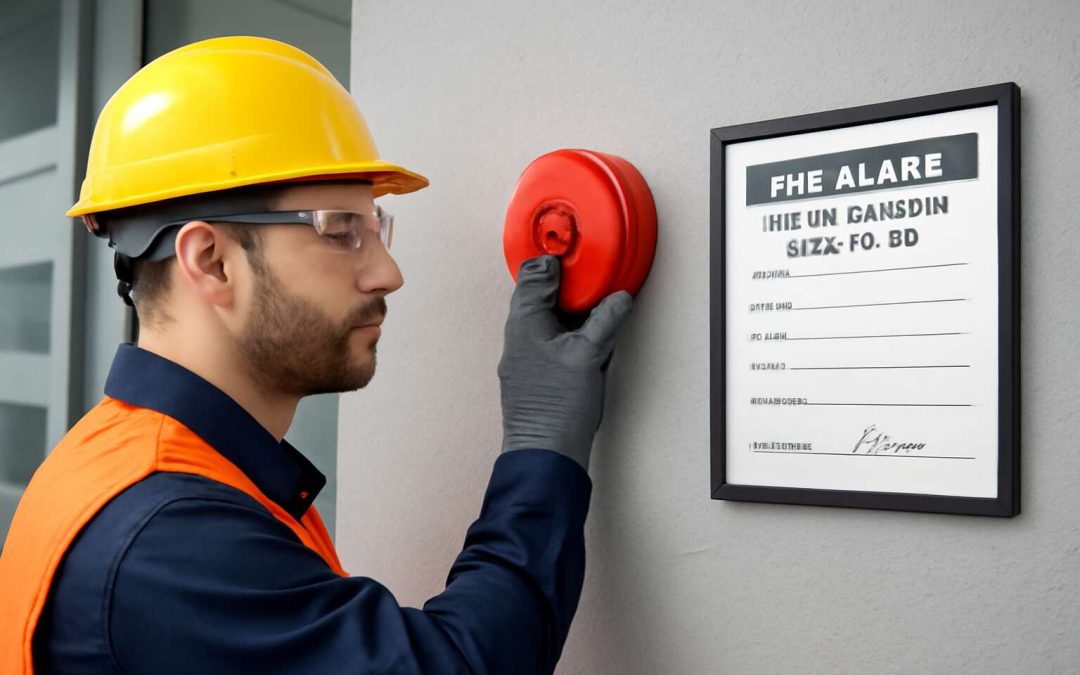
Understanding Fire Alarm Installation Certificates
Definition and Purpose – What is a fire alarm installation certificate and why is it essential?
In the intricate dance of safeguarding lives and property, the fire alarm installation certificate emerges as a silent but vital witness to compliance and safety. This document isn’t merely a piece of paper; it embodies the meticulous craftsmanship and adherence to rigorous standards that ensure every fire alarm system functions flawlessly when it matters most. In South Africa, where the threat of fire can escalate swiftly, possessing a valid fire alarm installation certificate is more than a legal requirement—it’s a moral imperative.
Essentially, the fire alarm installation certificate verifies that the system has been installed correctly, tested thoroughly, and meets all relevant safety regulations. It serves as a reassurance to property owners, insurers, and regulatory bodies that the fire alarm system isn’t just a decorative fixture but a reliable sentinel in times of crisis. Without this vital certification, the integrity of the fire safety measures may be called into question, leaving premises vulnerable and potentially compromising lives.
- Legal compliance with South African fire safety standards
- Proof of proper installation by qualified professionals
- Assurance for insurance claims and inspections
Ultimately, the fire alarm installation certificate is more than a bureaucratic formality; it is a testament to the commitment to safety, a safeguard woven into the very fabric of responsible property management. It reminds us that in the face of danger, preparation and certification can make the difference between tragedy and survival.
Legal Requirements – Regulations governing the issuance of fire alarm installation certificates
In South Africa, the issuance of a fire alarm installation certificate is governed by a framework of stringent regulations, designed to uphold safety and accountability. These laws aren’t arbitrary; they are rooted in a deep understanding that fire safety is not merely a procedural checkbox but a moral obligation to protect lives and property. The legal requirements surrounding the fire alarm installation certificate demand that only qualified professionals conduct the installation, ensuring every system adheres to national standards.
The process typically involves a series of meticulous steps, including system design, installation, and testing. Authorities mandate that a certified technician must verify each phase, culminating in the issuance of the fire alarm installation certificate. To streamline compliance, the regulations often specify:
- The credentials of the technicians involved
- The standards and codes that must be met
- The documentation required for certification
Understanding these legal parameters reveals a profound truth—compliance isn’t just about avoiding penalties; it’s about embracing a shared responsibility to safeguard human lives. The fire alarm installation certificate, therefore, is more than a formal document; it’s a testament to the moral fabric woven into South Africa’s approach to fire safety laws.
Who Issues the Certificate – Authorized professionals and certifying bodies
In South Africa, securing a fire alarm installation certificate isn’t a casual affair—there’s a strict chain of authority behind every signed document. Think of it as the fire safety equivalent of a VIP pass; only qualified professionals and certifying bodies have the credentials to issue it. These experts aren’t just ticking boxes—they’re meticulously verifying that each system complies with national standards and safety protocols.
Who exactly issues this vital document? The answer is simple but crucial: authorized professionals, including registered fire safety technicians and accredited certifying bodies. These entities have undergone rigorous vetting to ensure they’re up to the task of safeguarding lives and property. The process involves a series of inspections, tests, and validations before the fire alarm installation certificate is finally awarded.
- Certified fire safety technicians
- Accredited certifying authorities
Without these trusted professionals, the fire alarm installation certificate would be just another piece of paper—meaningless in the face of real fire safety challenges. Their expertise ensures every alarm system is not only compliant but also capable of saving lives when it counts the most.
The Process of Obtaining a Fire Alarm Installation Certificate
Initial Inspection and Planning – Assessing requirements and designing the fire alarm system
Securing a fire alarm installation certificate isn’t just a bureaucratic tick box; it’s a vital milestone in safeguarding lives and property. The journey begins with the initial inspection and meticulous planning stage, where experts assess the unique requirements of each building. This phase involves evaluating the layout, occupancy, and potential fire hazards—each detail shaping the design of an effective fire alarm system. It’s a process rooted in understanding, ensuring that every component aligns with safety standards and regulatory expectations.
Designing a compliant fire alarm system demands precision and foresight. During this stage, professionals consider factors such as alarm zones, detection devices, and integration with other safety measures. A well-conceived plan not only meets legal requirements but also ensures swift, accurate alerts when every second counts. The aim is to craft a system that is both unobtrusive and immediately reliable, reinforcing a building’s resilience against fire emergencies.
To streamline the process, some jurisdictions employ a structured approach, often including the following steps:
- Assessment of building layout and fire risks
- Design of the alarm system tailored to specific needs
- Preparation of detailed installation plans
Once these foundational steps are completed, the next phase involves rigorous testing and documentation, culminating in the issuance of the fire alarm installation certificate—an emblem of compliance and safety readiness. This process, though intricate, underscores the profound responsibility of protecting lives through meticulous planning and adherence to standards.
Installation Procedures – Standards and best practices for safe and effective installation
Obtaining a fire alarm installation certificate is a critical step in confirming the safety and compliance of a building’s fire detection system. The process begins with adherence to strict standards, ensuring that every component of the installation meets South African safety regulations. Professional technicians follow detailed procedures, emphasizing precision, safety, and durability.
Typically, the installation process involves multiple stages—each designed to uphold the integrity of the fire alarm system. These stages include mounting detection devices, wiring, and configuring alarm zones. The entire process is guided by best practices, such as using certified equipment and adhering to manufacturer instructions.
Once installation is complete, thorough testing is conducted to verify functionality. Only after successful testing and proper documentation can an authorized certifying body issue the fire alarm installation certificate. This document not only signifies regulatory compliance but also assures building owners and occupants of a reliable safety system.
Final Inspection and Testing – Verifying system functionality before certification
The final act in the symphony of fire safety is the meticulous process of inspection and testing before the coveted fire alarm installation certificate is bestowed. This moment is nothing short of a rite of passage, where every wire, sensor, and zone must perform flawlessly in unison. During this phase, certified technicians conduct comprehensive checks to verify that the system responds accurately to fire signals and that all components are functioning as intended.
A thorough evaluation involves scrutinizing alarm zones, ensuring detection devices are correctly mounted, and confirming that wiring adheres to South African safety standards. Only when these elements harmonize perfectly can the system be deemed ready. It’s a dance of precision, patience, and expertise—each step vital to securing the safety of your building. When the system passes its final test, the certifying body issues the fire alarm installation certificate, a testament to compliance and reliability.
Key Components Included in the Certificate
Certificate Details – Information recorded on the document
Think of the fire alarm installation certificate as the system’s birth certificate—an official record that proves your fire safety has been properly handled. It’s not just a piece of paper; it’s a legal safeguard and a badge of compliance. When inspecting the certificate, you’ll notice it contains essential details that leave no room for guesswork. These details are the backbone of accountability and serve as a reference for future inspections or audits.
Typically, a comprehensive fire alarm installation certificate includes several key components to ensure clarity and thoroughness. For instance, it records the exact location of the fire alarm system, the types of detectors installed, and the date of installation. Additionally, it lists the credentials of the technician or company responsible for the setup, along with certification numbers and contact information. This meticulous documentation ensures that every element of the installation adheres to South African fire safety standards and regulations.
To make things even more transparent, many certificates feature a checklist of the installed components, such as:
- Control panels
- Smoke and heat detectors
- Manual call points
- Audible and visual alarms
All these details come together to form a robust record that not only confirms compliance but also streamlines future maintenance and inspections. A well-crafted fire alarm installation certificate is, without a doubt, the cornerstone of a safe and compliant building—proof that the fire safety system is both effective and officially sanctioned.
Compliance Standards – References to relevant fire safety codes
In South Africa, a fire alarm installation certificate is more than just a formality—it’s a vital record that ensures your building’s fire safety system meets rigorous standards. The compliance standards mandated by national fire safety codes, such as SANS 10139 and SANS 10400, set precise benchmarks for what must be included in this document. These standards emphasize transparency and accountability, making the certificate a trustworthy reference for ongoing safety management.
Key components included in the fire alarm installation certificate reflect adherence to these codes. For example, the certificate details the exact location of the fire alarm system, the types of detectors installed, and the date of installation. To verify comprehensive compliance, the certificate often features a checklist covering essential elements like control panels, smoke and heat detectors, manual call points, and audible and visual alarms. These elements are crucial for ensuring the system functions flawlessly and aligns with South African fire safety regulations.
This meticulous documentation provides clarity, streamlining future inspections and maintenance routines. When the fire alarm installation certificate is complete, it confirms that every component has been installed according to the highest standards, fortifying the safety of occupants and property alike. Without it, the building risks falling short of legal and safety expectations—a risk no responsible owner can afford to take!
Installation Date and Location – Specifics about the site and timeframe
When it comes to the fire alarm installation certificate, specifics about the site location and installation date aren’t just bureaucratic formalities—they’re the backbone of fire safety accountability. This document precisely pinpoints where the fire alarm system is installed within the building, whether it’s tucked away in a corner of the basement or perched atop a sprawling warehouse ceiling. Clear site details make inspections smoother and help maintenance crews locate components swiftly when seconds count.
Equally crucial is the installation date—think of it as the fire safety system’s birthday. Knowing exactly when the system went in helps determine its lifespan, schedule timely upgrades, and verify ongoing compliance with South African fire safety standards. A well-documented fire alarm installation certificate not only verifies that your system was installed according to regulation but also provides a timeline that can be cross-checked during audits or in the event of a safety incident.
- Exact location of the fire alarm system within the building.
- Date of installation, marking the system’s activation.
Incorporating these details into the fire alarm installation certificate ensures transparency and fosters a culture of accountability. Because in fire safety, precision isn’t just preferred—it’s mandatory.
Installer Information – Details about the certifying technician or company
Importance of a Valid Fire Alarm Installation Certificate
Legal Compliance – Meeting statutory fire safety requirements
In the intricate dance of fire safety, a valid fire alarm installation certificate is far more than a mere piece of paper—it’s the guardian of legal compliance and peace of mind. In South Africa, where fire regulations are woven into the fabric of building safety, ensuring that every fire alarm system is properly certified is essential to avoid costly penalties and potential liabilities. The certificate acts as a tangible testament that the system has undergone meticulous inspection and adheres to the prescribed standards. Without it, your premises risk falling into the shadows of non-compliance, which can compromise safety and invite legal scrutiny.
Meeting statutory fire safety requirements through a valid fire alarm installation certificate isn’t just a bureaucratic hurdle; it’s a safeguard against unforeseen tragedies. Authorities rely on these certificates to verify that fire alarm systems are installed correctly, functioning optimally, and ready to respond in moments of crisis. This document also plays a pivotal role in insurance claims and legal defenses, emphasizing its importance in the broader landscape of risk management. When the certificate is in place, it signals a commitment to safety that is both responsible and enduring.
Insurance and Liability – Protection and proof of compliance for insurance purposes
A valid fire alarm installation certificate isn’t just a bureaucratic formality—it’s a cornerstone of protecting your property and your people. When it comes to insurance and liability, this document acts as undeniable proof that your fire safety system has been installed according to strict standards. Insurance companies often require a fire alarm installation certificate before processing claims, emphasizing its role as a safeguard against unforeseen costs.
Without this certificate, your ability to demonstrate compliance can be compromised, leaving you vulnerable in legal disputes or insurance disputes. It provides clear evidence that certified professionals have inspected, tested, and approved your fire alarm system. This reassurance isn’t just about ticking boxes; it’s about establishing a solid foundation of safety and accountability. For property owners and managers, the fire alarm installation certificate is an essential document that affirms your commitment to adhering to South Africa’s fire safety regulations and managing risks effectively.
Safety Assurance – Ensuring system reliability and occupant safety
A fire alarm installation certificate isn’t just a piece of paper—it’s a vital safeguard that guarantees the reliability of your fire safety system. When you see that official document, you’re assured that your fire alarm has been installed according to the highest standards, giving you peace of mind in moments of crisis. In South Africa, where safety regulations are strict, this certificate embodies compliance and accountability.
Occupants rely on the integrity of these systems every day, and a valid fire alarm installation certificate reassures everyone that the equipment will perform when it matters most. It validates that trained professionals have meticulously inspected, tested, and approved your fire alarm system—eliminating guesswork and reducing risk. Without this crucial certification, your property’s safety might be called into question, and insurance claims could be jeopardized.
Ensuring system reliability isn’t just about meeting legal obligations; it’s about protecting lives and property with unwavering confidence. For property managers and owners, a fire alarm installation certificate is more than a bureaucratic formality—it’s a testament to your commitment to safety and compliance. In a landscape where unforeseen fires can devastate livelihoods, this document becomes an unshakeable pillar of security.
Property Value and Sale – Impact on property valuation and resale
A valid fire alarm installation certificate isn’t just a bureaucratic badge—it’s a powerful testament to your property’s safety integrity. When it graces your documentation, it signals that your fire alarm system has been expertly installed, tested, and approved by authorized professionals. This stamp of approval can significantly influence how your property is perceived in the market.
In South Africa’s competitive real estate landscape, a fire alarm installation certificate can elevate your property’s value and appeal. Prospective buyers and tenants often view this certification as a mark of reliability, translating into increased confidence and willingness to pay a premium. Moreover, during resale, a well-documented fire safety record, including the fire alarm installation certificate, can streamline negotiations.
Indeed, properties boasting such certification tend to enjoy higher valuation stability, as they demonstrate compliance with strict safety standards. This can be a decisive factor when it comes to property appraisal or when negotiating insurance premiums. In essence, a fire alarm installation certificate is not merely an administrative formality—it’s an investment in long-term property resilience and marketability.
Maintaining and Renewing Fire Alarm Certificates
Regular Inspections – Periodic system checks and certifications
In the silent vigilance of a fire alarm system, the true testament to its unwavering reliability lies not just in its installation, but in the steadfast commitment to maintaining and renewing the fire alarm installation certificate. Regular inspections serve as the heartbeat of this assurance, a rhythmic pulse that ensures the system’s integrity endures through time’s relentless march. Each check is a ritual, a reaffirmation that safety standards are met and the system remains primed to respond when fate demands it.
Periodic system checks are more than mere formalities; they are crucial acts of fidelity to fire safety protocols. During these inspections, technicians meticulously verify component functionality, ensuring detectors, alarms, and control panels operate harmoniously. This vigilance culminates in the renewal of the fire alarm installation certificate—a vital document that encapsulates compliance and readiness. Remember, in the realm of fire safety, consistency is the silent guardian, and renewal signifies an ongoing pledge to protect lives and property alike.
Updating Certification – When and how to renew or update the certificate
In the intricate dance of fire safety, maintaining the integrity of your fire alarm system is paramount. A fire alarm installation certificate isn’t merely a bureaucratic badge; it’s a testament to your commitment to safeguarding lives and property. But what happens when that certificate begins to near its expiration date? The truth is, renewal isn’t just a formality—it’s a vital act of ongoing vigilance.
Renewing or updating your fire alarm installation certificate should align with the prescribed intervals set by local fire safety regulations. Typically, this involves scheduling an inspection with a qualified professional who will verify that every component remains in peak condition. During this process, the certifying technician will assess the functionality of detectors, control panels, and alarms, ensuring compliance with current standards.
- Arrange for a licensed fire safety inspector to evaluate the system.
- Address any deficiencies or outdated components identified during the inspection.
- Secure the renewal or update of the fire alarm installation certificate, which will reflect the current state of the system.
It’s worth noting that the renewal process isn’t a one-size-fits-all scenario; it depends on your property’s unique specifications and the evolving landscape of fire safety codes. Staying proactive with updates not only sustains legal compliance but bolsters the confidence that your fire alarm system remains a silent guardian, vigilant and ready at a moment’s notice.
Record Keeping – Best practices for storing and managing certificates
Maintaining an organized record of your fire alarm installation certificate is the cornerstone of robust fire safety management. As these documents serve as proof of compliance and diligent upkeep, storing them in a secure, easily accessible location ensures that necessary inspections and renewals proceed without a hitch. Digital archiving offers a modern approach—scanning and backing up certificates in cloud-based systems guarantees that crucial information is safeguarded against loss or damage.
Creating a systematic filing process, whether physical or electronic, empowers property owners and managers to track renewal dates and maintenance history effortlessly. Consider implementing a calendar reminder or dedicated spreadsheet to monitor upcoming expiry dates, ensuring no lapse occurs in your fire safety protocol.
- Keep copies of all fire alarm installation certificates in multiple locations for added security.
- Regularly review and update your records to reflect any system modifications or repairs.
- Maintain a log of inspection dates, technician details, and certification statuses for comprehensive oversight.
In the realm of fire safety, meticulous record keeping of your fire alarm installation certificate isn’t mere bureaucracy—it’s a vital act of safeguarding lives and property, weaving a fabric of compliance and vigilance that stands resilient through time.
Choosing Professionals for Fire Alarm Certification
Qualified Installers – Certifications and licenses to look for
Choosing the right professionals to obtain a fire alarm installation certificate is not merely a matter of convenience—it is a safeguard woven into the very fabric of safety standards. In South Africa, the importance of engaging qualified installers cannot be overstated; their expertise ensures that the fire alarm system is both compliant and reliable.
When selecting a professional, look for certifications and licenses that reflect adherence to local fire safety regulations and international standards. Certified technicians often hold qualifications from recognized certifying bodies, such as the South African Qualifications Authority (SAQA). These credentials serve as a testament to their mastery of rigorous installation procedures and safety protocols.
To guarantee your fire alarm installation certificate is legitimate, verify that the installer possesses:
- Valid licensing from relevant fire safety authorities
- Affiliations with recognized professional associations
- Documented training in the latest fire safety standards
Securing the services of such qualified installers not only ensures compliance but also elevates the trustworthiness and durability of your fire safety infrastructure. When the moment comes to present your fire alarm installation certificate, rest assured it embodies a commitment to excellence that safeguards lives and property alike.
How to Verify Credentials – Ensuring the installer’s credibility
In the labyrinth of fire safety, the fire alarm installation certificate stands as a beacon of trust and credibility. Ensuring that the installer’s credentials are genuine is vital—not just for legal compliance, but for the safety of lives and property. South Africa’s fire safety landscape is intricate, and verification of an installer’s credibility must be meticulous.
Begin by asking to see their valid licensing from relevant fire safety authorities—these licenses are the seals of a professional’s adherence to national standards. Next, inquire about their affiliations with recognized professional associations, which often set the benchmark for expertise and ethical practices. A reputable technician will also have documented training in the latest fire safety standards, reflecting their commitment to ongoing professional development.
- Request proof of certifications from certifying bodies such as SAQA or other recognized entities.
- Verify the installation date and site details recorded on the fire alarm installation certificate.
- Confirm that the installer’s details match those on the official documentation, ensuring no forgeries or misrepresentations.
This diligent verification process transforms a simple piece of paper into a symbol of unwavering commitment to safety—a testament that your fire alarm system is both compliant and trustworthy. When the time comes to present your fire alarm installation certificate, it embodies not only legal compliance but also peace of mind, crafted through careful scrutiny and expert craftsmanship.
Assessing Service Quality – Tips for selecting reliable service providers
Choosing the right professionals to handle your fire alarm installation certificate isn’t just about ticking a box—it’s about securing peace of mind for your property and loved ones. When selecting service providers in South Africa, look beyond the surface; assess their reputation, experience, and adherence to stringent standards. Reliable technicians often showcase a portfolio of completed projects, demonstrating their commitment to quality work and compliance.
To gauge their service quality, consider asking about their training and certifications from recognized bodies. A trustworthy installer will willingly provide proof of their qualifications, such as certifications from SAQA or other reputable certifying organizations. Additionally, verifying their licensing ensures they meet South Africa’s fire safety regulations, a crucial step in safeguarding your investment.
- Check for transparent documentation, including the fire alarm installation certificate, which confirms the system’s compliance and proper installation.
- Confirm the installer’s details align with the information recorded on the certificate to prevent any discrepancies.
- Assess their familiarity with current fire safety standards, ensuring your system adheres to local regulations and best practices.
Ultimately, selecting a well-qualified, credible service provider guarantees that the fire alarm installation certificate you receive is not only valid but also a true reflection of safety and professionalism. After all, trusting your safety to skilled hands makes all the difference when it comes to fire prevention and preparedness.
Frequently Asked Questions About Fire Alarm Certificates
What is the validity period? – Duration of the certification’s validity
A fire alarm installation certificate isn’t just a piece of paper—it’s proof that your property complies with safety standards. One common question is: how long is this certificate valid? In South Africa, the validity period for a fire alarm installation certificate typically ranges from one to three years, depending on local regulations and the type of building. This timeframe ensures that fire safety systems are regularly inspected and maintained, safeguarding occupants and property alike.
Keep in mind that the certificate’s validity isn’t indefinite. It’s vital to renew or update the fire alarm installation certificate before it expires to maintain compliance and ensure ongoing safety. Regular inspections and testing are part of the process, confirming that the fire alarm system remains fully operational and reliable. Staying on top of certification renewals not only meets legal requirements but also enhances your property’s value and safety profile.
Can I install the system myself? – Legal considerations and best practices
Can I install the fire alarm system myself? A question that echoes through the shadowed corridors of fire safety regulations. The answer, in South Africa’s darkened landscape of legal mandates, is a cautious no. Fire alarm installation is not merely a DIY affair — it is a craft carved into the fabric of certified expertise. The fire alarm installation certificate issued after a professional’s touch is the tangible proof that the system adheres to stringent safety standards. Attempting to bypass this process risks not only legal repercussions but endangers lives and property.
Regulations demand that only qualified, licensed technicians handle the installation, ensuring that every wire, sensor, and alarm aligns with the arcane codes of fire safety.
- The installer must possess valid certifications
- Adhere to the prescribed standards
- Conduct thorough testing before certifying a system
The integrity of your fire alarm system depends on this meticulous process, safeguarding all within the shadowed walls of your property.
Thus, the creation of a fire alarm installation certificate is a ritual performed by authorized professionals. Their expertise transforms a mundane task into a fortress of safety, sealing your commitment to compliance and protection against the encroaching darkness of fire hazards.
What should I do if my certificate expires? – Steps for renewal and re-certification
In the silent lull of safety, where darkness may threaten to creep unnoticed, the fire alarm installation certificate emerges as a beacon of assurance—an emblem of compliance and vigilance. Yet, what transpires when this vital document approaches its expiry? The answer resonates through the corridors of fire safety regulation with both gravity and grace. Renewal is not merely a bureaucratic task but a renewal of trust, a reaffirmation that the system still stands ready against the encroaching shadows of fire hazards.
To uphold the integrity of your fire safety measures, the process of re-certification must be approached with meticulous care. Typically, the steps involve an inspection to verify that the installed system continues to meet the prescribed standards. If deficiencies are uncovered, corrective actions are mandated before re-issuance. The renewal process often entails:
- Scheduling a comprehensive site assessment with qualified technicians.
- Conducting thorough testing of sensors, alarms, and circuitry.
- Ensuring all components are up-to-date and compliant with current fire safety codes.
By adhering to these steps, property owners demonstrate their unwavering commitment to safety. The renewal of the fire alarm installation certificate is more than a formality—it’s a testament to continuous vigilance, a promise that every alarm and sensor remains attuned to the call for rescue. When the certificate is renewed, it reaffirms the fortress of protection, guarding lives and property alike with renewed vigor and unwavering fidelity.
Are certificates transferable between properties? – Guidelines on property changes
When it comes to the transferability of a fire alarm installation certificate between properties, the answer is nuanced. Typically, these certificates are specific to the system installed at a particular location. They encompass details about the installation, compliance, and system integrity tailored to that site. Consequently, they do not automatically transfer if the property changes hands or undergoes significant renovations.
However, there are circumstances where the certificate’s validity can influence new property owners. For instance, if the fire alarm system remains unchanged and meets current safety standards, a new owner may be able to leverage the existing documentation during inspections. But often, the local fire safety authorities or certifying bodies require a fresh assessment and re-certification to ensure ongoing compliance. This process confirms that the fire alarm installation certificate remains valid and trustworthy, safeguarding lives and property.
In essence, property owners should view the fire alarm installation certificate not as a transferable asset but as a certification that necessitates reevaluation whenever the property changes ownership or undergoes structural modifications. This approach ensures that the safety standards remain rigorous, and the legal obligations are fulfilled, reaffirming the critical importance of maintaining current and valid fire safety documentation.
