
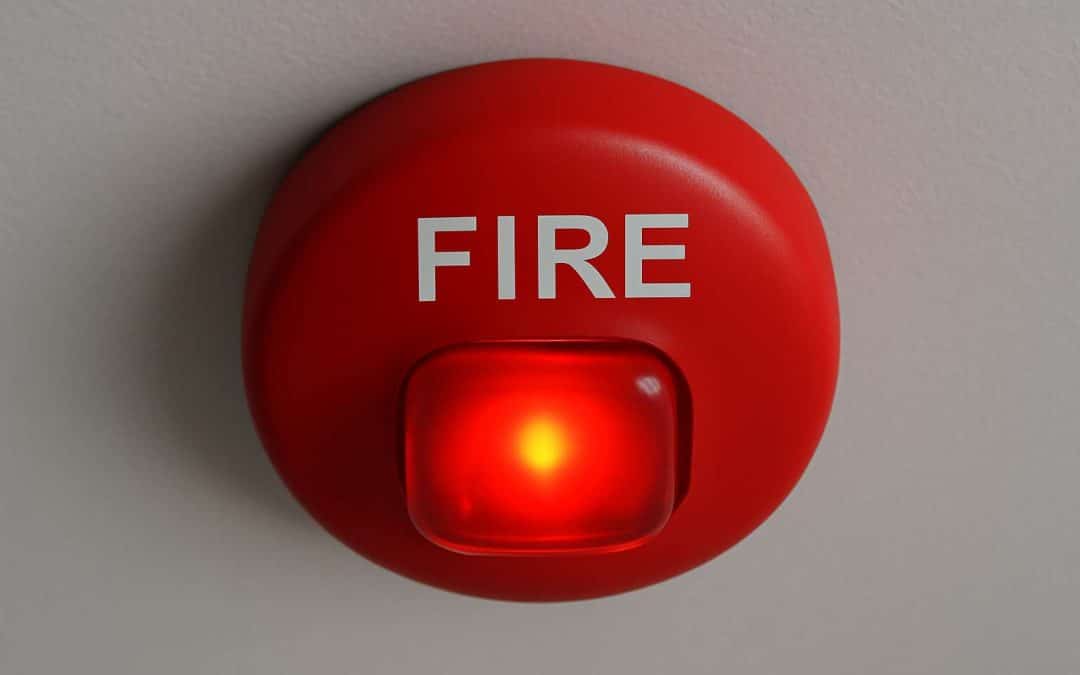
Understanding Fire Alarm Light Indicators
How Fire Alarm Lights Work – Explaining the basic functioning of fire alarm lights and their role in safety systems
Fire alarm light blinking is more than just a flashing indicator; it’s a crucial component of your safety system. These lights serve as visual alerts, ensuring everyone in the vicinity is aware of potential danger. When a fire alarm light blinks, it signals an active detection of smoke or heat, prompting immediate action. This simple yet effective technology helps prevent accidents and save lives.
Understanding how fire alarm lights work is key to maintaining a secure environment. Essentially, they are connected to sensors that detect hazardous conditions. Once triggered, the fire alarm light blinking pattern provides a clear visual cue, especially in noisy or large spaces where sound alarms might be missed. The lights are designed to be highly visible, often flashing in a consistent pattern that draws attention. This seamless integration of visual and auditory alerts forms a vital part of safety protocols.
In most systems, the fire alarm light blinking can indicate different statuses:
- Normal operation with a steady light
- Alarm state with rapid blinking
- Fault or maintenance mode with a slow blink
Recognizing these patterns helps users respond swiftly. Fire alarm systems are engineered to provide reliable visual cues, making the fire alarm light blinking an essential feature for comprehensive safety management.
Common Types of Alarm Lights – Overview of different light signals used in fire alarms (steady, blinking, color codes)
The fire alarm light blinking isn’t just a random flicker in the night; it’s a carefully orchestrated symphony of signals designed to keep us safe. Different alarm lights use a variety of signals—steady, blinking, or even color-coded—to communicate their status effectively. These visual cues are especially vital in bustling environments or large spaces where a loud siren might get drowned out or ignored. Recognizing the nuances of fire alarm light blinking patterns can be the difference between a quick escape and a dangerous delay.
Most fire alarm systems employ a universal language of light signals: a steady light indicates normal operation, while a rapid fire alarm light blinking signals an active emergency. A slow blinking, on the other hand, typically points to a fault or maintenance mode. To make things clearer, here’s a quick rundown:
- Steady light: All systems go, no issues detected.
- Fast blinking: Fire alarm light blinking to signal an active danger.
- Slow blinking: System is in fault or maintenance mode, requiring attention.
Understanding these patterns is crucial for anyone responsible for safety management. After all, the fire alarm light blinking serves as a vital visual indicator—an unmissable prompt that alerts everyone to potential peril, even when noise levels are high or visibility is compromised. In the realm of fire safety, ignoring these signals is not an option—every flicker could be a lifesaver.
Importance of Proper Alarm Indicators – Why accurate indications are crucial for safety and prompt response
In the theater of safety, the fire alarm light blinking acts as a silent sentinel, whispering urgent truths in a language all its own. These luminous signals serve as the pivotal bridge between chaos and clarity, guiding us through the darkness with unwavering precision. When a fire alarm light blinks, it is not merely a flicker of illumination but a call to awareness—an unambiguous message that danger lurks nearby.
Accuracy in these indications is paramount; a misinterpreted signal could mean the difference between swift escape and perilous delay. The importance of proper alarm indicators cannot be overstated—they embody the very essence of human safety. In environments bustling with activity, where noise and commotion drown out the faintest cry, these visual cues stand firm. They are the unyielding language of alertness—crucial in ensuring prompt response and saving lives.
Reasons Behind a Blinking Fire Alarm Light
Routine Indicators – What blinking lights typically represent in normal operation
A blinking fire alarm light often serves as a subtle yet vital indicator of the system’s internal rhythm, whispering secrets about its current state. In the realm of safety systems, these blinking lights are far from mere decoration; they are the silent messengers communicating reassurance or alert. When the fire alarm light blinking occurs in a steady, predictable pattern, it typically signifies normal operation—a reassuring pulse that the system is functioning correctly and ready to respond if needed.
However, the nuances of these signals can vary, and understanding what blinking lights typically represent in routine operation is crucial. For instance, a slow, regular fire alarm light blinking might indicate that the system is undergoing self-tests or updates. Conversely, an irregular or rapid blinking could hint at a minor fault or a need for inspection. Recognizing these signs ensures that safety is never compromised, allowing maintenance teams to interpret the fire alarm light blinking as a vital part of the system’s language—one that safeguards lives with silent precision.
Fire Alarm Triggered – Understanding blinking patterns that signal activation of the alarm
A fire alarm light blinking is more than just a visual cue—it’s a critical part of understanding your safety system’s behavior. When a fire alarm light blinking occurs, it often signals that the system has been triggered or is experiencing an issue. Different blinking patterns can reveal whether the alarm has been activated by smoke, heat, or an electrical fault.
For example, a rapid fire alarm light blinking may indicate an active fire or emergency situation, demanding immediate attention. Conversely, a slow, deliberate blinking might suggest the system is in standby mode or performing routine diagnostics. Recognizing these subtle differences can be life-saving, especially in environments where quick response times are essential.
In some cases, a fire alarm light blinking could also signify a need for maintenance or troubleshooting. Understanding these signals helps ensure the system remains reliable and ready to protect, making the interpretation of fire alarm light blinking a vital skill for safety management.
Technical Malfunctions – Common issues causing false blinking or irregular signals
Ever been caught in the unsettling glow of a fire alarm light blinking, only to realize it’s more than just a visual nuisance? Sometimes, that rhythmic flickering isn’t signaling a fire but a technical malfunction—an alarm system misfiring like a nervous parrot. These irregular signals can stem from a variety of issues, turning your safety system into a confusing disco of blinking lights rather than a reliable protector.
One common culprit is a power supply glitch. Think of it as your alarm system’s way of throwing a tantrum—losing steady voltage and causing the fire alarm light blinking to go haywire. Dust and debris can also cause false blinking; after all, even fire alarms are not immune to a little dirt-based sabotage. Corroded wiring or loose connections are no better, often leading to intermittent signals that look like a rave in your ceiling. Sometimes, outdated batteries or sensor malfunctions can trigger persistent blinking, confusing the system and possibly compromising safety.
In essence, a fire alarm light blinking irregularly is often an alarm system’s cry for help. Diagnosing these issues requires patience and a keen eye—because if you ignore the blinking, you might miss a genuine emergency or end up troubleshooting a false alarm that’s more trouble than it’s worth.
Battery or Power Issues – Impact of power supply problems on alarm light behavior
The relentless flicker of a fire alarm light blinking can stir unease, yet beneath that rhythmic glow often lies a more mundane truth—power supply issues. When the electrical current falters or fluctuates, the alarm system’s delicate circuitry reacts unpredictably, causing the fire alarm light blinking to become erratic. This disturbance isn’t just a minor inconvenience; it can compromise the reliability of your safety system, leaving you vulnerable.
Power supply glitches—ranging from surges to weak connections—are frequent culprits behind these signals. A sudden voltage drop can trick the system into perceiving a threat where there is none, manifesting as a blinking light that hints at trouble. Sometimes, the cause is as simple as loose wiring or corroded terminals, which disrupt the steady flow of electricity. In such cases, inspecting the electrical connections becomes vital, especially if the fire alarm light blinking persists despite reset attempts.
- Battery problems—outdated or poorly connected—are another common source, often prompting the fire alarm light blinking even when no fire exists.
In essence, power issues distort the normal operation of fire alarms, transforming a vital safety feature into a flashing enigma. Recognizing these underlying causes can prevent unnecessary alarm and ensure your system remains a steadfast guardian.
Troubleshooting a Blinking Fire Alarm Light
Checking the Power Source – Ensuring the alarm is connected to a reliable power supply or battery
There’s an undeniable tension that lingers when a fire alarm light blinking disrupts the usual quiet of your environment. That blinking light is more than just a nuisance—it’s a silent alarm, a signal that warrants immediate attention. Often, the culprit is a fluctuating power source, which can cause the fire alarm light blinking in unpredictable patterns. Ensuring your alarm is connected to a reliable power supply or a fresh battery can make all the difference in maintaining safety and avoiding false alarms.
To troubleshoot effectively, start by inspecting the power source. Check whether the alarm is properly connected to the main electrical system or if it’s running solely on battery power. If it relies on batteries, replacing them with high-quality, fresh batteries may resolve the blinking issue. Sometimes, a weak or dying battery can cause the fire alarm light blinking, giving a false impression of danger. For systems with backup batteries, it’s crucial to verify they are securely installed and fully charged.
- Remove the alarm from its mounting if accessible.
- Inspect the battery compartment for corrosion or loose connections.
- Replace batteries if they appear worn or outdated.
- Reinstall the alarm and observe if the fire alarm light blinking persists.
Persistent blinking often hints at underlying power issues or technical malfunctions. Recognizing these subtle signals can prevent unnecessary panic and ensure your safety system remains trustworthy when it matters most.
Resetting the Alarm System – Step-by-step guide to reset alarms with blinking lights
Occasionally, a fire alarm light blinking manifests as a cryptic Morse code of signals—an unsettling dance of shadows and lights that can unsettle even the most composed. When faced with this peculiar visual cue, the act of resetting the alarm system becomes paramount. This process, often misunderstood, is a delicate ballet of patience and precision, designed to recalibrate the system’s internal sensors and restore trust in its vigilant watch.
Begin by locating the reset button—usually nestled discreetly on the alarm unit or within the control panel. Press and hold it for approximately 15 seconds, allowing the system to pause and recalibrate itself. If your alarm system features a keypad, consult the manufacturer’s instructions to initiate a specific reset command. Sometimes, a simple power cycle can resolve persistent blinking issues—disconnecting the alarm from its power source, waiting a moment, then restoring power. This brief interruption disrupts any technical glitches that might be causing the fire alarm light blinking.
- Turn off the alarm system and remove the device if accessible.
- Inspect the wiring and connections for signs of corrosion or looseness.
- Press the reset button or follow the specific reset procedure outlined in your system’s manual.
- Restore power, ensuring all connections are secure.
- Observe whether the fire alarm light blinking persists or if the system indicates a successful reset.
In some cases, persistent blinking signifies deeper technical malfunctions—faulty sensors, compromised wiring, or software glitches—that demand a more thorough inspection. Recognizing these silent signals can be the difference between a false alarm and a genuine safety concern. Resetting the alarm system is not merely a mechanical act but a reinvigoration of trust in a device that stands as the first line of defense against unseen threats.
Inspecting for Obstructions or Damage – Visual inspection tips for physical damage or dust affecting sensors
When faced with a fire alarm light blinking, it’s tempting to dismiss it as a mere quirk of technology. But in truth, those flickering signals are often silent harbingers of underlying issues—perhaps dust-laden sensors or subtle wiring anomalies—that demand our keen eye and swift action. In South Africa’s bustling commercial spaces and cozy homes alike, a blinking fire alarm light can be a telltale sign that your safety system needs a thorough inspection. Ignoring these signals risks not only system malfunction but also compromised safety.
Begin by conducting a meticulous visual inspection of your alarm unit. Look for obstructions—dust, dirt, or spider webs—that could be impairing the sensor’s ability to detect smoke or heat. Damage to the device itself, such as cracks or corrosion on wiring, can also cause the fire alarm light blinking erratically. Sometimes, these issues are subtle but impactful, turning a simple blinking light into a cryptic Morse code of technical distress.
To streamline your troubleshooting, consider these steps:
- Turn off the alarm system and carefully remove the device if accessible.
- Inspect the wiring for signs of corrosion, looseness, or damage.
- Clean the sensor area gently, ensuring no dust or debris remains.
- Reinstall the device, restore power, and observe if the blinking persists.
In environments where dust or insects are prevalent, regular maintenance becomes not just recommended but essential. Sometimes, a persistent fire alarm light blinking signals deeper issues—faulty sensors, compromised wiring, or software glitches—that warrant professional attention. Recognizing these visual cues early can prevent false alarms and ensure your safety system remains a vigilant guardian rather than an unpredictable nuisance.
Consulting the User Manual – How to interpret blinking patterns based on manufacturer instructions
When faced with a fire alarm light blinking, it’s easy to feel like you’ve stepped into a sci-fi movie—minus the cool gadgets. But those flickering signals are more than just a malfunction; they’re often the alarm bells of hidden issues lurking within your safety system. Consulting the user manual is your first line of defense—think of it as decoding the secret language of your fire alarm light blinking patterns. Each manufacturer has its own Morse code, revealing whether it’s a simple dust build-up or something more sinister like a faulty sensor.
To interpret these signals properly, follow these steps:
- Identify the blinking pattern—does it flash rapidly or slowly?
- Match this pattern to the manufacturer’s guide, which often explains what each blink means.
- Check for consistent signals or irregularities that might indicate a deeper issue.
While some blinking patterns signal routine maintenance needs, others point to serious malfunctions—like wiring hiccups or software glitches. Remember, a proper understanding of what your fire alarm light blinking indicates can save precious time and prevent false alarms from turning into safety crises. So, always keep that user manual handy; it’s your best friend when troubleshooting those mysterious flickers!
When to Call a Professional
Persistent or Unusual Blinking – Signs that indicate a need for expert diagnosis
When a fire alarm light blinking becomes persistent or exhibits unusual patterns, it’s more than just a minor inconvenience — it could be a sign that something deeper is amiss. In the heart of South Africa’s unpredictable climate, where fires can ignite unexpectedly, recognizing the signs that demand professional diagnosis is vital for safety. A blinking light that doesn’t follow the usual routine may indicate technical malfunctions or underlying power issues that need expert attention. Ignoring these signals might compromise the entire safety system.
Sometimes, a fire alarm light blinking in an irregular manner points to issues beyond a simple battery replacement. It could be a sign of sensor damage, wiring faults, or system errors that require expert inspection. If the blinking pattern appears erratic or continues despite resetting attempts, it’s time to call in a professional. They can accurately diagnose whether the blinking light pattern signals a false alarm or a genuine threat, ensuring your safety measures are reliable and effective.
Alarm System Maintenance – Importance of regular professional checks
In South Africa’s dynamic climate, where unpredictable weather and environmental factors can influence safety systems, knowing when to call a professional for alarm system maintenance is crucial. A *fire alarm light blinking* may seem like a minor nuisance, but it often signals underlying issues that require expert attention. Recognizing these signals early can prevent costly repairs and ensure your safety measures remain reliable.
Regular professional checks help catch hidden faults before they escalate. If your alarm system exhibits persistent or unusual *fire alarm light blinking*, it’s time to seek specialized inspection. Technicians can identify sensor malfunctions, wiring faults, or power supply inconsistencies that might not be immediately apparent. Scheduling routine maintenance guarantees that your safety system functions optimally when it matters most.
In fact, many fire safety protocols advocate for annual inspections, emphasizing that a well-maintained alarm system is a cornerstone of effective fire prevention. Don’t wait for a false alarm or, worse, a real emergency—proactively engaging professionals ensures peace of mind and unwavering emergency preparedness.
Replacing Faulty Components – When and how to replace alarm parts safely
When the fire alarm light blinking becomes a haunting flicker in the shadows of your safety system, it’s time to summon the expertise of a professional. Replacing faulty components isn’t a task for the faint-hearted or the untrained. Safety demands precision, a delicate dance of technical knowledge and careful handling. Attempting to fix these internal mechanisms without proper training can turn a minor malfunction into a perilous catastrophe.
In circumstances where the blinking persists despite resetting or inspecting for obstructions, it signals a deeper ailment—perhaps a worn sensor or compromised wiring. Only a licensed technician can safely replace these components, ensuring your alarm system remains a vigilant sentinel rather than a ticking time bomb.
- Identify the source of the malfunction
- Use appropriate tools and safety gear
- Follow manufacturer guidelines meticulously
Remember, a fire alarm light blinking isn’t merely a flicker of inconvenience; it’s a call for professional intervention to safeguard what matters most.
Preventative Measures and Best Practices
Routine Testing of Fire Alarms – Schedule and methods for testing alarm indicators
Routine testing of fire alarms isn’t just a chore for the faint-hearted; it’s a vital safeguard against the chaos of an actual fire. Regular inspections ensure that the fire alarm light blinking signals are functioning correctly and that the system is prepared to alert everyone in the nick of time. Scheduling these tests monthly or quarterly, depending on local regulations, keeps your safety measures sharp.
When testing, use a methodical approach—press the test button and observe the fire alarm light blinking pattern. Any irregularities, such as inconsistent blinking or failure to activate, could indicate underlying issues. For added peace of mind, include a visual inspection for obstructions or dust that might hinder sensor performance.
For those who prefer a step-by-step routine, consider this list:
- Check the power source (battery or mains connection).
- Press the test button and observe the fire alarm light blinking.
- Inspect for physical damage or dust buildup.
- Review the manufacturer’s manual for specific blinking pattern interpretations.
Routine testing isn’t just about compliance; it’s about keeping your environment safe and fire alarm light blinking signals reliable, so everyone breathes a little easier.
Keeping Alarm Sensors Clean – Maintenance tips to prevent false alarms
Keeping fire alarm sensors pristine isn’t just good practice—it’s a vital shield against false alarms and system failures. Dust, dirt, and grime can silently sabotage the fire alarm light blinking signals, making them unreliable when it matters most. Regular maintenance ensures these critical indicators remain clear and responsive, safeguarding lives and property alike.
To prevent false alarms caused by debris or obstructions, incorporate routine cleaning into your safety protocol. Use a soft brush or compressed air to gently remove dust from the sensor and indicator areas. This simple step can dramatically improve the accuracy of the fire alarm light blinking, ensuring that genuine emergencies trigger immediate alerts.
Implementing a systematic cleaning schedule—perhaps quarterly—can reduce the risk of sensor malfunction. Additionally, check for any signs of damage or corrosion that might interfere with signal clarity. Remember, a well-maintained alarm system isn’t just about compliance; it’s about peace of mind. When fire alarm light blinking signals are consistently reliable, you breathe easier knowing your environment is protected against unseen hazards.
Upgrading Fire Safety Systems – Benefits of modern smart fire alarms and their indicators
Modern fire safety is not merely about compliance; it’s an existential choice—an affirmation that every breath we take is safeguarded by technology that anticipates disaster. Upgrading fire safety systems with smart fire alarms transforms the way we respond to danger, especially when it comes to the subtle language of fire alarm light blinking. These intelligent devices do more than just beep—they communicate through a symphony of signals that can be deciphered with insight and vigilance.
Smart fire alarms provide real-time, detailed indicators that traditional systems often lack. Their advanced sensors and integrated indicators can distinguish between false alarms and genuine threats with astonishing precision. When the fire alarm light blinking signals an anomaly—be it a sensor malfunction or a true emergency—it demands your attention. The benefits of such systems extend beyond mere detection; they enhance operational awareness and foster an environment where prompt, informed responses are possible.
Incorporating these innovations into your safety protocol, especially in high-risk environments, ensures that blinking signals are not just ignored or misunderstood. Instead, they serve as an early warning, guiding maintenance and response efforts. Upgrading to a modern, smart fire alarm system means embracing a layered approach to safety—one where every blinking light becomes a beacon of clarity, not confusion.
Understanding Fire Alarm Light Color Codes
Standard Color Indications – Common color schemes used in fire alarm systems
Understanding fire alarm light color codes is crucial for interpreting the signals your safety system sends. Standard color schemes are designed to communicate specific statuses instantly, often through a blinking pattern or hue. In South Africa, most fire alarm systems follow international standards, where a blinking red light typically indicates an active alarm or fault, while a steady green signifies normal operation. A blinking yellow or amber light, however, often points to a warning or maintenance alert, demanding attention before a real emergency occurs.
Many systems use a combination of light color and blinking cadence to convey complex information. For example, a slow blinking red light might mean the system is in test mode or awaiting activation, whereas rapid blinking can signal a detected fire or malfunction. Recognizing these subtle cues can mean the difference between a quick response and a catastrophic delay. It’s vital to understand these color indications to prevent false alarms and ensure prompt action when it truly matters.
Some fire alarm light blinking patterns follow specific standards, such as:
- Steady green: Normal operation
- Flashing red: Alarm triggered or system fault
- Flashing yellow/amber: Maintenance needed or system warning
By mastering these common color schemes used in fire alarm systems, you can enhance safety and reduce the risk of misinterpretation—an often overlooked yet essential aspect of fire safety management.
What Different Colors Mean – Interpreting color signals for quick understanding
Understanding fire alarm light color codes reveals a language of safety that’s both precise and urgent. When a fire alarm light blinking occurs, it’s a visual cue—an unspoken call for attention that can determine the difference between safety and catastrophe. Different colors and blinking patterns communicate distinct messages, guiding occupants and safety personnel alike.
In most South African fire alarm systems, a blinking red light signals either an active alarm or a fault within the system, demanding immediate awareness. Conversely, a steady green typically indicates normal operation, offering reassurance that the system functions correctly. A blinking yellow or amber light, however, often serves as a warning—suggesting maintenance is needed or that a system alert must be addressed before a true emergency arises.
Recognizing these signals quickly is essential. For instance, a slow red blink may mean the system is in test mode, while rapid blinking often signals an actual fire detection or malfunction. This nuanced interpretation ensures that responses are both swift and appropriate, bolstering overall safety and reducing false alarms.
By mastering the meaning behind each fire alarm light blinking pattern, safety becomes an instinct—an intuitive understanding that safeguards lives and property alike.
