
Understanding Fire Alarm Systems
Types of Fire Alarms – Overview of different fire alarm systems such as smoke detectors, heat sensors, and manual pull stations
Fire alarm systems are the silent sentinels of safety, their intricate mechanisms designed to detect danger before chaos erupts. In South Africa’s diverse environments—from bustling offices to sprawling warehouses—the question of when fire alarm is activated becomes a critical point of understanding. These systems are not monolithic but a symphony of various sensors and manual triggers that respond to different cues of peril.
Among the most common are smoke detectors, which rely on optical or ionization technology to sense the presence of smoke particles. Heat sensors, on the other hand, react swiftly to rapid temperature increases, providing a vital early warning in areas where smoke detection might be less effective. Manual pull stations serve as a human-responsive backup—an intuitive mechanism that, when activated, immediately triggers the entire alarm network.
It’s essential to recognize the distinct roles these fire alarms play, especially when considering the specific circumstances under which when fire alarm is activated. In some instances, a subtle rise in heat can activate a heat sensor, alerting occupants to hidden flames. Conversely, smoke detectors might be the first to sound, offering vital seconds to evacuate. Understanding these differences enhances our appreciation of fire alarm systems’ layered complexity and underscores the importance of tailored safety measures in South Africa’s unique landscape.
Components of a Fire Alarm System – Description of key components including control panels, sensors, and notification devices
Understanding the core components of a fire alarm system reveals a complex yet elegant machinery designed to safeguard lives and property. At its heart lies the control panel, the brain that processes signals from various sensors and orchestrates the activation of notification devices. Without this central hub, the system’s ability to respond swiftly would be compromised, leaving occupants vulnerable during moments of peril.
Connected to the control panel are sensors—smoke detectors, heat sensors, and manual pull stations—that serve as the system’s senses. These components detect different cues of danger, triggering responses that can vary based on the specific environment. When fire alarm is activated, it’s typically because these sensors have identified conditions that surpass predefined safety thresholds.
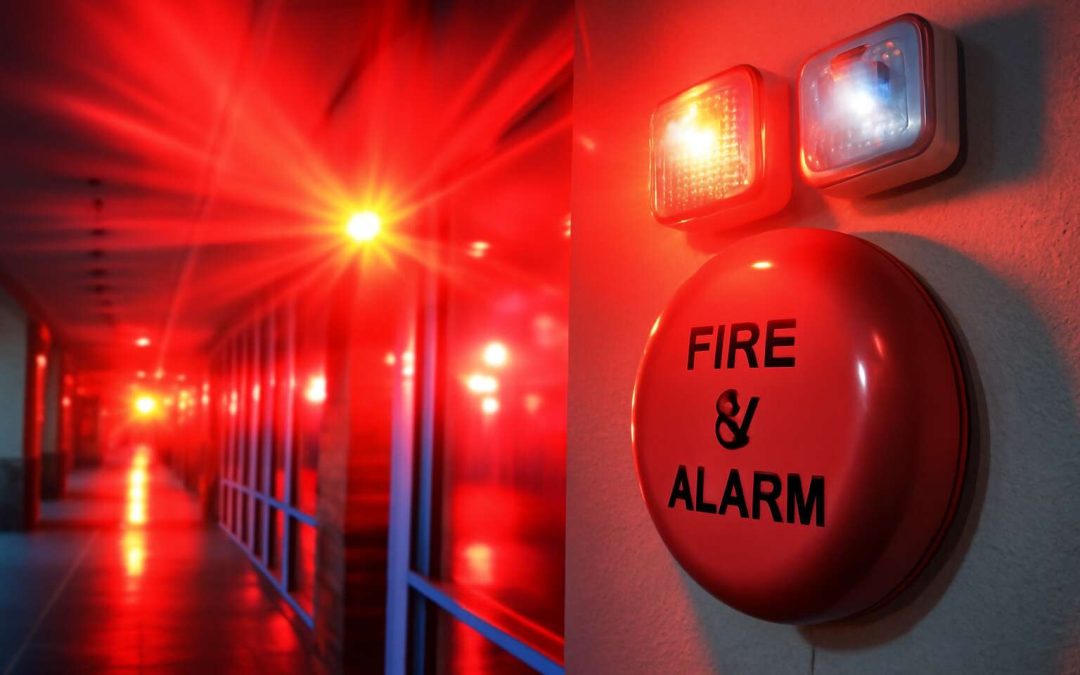
Notification devices—sirens, strobe lights, and voice alarms—are the system’s voice, alerting everyone within earshot. Their purpose is to cut through chaos, providing clear signals that prompt immediate evacuation. The synchronized operation of these components creates a layered safety net, ensuring that every second counts when the question of when fire alarm is activated becomes a matter of life and death.
How Fire Alarms Work – Basic principles behind fire detection and alarm activation mechanisms
In the realm of safety, understanding when fire alarm is activated is essential for effective response and protection. At its core, a fire alarm system is a marvel of silent precision, working tirelessly behind the scenes to detect danger before chaos ensues. These systems rely on basic principles rooted in environmental change detection—primarily smoke, heat, or manual intervention—triggering a cascade of alerts that ripple through the safety network.
The moment conditions surpass predefined safety thresholds, the fire alarm system springs into action. Sensors—such as smoke detectors or heat sensors—serve as vigilant sentinels, constantly monitoring their surroundings. When they sense anomalies, the control panel processes these signals, determining whether the threat warrants immediate activation. It’s a finely tuned machinery where every second counts, ensuring that when fire alarm is activated, occupants are warned swiftly and decisively.
Common Triggers for Fire Alarm Activation
Smoke and Fire Detection – Why smoke triggers alarms and what types of smoke detectors are used
In the silent watch of our daily lives, fire alarms stand as vigilant sentinels, awakening us only when danger lurks. An astonishing statistic reveals that most fire fatalities occur in moments when we are unaware—yet, when fire alarm is activated, it becomes the clarion call that can mean the difference between safety and catastrophe. Understanding what triggers this awakening is paramount. Smoke, the ghostly harbinger of danger, plays a pivotal role in this dramatic choreography of detection.
Smoke detectors are crafted to sense the presence of particulate matter in the air, which signals a potential blaze. These devices employ different technologies—ionization detectors excel at sensing fast-moving, flaming fires, while photoelectric detectors are more responsive to smoldering, smoky fires. When smoke particles breach the detector’s sensors, it triggers the alarm system, setting off a cascade of alerts. Knowing the common triggers for fire alarm activation helps us appreciate the delicate balance these devices maintain, protecting lives and property with unwavering vigilance.
Heat Detection – Situations where high temperatures activate fire alarms
High temperatures are a sneaky yet reliable trigger for when fire alarm is activated, especially in environments prone to heat buildup. Imagine a bustling kitchen or a boiler room—these hotspots can quickly reach dangerous levels without any visible smoke. When the temperature hits a critical threshold, most fire alarm systems are designed to spring into action, alerting occupants to danger faster than you can say “fire drill.”
Heat detectors are typically set to activate at temperatures around 57°C to 82°C (135°F to 180°F), depending on the system’s sensitivity. These devices are invaluable in areas where smoke detection might be less effective—like dusty workshops or greasy kitchens—where smoke alarms might trigger false alarms. Their role is simple but vital: when fire alarm is activated due to heat, it provides an early warning, giving everyone a chance to evacuate safely.
In essence, heat detection acts as the fire alarm’s backup, ensuring that no blaze goes unnoticed when smoke isn’t yet present or detectable. So, whether it’s a blazing oven or an overheated electrical panel, heat sensors keep a watchful eye and sound the alarm when the temperature climbs beyond safe limits. That’s when fire alarm is activated—by heat, by smoke, or sometimes a perfect storm of both, ensuring safety is never left to chance.
Manual Activation – Role of pull stations and manual triggers in fire safety systems
In the intricate dance of fire safety, manual activation stands as a vital act of courage and quick thinking. When fire alarm is activated through manual means, it often signifies an immediate recognition of danger by someone present—an instinctive gesture that can mean the difference between chaos and safety. Pull stations and manual triggers serve as the frontline warriors, waiting silently until summoned by a vigilant hand or an alert eye.
These devices are strategically positioned in high-traffic areas, ready to be activated in moments of crisis. When fire alarm is activated manually, it bypasses automated systems, directly alerting the entire building to the threat. Think of it as a call to arms—an urgent shout in the face of impending peril. In fact, in many fire safety systems, manual activation acts as a crucial backup, ensuring that no fire goes unnoticed, especially in scenarios where automated detection might falter.
Here’s how it typically unfolds:
- Someone spots signs of danger—smoke, flames, or an unusual heat source.
- They swiftly pull the fire alarm station, triggering the system.
- The alarm sounds loudly, alerting all occupants to evacuate immediately.
Manual triggers are an essential component of comprehensive fire safety, providing a human element that complements the automated sensors. When fire alarm is activated by this method, it embodies a proactive step—an instinctive, decisive action that can save lives and property. In the realm of fire safety, these manual devices are not just symbols of preparedness—they are the very embodiment of human vigilance turned into action, ensuring that when fire strikes, help is summoned without delay.
Electrical Faults and False Alarms – Conditions that can cause false alarms and how to prevent them
Electrical faults are a common culprit in the mysterious realm of false alarms, casting a deceptive shadow over genuine emergencies. Faulty wiring, short circuits, or power surges can send false signals, mimicking the telltale signs of fire—smoke, heat, or sparking sparks—tricking the system into a frantic alert. These electrical anomalies are often hidden within walls or beneath floors, silently waiting to disrupt the peace of a building’s safety fabric.
To prevent such chaos, meticulous maintenance and regular inspections are paramount. Ensuring electrical systems are up to code and free from deterioration minimizes the risk of false activation. Additionally, installing surge protectors and employing advanced detection technology can help distinguish between real threats and electrical misfires. When fire alarm is activated due to electrical faults, it underscores the importance of vigilant upkeep and technological precision in safeguarding lives and property.
Situations When Fire Alarm is Activated
Real Fire Incidents – Identifying genuine fire situations that activate alarms
In the realm of fire safety, knowing when fire alarm is activated for genuine reasons can be as unpredictable as a South African thunderstorm. While most alarms are the heroes in disguise, alerting us to real danger, sometimes they go off without a fiery reason—leaving everyone scratching their heads. But when fire alarm is activated due to authentic fire incidents, the alarm’s shrill cry is an unmistakable warning sign that something serious is brewing. From flickering flames to billowing smoke, real fire situations demand swift action to prevent catastrophe.
Understanding the circumstances that trigger the alarm can mean the difference between a quick evacuation and a disaster. Genuine fire incidents typically involve visible signs of combustion, such as smoke or flames, which activate smoke detectors and heat sensors. These alarms are designed to respond to the unmistakable presence of danger, ensuring occupants are alerted in time to evacuate safely. Recognizing when fire alarm is activated due to real fire situations helps professionals respond promptly, minimizing damage and saving lives.
Kitchen and Cooking Fires – When cooking-related smoke or heat may trigger alarms
In the bustling kitchens of South Africa, where aromas intertwine with sizzling sounds, the question often arises: when fire alarm is activated during cooking, is it a true emergency or a false alarm? Kitchen fires, especially in homes and restaurants, are a common catalyst for alarm activation. Even a moment’s distraction can lead to smoke billowing from a pan or the heat reaching a critical level, triggering the fire alarm system unexpectedly.
Most kitchen-related fire alarms respond to smoke particles or sudden temperature increases, making them highly sensitive to the environment’s chaos. This is where the distinction becomes vital—distinguishing between a genuine fire and a harmless cooking mishap. When fire alarm is activated due to smoke from burnt food or steam, it often requires human judgment to determine whether to investigate further or initiate evacuation procedures immediately.
- Overcrowded kitchens with poor ventilation
- Unattended cooking processes that produce excessive smoke
- Burnt food generating enough smoke to set off detectors
Understanding these nuances is essential for ensuring safety without unnecessary disruptions. When fire alarm is activated in such scenarios, knowing the difference between a false alarm and a real fire can make all the difference in safeguarding lives and property across South Africa’s vibrant culinary spaces.
Steam and Dust Interference – Non-fire events that can set off alarms in certain environments
In the dynamic environments of South Africa’s industrial and residential spaces, false alarms caused by steam and dust interference are more common than you might think. These non-fire events can create a chaotic scene, making it challenging to distinguish between a genuine emergency and a harmless anomaly. When steam from a boiling kettle or dust from construction work drifts into sensitive detectors, it can mimic the telltale signs of a fire, triggering the alarm unexpectedly.
Understanding the circumstances that cause the fire alarm to activate due to steam and dust is crucial. For instance, poorly ventilated areas or rapid temperature changes can cause smoke detectors to react prematurely. Sometimes, even the slightest gust of wind stirring dust can set off alarms. This is especially true in environments where airborne particles are abundant, such as workshops or kitchens. Recognizing these interference patterns helps in avoiding unnecessary panic and ensures a swift response when genuine danger arises.
- Steam from cooking or industrial processes
- Dust from construction or renovation activities
- Sudden temperature fluctuations in sensitive environments
While these triggers are not fires, they highlight the importance of proper detector placement and maintenance. When fire alarm is activated by such non-fire events, it often calls for a quick assessment—determining whether it’s an intervention or an alert for a real threat. In South Africa’s vibrant, bustling spaces, knowing when fire alarm is activated by dust or steam can be the difference between safety and catastrophe.
Maintenance and Malfunctions – Alarm activations caused by system issues or maintenance errors
In the intricate dance of safety and chaos, the moment when fire alarm is activated can be as unpredictable as a thunderstorm on a clear day. System malfunctions and maintenance errors often lie beneath the surface, lurking like shadows waiting to cast doubt on genuine emergencies. These issues, if unnoticed, can transform a routine check into a cacophony of false alarms, disrupting lives and business operations alike.
Electrical faults, worn wiring, or improper installation are common culprits that cause the fire alarm system to malfunction. Over time, dust accumulation or moisture ingress may interfere with sensitive sensors, mistakenly signaling danger. Regular maintenance acts as a vigilant guardian—ensuring detection devices remain pristine and operational. Yet, even with diligent upkeep, unforeseen glitches can occur, raising the question: when fire alarm is activated due to system issues, is it a false alarm or a cry for help?
In environments where systems are pushed to their limits, it’s vital to understand the nuances of alarm activation. Sometimes, a simple power surge or faulty control panel can trigger a cascade of alerts, prompting a thorough inspection. Recognizing these malfunctions not only prevents unnecessary panic but also preserves the integrity of the fire safety infrastructure—especially in South Africa’s bustling industrial landscapes where safety cannot be compromised.
Emergency Response When the Fire Alarm Activates
Immediate Actions to Take – Steps to ensure safety upon alarm activation
When the fire alarm is activated, it signals a critical moment where swift, decisive action can mean the difference between safety and catastrophe. In the chaos that ensues, every second counts, and understanding the immediate steps to take is vital for protecting lives and property.
Upon hearing the alarm, the first instinct should be to remain calm and avoid panic. Quickly assess the situation—if you see flames or smoke, evacuate immediately following the designated escape routes. Remember, the sound of the fire alarm is a call to action, not a suggestion.
In environments equipped with a fire alarm system, it’s crucial to activate the nearest manual pull station if it hasn’t already been triggered. This action not only alerts others but also helps ensure emergency services are notified without delay. Ensuring safety requires a clear plan, swift response, and unwavering vigilance—especially when fire alarm activation occurs unexpectedly.
Evacuation Protocols – Best practices for safe evacuation during a fire alarm
In the chaos of an unexpected fire alarm activation, clarity and swift action can be the difference between safety and tragedy. Understanding what to do when fire alarm is activated is crucial for everyone within the building. The moment the alarm sounds, it signals an urgent call to evacuate and safeguard lives. But what are the best practices for a safe and effective response during this critical time?
When fire alarm is activated, the priority must be to remain calm. Panic clouds judgment, but a clear mind ensures quick decision-making. Evacuate immediately following designated escape routes—these are carefully planned to maximize safety and minimize confusion. Never ignore the alarm or assume it’s a false trigger; every activation warrants serious attention.
Evacuation protocols should be familiar to all occupants. For optimal safety, consider these steps:
- Alert others nearby if it’s safe to do so, especially if the alarm has just been triggered unexpectedly.
- Assist those who may need help, such as the elderly or disabled.
- Proceed calmly but swiftly to the nearest emergency exit, avoiding elevators.
- Once outside, move to a designated safe assembly point, ensuring everyone’s accounted for.
In environments equipped with manual pull stations, activating the nearest one is not just a reflex but a vital action. It ensures that emergency services are notified immediately, potentially reducing response times. During the tense moments when you hear when fire alarm is activated, every second counts—and decisive action is essential for everyone’s safety.
Alerting Emergency Services – How and when to contact fire departments or emergency responders
The moment a fire alarm is activated, the entire dynamic of safety shifts instantaneously. In South Africa, where fire safety regulations are becoming increasingly stringent, understanding precisely when fire alarm is activated and how to respond is crucial for safeguarding lives and property. Activation signals an urgent call to action, demanding clarity and swift coordination to prevent catastrophe. Recognizing the significance of this moment can mean the difference between chaos and controlled evacuation.
When fire alarm is activated, the immediate step involves alerting emergency services—fire departments or emergency responders—without delay. Prompt communication ensures rapid intervention, which is essential in containing potential fires before they escalate. Typically, the protocol involves dialing the designated emergency number, such as 10177 or the local fire brigade’s contact, and providing clear, detailed information about the location and nature of the incident. In environments equipped with integrated alarm systems, the control panel often automatically notifies emergency responders, but human confirmation remains vital to avoid false alarms.
In the event of activation, it’s advisable to follow a systematic approach:
- Ensure that all occupants are alerted and evacuated according to established protocols.
- Designate a responsible person to communicate with emergency responders, relaying real-time updates.
- Maintain calmness to facilitate clear communication and organized evacuation.
When fire alarm is activated, the urgency extends beyond personal safety—timely contact with emergency services can significantly influence the outcome. Every second counts, and precise, decisive action ensures that help arrives swiftly, mitigating damage and saving lives. The interplay of human vigilance and technological reliability forms the backbone of effective fire response in South African workplaces, residential complexes, and public spaces alike.
Ensuring Safety After Activation – Checking for fire sources and preventing re-activation
Once the fire alarm is activated, the pressure to respond swiftly is undeniable. In South Africa, where fire safety regulations are tightening, understanding what to do when fire alarm is activated can make all the difference. Immediate action is vital to protect lives and property. Recognizing the significance of this moment helps prevent chaos and ensures a controlled, safe evacuation.
When fire alarm is activated, the first priority is to check for signs of fire. Look for visible flames, smoke, or unusual heat near the alarm source. These indicators confirm whether a genuine emergency exists. If a fire is confirmed, alert emergency services without delay—call the local fire brigade or emergency number. Clear communication about the location and severity of the fire speeds up response times. In many modern systems, the control panel automatically notifies responders, but human verification remains essential to avoid false alarms.
Preventing re-activation after the initial alarm is equally important. Common causes include dust, steam, or electrical faults. Regular maintenance and thorough inspections help identify potential triggers, reducing false alarms and ensuring the system functions reliably when it truly matters. When fire alarm is activated, quick identification and verification are key to managing the situation effectively. Maintaining vigilance and understanding the system’s behavior can save lives and minimize damage, especially in South African workplaces, residential blocks, and public spaces where fire safety is paramount.
Preventing False Alarms and Ensuring Alarm Reliability
Regular Maintenance and Testing – Importance of routine checks and system testing
In the realm of fire safety, the whisper of a fire alarm’s activation can echo like a clarion call across the fabric of your premises. Yet, understanding when fire alarm is activated goes beyond mere detection; it’s about ensuring that the system remains a steadfast guardian rather than a source of false alarms. A well-maintained fire alarm system is akin to a vigilant sentinel, standing guard against chaos and destruction.
Regular maintenance and testing are the enchantments that keep this guardian at peak readiness. Routine checks—think of them as ritualistic inspections—help identify weak links or potential faults before they manifest as false alarms or, worse, system failures. This proactive approach is vital in environments like South Africa, where the unpredictable nature of potential fire hazards demands unwavering reliability. By scheduling systematic testing of sensors, control panels, and notification devices, you ensure that when fire or smoke truly appears, the alarm will activate precisely when needed.
To prevent false alarms, consider implementing a few key practices:
- Calibration of sensors to avoid sensitivity drift
- Cleaning smoke detectors to prevent dust buildup
- Inspecting wiring and electrical components for faults
In essence, meticulous upkeep transforms a fire alarm system from a mere alarm into a resilient shield—ready to spring into action at the crucial moment when when fire alarm is activated. Such diligence not only safeguards lives and property but also preserves the trust in your fire safety infrastructure, ensuring it responds with unwavering fidelity every time it’s called upon.
Environmental Controls – Managing humidity, dust, and other factors that affect sensors
Environmental controls play a crucial role in ensuring the reliability of your fire alarm system. Factors like humidity, dust, and airborne particles can significantly impact sensor performance, leading to false alarms or missed detections. In South African environments, where dust from construction or high humidity levels are common, maintaining optimal conditions is essential.
To prevent false alarms caused by environmental factors, it’s important to regularly monitor and manage these conditions. Proper ventilation, dehumidification, and dust control measures help keep sensors functioning accurately. A simple yet effective step is to implement routine inspections of sensor locations to identify any buildup of dust or moisture.
- Calibrate sensors periodically to maintain sensitivity
- Ensure adequate ventilation around detectors
- Control dust and humidity levels within recommended thresholds
By managing these environmental factors, you can significantly reduce the chances of false alarms and ensure your fire alarm system remains dependable. Understanding when fire alarm is activated in such conditions helps in differentiating between real threats and environmental interferences, preserving the integrity of your fire safety infrastructure.
Training and Education – Training staff and residents on fire alarm protocols
Ensuring that your fire alarm system remains a vigilant guardian requires more than just installing high-quality sensors; it demands a commitment to comprehensive training and education. When fire alarm is activated, understanding the sequence of events can mean the difference between swift, decisive action and chaotic delay. Educating staff and residents about the nuances of fire alarm protocols fosters a culture of safety, transforming passive occupants into proactive defenders of life and property.
A well-informed team recognizes the subtle cues that differentiate a genuine emergency from environmental noise. Regular training sessions should encompass not only the technical aspects of alarm response but also the human element—calmness, clarity, and swift evacuation. To reinforce this, consider implementing practical drills that simulate real scenarios, ensuring every individual knows precisely when fire alarm is activated and how to respond effectively.
In environments prone to environmental interferences—such as dust-laden construction zones or humid South African climates—knowing the signs of false alarms versus real threats becomes vital. When fire alarm is activated, familiarity with these distinctions allows for rapid assessment, reducing unnecessary panic and ensuring resources are directed appropriately. Investing in ongoing education cultivates a protective awareness, enabling your fire safety infrastructure to stand resilient against both nature’s whims and unforeseen emergencies.
Upgrading System Components – Modern solutions to improve accuracy and reduce false alarms
In the heart of South Africa’s vibrant communities, the sound of a fire alarm can be both a call to action and a source of anxiety. Upgrading system components is crucial in ensuring that when fire alarm is activated, it triggers swiftly and reliably, safeguarding lives and property. Modern fire alarm solutions utilize advanced sensors and intelligent control panels that distinguish between real threats and environmental interferences—saving precious time and reducing false alarms.
To prevent false alarms, consider integrating multi-criteria detection systems that combine smoke, heat, and even gas sensors. These layered safeguards not only improve accuracy but also enhance the reliability of the entire fire safety infrastructure.
- High-sensitivity smoke detectors with false alarm filtering capabilities
- Environmental sensors that monitor humidity and dust levels
- Smart control panels that analyze data before triggering alarms
When these components work harmoniously, they create a resilient system that can tell the difference between a genuine fire and harmless environmental disturbances.
Investing in the latest technology and regularly updating system components ensures your fire alarm remains a vigilant guardian. It’s a promise that, when fire alarm is activated, the response is swift and appropriate—minimizing chaos and maximizing safety with unwavering precision. In this way, modern solutions foster a culture of trust and preparedness, especially vital in regions where environmental factors can easily influence alarm systems. After all, a reliable fire alarm system is the backbone of any effective fire safety strategy, standing resilient against both nature’s unpredictability and human error.
Legal and Safety Considerations
Fire Safety Regulations – Legal requirements for fire alarm installation and maintenance
In South Africa, fire safety isn’t just a good idea — it’s a legal must. Regulations around when fire alarm is activated are clear: systems must be reliable, well-maintained, and compliant with local standards. Ignoring these rules can lead to hefty fines, insurance headaches, or worse, tragic consequences. The law mandates regular checks and proper installation to ensure alarms are ready to sound at the first whiff of danger. This isn’t about paranoia; it’s about safeguarding lives and property with precision and accountability.
Understanding the legal requirements means knowing that fire alarm systems must be installed by qualified professionals and tested routinely. When fire alarm is activated, it should trigger a cascade of safety protocols, including alerting emergency services and guiding occupants safely out of harm’s way. In environments like commercial buildings or high-density residential complexes, strict adherence to fire safety regulations isn’t optional — it’s a legal obligation designed to prevent chaos, injury, and loss.
In essence, compliance isn’t just a bureaucratic hurdle; it’s a critical component of responsible fire safety management. When fire alarm is activated, it’s crucial that systems operate flawlessly, meeting all South African fire safety standards and regulations. This ensures that in moments of crisis, the response is swift, effective, and legally sound, turning a potential disaster into a manageable incident.
Liability and Responsibilities – Property owners’ and tenants’ duties regarding fire safety
In the labyrinth of fire safety, understanding the liability and responsibilities surrounding the activation of fire alarms is vital for both property owners and tenants. When fire alarm is activated, it signals more than just an alert; it ignites a chain of legal and safety obligations that must be meticulously upheld. Failure to meet these duties can result in severe legal repercussions and jeopardize lives.
Property owners bear the ultimate responsibility to ensure fire safety compliance. This includes regular maintenance, proper installation, and routine testing of fire alarm systems. Tenants, on their part, must remain vigilant and report any anomalies or malfunctions promptly. Together, they form a safeguard against chaos during emergencies. In South Africa, legal frameworks clearly delineate these duties, emphasizing that when fire alarm is activated, every stakeholder must act swiftly and responsibly.
To mitigate risks and uphold safety standards, property managers often adopt a comprehensive approach:
- Regularly scheduled inspections by qualified technicians
- Immediate response protocols upon alarm activation
- Clear communication channels with emergency services
Such measures are not merely bureaucratic formalities—they are the armor that shields lives and property. When fire alarm is activated, a seamless and coordinated response becomes the cornerstone of effective fire safety management, ensuring accountability and swift action in moments of crisis.
Insurance Implications – Impact of fire alarm systems on insurance coverage
When fire alarm is activated, it triggers more than just a loud noise. It has significant legal and safety implications that can impact property owners and tenants alike. In South Africa, understanding these consequences is essential for compliance and protection. Fire alarm systems are designed to alert everyone quickly, but their activation also signals a potential emergency that requires immediate response.
Insurance companies view the activation of fire alarms as a critical factor in assessing risk and coverage. A properly maintained fire alarm system can lower premiums, as it demonstrates proactive safety measures. Conversely, frequent false alarms or system malfunctions may lead to increased costs or even policy exclusions. Ensuring that fire alarm systems are regularly tested and compliant with legal standards is vital to avoid insurance disputes and to secure comprehensive coverage.
For property owners, this means adhering to strict regulations regarding fire safety standards. When fire alarm is activated, it’s a cue to document the event and confirm that all safety protocols are followed. Many insurers also require detailed records of maintenance and alarm responses to process claims efficiently. In this way, fire alarm activation becomes a key element that influences insurance implications and the overall safety integrity of a building.
