
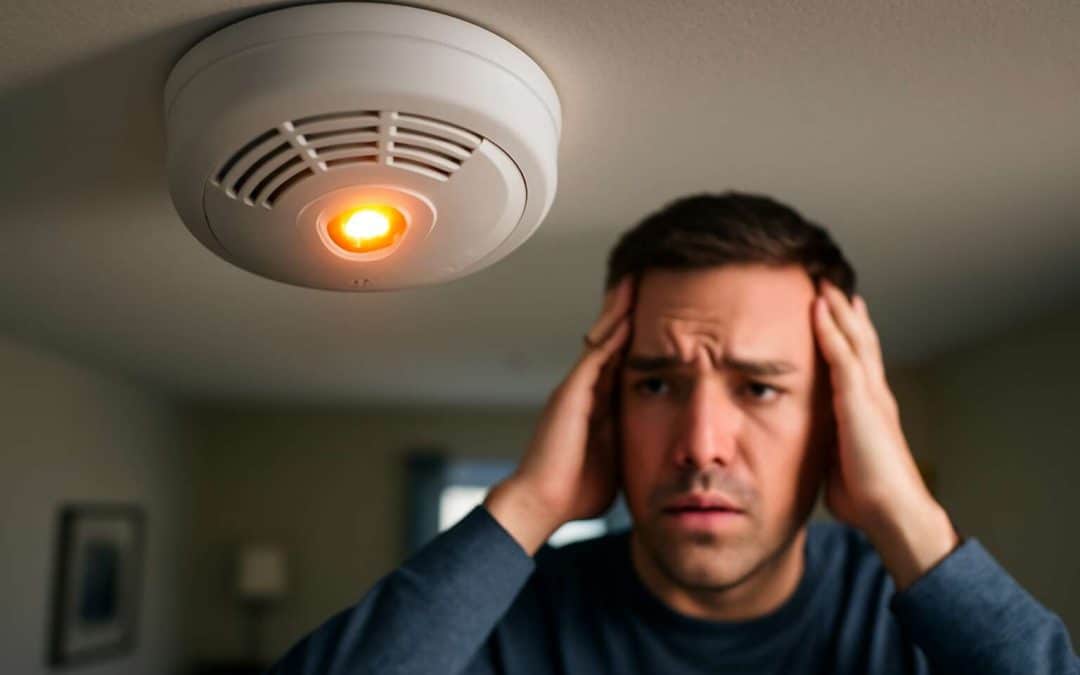
Understanding Why Your Fire Alarm Keeps Beeping Randomly
Common Causes of Random Beeping – Exploration of typical reasons such as low battery, dust, or mechanical issues
A fire alarm that keeps beeping randomly can feel like an unwelcome guest at a party—annoying, unpredictable, and impossible to ignore. Surprisingly, this common nuisance often stems from simple, overlooked causes rather than imminent danger. For instance, low batteries are the most frequent culprits, especially when your fire alarm is old enough to remember the days of dial-up internet. Dust accumulation inside the sensor can also trigger false alarms, making the device think there’s a fire when there’s just a bit of dust doing the cha-cha. Mechanical issues—like wiring problems or a malfunctioning circuit board—can also cause the fire alarm to beep randomly, turning your peaceful home into a symphony of beeps.
Sometimes, these devices need a gentle reset or a quick cleaning to restore harmony. Ignoring the beeping can lead to more serious issues, but understanding these common causes helps keep your home safe and your nerves intact.
How Smoke Detectors Signal Errors – Explanation of beeping patterns indicating different problems
When your fire alarm keeps beeping randomly, it can be as perplexing as deciphering an ancient rune. These errant signals are often the alarm’s way of communicating that something requires your attention—though not necessarily an imminent fire. Each pattern of beeps holds a secret message, a coded warning that guides you toward the underlying issue.
For example, a quick succession of short beeps might indicate a low battery or a sensor malfunction, while a steady, continuous beep often signals smoke detection or an alert to clean the device. Sometimes, the beeping pattern is rhythmic, hinting at a wiring problem or a circuit fault lurking behind the scenes. Recognizing these signals can be the key to preventing false alarms from turning into real hazards. Understanding how smoke detectors signal errors transforms a source of frustration into a tool for safeguarding your home’s safety and peace of mind.
Troubleshooting Tips for Random Beeping Fire Alarms
Checking the Battery Level – Step-by-step guide to replacing or recharging batteries
In the realm of safety, nothing disrupts the peace quite like a fire alarm that keeps beeping randomly—an unyielding call for attention echoing through the corridors of your home. Imagine a guardian that, instead of alerting you to danger, serenades you with an unpredictable chiming—frustrating and perplexing all at once. Often, the culprit lies within the humble battery, the heart of your fire alarm, silently faltering beneath the surface. To restore harmony, one must embark on a ritual of checking and replenishing this vital power source.
Begin by locating your fire alarm and inspecting the battery compartment. If it’s a model with removable batteries, carefully slide out the battery and examine its condition. A worn or corroded battery is usually the root of the issue. If the battery appears depleted, replace it with a fresh one—preferably an alkaline or lithium cell designed for continuous performance. For rechargeable models, ensure the batteries are properly recharged. Once replaced or recharged, press the test button to verify the alarm’s response. Remember, a consistent, harmonious beep signifies the fire alarm’s renewed vigilance, while persistent random beeping might demand further inspection of dust or mechanical issues.
Resetting the Fire Alarm – Instructions on how to properly reset the device after battery replacement or fault correction
A fire alarm that keeps beeping randomly can turn a peaceful home into a scene of constant disturbance and suspicion. When your device refuses to settle, it’s tempting to think the worst—perhaps a lurking danger or a malfunction deep within. Resetting the fire alarm is often the simple fix, but doing it correctly ensures peace of mind and ongoing safety.
First, locate the fire alarm and look for the reset button—usually marked clearly. Press and hold it for about 15-20 seconds until the alarm emits a steady sound or stops beeping. If your model doesn’t have a dedicated reset button, removing the power source—either by disconnecting the battery or flipping the circuit breaker—may be necessary.
Once power is restored, press the test button to confirm the device’s response. If the fire alarm keeps beeping randomly, consider performing a systematic reset using this ordered approach:
- Turn off the power supply or remove the battery.
- Press and hold the test button for at least 15 seconds to drain any residual charge.
- Reconnect the power or insert a fresh battery.
- Press the test button again to verify full functionality.
Sometimes, the persistent beeping indicates dust or debris inside the sensor. Cleaning the device with a soft brush or vacuum can often resolve the issue. When a fire alarm keeps beeping randomly, patience and precision in resetting are key—this simple act restores harmony and keeps your home safely vigilant.
Cleaning the Smoke Detector – How to clean dust and debris that may cause false alarms
In the quiet sanctuary of your home or the bustling corridors of an office, the incessant beeping of a fire alarm keeps beeping randomly—an unwelcome chorus that disrupts peace and tests patience. Sometimes, the culprit lies not in danger but in dust and debris infiltrating the sensor, turning a vigilant guardian into a false alarm artist. Cleaning the smoke detector becomes an art of gentle precision, a ritual to restore harmony.
To clear the airborne dust and debris that might cause false alarms, start by turning off the power supply or removing the battery. Use a soft brush or a gentle vacuum attachment to sweep away accumulated grime from the device’s vents and sensor. This act of meticulous care can often silence the persistent beeping that disrupts your peace.
Remember, the environment plays a silent role. Regular maintenance—like cleaning—can dramatically reduce the chances of a fire alarm keeps beeping randomly, saving you from unnecessary panic. When dust and debris are removed, your smoke detector breathes easier, resuming its watchful silence, ready to alert you only when true danger lurks.
Inspecting for Physical Damage – Identifying cracks, corrosion, or defective parts
In the silent vigil of your home or workplace, the incessant, unpredictable beeping of a fire alarm keeps beeping randomly—an echo that can unsettle even the calmest soul. When this occurs without fire or smoke, it’s often a sign that the device itself whispers tales of distress, calling for a keen eye and gentle inspection. A thorough examination of potential physical damage can often unveil the root of the disturbance, revealing cracks, corrosion, or defective parts that compromise the alarm’s integrity.
Sometimes, the culprit lurks beneath the surface—hidden fissures or rust that interfere with the alarm’s delicate circuitry. Carefully inspecting the device may involve looking for signs of wear that might not be immediately obvious. To assist your investigation, consider this simple approach:
- Turn off the power or remove the battery to prevent accidental shocks.
- Visually examine the alarm for any visible cracks, corrosion, or discolouration.
- Check for loose or damaged wiring connections.
- Ensure that all mechanical components are in their proper place and free of debris.
Should you notice any of these signs, replacing the defective parts or the entire unit could be the key to silencing the persistent, unnerving beeps. Remember, a fire alarm keeps beeping randomly not only signifies a mechanical flaw but also demands prompt attention—lest it becomes a false sentinel, losing its purpose amidst the chaos. Vigilance in inspecting for physical damage ensures your device remains a steadfast guardian, alert to true peril rather than false alarms dressed in corrosion or cracks.
Resolving Specific Fire Alarm Error Codes and Beeping Patterns
Interpreting Beep Sequences – Understanding different beeping intervals and their meanings
When your fire alarm keeps beeping randomly, it’s like having an overly dramatic houseguest who just won’t leave—except this guest’s drama signals a real problem. Deciphering the beeping patterns can seem like trying to crack a secret code, but understanding the different beep sequences is essential for quick resolution. These patterns aren’t just random; they whisper clues about the underlying issue, whether it’s a low battery or a faulty sensor.
Interpreting beep sequences involves paying close attention to the intervals and rhythm of the beeps. A series of rapid beeps might indicate an emergency, while a single, periodic beep often points to a maintenance alert. Sometimes, a fire alarm keeps beeping randomly due to a minor glitch, but other times, it’s a sign of something more serious like a sensor malfunction. Recognizing these nuances can help homeowners and professionals alike avoid unnecessary panic and focus on the root cause.
- Short Beeps at Regular Intervals – Usually a sign of a low battery that needs replacing.
- Long Beeps or Chirps – Often indicate a fault in the sensor or wiring issues.
- Rapid Beeping – Commonly signals an emergency or smoke detection, but can also be a false alarm.
By understanding what different beeping intervals mean, you can better troubleshoot why your fire alarm keeps beeping randomly and determine whether it’s time for a simple fix or professional intervention. Remember, these auditory cues are your house’s way of speaking—so listen carefully, and don’t ignore the subtle messages behind those relentless beeps.
Troubleshooting Based on Error Indicators – Guidelines for addressing particular warning signals or error codes
When your fire alarm keeps beeping randomly, it’s as if the device is trying to communicate a secret message—one that often requires a keen ear and a discerning eye to decode. Each beep pattern holds a vital clue, guiding you through the labyrinth of potential faults. Recognizing these signals is essential, especially when lives could depend on swift identification and resolution. In some cases, the beeping may be a simple indicator of a low battery, but at other times, it signals more complex issues like sensor faults or wiring problems. Understanding these specific error indicators can transform confusion into clarity, ensuring safety remains paramount.
Addressing particular warning signals involves a nuanced approach. For instance, a series of rapid beeps might indicate an emergency detection, while a single, rhythmic beep often points to a maintenance alert. When your fire alarm keeps beeping randomly, it is crucial to interpret these cues correctly. Sometimes, the device will display an error code or pattern that requires specific troubleshooting steps. In such cases, consulting the user manual or manufacturer’s guide becomes invaluable. These codes and patterns are designed to help homeowners and professionals quickly identify the root cause and determine whether a simple battery replacement or a more comprehensive inspection is needed.
- Identify the pattern: Note whether the beeping is continuous, intermittent, or rapid, as each signifies different issues.
- Check for error codes: Many modern alarms feature digital displays or flashing lights that indicate specific faults.
- Consult the manual: Refer to the device’s documentation to decode error signals and recommended fixes.
- Replace batteries if necessary: Low battery warnings often manifest as short, periodic beeps—timing is everything here!
- Inspect for damage: Cracks, corrosion, or loose wiring can generate false alarms or persistent beeping.
When your fire alarm keeps beeping randomly, it’s more than an annoyance; it’s a call for attention. Recognizing the subtle differences in error signals helps ensure that every warning is met with an appropriate response. In the end, understanding these beep patterns not only preserves safety but also preserves peace of mind—an essential element in any home or business environment.
When to Replace Your Fire Alarm
Signs That Indicate Replacement Is Needed – Age of the device, frequent false alarms, or persistent beeping
A fire alarm that keeps beeping randomly can be a haunting echo in the quiet of night, signaling more than just a malfunction—it whispers of time’s relentless march. When your device reaches a certain age, usually around 8 to 10 years, its internal components begin to falter, making replacement inevitable. This aging process is often accompanied by persistent beeping that refuses to cease, even after changing the batteries or resetting the system. Such signs are not mere nuisances but urgent indicators that your fire alarm may be nearing the end of its lifespan.
In some cases, frequent false alarms or continuous beeping point to the need for a new device altogether. If your fire alarm keeps beeping randomly despite troubleshooting efforts, it’s wise to consider its age and overall condition. Ignoring these signals risks the safety of everyone in your home or workplace, as an outdated or faulty fire alarm cannot reliably protect against danger.
How to Choose a New Fire Alarm – Features to consider, UL ratings, and smart device options
When the persistent, unpredictable beeping of a fire alarm keeps beeping randomly, it’s more than a minor annoyance — it’s a call to action. Recognizing when to replace your fire alarm is crucial for maintaining a safe environment. Typically, alarms that are over 8 to 10 years old tend to become unreliable due to internal component wear and tear. If your device is nearing this age, it’s wise to consider a replacement before it fails when you need it most.
Choosing a new fire alarm involves a careful evaluation of features and ratings. Look for models with **UL ratings**, which ensure compliance with safety standards. Today’s smart device options also offer enhanced connectivity, allowing you to receive alerts directly on your smartphone, a feature increasingly valued in modern homes and offices.
When selecting a replacement, consider alarms with multiple sensors or dual detection technology, which improve accuracy and reduce false alarms. An optimal fire alarm not only signals danger effectively but also integrates seamlessly into your safety ecosystem, offering peace of mind with reliable performance.
Preventative Measures to Avoid Random Beeping
Regular Maintenance and Testing – Schedule for testing and cleaning smoke detectors
Regular maintenance is the cornerstone of ensuring your fire alarm functions flawlessly and avoids that frustrating fire alarm keeps beeping randomly. A well-maintained smoke detector not only offers peace of mind but also guarantees that it will alert you promptly in case of an emergency. Scheduling routine testing and cleaning is straightforward yet crucial, especially in rural homes where dust and debris can accumulate unnoticed.
To prevent that persistent beeping, consider establishing a maintenance routine that includes checking the battery levels, cleaning dust from the sensors, and inspecting for physical damage. Using a simple list can streamline this process:
- Test the alarm monthly by pressing the test button.
- Replace batteries at least once a year, or sooner if the low battery chirp persists.
- Clean the smoke detector with a vacuum brush attachment to remove dust and cobwebs.
- Inspect for cracks, corrosion, or any signs of wear that could cause false alarms or that the fire alarm keeps beeping randomly.
Adopting these preventative measures significantly reduces the chances of random beeping, ensuring your safety system remains reliable in critical moments. Regular testing and cleaning not only prolong the lifespan of your fire alarm but also uphold the vital role it plays in safeguarding your loved ones and property.
Proper Installation Tips – Best practices for positioning and wiring fire alarms
Proper installation of your fire alarm is more than just a technical requirement—it’s a moral imperative to protect lives and property. In South Africa’s diverse environments, where dust, humidity, and electrical fluctuations are part of everyday life, thoughtful positioning and wiring can mean the difference between a reliable safety system and one that keeps beeping randomly. When fire alarms are installed correctly, they minimize false alarms and reduce the likelihood of that persistent beeping disrupting your peace of mind.
Best practices include mounting smoke detectors on the ceiling, away from vents, fans, or areas with high dust accumulation. Wiring should be secure, with proper grounding to prevent electrical interference that can cause the fire alarm keeps beeping randomly. For added reliability, consider interconnected alarms—so when one detects smoke, all units sound the alert, eliminating the risk of missed warnings in critical moments.
- Ensure the alarms are placed at least 30 centimeters away from walls or corners to avoid dead air spaces that hinder detection.
- Use quality wiring and connectors, avoiding extensions or improper conductors that could introduce false signals.
By adhering to these installation tips, you create a foundation of trust in your fire safety system. The goal isn’t just to prevent the fire alarm keeps beeping randomly but to establish a safeguard that stands resilient against both human error and environmental challenges. When every detail is considered, the faintest warning signals become unmistakable, and your home’s safety is fortified against the chaos of unforeseen fires.
Upgrading Your Fire Safety System – Indicators it’s time to upgrade to newer technology
In the silent hours, when your home should be a sanctuary, the relentless beeping of a fire alarm keeps beeping randomly. It’s enough to unsettle even the steadiest soul. This persistent noise isn’t just an annoyance; it’s a warning sign that your fire safety system may be outdated or malfunctioning. Upgrading your fire alarm system is not merely about technological advancement—it’s about ensuring peace of mind and safety for everyone under your roof.
Modern fire alarms come equipped with smarter sensors, longer-lasting batteries, and interconnected technology that significantly reduce false alarms and random beeping. If your current system frequently beeps without cause, it’s time to consider an upgrade.
- Older models often lack the sensitivity and reliability of newer devices.
- They are more prone to environmental interference, causing that unsettling random beeping.
Investing in a newer fire alarm system means embracing innovation—smart detectors that communicate seamlessly and adapt to changing conditions. These devices can distinguish between dust, humidity, and actual smoke, reducing false alarms and eliminating that frustrating random beeping. When alarms beep unpredictably, it is often a sign they are nearing the end of their operational life or that they’re simply not compatible with current environmental conditions.
Professional Assistance and Fire Alarm Maintenance Services
When to Call a Technician – Situations requiring expert diagnosis and repair
When your fire alarm keeps beeping randomly, it’s more than just a nuisance — it’s a potential safety concern. While some beeping patterns signal simple issues like dust buildup or low batteries, others may indicate more complex faults that require professional diagnosis. Ignoring persistent beeping can lead to compromised safety, especially if the alarm fails to alert you during an emergency.
In such situations, professional assistance becomes crucial. Fire alarm maintenance services are equipped with the expertise to swiftly identify underlying problems. They can perform comprehensive inspections, ensuring your alarm system is functioning optimally and compliant with safety standards. Don’t hesitate to call a technician if:
- The alarm continues to beep randomly despite replacing batteries or cleaning the device.
- There are visible signs of physical damage or corrosion on the unit.
- Beeping persists after resetting and troubleshooting basic issues.
By enlisting expert help, you can guarantee that your fire alarm system remains reliable and ready to protect your loved ones. Remember, when your fire alarm keeps beeping randomly, it’s always better to be safe than sorry — professional diagnosis and repair are your best options for peace of mind.
Choosing a Fire Safety Professional – Tips for selecting qualified service providers
Choosing the right fire safety professional can make all the difference when your fire alarm keeps beeping randomly. With safety standards becoming more stringent, it’s vital to select a qualified service provider who understands the intricacies of fire alarm maintenance in South Africa. An experienced technician will quickly diagnose whether the beeping stems from a simple issue or a deeper fault.
Look for a service provider with proper certifications and a solid reputation for reliability. They should offer comprehensive inspections, troubleshooting, and maintenance services that ensure your fire alarm system remains compliant with local safety regulations. Remember, a well-maintained fire alarm system provides peace of mind and quick alerts in emergencies.
- Check reviews and references to gauge the company’s reputation.
- Ensure they are familiar with local fire safety codes and standards.
- Confirm they use quality parts and follow manufacturer guidelines.
When dealing with persistent issues like your fire alarm keeps beeping randomly, don’t settle for temporary fixes. Opting for professional assistance guarantees your system’s reliability and enhances overall safety. In South Africa, choosing a qualified fire safety professional isn’t just smart — it’s essential.
