
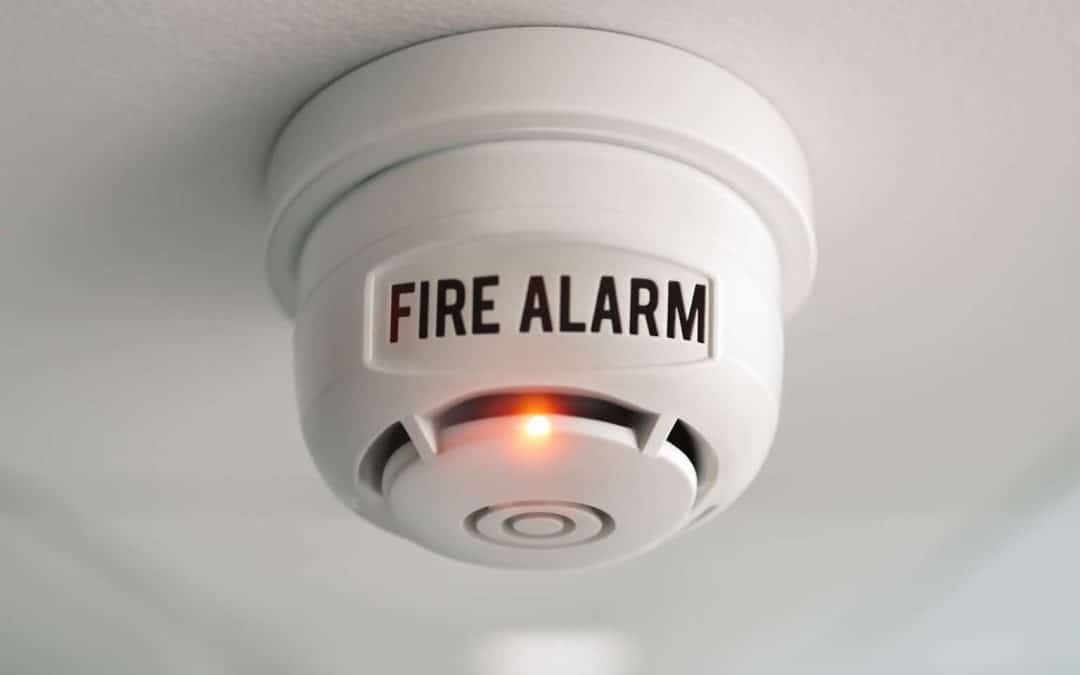
Understanding Fire Alarm Systems
Types of Fire Alarms
In the realm of safeguarding lives and property, understanding the intricacies of fire alarm systems is paramount. South Africa’s diverse architecture demands a nuanced approach, with fire alarm 911 systems standing out as the vigilant guardians in emergency response. These systems are not mere devices; they are the sentinels that silently watch over our homes and businesses, ready to alert at the slightest whisper of danger.
There are several types of fire alarms, each crafted to suit different environments and needs. Among the most common are smoke detectors, heat detectors, and flame detectors. Smoke detectors, for instance, can be either ionization or photoelectric, each designed to sense different types of smoke particles. Heat detectors respond to rapid temperature increases, ideal for areas where smoke detection might cause false alarms. Flame detectors, more advanced, utilize infrared technology to identify the presence of flames directly.
Understanding these variations helps in choosing the optimal fire alarm 911 system, ensuring rapid response and enhanced safety. After all, in an emergency, every second counts—making the right alarm system a crucial element of your safety infrastructure.
Key Components of Fire Alarm Systems
Understanding the core components of a fire alarm 911 system is essential for effective fire safety. These systems are built around a few key elements that work seamlessly to detect and alert in an emergency. At the heart of it all are the detectors—smoke, heat, and flame sensors—that constantly monitor your environment. These sensors are connected to a control panel, which acts as the brain of the system, processing signals and triggering alarms when necessary.
In addition to detectors and control panels, fire alarm 911 systems include alarm notification devices such as sirens, strobe lights, and voice evac systems. These components ensure that everyone is alerted immediately, regardless of whether they are in a noisy or quiet space. Proper integration of these elements creates a comprehensive safety net, making sure help arrives swiftly in South Africa’s diverse settings.
- Detection sensors
- Control panel
- Notification devices
How Fire Alarms Detect Fires
Fire alarm systems are the frontline defenders in safeguarding lives and property. They detect dangerous fires early, giving occupants crucial seconds to respond. Modern fire alarm 911 systems rely on sophisticated detection sensors that continuously scan the environment for signs of danger. These sensors include smoke detectors, heat sensors, and flame sensors, each tailored to identify specific fire conditions quickly and accurately.
Once a sensor detects a potential fire, it sends an immediate signal to the control panel—the system’s command center. The control panel processes this information and activates the appropriate notification devices, such as sirens and strobe lights, to alert everyone on the premises. In some cases, voice evacuation systems are used to guide occupants calmly out of harm’s way. This seamless integration ensures a rapid response, which is vital in South Africa’s diverse and often complex safety landscape.
The Importance of Immediate Response with Fire Alarm 911
When to Call 911
In moments of crisis, every second counts. When a fire alarm 911 is triggered, the urgency to respond immediately can mean the difference between safety and tragedy. Fire outbreaks can escalate rapidly, engulfing a building in flames and smoke, and leaving little room for hesitation. The swift call to 911 ensures that professional responders are dispatched without delay, bringing specialized equipment and expertise to contain the blaze and protect lives.
Recognizing when to call 911 is crucial. If the fire alarm sounds, don’t hesitate—evacuate and alert emergency services promptly. It’s essential to understand that a fire alarm 911 is not just a protocol; it’s a vital link in safeguarding everyone present. Time spent debating or delaying can have irreversible consequences, making prompt action a moral imperative in any fire emergency.
Role of Fire Alarm Systems in Emergency Response
In the shadowed corridors of chaos, the urgency of a rapid response can mean the thin line between life and death. When a fire alarm 911 is triggered, every fleeting second becomes a vital heartbeat in the symphony of emergency. The role of fire alarm systems in emergency response is not merely mechanical; it is the silent sentinel that awakens hope amid the encroaching darkness of flames and smoke.
Immediate action unleashes a cascade of rescue efforts, where the swift call to fire alarm 911 summons the guardians of safety—firefighters equipped with the means to confront the inferno. The importance of responding without hesitation is etched into the fabric of every burning building. Here’s how these systems play an indispensable role:
- Detecting the earliest signs of fire, often before human senses can perceive the threat
- Triggering alarm signals that galvanize evacuation and alert emergency services
- Providing critical information to responders, such as the fire’s location and severity
In the macabre dance of destruction, the fire alarm 911 acts as a beacon, guiding life-saving efforts through the smoky darkness. Delays are a luxury no one can afford when the flames threaten to consume all in their path—promptness is the only refuge in this relentless battle against catastrophe.
Legal and Safety Regulations
In the high-stakes world of fire safety, seconds aren’t just fleeting—they’re life’s currency. When a fire alarm 911 is triggered, the window for effective intervention narrows with alarming speed. The legal and safety regulations surrounding immediate response aren’t mere bureaucratic hoops—they’re the backbone of safeguarding lives and property. South Africa’s fire safety laws, for instance, mandate that all commercial and residential buildings must have functioning fire alarm systems capable of summoning emergency services without delay. Ignoring these directives isn’t just reckless; it can lead to hefty fines or worse, catastrophic loss of life.
Ensuring rapid activation of fire alarm 911 is non-negotiable. It’s a legal obligation that aligns with international safety standards, emphasizing that every second counts when flames threaten to swallow everything in their path. In essence, the promptness of response dictated by fire safety regulations transforms a simple alarm into a lifeline. Remember, in the dance of destruction, every moment saved by swift action can be the difference between salvation and tragedy.
Features to Look for in a Fire Alarm System
Integration with Emergency Services
A reliable fire alarm 911 integration can be the difference between life and tragedy. When choosing a fire alarm system, it’s crucial to prioritize features that ensure swift and accurate emergency responses. One of the most vital features is automatic detection and immediate notification to emergency services, which minimizes delays in firefighting efforts.
A truly advanced fire alarm 911 system should include seamless communication with local emergency responders. This means not just alerting occupants but automatically transmitting vital information, such as location and severity of the fire, to dispatch centers.
Additionally, look for systems that offer redundancy and fail-safe mechanisms. These features ensure the alarm remains operational even during power outages or technical failures. Some systems also incorporate real-time monitoring, allowing remote check-ins to confirm the alarm’s integrity without risking false alarms.
In rural areas, where response times can be longer, these features become even more critical, highlighting the importance of robust fire alarm 911 integration.
Advanced Safety Features
In an era where seconds can spell the difference between safety and catastrophe, choosing a fire alarm 911 system with advanced safety features becomes paramount. These systems are no longer mere detectors; they are sophisticated guardians, capable of orchestrating a seamless emergency response. One of the most critical features to look for is automatic detection paired with immediate notification capabilities. This ensures that once a fire is detected, the alarm not only alerts building occupants but also communicates directly with emergency services—accelerating response times and potentially saving lives.
Moreover, the integration of real-time monitoring and redundancy mechanisms bolsters the reliability of a fire alarm 911 system. Redundancy ensures the alarm remains operational even during power failures, while remote check-ins verify the system’s integrity without risking false alarms. This combination of features significantly enhances safety, particularly in rural or less accessible areas where emergency response might otherwise be delayed. When selecting a fire alarm 911 system, prioritizing these advanced safety features can make all the difference in ensuring swift, accurate, and reliable emergency response.
Maintenance and Monitoring
In the intricate dance of safety protocols, the robustness of a fire alarm 911 system hinges on meticulous maintenance and vigilant monitoring. A reliable system is not merely an installation; it is an ever-watchful sentinel, constantly scrutinizing its own integrity. Regular testing, calibration, and firmware updates ensure that every component responds with precision when the moment demands it most. In South Africa’s diverse environments—urban high-rises or remote industrial sites—such diligent oversight is crucial for unwavering safety.
Modern fire alarm 911 systems benefit immensely from remote monitoring capabilities, allowing technicians to oversee their operational status from afar. This proactive approach reduces downtime and minimizes false alarms, which can erode trust in the system’s reliability. An often-overlooked but vital feature is redundancy: ensuring backup power sources and communication pathways are in place so that the alarm remains vigilant even amidst power outages or network disruptions.
Implementing a comprehensive maintenance and monitoring plan involves:
- Scheduled inspections and testing routines
- Real-time system status alerts
- Automated diagnostic reports that flag potential issues early
Ultimately, the resilience of a fire alarm 911 system is a reflection of its ongoing care. When every element functions seamlessly—day after day—the peace of mind it grants becomes invaluable, especially in critical moments of crisis. Ensuring consistent maintenance and rigorous monitoring is more than a precaution; it’s a moral imperative in safeguarding lives and property across South Africa’s multifaceted landscape.
Choosing the Right Fire Alarm System for Your Property
Residential vs. Commercial Systems
Choosing the right fire alarm system is a decision that can mean the difference between safety and catastrophe. The distinction between residential and commercial fire alarm systems is often overlooked but crucial for tailored protection. Residential systems prioritize simplicity and ease of use, ensuring families can respond swiftly in moments of peril. Conversely, commercial fire alarm 911 systems are engineered for larger spaces, integrating advanced detection and alert features that safeguard countless employees and visitors.
In a bustling South African city, a sophisticated fire alarm 911 system can provide rapid response times, minimizing damage and safeguarding lives. When selecting a system, consider the scale of your property, the level of automation needed, and compliance with local safety regulations. For instance, larger commercial spaces benefit from interconnected systems that can notify emergency services instantly, whereas homes may rely on standalone detectors with local alarms. Understanding these nuances ensures your property is equipped with the most effective fire alarm 911 system, tailored to your unique needs.
Factors to Consider
Choosing the right fire alarm system for your property is a decision rooted in more than just safety; it’s about understanding the intricate dance between risk, environment, and technology. In South Africa’s vibrant urban landscapes, where space and complexity vary widely, selecting an effective fire alarm 911 system can be a game-changer.
When evaluating options, consider factors such as the size of your property, the level of automation required, and compliance with local safety regulations. For larger commercial spaces, an interconnected fire alarm 911 system ensures rapid communication with emergency services, reducing response times and potential damage. Smaller residences, on the other hand, often benefit from standalone detectors that provide reliable, localized alerts.
Understanding these nuances allows you to tailor your fire safety strategy, ensuring the system you choose not only meets legal standards but also offers peace of mind amid the unpredictable nature of fire hazards.
Professional Installation and Maintenance
Choosing the right fire alarm 911 system is a decision that resonates deep within the core of your safety philosophy. It’s not merely about compliance or technology; it’s about safeguarding human life and property in moments when seconds matter most. Professional installation isn’t just a luxury—it’s an essential component that ensures your system operates flawlessly when it’s needed most. Skilled technicians understand the nuances of your property’s layout, creating a seamless integration that maximizes coverage and reliability.
Maintenance and regular testing are the silent guardians of your fire alarm 911’s efficacy. A well-maintained system maintains its integrity, alerting you and emergency services without hesitation. For larger commercial spaces, a robust maintenance plan guarantees that interconnected alarms communicate effectively, reducing response times during crises. Conversely, smaller residences demand vigilant, consistent checks to ensure local alerts function perfectly, providing peace of mind day and night. In the end, investing in professional installation and diligent upkeep transforms a fire alarm 911 from mere equipment into an unyielding shield against the unpredictable chaos of fire hazards.
The Role of Fire Alarm 911 in Emergency Safety
Enhancing Emergency Preparedness
In moments of crisis, every second counts. A fire alarm 911 isn’t just a device — it’s the frontline hero in safeguarding lives and property during a blaze. When smoke or heat triggers the alarm, it acts as an urgent call to the emergency services, ensuring help arrives swiftly. This seamless connection transforms a simple warning into a critical lifeline, often making the difference between catastrophe and safety.
What truly sets a fire alarm 911 apart is its role in enhancing emergency preparedness. It creates a bridge between your safety system and professional responders, allowing for rapid dispatch and coordinated action. By integrating fire alarm 911 with existing safety measures, organizations and homes can drastically reduce response times. The presence of such a system reassures occupants, knowing that help is just a call away — sometimes even before they realize the danger themselves.
Impact on Insurance and Safety Ratings
In the intricate dance of safety and risk mitigation, the presence of a fire alarm 911 can dramatically influence the perception of security within a property. Not only does it serve as an immediate alert system, but it also has a tangible impact on insurance premiums and safety ratings. Insurance providers recognize the added layer of protection that a fire alarm 911 offers, often rewarding proactive safety measures with reduced premiums. This system’s ability to connect seamlessly with emergency responders means faster response times, which can significantly minimize damage and loss.
Furthermore, a fire alarm 911 can elevate a building’s safety rating, signaling to authorities and insurers alike that comprehensive safety protocols are in place. For commercial enterprises, this upgrade in safety standards is not just about compliance—it’s a statement of diligence, often translating into lower insurance costs and enhanced credibility. As the adage goes, “Forewarned is forearmed,” and with fire alarm 911 integrated into your safety infrastructure, you’re essentially giving your property a vital edge in both protection and financial security.
Future Trends in Fire Alarm Technology
In the ever-evolving landscape of fire safety, the role of fire alarm 911 emerges as a beacon of hope—a symphony of technology and human ingenuity working in harmony to safeguard lives and property. As future trends in fire alarm technology unfold, we witness a transformative shift towards smarter, more responsive systems that anticipate danger before it manifests. Imagine a network where sensors not only detect smoke but analyze patterns, predict potential hazards, and alert emergency responders with unprecedented speed. That’s the promise of the next generation of fire alarm 911 solutions.
Emerging innovations are leaning heavily into artificial intelligence and IoT integration, creating a tapestry of interconnected safety measures. These advancements enable fire alarm 911 systems to communicate seamlessly with building management and emergency services, ensuring rapid, precise responses. Features such as real-time diagnostics and remote monitoring are no longer futuristic—they are the new standard, empowering property owners with insights that were once unimaginable. In this brave new world, fire alarm 911 systems are not just reactive tools but proactive sentinels guarding our spaces.
