
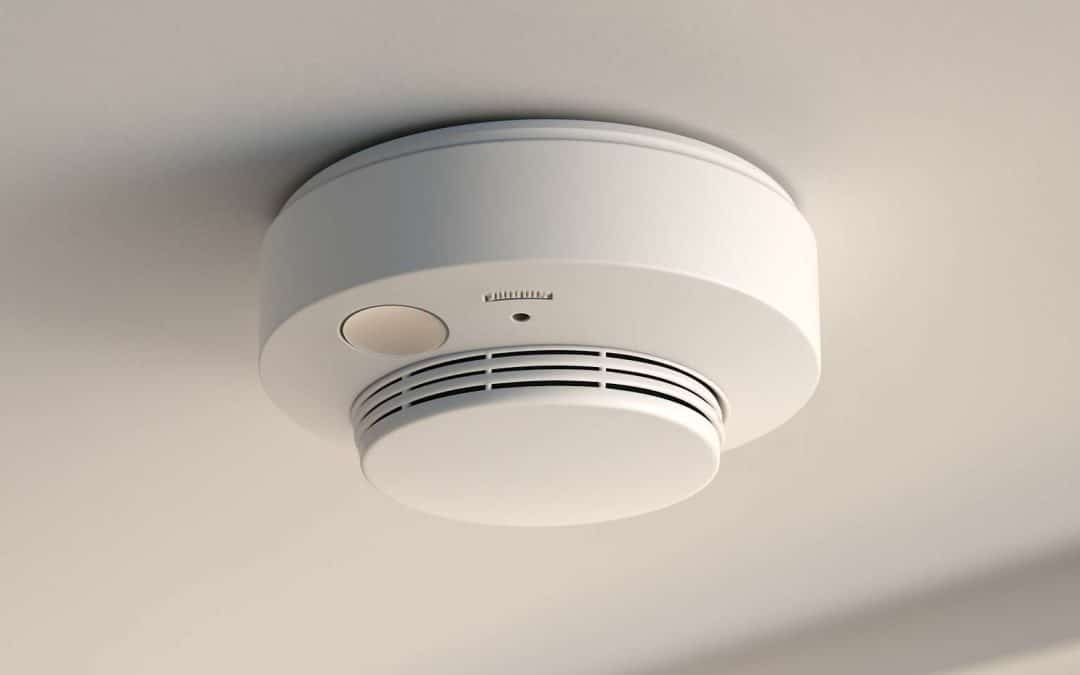
Understanding Fire Alarms and Smoke Alarms
Definition of Fire Alarm – What is a fire alarm and how does it work
The silent threat of fire can emerge unexpectedly, turning a peaceful home into chaos in moments. Understanding how a fire alarm or smoke alarm functions is crucial to safeguarding your loved ones and property. At its core, a fire alarm is an essential device designed to detect signs of smoke or heat, alerting inhabitants to danger before it becomes catastrophic.
A typical fire alarm works through sensitive sensors that pick up smoke particles or rapid temperature rises. When these sensors detect abnormal levels, they trigger a loud siren, giving everyone within earshot precious time to evacuate. Modern smoke alarms often incorporate interconnected systems, ensuring that if one detects trouble, others will sound off, creating a safety net for entire households or communities.
- Detection of smoke particles in the air
- Activation of an alarm sound to alert residents
- Possible integration with smart home systems for real-time alerts
Choosing the right fire alarm or smoke alarm can be a game-changer in emergency situations, especially in rural areas where fire response times may vary. Their role isn’t just to sound an alert but to save lives and protect what matters most with unwavering reliability.
Definition of Smoke Alarm – What is a smoke alarm and its primary functions
Imagine a fire igniting in the dead of night—silent, sneaky, and deadly—until suddenly, a shrill warning pierces the darkness. That’s the magic (or menace) of a fire alarm or smoke alarm working behind the scenes. These devices are the unsung heroes of safety, silently vigilant against smoke particles and heat, ready to sound the alarm at a moment’s notice. Their primary function? To detect danger early enough to give you and your loved ones a fighting chance to escape unscathed.
Unlike their old-school counterparts, modern smoke alarms often come with smart features that can integrate seamlessly into your home automation system. This means real-time alerts on your smartphone, instant notifications, and interconnected alarms that ensure no corner of your house remains unprotected. When a fire alarm or smoke alarm detects even a whisper of smoke or a sudden spike in temperature, it triggers a loud, unmistakable sound—alerting everyone in the vicinity that trouble is brewing.
Choosing the right fire alarm or smoke alarm isn’t just about safety; it’s about peace of mind. Whether you’re in a bustling city or a remote rural home, these devices stand guard 24/7, providing unwavering reliability. Because in the game of life, early detection isn’t just smart—it’s essential.
Differences Between Fire Alarms and Smoke Alarms – Key distinctions and overlaps
In the realm of safety technology, understanding the distinctions between fire alarms and smoke alarms is crucial. While both are vital components of your home’s protection system, their functions and mechanisms differ significantly. Fire alarms typically serve as a centralized system that detects heat or smoke and activates a building-wide alert, often used in commercial settings. Smoke alarms, on the other hand, are usually standalone devices installed in residential spaces, designed specifically to detect smoke particles early on.
Key differences include their detection methods and placement. Smoke alarms rely on photoelectric or ionization sensors to identify smoke, whereas fire alarms may incorporate heat sensors or combination systems for more comprehensive detection. It’s also worth noting that some advanced fire alarm or smoke alarm models now feature interconnected technology, ensuring that when one device detects danger, all alarms sound simultaneously, providing a unified warning across your entire property.
For homeowners in South Africa, choosing between these devices depends on the specific needs of the space. An understanding of their overlaps—such as the ability of modern smoke alarms to integrate with smart home systems—can be the difference between a moment of panic and a swift, safe escape.
- Detection of smoke particles
- Heat sensing capabilities
- Interconnected systems for comprehensive coverage
These elements are the backbone of a reliable fire safety setup, ensuring early warning when every second counts.
Types of Fire and Smoke Detection Devices
Carbon Monoxide Detectors – Complementary safety devices
Fire detection technology has advanced beyond traditional smoke alarms, offering a variety of devices tailored to specific risks. Carbon monoxide detectors have become essential safety devices, especially in homes with gas appliances or fireplaces. These detectors monitor for dangerous levels of carbon monoxide—a silent, odorless threat that can be deadly if undetected. When paired with a fire alarm or smoke alarm, they create a comprehensive safety system that covers both visible and invisible hazards.
Different fire and smoke detection devices serve unique purposes. For instance, heat detectors respond to rapid temperature increases, ideal for kitchens or garages, while photoelectric smoke alarms excel at detecting smoldering fires. Combining these with carbon monoxide detectors ensures early warning against multiple dangers. Here’s a quick overview of common device types:
- Photoelectric smoke alarms – effective for smoldering fires
- Ionization smoke alarms – quicker for fast-flaming fires
- Heat detectors – respond to temperature changes
- Carbon monoxide detectors – detect silent, deadly gas
Installing a variety of these devices, especially in conjunction with a fire alarm or smoke alarm, significantly enhances safety in South African homes and workplaces. It’s a layered approach that saves lives by providing early, reliable alerts against diverse threats.
Combined Smoke and Fire Alarms – Multi-sensor systems for comprehensive coverage
In the realm of modern safety, multi-sensor systems have revolutionized the way we protect our homes and workplaces. These sophisticated devices seamlessly combine different detection technologies, offering unparalleled coverage against the multifaceted threats of fire and smoke. Imagine a device that not only senses the flicker of flames but also detects the subtle, slow build of smoke—this is the essence of comprehensive fire alarm or smoke alarm systems. Such integration ensures that no danger goes unnoticed, regardless of how it manifests.
These multi-sensor systems typically incorporate various detection methods into a single unit, creating a layered defense. For instance, a combined fire alarm or smoke alarm might feature photoelectric sensors for smoldering fires alongside heat detection for rapid temperature rises. This synergy enhances early warning capabilities, providing vital extra seconds for evacuation and response. In South African homes and workplaces, where safety standards are continually evolving, adopting multi-sensor systems is a smart choice for peace of mind and life preservation.
- Photoelectric sensors for slow, smoky fires
- Ionization sensors for fast-flaming fires
- Heat detectors for temperature surges
By integrating these detection technologies, a fire alarm or smoke alarm system becomes a vigilant guardian—ever watchful, ever reliable. It’s a modern marvel that embodies the blend of technological precision and human necessity, safeguarding lives with silent, unwavering resolve. Such systems exemplify the pinnacle of safety innovation, especially crucial in regions where every second counts in the fight against fire hazards.
Wired vs Wireless Alarms – Pros and cons of each installation method
In the intricate dance of safety, choosing between wired and wireless fire alarm or smoke alarm systems is akin to selecting the heartbeat of your protection. Each method carries its own symphony of advantages and subtle drawbacks, shaping the rhythm of your security landscape. Wired alarms, like steadfast roots anchoring a mighty tree, offer unparalleled stability and power, their robust connections ensuring no signal is lost in the tempest of danger. Yet, this strength comes with the burden of extensive installation, often demanding invasive wiring and professional craftsmanship.
Conversely, wireless fire alarm or smoke alarm systems sway with the gentle breeze of flexibility. They are champions of rapid deployment, perfect for retrofit projects or temporary setups, and eliminate the chaos of wires cluttering your space. However, their reliance on batteries and radio signals introduces vulnerabilities—interference, dead spots, or power depletion can momentarily weaken their vigilant gaze.
- Ease of installation
- Portability and adaptability
- Potential for signal interference
Ultimately, the decision hinges on the unique demands of your environment. Whether rooted in tradition or embracing innovation, each installation method offers a distinct pathway to safeguarding lives with the silent, ceaseless watchfulness of a trusted fire alarm or smoke alarm system.
Features to Consider When Choosing a Fire or Smoke Alarm
Sensor Technology – Ionization, photoelectric, and dual-sensor alarms
Choosing the right fire alarm or smoke alarm sensor technology is akin to selecting a guardian for your haven—each type offers a unique form of vigilance. Ionization sensors, for instance, excel at detecting fast-flaming fires, their quick response time making them invaluable in kitchens and garages. Photoelectric alarms, on the other hand, are masters of sensing smoldering fires, often triggered by the slow buildup of smoke—perfect for bedrooms and living spaces.
For those seeking comprehensive protection, dual-sensor alarms blend the strengths of both technologies, offering a harmonious watchfulness that leaves no fire unnoted. When considering a fire alarm or smoke alarm, it’s vital to weigh these features, ensuring your choice aligns with your environment and safety priorities. The right sensor technology can be the difference between early detection and a perilous delay—an invisible sentinel guarding your peace of mind.
Power Sources – Battery-powered vs hardwired alarms
When it comes to safeguarding your sanctuary, the power source of your fire alarm or smoke alarm is often an overlooked hero—or villain. You might think all alarms are created equal, but choosing between battery-powered and hardwired options is like selecting a trusty sidekick or an overbearing boss. Battery-powered alarms offer flexibility; they can be installed anywhere, even in the most awkward corners of your South African home, without the need for an electrician’s touch. Plus, they keep buzzing even during a power outage—because nothing screams “security” like a silent alarm when the grid goes down.
On the flip side, hardwired alarms integrate seamlessly into your electrical system, providing a more permanent solution. They often come with backup batteries—so your peace of mind remains intact during load shedding or electrical surges. For larger properties or commercial spaces, a wired system can be the backbone of an extensive fire alarm or smoke alarm network.
- Battery-powered alarms are portable, easy to install, and perfect for rentals or temporary setups.
- Hardwired alarms are durable, require less maintenance, and tend to be more reliable in the long run.
Ultimately, the choice hinges on your environment, budget, and how much of a fuss you want to make when installing your fire alarm or smoke alarm. Both options have their merits, but understanding their quirks ensures you won’t be caught off guard—literally—by the unexpected blaze.
Smart Features – Integration with home automation systems
In the quest for heightened home safety, integrating smart features into your fire alarm or smoke alarm can make all the difference. Modern alarms with home automation compatibility offer peace of mind, especially during those unpredictable load shedding episodes or electrical surges that South African homes frequently face. Imagine a smoke alarm that not only alerts you immediately but also communicates seamlessly with other smart devices, ensuring your entire household responds swiftly.
When selecting a fire alarm or smoke alarm with smart capabilities, consider systems that allow remote monitoring through your smartphone or voice-controlled ecosystems. Look for models equipped with features like automatic alerts to emergency services or integration with security cameras—these innovations can transform your safety setup from basic to truly intelligent.
- Wireless connectivity for effortless installation and updates
- Compatibility with popular home automation platforms such as Google Home or Amazon Alexa
- Real-time alerts sent directly to your mobile device
Such features ensure that whether you’re at home or away, your fire alarm or smoke alarm remains vigilant, responsive, and an integral part of your broader home safety network. In a landscape where technology continuously advances, choosing a smart fire alarm or smoke alarm isn’t just about convenience—it’s about cultivating a safer, more connected living space.
Alarm Notification Types – Audible, visual, and mobile alerts
When choosing a fire alarm or smoke alarm, understanding the variety of notification types can be a game-changer. Different alerts serve different purposes, but together, they weave a safety net that is both comprehensive and reassuring. Audible alarms are the most familiar, piercing through the quiet and alerting everyone in the vicinity instantly. Visual alerts—such as flashing lights—are essential for those with hearing impairments or in noisy environments where sound alone might be insufficient.
Moreover, the proliferation of smart technology has introduced mobile alerts that can reach you wherever you are. Imagine receiving a real-time notification on your smartphone during load shedding or electrical surges, ensuring you’re always informed. This multi-layered approach to alarm notification—combining sound, sight, and remote alerts—provides unmatched peace of mind.
In the end, choosing a fire alarm or smoke alarm with diverse notification features isn’t just about compliance; it’s about cultivating a safer, more responsive living space that adapts to the unpredictable rhythms of modern life.
Installation Guidelines and Best Practices
Optimal Placement for Fire and Smoke Alarms – Where to install for maximum safety
Installing a fire alarm or smoke alarm isn’t just about compliance; it’s a vital step toward safeguarding lives and property. The strategic placement of these devices can mean the difference between early warning and catastrophic delay. In South Africa, where rapid response can save lives, understanding the optimal placement for fire and smoke alarms is crucial.
For maximum safety, fire alarms should be installed on every level of the building, especially near sleeping areas and escape routes. Smoke alarms work best when positioned on the ceiling or high on a wall, approximately 30 centimeters from the ceiling, because smoke rises. Avoid placing fire alarm or smoke alarm units in drafty areas, near vents, or in corners where false alarms might occur. Proper placement ensures that the alarm sounds promptly at the first sign of danger, giving occupants the precious seconds needed to evacuate.
- Install smoke alarms in every bedroom and outside sleeping areas.
- Keep alarms at least 3 meters away from cooking appliances to prevent nuisance alerts.
- Ensure that fire alarm or smoke alarm devices are easily accessible for testing and maintenance.
Number of Alarms Needed – Assessing coverage based on property size
When it comes to safeguarding your sanctuary, size definitely matters—especially when determining how many fire alarm or smoke alarm units you need. Overlooking this detail is like installing one tiny fire extinguisher in a warehouse—ineffective and asking for trouble. The key is to assess the property’s layout and size meticulously. Larger homes or commercial spaces demand a higher number of alarms to ensure no corner remains unprotected.
For optimal coverage, it’s wise to distribute fire alarm or smoke alarm units evenly across all levels, particularly near bedrooms, kitchens, and escape routes. An effective rule of thumb? For every 60 square meters, install at least one alarm. Remember, alarms should be placed where they can be heard clearly—think ceilings or high on walls—without false triggers from vents or drafts. Properly spaced alarms provide a safety net, alerting everyone promptly and reducing the risk of tragedy lurking behind overlooked corners.
Maintenance and Testing – Routine checks to ensure functionality
Proper installation and regular maintenance are the backbone of an effective fire alarm or smoke alarm system. A poorly installed alarm may not trigger when needed most, risking lives and property. Always ensure alarms are placed on ceilings or high on walls, away from vents or drafts that could cause false alarms. For the best coverage, consider the property’s layout and distribute alarms evenly across all levels. This ensures every corner, especially near bedrooms and kitchens, is protected.
Routine testing is crucial to keep your fire alarm or smoke alarm in top shape. A simple monthly check can make all the difference. Press the test button and listen for the alert. If it doesn’t sound, replace the batteries or call in a professional for a thorough inspection. Remember, alarms powered by batteries need new ones at least once a year, while hardwired systems should be checked by an electrician periodically.
- Test the alarm’s sound and visual indicators.
- Clean the unit regularly to prevent dust buildup.
- Replace batteries promptly when low.
- Schedule professional inspections for wired systems yearly.
By following these installation guidelines and maintenance best practices, you ensure your fire alarm or smoke alarm system remains reliable and ready to alert you at a moment’s notice. Safety isn’t just about having alarms; it’s about keeping them in perfect working order—every day, all year round.
Legal and Safety Standards – Compliance with local regulations
Installing a fire alarm or smoke alarm isn’t just about ticking boxes on a safety checklist; it’s about complying with local regulations that protect lives and property. South African safety standards specify precise placement and installation methods to maximize effectiveness. Ensuring your alarms meet these legal standards isn’t optional—it’s essential for peace of mind.
Proper placement is critical. Smoke alarms should be installed on the ceiling or high on walls, away from vents and drafts that can cause false alarms or reduce sensitivity. Moreover, the number of alarms needed depends on the size and layout of your property. For comprehensive coverage, consider distributing alarms evenly across all levels, especially near bedrooms and kitchens.
Adhering to safety standards also involves regular inspections by qualified professionals, particularly for wired systems. Compliance ensures your fire alarm or smoke alarm operates flawlessly when it’s needed most, safeguarding everyone under your roof.
Benefits of Installing a Reliable Fire or Smoke Alarm
Early Detection Saves Lives – How alarms provide crucial warning
A reliable fire alarm or smoke alarm could be the hero in your home’s safety story—saving lives when seconds count. Early detection isn’t just a technical feature; it’s a lifeline that alerts you to danger before flames or smoke take over the room. Think of your fire alarm or smoke alarm as the vigilant sentinel, quietly watching over your household 24/7, ready to sound the alarm at the first sign of trouble.
The benefits of installing these crucial safety devices early on are plentiful. They provide crucial warning for residents, giving ample time to evacuate and call emergency services. Plus, modern smoke alarms often come with smart features, integrating seamlessly with home automation systems, which means you get alerts straight to your phone—because waking up to a smoke detector is never fun, but ignoring it is even worse. In South Africa, where power outages and unpredictable weather can complicate safety measures, a dependable fire alarm or smoke alarm is an investment in peace of mind.
Property Protection – Minimizing fire damage
In the silent darkness of night, when shadows stretch long and danger lurks unseen, a reliable fire alarm or smoke alarm becomes more than just a device—it transforms into a guardian of life and property. The true power of these alarms lies in their ability to minimize fire damage by providing an early warning, giving inhabitants precious moments to escape and safeguard their possessions. Every second counts when flames threaten to engulf your sanctuary, and a well-placed fire alarm or smoke alarm could be the silent hero that saves everything—and everyone—you hold dear.
Modern fire alarms and smoke alarms are engineered with cutting-edge sensor technology, capable of detecting the faintest whiff of smoke or the earliest flicker of a flame. This vigilance drastically reduces the extent of fire damage, not only protecting lives but also preserving the integrity of your property. An effectively installed system ensures seamless coverage, whether through wired or wireless alarms, and can be customized to suit the unique layout of your home or business.
- Early detection triggers prompt action, curbing the spread of fire and smoke.
- Integration with smart home systems ensures alerts reach you instantly—via mobile notifications—no matter where you are.
- Routine maintenance and testing keep these sentinels vigilant, ready to sound the alarm at the first sign of danger.
In South Africa, where power outages and unpredictable weather can complicate safety measures, the importance of a dependable fire alarm or smoke alarm becomes even more pronounced. These devices serve as an unyielding line of defense—an invisible shield against catastrophe that quietly, yet relentlessly, protects your world from the destructive grip of fire and smoke.
Insurance Benefits – Potential discounts and safety compliance
Installing a reliable fire alarm or smoke alarm isn’t just a wise decision—it’s a savvy investment in your safety and peace of mind. In South Africa, where unpredictable weather and load shedding can throw safety plans into disarray, a dependable fire alarm or smoke alarm can be the unsung hero of your property. Not only do these devices provide early detection, but they also qualify you for potential insurance discounts, making them a win-win for your wallet and your wellbeing.
Insurance providers often recognize the added safety buffer that a well-maintained fire alarm or smoke alarm offers. As a result, many offer reduced premiums to homeowners and business owners who prioritize fire safety through certified alarm systems. This isn’t just a bonus; it’s a smart financial move that underscores the importance of compliance with safety standards.
- Enhanced safety compliance can lead to significant insurance benefits.
- Early detection reduces fire damage, saving you costly repairs.
- Smart alarm systems can send instant alerts, keeping you in the loop whether you’re at home or away.
In essence, a fire alarm or smoke alarm isn’t merely a device—it’s a crucial component of your safety arsenal, offering peace of mind while potentially easing the burden on your insurance premiums.
Common Issues and Troubleshooting
False Alarms – Causes and prevention
False alarms are more than just a nuisance—they can desensitize residents to real danger. Common causes include dust, steam, or cooking fumes triggering the smoke alarm or fire alarm unexpectedly. Sometimes, insects nesting inside the device or electrical issues can cause sporadic alerts. These disruptions often lead homeowners to disable alarms, which defeats their purpose entirely.
Prevention begins with proper placement and maintenance. Ensuring your fire alarm or smoke alarm is installed in the right location—away from kitchens, bathrooms, or dusty areas—reduces false triggers. Regular cleaning, using a vacuum to remove dust and insects from sensors, and replacing batteries on schedule help maintain optimal functionality.
- Ensure alarms are away from steam-producing appliances
- Test alarms monthly to verify operational status
- Replace smoke alarm batteries annually or as needed
- Use dual-sensor devices for fewer false alarms
Taking these simple steps can keep your fire alarm or smoke alarm dependable, safeguarding your home without unwelcome interruptions.
Battery Life and Replacement – Signs warning of low power
Few things are more vital to safeguarding lives and property than a reliably functioning fire alarm or smoke alarm. Yet, even the most sophisticated devices are susceptible to the silent threat of diminished battery life, which can quietly compromise your safety. Recognizing the signs of low power is crucial—an intermittent chirp, a decrease in alarm response, or a faint, periodic beep can all be subtle warnings that your device’s energy reserves are waning.
In the realm of fire safety, complacency can be perilous. Regularly inspecting and replacing batteries—preferably on an annual schedule—ensures that your fire alarm or smoke alarm remains vigilant. Some models feature built-in indicators or low-battery alerts, which serve as a clarion call for maintenance. When in doubt, a simple test by pressing the test button can confirm operational integrity and peace of mind.
For homes where multiple alarms are interconnected, synchronizing replacements prevents one weak link from undermining the entire safety network. Remember, a well-maintained fire alarm or smoke alarm is your frontline guardian against unforeseen calamities—an unwavering sentinel standing watch over your loved ones and your cherished possessions.
Alarm Silence and Reset Procedures – Handling nuisance alarms
Sometimes, a fire alarm or smoke alarm can go silent at the most inconvenient moments. Handling nuisance alarms can be frustrating, especially when you’re unsure whether it’s a false alert or a real concern. Common issues include sensor dust, cooking fumes, or even steam setting off the alarm, leading to repeated, unwanted chirps. Knowing how to troubleshoot these problems can restore peace of mind without compromising safety.
Most nuisance alarms are easily resolved. First, try resetting the device—press and hold the reset or test button for several seconds. If the alarm persists, cleaning the sensor with a soft brush or vacuum can eliminate dust buildup that causes false triggers. Ensuring the alarm is placed away from kitchens or bathrooms can also reduce unnecessary alerts. For models equipped with silence or hush features, using these can temporarily mute the alarm while you address the issue.
In some cases, a persistent nuisance alarm indicates the need for a deeper inspection or replacement. Remember, a fire alarm or smoke alarm should serve as a reliable guardian, not a source of constant disturbance. Proper troubleshooting helps maintain their integrity, ensuring they stand ready to alert you in genuine emergencies.
- Press and hold the reset or hush button to silence false alarms temporarily.
- Carefully clean the sensor area with a soft cloth or vacuum attachment.
- Relocate the alarm away from kitchens or humid areas prone to steam or cooking fumes.
- If issues persist, replace the device if it’s nearing the end of its lifespan.
When troubleshooting your fire alarm or smoke alarm, it’s essential to remember that regular maintenance and understanding your device’s features can prevent many common issues. Keeping alarms in top shape means they’ll be ready to respond when it truly counts—protecting your family and property from potential fires.
Future Trends in Fire and Smoke Detection Technology
AI and Machine Learning Integration – Smarter and more accurate alarms
In the rapidly evolving landscape of fire safety, the future of fire alarm or smoke alarm technology is nothing short of revolutionary. Artificial Intelligence (AI) and machine learning are stepping in to transform these life-saving devices into smarter, more perceptive sentinels. Imagine a fire alarm that doesn’t just sound off at the slightest hint of smoke but intelligently differentiates between cooking mishaps and genuine threats—saving you from the chaos of false alarms while ensuring real danger is met with swift action.
These intelligent systems analyze patterns, detect anomalies, and even predict potential fire hazards before they escalate. Integration with home automation systems means your fire alarm can communicate seamlessly with other smart devices, providing real-time alerts directly to your mobile device, wherever you might be in South Africa. As the technology advances, expect to see smoke alarms equipped with multi-sensor capabilities, combining photoelectric and ionization sensors for unparalleled accuracy. The result? A future where fire alarm or smoke alarm systems are not just passive detectors but active guardians, ensuring safety with unprecedented precision and reliability.
Wireless Connectivity and IoT – Enhanced security and monitoring
In an era where technology continually reshapes our safety measures, wireless connectivity and the Internet of Things (IoT) are pioneering a new frontier for fire alarm or smoke alarm systems. These advancements transcend traditional boundaries, transforming fire safety from reactive to proactive. Imagine a fire alarm or smoke alarm that not only detects smoke but also communicates seamlessly with your smartphone, security system, or even local emergency services—regardless of your location in South Africa.
Enhanced security and monitoring are now at the forefront of fire alarm innovation. IoT-enabled devices leverage real-time data sharing, enabling instant alerts that can trigger automated responses, such as unlocking doors or shutting down HVAC systems to prevent fire spread. This interconnected ecosystem means your fire alarm or smoke alarm becomes an integral part of a comprehensive safety network, providing peace of mind in the palm of your hand.
Key features of these future-ready systems include:
- Remote monitoring through mobile apps
- Automatic alerts to emergency services
- Integration with other smart home devices for a holistic safety approach
As South Africa’s fire safety landscape evolves, the deployment of wireless connectivity and IoT technology in fire alarm or smoke alarm systems promises unparalleled reliability and responsiveness—ensuring that safety is never compromised, even when you’re away from home or business premises. Truly, the future of fire detection is wireless, interconnected, and smarter than ever before!
Environmental Sustainability – Energy-efficient alarms and eco-friendly materials
As the world races towards a greener, more sustainable future, fire alarm and smoke alarm manufacturers are not just resting on their laurels—they’re evolving with a keen eye on environmental sustainability. Expect to see energy-efficient alarms that sip power rather than guzzle it, ensuring longer battery life and lower electricity bills. Eco-friendly materials, such as biodegradable plastics and recycled components, are gradually replacing the traditional, less sustainable options.
Innovations in the fire alarm or smoke alarm industry also include the integration of solar power and kinetic energy harvesting, which means alarms could soon recharge themselves through sunlight or even your daily movements—talk about harnessing Mother Nature’s power! These advancements not only reduce environmental impact but also promote responsible consumption, aligning safety with sustainability.
In South Africa, where power outages and load shedding are common, the push for energy-efficient alarms is especially relevant. The future of fire detection is set to be smarter and greener, with eco-conscious devices that help protect your property while reducing your carbon footprint. Truly, the next generation of fire alarm and smoke alarm systems is poised to be as kind to the planet as they are fierce in fire detection.
