
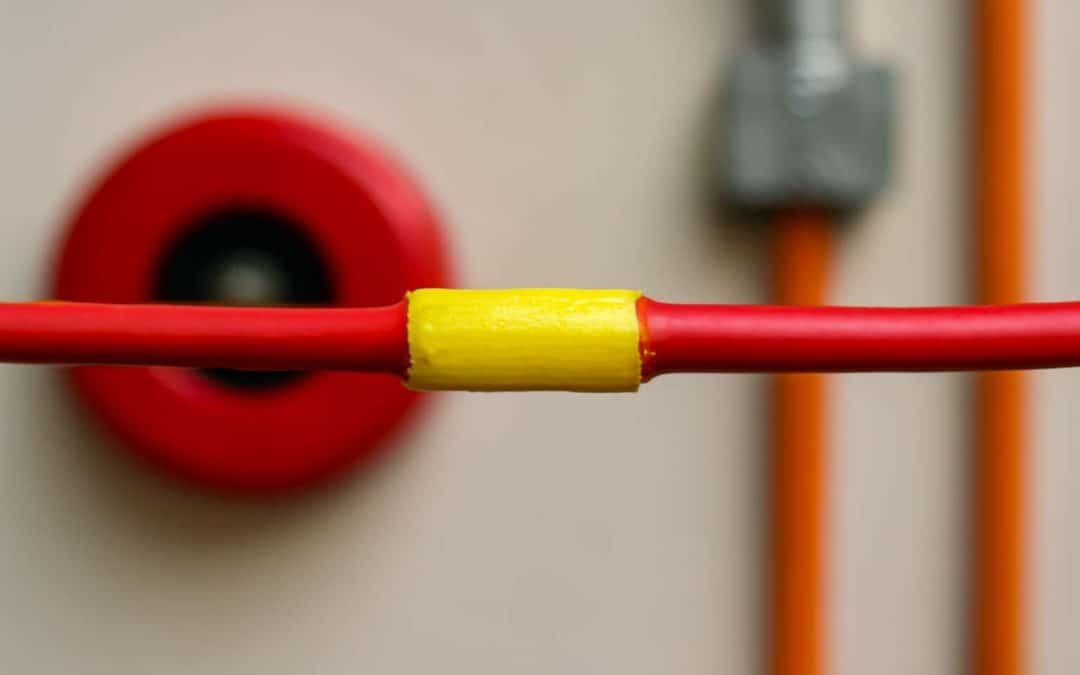
Understanding Fire Alarm Wires and Their Coatings
Overview of Fire Alarm Wiring – Types of fire alarm wires commonly used in residential and commercial buildings
Understanding fire alarm wires is crucial for ensuring safety and compliance in both residential and commercial spaces. These wires are designed to transmit critical signals that activate alarms swiftly, saving lives when seconds matter. But what about their coatings? The question often arises: can fire alarm wire be painted? The answer isn’t straightforward—some wires feature protective coatings that are sensitive to paint, risking compromised performance if altered.
Typically, fire alarm wiring uses specialized materials that withstand environmental factors, fire exposure, and electrical stress. These include low-smoke, fire-resistant cables, often coated with a layer of PVC or other flame-retardant compounds. The coatings serve multiple purposes, such as insulation and durability, but they can also influence whether the wire can be painted over without affecting functionality.
- Check manufacturer specifications before attempting any modification.
- Consider the type of coating—some are designed to be paint-proof, while others may peel or degrade.
- Consult fire safety standards to ensure any alteration does not void compliance or compromise safety.
In the world of fire alarm wiring, a seemingly simple question like can fire alarm wire be painted can have complex implications. The right knowledge can prevent costly mistakes, ensuring that safety remains uncompromised and systems operate flawlessly under pressure. After all, in fire safety, every detail counts—especially when it comes to the wires that silently watch over us.
Materials and Insulation – Common materials and insulation types used in fire alarm wiring
Fire alarm wiring is an intriguing blend of engineering precision and material science—think of it as the silent guardian of safety, cloaked in carefully chosen materials. When pondering whether you can paint fire alarm wire, it’s essential to understand the underlying coatings and insulation types that safeguard these vital systems. Typically, these wires are coated with materials like PVC, polyethylene, or thermoplastic compounds, each serving a purpose far beyond mere aesthetics. These coatings confer insulation, fire resistance, and durability, ensuring that the wires perform flawlessly under duress.
It’s worth noting that some fire alarm wires are designed with protective layers that might resist paint, while others could peel or degrade if painted over. For example, low-smoke, fire-resistant cables—common in many installations—often feature specialized coatings that are not paint-friendly. To avoid inadvertently compromising safety, always check manufacturer specifications before attempting to alter the wire’s surface.
In the realm of fire safety, the question of whether can fire alarm wire be painted is not just about aesthetics but about maintaining system integrity. Understanding the materials involved helps to prevent costly mistakes and ensures compliance with safety standards, safeguarding lives without unnecessary risk. After all, when it comes to fire alarm wiring, the devil is in the details—details that should never be painted over lightly.
Protective Coatings and Finishes – Existing coatings on fire alarm wires and their purposes
Understanding fire alarm wires and their coatings is crucial, especially when pondering if can fire alarm wire be painted. These wires aren’t just ordinary strands of copper; they come cloaked in protective coatings that serve as the unsung heroes of safety. These coatings include materials like PVC, polyethylene, or specialized thermoplastic compounds, each designed to resist heat, flames, and environmental wear and tear.
Protective finishes on fire alarm wires aren’t just about looking sleek—they perform vital roles such as insulation, fire resistance, and durability. Some coatings are so resilient they might resist paint, while others could peel or deteriorate if coated over. For instance, low-smoke, fire-resistant cables—popular in many South African installations—often feature specialized coatings that are not compatible with regular paint.
- Paint can compromise fire-resistant properties
- Degradation might occur if the coating is altered
Can Fire Alarm Wire Be Painted? Technical Considerations
Compatibility of Paint with Fire Alarm Wires – Assessing whether paint adheres well to existing wire insulation
When considering whether can fire alarm wire be painted, the answer isn’t as straightforward as a simple yes or no. Fire alarm wiring is designed with strict safety standards in mind, so altering its surface with paint raises critical questions about safety and functionality. The insulation on fire alarm wire often plays a vital role in preventing electrical faults and ensuring reliable operation. Painting over it could compromise these protective properties, leading to potential safety hazards.
Technical considerations must always take precedence. Some paints may adhere poorly to the insulation, especially if it’s made from materials like PVC or rubber, which are common in fire alarm wiring. If paint does not bond well, it can peel or crack over time, exposing the wire. In South Africa, safety regulations are particularly stringent, emphasizing the importance of maintaining the integrity of fire alarm wiring. Therefore, before attempting to paint fire alarm wire, assess the compatibility of the paint with the insulation material. Testing a small section first can prevent costly mistakes. Ultimately, the compatibility of paint with fire alarm wires is a crucial factor—any misstep could jeopardize the entire fire safety system.
Impact of Painting on Electrical Conductivity – Ensuring that painting does not interfere with electrical performance
When pondering whether can fire alarm wire be painted, the primary concern extends beyond aesthetics to the core of electrical safety. Painting over fire alarm wiring might seem like a simple way to improve visual harmony within a space, but it raises significant questions about electrical conductivity. The insulation on fire alarm wire is meticulously designed to prevent electrical faults and ensure reliable operation. Introducing paint could inadvertently insulate the wire further or create a barrier that hampers signals, especially if the paint interferes with the insulation’s natural properties.
Impact on electrical performance is a critical aspect to consider. If the paint forms a non-conductive layer, it might not directly disrupt the electrical current, but it can contribute to issues such as overheating or signal interference—especially in high-stakes environments where fire safety systems are non-negotiable. This is why assessing the type of paint used is essential. Some paints may adhere poorly to materials like PVC or rubber insulation, which are prevalent in fire alarm wiring. In such cases, peeling or cracking over time could expose the wire, creating a dangerous situation.
Given the importance of maintaining the integrity of fire alarm wiring, professionals recommend testing a small section first before any large-scale painting project. This cautious approach helps avoid costly mistakes and ensures compliance with South African safety standards. When it comes to can fire alarm wire be painted, understanding the impact on electrical conductivity is key—any misjudgment might compromise the entire fire safety system and its crucial role in protecting lives and property.
Fire and Safety Regulations – Compliance issues related to painting fire alarm wiring
In the realm of fire safety, the question of whether can fire alarm wire be painted often sparks debate among professionals and property owners alike. Regulatory standards emphasize the importance of maintaining the integrity of fire alarm systems, making it crucial to understand the technical and compliance considerations involved. While aesthetics might tempt us to add color or camouflage wiring, the implications for electrical performance and safety cannot be overlooked.
From a regulatory perspective, compliance with South African fire safety standards mandates that any modifications to fire alarm wiring must not compromise its function. Painting over fire alarm wire could inadvertently breach these regulations if it alters the wire’s insulation or creates a barrier that hampers signal transmission. It’s essential to recognize that the primary purpose of fire alarm wiring is to ensure rapid, reliable communication during emergencies, which leaves little room for error. In some instances, the paint might not adhere well to existing insulation, leading to peeling or cracking over time. Such deterioration could expose conductors, posing a significant safety risk.
Given these concerns, a nuanced approach is warranted. If someone insists on painting fire alarm wiring, it’s advisable to consult with qualified fire safety professionals and conduct small-scale tests first. This ensures that any modifications remain within the bounds of safety regulations and do not interfere with the electrical conductivity of the system. Ultimately, safeguarding lives and property hinges on preserving the unimpeded operation of fire alarm systems, making the question of can fire alarm wire be painted one that demands both caution and expert insight.
Risks and Concerns of Painting Fire Alarm Wires
Potential Damage to Insulation – How paint may degrade or compromise wire insulation
While the allure of customizing fire alarm wiring with paint might seem like an aesthetic solution, the risks far outweigh any superficial benefits. The primary concern revolves around potential damage to the insulation—a critical barrier that safeguards electrical flow and prevents shorts. When paint is applied without meticulous consideration, it can seep into tiny cracks or porous surfaces of the insulation material, degrading its integrity over time.
This deterioration compromises the wire’s ability to insulate against electrical faults, increasing the risk of false alarms or, worse, system failure. Fire alarm wires are designed with specific insulation materials that are often sensitive to solvents and chemicals found in many paints. The interaction can weaken or dissolve the protective layer, rendering the wiring vulnerable.
Furthermore, the act of painting can inadvertently alter the fire alarm wire’s electrical conductivity. A thick coat of paint may insulate the wire excessively, impeding signal transmission or causing delays in alarm activation. Such disruptions could have serious safety implications, especially in emergency scenarios where every second counts. Given these inherent risks, it’s clear that can fire alarm wire be painted is a question that demands careful consideration of safety and regulatory standards before proceeding with any cosmetic modifications.
False Fire Alarms and Malfunctions – Risks of interference causing false alarms or system failures
In the delicate dance of safety and aesthetics, many wonder: can fire alarm wire be painted? The temptation to customize wiring can be compelling, especially when blending functionality with visual harmony. However, the risks associated with painting fire alarm wires are profound, often hidden beneath the surface of a seemingly simple act.
One of the most insidious dangers is the potential for false fire alarms and system malfunctions. When paint is applied without regard for the intricate design of fire alarm wiring, it can interfere with the delicate signals that alert us to danger. A layer of paint—no matter how thin—may insulate the wire excessively or cause electrical interference, leading to delayed or failed alarm responses. This disruption jeopardizes safety and undermines the very purpose of fire alarm systems.
Moreover, certain paints contain solvents and chemicals that can degrade the insulation material, weakening its protective barrier. Over time, this deterioration increases vulnerability to electrical faults and short circuits. Given the paramount importance of reliable fire safety, it’s clear that the answer to can fire alarm wire be painted is fraught with peril—an act best left unperformed in the pursuit of safety and compliance.
Legal and Insurance Implications – Liability and insurance concerns linked to modifying fire alarm wiring
Modifying fire alarm wiring by painting it might seem like a simple way to enhance aesthetics, but the legal and insurance implications are far more complex. Unauthorized alterations to fire alarm systems can void warranties and breach compliance standards, exposing property owners to severe liabilities. Insurance companies often scrutinize any tampering with fire safety equipment, and painting fire alarm wire can be seen as a form of sabotage that undermines the system’s integrity.
In South Africa, where fire safety regulations are strict, such modifications can lead to costly legal consequences. Should a fire occur and the system fails due to improper alteration, claims may be denied altogether. The question of can fire alarm wire be painted isn’t just about aesthetics—it’s a question that touches upon safety and legal responsibility. To avoid unnecessary risks, it’s best to leave fire alarm wiring untouched by paint, ensuring compliance and safeguarding everyone’s safety.
Alternatives to Painting Fire Alarm Wires
Labeling and Identification Methods – Using non-permanent markings or labels for identification
When considering alternatives to painting fire alarm wires, it’s essential to explore effective labeling and identification methods that do not compromise safety or system integrity. Non-permanent markings, such as specialized labels or color-coded tags, offer a practical solution. These options are designed to withstand environmental factors while remaining easily removable or adjustable, ensuring compliance with safety standards.
Using durable adhesive labels or magnetic tags can provide clear identification without the risks associated with can fire alarm wire be painted. This approach minimizes the chance of insulation degradation or electrical interference, which can sometimes occur when paint is applied. Additionally, employing system-specific color coding or numbered tags can streamline maintenance procedures and enhance visual clarity.
For a professional installation, many opt for high-visibility, weather-resistant labels that adhere securely to wiring, eliminating concerns about false alarms caused by improper markings. This method preserves the wire’s original integrity and adheres to safety regulations, making it a smart alternative to the question: can fire alarm wire be painted?
Protective Conduits and Covers – Using specialized conduit or covers to enhance visibility and protection
In the intricate dance of safety and functionality, the question lingers—can fire alarm wire be painted? The answer is more nuanced than a simple yes or no. While some might be tempted to alter the appearance of wiring with paint, the reality is that protective conduits and covers often serve as better guardians of visibility and durability. These specialized enclosures not only shield the wiring from environmental hazards but also make maintenance more straightforward. They allow for clear differentiation without risking the compromise of insulation or electrical performance.
Choosing protective conduits or covers is an approach rooted in respect for the integrity of the system. Unlike paint, which can degrade insulation or interfere with electrical conductivity, these solutions are designed with safety standards in mind. They come in various forms—flexible tubing, rigid conduits, or weather-resistant covers—that can be tailored to suit specific environments.
- Durability in harsh conditions
- Ease of installation and inspection
- Clear visibility for maintenance
These attributes make protective coverings a compelling alternative to painting when considering fire alarm wiring modifications.
Ultimately, the goal remains unwavering: preserving the system’s reliability while ensuring compliance with safety regulations. Fire alarm systems are not just wires and sensors—they are the silent guardians of safety, deserving respect in every detail. When contemplating whether can fire alarm wire be painted, understanding the advantages of protective conduits and covers reveals a pathway that upholds both safety and functionality—an essential balance in the realm of fire protection.
Professional Fire Alarm System Customization – Consulting professionals for system customization without altering wiring
When it comes to customizing fire alarm systems, many wonder—can fire alarm wire be painted? The answer isn’t straightforward. While the idea of adding color for quick identification may seem appealing, painting fire alarm wiring carries risks that could compromise safety and system integrity. Instead, professionals often recommend alternative solutions that respect the delicate balance between visibility and functionality.
One effective method is using protective conduits and covers, which serve as durable, non-intrusive ways to differentiate wiring routes. These enclosures are designed specifically to withstand harsh conditions, ensuring long-lasting protection without interfering with the insulation or electrical performance of the wiring. Furthermore, employing non-permanent labeling methods—such as adhesive labels or color-coded tags—can provide clear identification without risking damage or false alarms.
- Consult fire safety professionals who understand the nuances of system customization.
- Opt for protective conduits or weather-resistant covers that align with safety standards.
- Use color-coded labels or markings for easy, safe identification—avoiding the pitfalls of painting.
Ultimately, safeguarding fire alarm wiring is about preserving its reliability and compliance. While the idea of painting may seem like an easy fix, it often introduces more problems than it solves. Embracing specialized protective solutions ensures the system remains both functional and visually distinguishable, fulfilling safety mandates without risking the integrity of the fire alarm wiring.
Best Practices for Fire Alarm Wire Maintenance and Identification
Color Coding and Marking – Safe methods for marking fire alarm wiring for easy identification
Beneath the shadowed corridors of safety, where silence can turn deadly in an instant, the question lingers—can fire alarm wire be painted? The answer is not as simple as a yes or no. In the realm of fire safety, the integrity of wiring must remain untainted, yet the desire for visibility and organization beckons a different approach. Painting fire alarm wire might seem like a straightforward solution, but it is fraught with peril if not approached with caution and understanding.
Best practices for fire alarm wire maintenance hinge on meticulous identification methods that respect the delicate balance between visibility and safety. Color coding and marking are essential—using non-permanent, fire-resistant labels or specialized markers that do not compromise insulation integrity. When considering whether can fire alarm wire be painted, one must weigh the potential impact on electrical conductivity and insulation degradation. The subtle touch of paint can obscure critical warning labels or weaken insulation, leading to system malfunctions or false alarms.
For those seeking enhanced visibility, protective conduits or covers offer a safer alternative. These methods preserve the integrity of the wiring while ensuring clear identification. Embracing professional guidance guarantees that modifications meet fire and safety regulations, avoiding the shadow of liability that lurks behind careless alterations. Ultimately, the dark art of fire alarm wire identification demands both caution and innovation—painting should be approached only if it aligns with strict safety standards and industry best practices.
Regular Inspection and Testing – Scheduled checks to ensure wiring integrity and compliance
In the meticulous world of fire safety, routine inspection and testing are the bedrock of a trustworthy alarm system. Regular checks—performed by qualified personnel—serve as the sentinel’s eye, ensuring wiring integrity and compliance with stringent standards. After all, the lifespan of fire alarm wiring hinges on vigilant oversight; neglect invites chaos in moments of crisis.
When it comes to maintaining clarity in your fire alarm system, a straightforward approach can often be the most effective. An ordered visual inspection, coupled with scheduled testing, ensures that each wire remains unblemished and functional. It’s worth noting that while some might ponder, can fire alarm wire be painted, this question underscores the importance of using safe identification practices. Instead of risking insulation damage, employing non-permanent labels or color-coded markers often proves both elegant and practical.
- Conduct visual inspections to identify wear, corrosion, or damage.
- Test the entire system periodically to verify operational integrity.
- Use clear, non-permanent markings for easy identification—avoiding the temptation to paint.
Ultimately, these practices fortify the system’s resilience, ensuring that fire alarms perform flawlessly when most needed. Remember, the goal is visibility without compromising safety—so, no, fire alarm wire should not be painted unless it’s part of a carefully considered, industry-approved process. The delicate dance between accessibility and safety requires a keen eye and a respect for the system’s integrity at all times.
Consulting Fire Safety Experts – When to seek professional advice for modifications or enhancements
Fire safety is a realm where precision can mean the difference between life and catastrophe. When it comes to fire alarm wire maintenance, the question often arises: can fire alarm wire be painted? The answer isn’t as straightforward as a simple yes or no. While it might seem tempting to add a splash of color for visibility, the consequences of improper modification can be severe. In South Africa, where strict safety standards govern fire alarm systems, understanding best practices is crucial.
Professional fire alarm system experts emphasize that any alteration—like painting fire alarm wiring—should be approached with caution. Typically, the safest route involves using non-permanent labeling methods such as color-coded tags or temporary markers. These options provide clear identification without risking insulation damage or compromising electrical integrity. Consulting with fire safety experts ensures that modifications adhere to local regulations and do not inadvertently void insurance policies or breach compliance standards.
- Employ non-permanent markings for quick identification
- Seek professional advice before attempting modifications
- Prioritize safety and regulatory compliance above all
Ultimately, the question remains—can fire alarm wire be painted? The consensus is clear: unless explicitly approved by industry standards and conducted under professional supervision, painting fire alarm wiring is not recommended. Maintaining the delicate balance between visibility and safety requires a thorough understanding of the system’s intricacies and a commitment to upholding safety integrity. When in doubt, always turn to the experts—because in fire safety, the stakes are too high to gamble with guesswork.
