
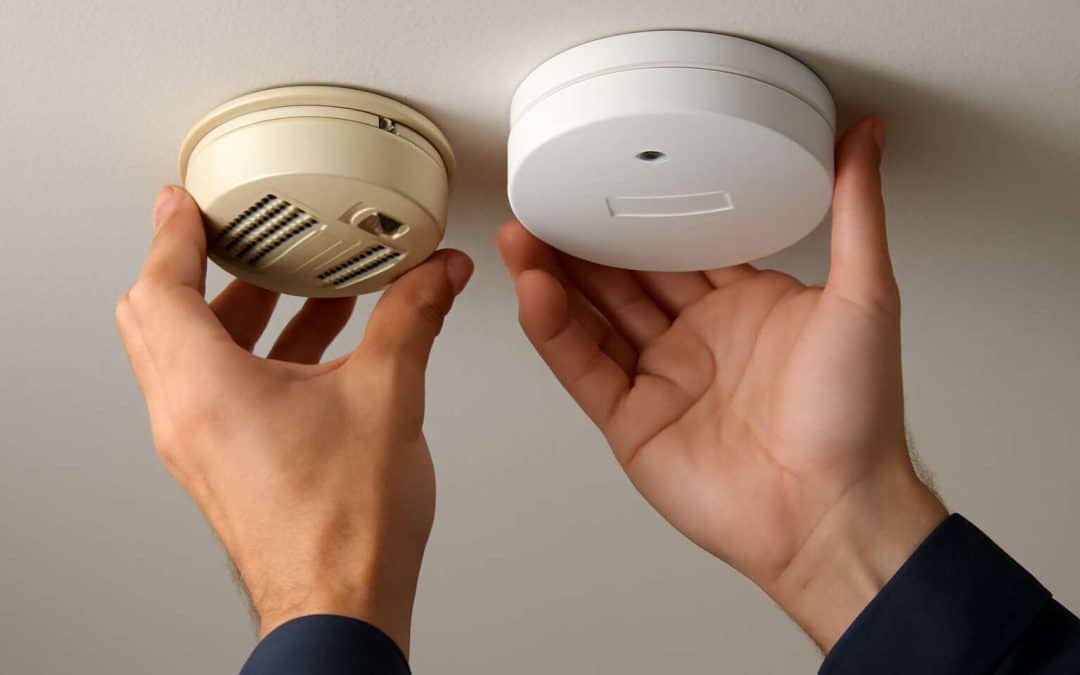
Understanding Fire Alarm Systems
Overview of Fire Alarm Components
Fire alarm systems are the unsung heroes of safety in any building, quietly working behind the scenes until an emergency demands their attention. Interestingly, a typical fire alarm system isn’t just a single device but a carefully coordinated network of components that work together to keep you safe. Understanding these foundational elements is crucial before embarking on a fire alarm replacement journey. Without a clear grasp of the system’s inner workings, you risk overlooking key elements that ensure reliable detection and alerting.
At the core of every fire alarm system are components such as smoke detectors, heat sensors, control panels, and alarm sounders. Each piece plays a vital role in early detection and swift response. For instance, smoke detectors are the vigilant sentinels, constantly monitoring for signs of smoke and triggering alarms when danger lurks. Meanwhile, the control panel acts as the command center, processing signals from sensors and activating alarms or notifying emergency services. A well-integrated system ensures that when one component detects danger, the entire network springs into action, making fire alarm replacement a strategic upgrade, not just a routine swap.
Types of Fire Alarms
Understanding the different types of fire alarms is essential when considering fire alarm replacement. Each system is designed to detect specific signs of danger, ensuring quick and reliable alerts. In South Africa, the choice often depends on the building’s size, use, and safety requirements.
There are primarily three types of fire alarms: ionization, photoelectric, and combination systems. Ionization alarms are highly responsive to flaming fires, while photoelectric alarms excel at detecting smoldering fires. Combining both types in a single system offers comprehensive coverage, reducing the chance of missed detection during fire alarm replacement.
Additionally, newer systems like addressable fire alarms provide detailed information about the exact location of a fire, streamlining emergency response. When planning for fire alarm replacement, understanding these options helps ensure your system aligns with safety standards and provides optimal protection for your property.
Importance of Regular Maintenance
Behind every reliable fire alarm system lies a crucial aspect often overlooked—regular maintenance. In South Africa, where safety standards are constantly evolving, neglecting routine checks can turn a vigilant system into a silent threat. Fire alarm replacement isn’t just about upgrading hardware; it’s about preserving the integrity of your entire safety network. When systems age, their ability to detect danger diminishes, creating gaps that could prove disastrous.
Consistent inspections ensure that sensors remain responsive and that alarm components function flawlessly. During these checks, technicians often identify hidden issues—corrosion, wiring faults, or dead batteries—that, if left unchecked, compromise your safety. A well-maintained fire alarm system provides peace of mind, knowing that it will activate precisely when needed. Remember, in the fight against fire, proactive maintenance isn’t optional—it’s essential.
Signs It’s Time for a Fire Alarm Replacement
Age of the Fire Alarm
Fire alarms are silent sentinels that stand guard over our safety, yet their effectiveness diminishes with age and wear. In South Africa’s diverse climate and dynamic urban landscape, understanding when to opt for fire alarm replacement can be the difference between safety and catastrophe. A fire alarm that has outlived its prime may not respond promptly during an emergency, risking lives and property.
Most fire alarms have a lifespan of approximately 10 years, but several telltale signs suggest it’s time for a replacement. Faint or inconsistent alarms, frequent false alerts, or difficulty in silencing the device are all red flags. Additionally, alarms that show physical signs of damage or corrosion require urgent attention. Recognizing these indicators early ensures your safety system remains reliable and compliant with local safety regulations.
In the grand tapestry of safety, fire alarm replacement isn’t just maintenance — it’s a commitment to resilience. Staying vigilant about the age of your fire alarm and acting promptly can turn the tide in an emergency. Whether you oversee a commercial building or a residential complex, awareness of these signs ensures your safety measures are always in top form.
Malfunctions and False Alarms
Malfunctions and false alarms are clear signs that your fire alarm may be past its prime. If your alarm frequently goes off without fire or smoke, it’s a warning sign that the device isn’t functioning properly. False alarms can desensitize occupants, potentially causing them to ignore real emergencies. This not only compromises safety but can also lead to costly disruptions.
Persistent issues like alarms that won’t silence or trigger sporadically indicate underlying problems. These glitches often stem from aging sensors or faulty circuitry, making fire alarm replacement essential. Neglecting these signs can leave your property vulnerable in critical moments. Replace your fire alarm promptly when you notice irregularities—timely action is the best safeguard for your safety and compliance with local regulations.
- Frequent false alarms disrupting operations
- Alarm failing to sound during tests
- Persistent malfunctioning despite maintenance
In the end, recognizing these signs early can prevent disaster. Fire alarm replacement isn’t just about updating equipment; it’s about maintaining unwavering vigilance in a world where safety depends on reliable technology. Staying proactive is the best way to ensure your fire safety system remains robust and responsive.
Reduced Sensitivity
Reduced sensitivity in your fire alarm is often an insidious sign that it’s time for a fire alarm replacement. When alarms no longer respond promptly to smoke or heat, they risk becoming mere decorative fixtures rather than life-saving devices. Over time, dust, dirt, and age can dull the sensor’s ability to detect danger effectively, leaving your property vulnerable.
Imagine a false sense of security—your alarm might still be physically intact, but its core function has diminished. This decline in sensitivity can be subtle at first, manifesting as delayed alerts or failure to trigger during routine tests. Recognizing this early is crucial; a fire alarm that doesn’t react swiftly could be the difference between safety and catastrophe.
In environments where safety is paramount, such as busy commercial spaces or residential complexes, ensuring your fire alarm system’s responsiveness is non-negotiable. If your device exhibits reduced sensitivity, it’s a clear sign that a fire alarm replacement is necessary. Staying ahead of these issues preserves safety, maintains compliance, and ultimately, saves lives.
Visual Damage or Corrosion
Visible damage or corrosion on your fire alarm is a clear sign that a fire alarm replacement is overdue. Rust, peeling paint, or corrosion can compromise the device’s integrity, making it unreliable in an emergency. If your fire alarm looks battered or shows signs of deterioration, don’t ignore it. These visual cues often indicate internal damage that could prevent the alarm from functioning properly when seconds count.
Corrosion, in particular, can lead to electrical faults or false alarms, putting your property at risk. Regular inspections can help catch these issues early. If you notice any of the following, it’s time for a fire alarm replacement:
- Visible rust or corrosion on the casing
- Cracks, dents, or physical deformities
- Discoloration or peeling paint
Addressing these signs swiftly protects lives and ensures your fire safety system remains compliant with South African standards. Never underestimate the importance of a fully operational fire alarm system—visual damage is often the first warning that a replacement is necessary.
Choosing the Right Fire Alarm for Your Property
Types of Fire Alarms to Consider
Choosing the right fire alarm for your property is more than a matter of ticking boxes; it’s about safeguarding lives and property with a touch of sophistication. South African businesses and homes alike face unique challenges—think humidity, dust, and the occasional power fluctuation—that demand careful consideration during fire alarm replacement. Not all alarms are created equal, and selecting the appropriate type ensures you aren’t left fumbling when it counts.
For instance, optical smoke detectors excel in environments with a lot of dust, whereas heat alarms are better suited for kitchens or garages. To navigate this maze, consider the specific needs of your property and the potential fire hazards lurking within. A well-chosen alarm not only complies with safety standards but adds a layer of reassurance that your premises are protected with intelligence and grace.
- Photoelectric alarms for smoky environments
- Ionization alarms for fast-flaming fires
- Combination alarms for comprehensive coverage
In the end, fire alarm replacement isn’t merely about ticking safety boxes; it’s about selecting a device that understands the nuances of your space—because in safety, as in life, details matter.
Features to Look For
Choosing the right fire alarm for your property is a decision that balances safety with sophistication. In South Africa’s diverse environments, from humid coastal homes to dusty industrial spaces, selecting features that match your specific needs is paramount. When considering fire alarm replacement, focus on key features that enhance reliability and responsiveness, ensuring your system performs flawlessly in a crisis.
One crucial aspect is the sensitivity settings of the alarm. Advanced models allow for adjustable sensitivity, preventing false alarms caused by dust or steam while remaining alert to genuine threats. Additionally, look for alarms with integrated testing features—these make regular maintenance less cumbersome and ensure your system’s integrity remains intact.
For properties with varying fire risks, consider alarms with dual-sensor technology. These units combine optical and heat detection, offering comprehensive coverage that adapts to different environments. Whether it’s a commercial kitchen or a dusty workshop, the right features make all the difference in fire alarm replacement, providing peace of mind that your safety system is both intelligent and resilient.
Compatibility with Existing Systems
In the intricate dance of safety within South Africa’s diverse architectural tapestry, compatibility emerges as the silent guardian in fire alarm replacement. The moment you consider upgrading or integrating a new system, understanding how it harmonizes with existing infrastructure becomes paramount. A mismatched alarm can undermine the very safety it aims to safeguard, leaving gaps that compromise your property’s resilience against fire hazards.
When evaluating compatibility, you must scrutinize the control panels and wiring architecture. Not all fire alarms are created equal—some models require specific interfaces or power supplies that may not align with older systems. It’s a delicate balance of technological synchronization and practical feasibility. A seamless connection ensures that the alarm responds swiftly and accurately, echoing the urgency of your safety protocols.
Moreover, consider the environment-specific demands—whether humid coastal conditions or dusty industrial environments, compatibility extends beyond mere electronics. It encompasses durability and environmental tolerance, ensuring that the fire alarm replacement not only fits but endures. In doing so, you establish a resilient sentinel that integrates flawlessly within the existing safety framework, elevating your property’s protective shield without disrupting its operational harmony.
Step-by-Step Fire Alarm Replacement Process
Assessment and Planning
Assessing your current fire alarm system is a critical first step in the fire alarm replacement process. A thorough inspection helps identify outdated or malfunctioning units that no longer meet safety standards. This evaluation should consider the age of the fire alarm, signs of corrosion, visual damage, and the system’s overall responsiveness.
Planning for fire alarm replacement involves understanding the building’s layout and the specific requirements for fire safety compliance. An effective assessment often results in a detailed plan that includes the placement of new fire alarms, integration with existing fire detection systems, and adherence to local regulations.
During this phase, it’s beneficial to create a prioritized list of components to upgrade, ensuring that each replacement enhances safety and system reliability. This proactive approach minimizes downtime and ensures the new fire alarm system is both effective and compliant, ultimately providing peace of mind for everyone in the building.
Preparation for Replacement
Preparing for a fire alarm replacement isn’t just about swapping out old gadgets; it’s about orchestrating a seamless transition that keeps your building safe and compliant. First, gather your team—think of it as assembling your own fire safety Avengers. You’ll want to review the current system layout, identify critical zones, and ensure that the new fire alarm components will integrate smoothly with existing infrastructure. This isn’t the time for guesswork or improvisation; a detailed blueprint is your best friend.
Next, consider creating a checklist to streamline the process. This list might include:
- Ensuring power sources are safely disconnected
- Removing outdated or malfunctioning units
- Verifying compatibility with the current fire detection system
- Confirming that new units meet local safety standards
By meticulously preparing, you minimize downtime and pave the way for a swift, efficient fire alarm replacement—because in fire safety, hesitation isn’t an option, and every second counts.
Removing the Old Fire Alarm
Embarking on a fire alarm replacement is akin to orchestrating a delicate ballet—each step must be executed with precision and purpose. The first phase involves removing the old fire alarm units, a process that demands meticulous care to avoid damaging surrounding infrastructure. Carefully disconnect power sources, ensuring safety protocols are strictly observed. Once power is safely isolated, gently detach the malfunctioning or obsolete units, paying close attention to their mounting mechanisms and wiring connections.
During this stage, it’s essential to verify that the existing wiring is intact and compatible with the new fire alarm components. If necessary, update the wiring to meet current safety standards. For optimal efficiency, consider following a systematic approach:
- Turn off the main power supply to prevent accidental activation.
- Remove the cover or casing of the old fire alarm unit.
- Disconnect wiring and carefully extract the unit.
- Inspect wiring for corrosion or damage and replace if needed.
By adhering to a structured process, a seamless fire alarm replacement becomes attainable, reducing downtime and ensuring ongoing safety. Remember, each step is crucial in maintaining the integrity of your fire detection system and preserving the safety of everyone within your premises.
Installing the New Fire Alarm
Replacing a fire alarm is more than just swapping out a device; it’s a deliberate act of safeguarding lives and property. When installing the new fire alarm, precision and care are paramount. Begin by positioning the unit in a strategic location, ensuring optimal coverage for your premises. Connect the wiring meticulously, paying close attention to the manufacturer’s specifications. Proper wiring integration not only guarantees reliable detection but also enhances the longevity of your fire alarm system.
Once the connections are secure, follow this systematic process:
- Securely mount the new fire alarm unit onto the designated surface.
- Restore power cautiously, ensuring all safety protocols are observed.
- Test the system thoroughly—activate the alarm and verify that the sound and indicator lights function correctly.
- Document the replacement process, noting any adjustments or upgrades made.
Remember, each phase of fire alarm replacement demands unwavering attention to detail. It’s a dance of precision—a safeguard that, when executed flawlessly, fortifies your entire safety infrastructure and provides peace of mind in uncertain times.
Testing and Verification
Once the new fire alarm is installed, testing and verification become the final, crucial steps in the fire alarm replacement process. This phase ensures that every component functions perfectly, providing the reassurance that your safety system is ready to respond when needed most. Carefully activate the alarm to observe whether the sound is loud enough to alert everyone in the building, even in areas with high ambient noise. Simultaneously, verify that all indicator lights are operational and clearly visible.
It’s essential to conduct a series of systematic tests, including checking the sensor sensitivity and response time. For added peace of mind, consider using a testing aerosol or smoke generator to simulate real fire conditions, ensuring the system’s reliability in an emergency. Document each test result meticulously, noting any irregularities or system alerts that require further attention. This thorough verification process is vital in safeguarding lives and property, making certain that the fire alarm replacement has been executed flawlessly and is primed for action.
Professional vs. DIY Fire Alarm Replacement
Benefits of Hiring an Expert
Choosing between a professional versus DIY fire alarm replacement can significantly impact your safety and peace of mind. While some may be tempted to take on the task themselves, hiring a certified expert ensures the job is done correctly and adheres to safety regulations. Incorrect installation or faulty wiring can compromise the entire fire safety system, leaving your property vulnerable.
Experts bring a wealth of experience, understanding the intricacies of fire alarm systems and the latest safety standards. They can also identify hidden issues that might otherwise go unnoticed. For example, a professional fire alarm replacement guarantees optimal placement for maximum coverage and sensitivity, reducing false alarms and ensuring rapid response in an emergency.
Moreover, fire alarm replacement by an expert often includes comprehensive testing and certification. This not only provides legal compliance but also peace of mind that your system will perform reliably when it’s needed most. Investing in professional services ultimately safeguards your property and loved ones, making it a prudent choice over DIY efforts.
DIY Replacement Tips and Considerations
Choosing between professional and DIY fire alarm replacement is a decision that could mean the difference between safety and catastrophe. While the allure of saving costs might tempt some to undertake the task themselves, the reality is that fire alarm replacement requires a keen understanding of intricate systems and safety standards. Did you know that improper installation is one of the leading causes of fire alarm malfunctions in residential and commercial properties? This underscores the importance of expert intervention.
For those considering a DIY approach, it’s essential to recognize the potential pitfalls. Without proper knowledge, you might overlook subtle signs of damage or misplace sensors, compromising the entire system. If you’re leaning toward a self-installation, keep these considerations in mind:
- Always consult the manufacturer’s guidelines carefully.
- Use compatible parts to prevent system failures.
- Ensure the power source is disconnected before beginning replacement.
While DIY fire alarm replacement can seem straightforward, it often lacks the thorough testing and certification that a professional provides. An expert ensures your fire alarm system functions flawlessly, giving you peace of mind that your property is protected from unforeseen dangers.
Safety Precautions
Choosing between professional and DIY fire alarm replacement isn’t just a matter of convenience; it’s a pivotal decision that can impact your safety. According to recent safety reports, improper installation accounts for over 30% of fire alarm malfunctions in residential and commercial settings across South Africa. This statistic underscores the critical importance of safety precautions during fire alarm replacement.
When considering DIY fire alarm replacement, it’s tempting to think the task is straightforward. However, neglecting essential safety precautions can lead to system failures or false alarms that compromise your property’s safety. Always remember to disconnect the power supply thoroughly before beginning any work and consult the manufacturer’s guidelines meticulously. Using incompatible parts or misplacing sensors might seem minor but can have severe consequences.
For those opting for professional fire alarm replacement, expert technicians follow stringent safety protocols, ensuring your system is correctly installed and fully operational. They perform comprehensive testing to verify system integrity, giving you peace of mind. Whether DIY or professional, awareness of safety precautions is essential to protect lives and property effectively.
Legal and Safety Regulations
Code Compliance
Ensuring compliance with legal and safety regulations is not just a matter of ticking boxes—it’s a moral imperative that safeguards lives and property. In South Africa, fire alarm replacement must adhere to strict codes that prioritize human safety above all else. Regulations such as the South African National Standards (SANS) specify precise requirements for fire alarm systems, emphasizing the importance of reliable detection and prompt notification.
Failing to comply with these standards can lead to severe legal repercussions and endanger lives. It’s vital to remember that fire alarm replacement isn’t merely a technical upgrade; it’s a moral obligation to uphold safety standards that protect everyone within a building. Regular audits and inspections ensure that the fire alarm system remains compliant and effective, especially after replacement or upgrades.
- Compliance with SANS 10139
- Proper documentation and certification
- Regular testing and maintenance
Ensuring these elements are in place transforms a mere system into a trusted guardian, capable of performing its vital role when it matters most.
Inspection and Certification Requirements
When it comes to fire alarm replacement, ignoring the legal and safety regulations is akin to playing with fire—dangerous and downright foolish. South Africa’s fire safety standards are no joke, with the SANS 10139 code setting the gold standard for compliance. Overlooking these requirements can lead to hefty fines, legal headaches, and worst of all, compromised safety.
Inspection and certification aren’t mere bureaucratic hoops; they are the backbone of an effective fire alarm system. Regular audits ensure that your fire alarm replacement aligns with current standards and functions flawlessly when it’s needed most. To stay on the right side of the law, ensure your system has proper documentation and certification—think of it as a fire alarm’s CV, proving it’s up to scratch.
- Adherence to South African National Standards (SANS)
- Regular testing and maintenance
- Proper documentation and certification
In a country where safety regulations are as strict as South African rugby fans are passionate, neglecting these legal and safety requirements is a gamble no business should take. Every fire alarm replacement must be meticulously inspected, certified, and documented to guarantee maximum safety, peace of mind, and compliance with local legislation. Because when it comes to fire safety, cutting corners is a risk you simply can’t afford to take.
Maintenance and Record Keeping
In South Africa, where fire safety standards are enforced with unwavering rigor, neglecting legal and safety regulations during fire alarm replacement can have dire consequences. Every system installed or upgraded must adhere to the SANS 10139 code, the cornerstone of fire safety compliance in the country. Overlooking these requirements isn’t just a legal oversight; it’s a gamble with lives and property.
Proper maintenance and meticulous record-keeping are essential components of a robust fire alarm replacement strategy. They serve as a safeguard, ensuring your system remains compliant and effective over time. Regular documentation of inspections, certifications, and maintenance activities creates a transparent trail that verifies your commitment to safety and legal adherence. This documentation is not only crucial for audits but also offers peace of mind, knowing your fire alarm system is ready to perform when it matters most.
To ensure ongoing compliance, consider implementing a structured approach:
- Scheduled testing and routine maintenance
- Keeping detailed logs of all inspections and repairs
- Securing valid certifications for each fire alarm replacement
In the high-stakes environment of fire safety in South Africa, neglecting these protocols can compromise safety and lead to hefty penalties. Every fire alarm replacement must be executed with precision, backed by proper certification and thorough record keeping—because when it comes to fire safety, cutting corners is simply not an option!
Cost Factors and Budgeting for Replacement
Cost of New Fire Alarms
The cost of fire alarm replacement varies widely, influenced by several key factors. First, the type of fire alarm chosen impacts the overall budget—advanced models with smart technology tend to be more expensive than basic units. Additionally, the size and complexity of the installation site play a significant role; larger premises with intricate wiring systems require more labor and materials.
Labor costs are another major component, especially if professional installation is necessary. A straightforward replacement may be affordable, but upgrading entire systems or integrating new alarms with existing infrastructure can escalate expenses.
To keep costs manageable, consider these factors:
- Type of fire alarm system
- Number of units needed
- Compatibility with existing fire safety systems
- Required permits and inspections
- Warranty and maintenance options
Budgeting effectively for fire alarm replacement ensures compliance with safety standards without unexpected expenses. Planning ahead helps avoid costly surprises and guarantees your premises remain protected.
Installation Expenses
Embarking on a fire alarm replacement journey is akin to navigating a labyrinth of costs and considerations—each twist revealing vital insights into safeguarding your premises. The expense doesn’t merely hinge on the purchase price of new fire alarms but also on the intricate web of factors that influence the overall budget. For instance, choosing between basic alarms and advanced, smart technology models can significantly sway the price, with high-tech options often commanding a premium.
Beyond the alarms themselves, the scope and complexity of the installation play a pivotal role. Larger facilities with elaborate wiring demands require more labor and materials, driving up costs. Labor expenses, especially when professional installation is involved, can vary extensively. To streamline your fire alarm replacement process and prevent unforeseen expenses, consider the following:
- The type of fire alarm system best suited for your needs
- The total number of units required to ensure comprehensive coverage
- Compatibility with your existing fire safety infrastructure
- Permits and inspection fees mandated by local regulations
- Warranty and ongoing maintenance services for peace of mind
Budgeting effectively for fire alarm replacement ensures you meet safety standards without draining your resources. A well-planned approach minimizes surprises, keeps your property compliant, and guarantees ongoing protection—because in the world of fire safety, foresight is your greatest ally.
Long-term Savings and Maintenance Costs
Cost factors in fire alarm replacement extend beyond the initial purchase, weaving a complex tapestry of expenses that demand careful consideration. The long-term savings often hinge on choosing a system that balances advanced safety features with affordability, ensuring your investment endures through years of reliable service. When budgeting for fire alarm replacement, it’s vital to factor in not only the upfront costs but also ongoing maintenance expenses that preserve system integrity over time.
Maintenance costs—such as periodic testing, sensor calibration, and component replacements—can significantly influence the total cost of ownership. An intelligently designed fire alarm replacement plan incorporates these elements, minimizing unexpected expenditures down the line. For larger facilities or those with intricate wiring, installation costs can escalate, but a strategic approach ensures safety without compromising financial stability.
- Initial purchase price of the fire alarm system
- Installation and labor fees
- Permits, inspections, and certification expenses
- Ongoing maintenance and system upgrades
By considering these factors, property owners can craft a budget that not only meets safety standards but also safeguards long-term financial health—because in the realm of fire safety, foresight and meticulous planning are the true cornerstones of peace of mind.
Maintenance Tips for Installed Fire Alarms
Regular Testing and Battery Replacement
Ensuring your fire alarm system remains vigilant is crucial—after all, a well-maintained fire alarm can be the difference between safety and disaster. Regular testing of installed fire alarms is vital to confirm that every component is responsive and functioning correctly. This process is simple but essential; press the test button once a month, listen for the alarm’s distinct tone, and ensure the indicator lights are active.
Battery replacement is another critical aspect of fire alarm replacement maintenance. Batteries tend to wear out over time, and a weak battery can compromise the entire system. To keep your fire alarms in top shape, consider the following maintenance routine:
- Replace batteries annually or when the low-battery warning sounds
- Use high-quality batteries recommended by the manufacturer
- Keep the alarms clean and free of dust and debris
Consistent upkeep guarantees your fire alarm replacement system remains reliable, giving peace of mind amid life’s unpredictable moments.
Cleaning and Upkeep
In the shadowed corners of your sanctuary, dust and debris can silently conspire against the vigilant sentinels of safety. Regular cleaning of your installed fire alarms is not merely maintenance; it’s a ritual of preservation. Gently vacuum or wipe the exterior with a soft cloth to banish cobwebs and dust that may obscure the sensor’s gaze. This simple act ensures the alarm’s sensitivity remains untainted, ready to react at a whisper of smoke or heat.
Furthermore, inspection of the alarm’s surroundings is essential. Check for any signs of corrosion, discoloration, or physical damage that could compromise the system’s integrity. If the alarm’s indicator lights flicker or if you notice an unusual odor—perhaps a hint of burnt plastic—these are cues that a fire alarm replacement might be imminent. Maintaining a clean and well-kept alarm not only prolongs its lifespan but preserves the vital trust you place in its silent watch.
For those seeking peace of mind, consider implementing a routine—perhaps quarterly—to assess the alarm’s condition. An ordered checklist, such as:
- Ensure the alarm is free of dust and debris
- Verify indicator lights are functioning properly
- Listen for the alarm’s distinct tone during testing
- Check for any corrosion or physical damage
These steps serve as a safeguard, fortifying your defenses against the unseen menace. Remember, a well-maintained fire alarm is your first line of defense—a beacon guiding you through the darkness when every second counts. When signs of wear or dysfunction become apparent, it’s time to consider a fire alarm replacement, ensuring your safety remains unassailable in the face of the unknown.
When to Schedule Professional Inspections
Maintaining the vigilant pulse of your fire safety system is essential to ensure it functions flawlessly when it’s needed most. Regularly scheduled professional inspections are the cornerstone of this vigilance, catching subtle signs of wear before they spiral into safety hazards. Experts recommend scheduling a comprehensive fire alarm inspection at least once a year, especially if your system is over five years old. During these visits, technicians assess the entire system—checking for outdated components, verifying sensor accuracy, and ensuring compliance with local safety standards.
In addition to annual inspections, be alert for signs that indicate a potential fire alarm replacement is imminent. Indicators such as persistent false alarms, diminished sensitivity, or visible corrosion demand immediate attention. Incorporating a routine—perhaps biannual—professional assessment can preempt costly replacements and reinforce your safety net. Remember, proactive care not only extends the lifespan of your fire alarms but also fortifies your defenses against unseen dangers lurking in the shadows of your premises.
