
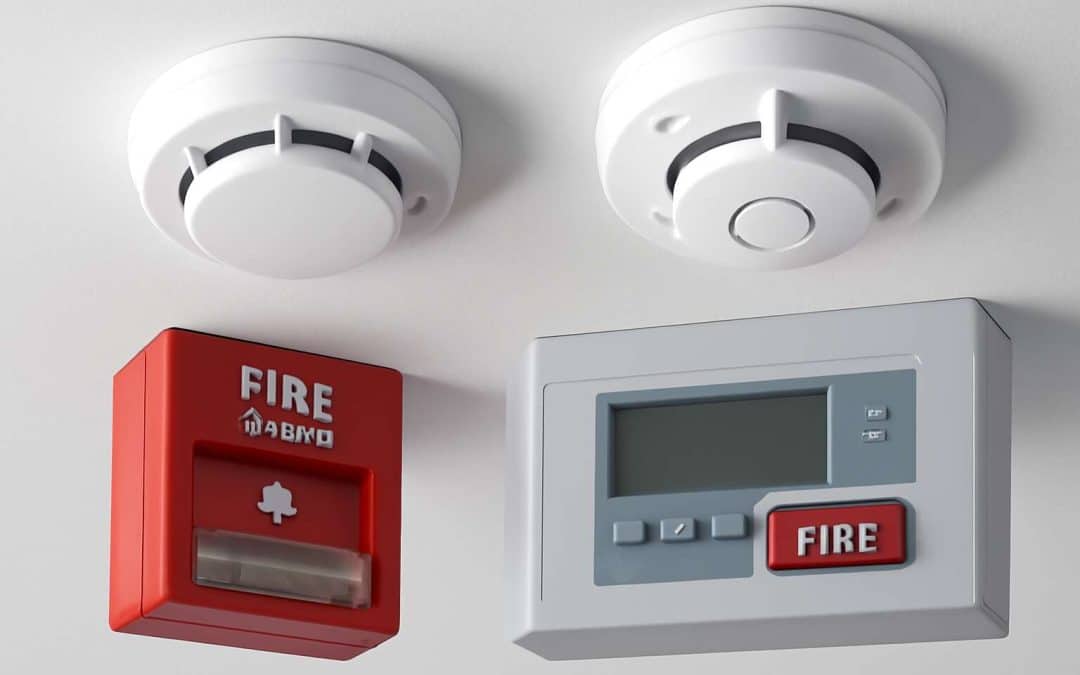
Top Fire Alarm Manufacturers: A Comprehensive Overview
Leading Global Manufacturers – Array
Global fire alarm manufacturers lead the way in safety innovation, setting standards that protect millions daily. Their advancements in sensor technology and network integration have transformed fire detection systems into sophisticated, reliable tools. In a market where seconds count, these manufacturers deliver peace of mind through cutting-edge solutions. Industry giants like Siemens, Honeywell, and Johnson Controls stand out for their extensive product ranges and commitment to quality.
Some of the top fire alarm manufacturers focus on seamless connectivity and user-friendly interfaces, making systems easier to install and maintain. Their innovations are driven by the relentless pursuit of safety and compliance with international standards. Here are a few industry leaders:
- Siemens – Known for their robust, scalable fire detection systems.
- Honeywell – Leaders in smart alarm technology and integration capabilities.
- Johnson Controls – Pioneers in intelligent fire alarm solutions.
Choosing a fire alarm manufacturer involves evaluating their track record, technological depth, and ability to adapt to unique safety requirements. With a diverse array of offerings, the best manufacturers continuously push the boundaries of fire safety innovations, ensuring protection is never compromised.
Emerging and Niche Manufacturers – Array
Among the shadows of the industry’s giants, emerging and niche fire alarm manufacturers are carving their own distinct paths—challengers driven by innovation and an acute understanding of specialised safety needs. Their ingenuity often lies in tailored solutions that resonate with unique environments, whether it’s retrofitting heritage buildings or safeguarding avant-garde industrial complexes. These manufacturers may not command the global footprint of industry titans but possess a profound capacity for customisation and rapid technological adaptation.
Many of these innovative players focus on integrating advanced sensor technology and IoT connectivity, pushing the boundaries of conventional fire detection. Their systems often feature intuitive interfaces and modular designs, making them particularly appealing to organisations seeking bespoke safety infrastructure. For instance, a handful of these manufacturers are renowned for their ultra-sensitive smoke detection systems or specialised fire suppression controls—elements vital in high-risk sectors.
To navigate this diverse landscape, it’s essential to consider factors such as compliance with international standards, responsiveness to evolving safety regulations, and their ability to provide scalable solutions that grow with your needs. The ever-expanding realm of fire alarm manufacturers continues to surprise, blending cutting-edge technology with craftsmanship to ensure safety isn’t just a standard, but a deeply ingrained ethos.
Factors to Consider When Choosing Fire Alarm Manufacturers
Product Quality and Certifications
In the high-stakes world of fire safety, product quality and certifications are the bedrock upon which trust is built. When selecting fire alarm manufacturers, it’s essential to scrutinise their adherence to rigorous standards that guarantee reliability in critical moments. A fire alarm system that fails during an emergency isn’t just inconvenient — it can be catastrophic. That’s why reputable fire alarm manufacturers prioritise stringent testing and certification processes, ensuring their products meet national and international safety benchmarks.
Certifications such as EN54, UL, or FM approval act as silent assurances of a product’s integrity. These marks aren’t merely bureaucratic hurdles; they are the gold standard that distinguishes credible fire alarm manufacturers from the rest. For example, a system boasting EN54 certification demonstrates compliance with European safety standards, signalling to users that the device has undergone comprehensive performance evaluations. When choosing a manufacturer, always verify their certifications—they are the ultimate indicator of quality and safety in the fire alarm industry.
- Verify the certifications held by the manufacturer.
- Assess the robustness of their quality control processes.
- Review product testing records and compliance reports.
Range of Fire Alarm Systems
Choosing the right fire alarm manufacturer hinges on understanding the range of fire alarm systems they offer. Not all systems are created equal, and the diversity of options can significantly impact safety and compliance. Some manufacturers specialise in conventional systems suitable for small to medium premises, while others provide advanced addressable solutions ideal for complex or high-value environments.
When evaluating fire alarm manufacturers, look for those who provide comprehensive product portfolios. A broad range indicates expertise and the ability to tailor systems to specific needs. For instance, a manufacturer offering smoke detectors, heat sensors, control panels, and integration modules demonstrates a thorough understanding of fire safety.
Remember, the right system isn’t just about technology—it’s about ensuring reliable protection when it’s most critical. The diversity of fire alarm systems available from reputable manufacturers ensures you get a solution precisely aligned with your safety requirements.
Integration Capabilities
In the labyrinthine realm of fire safety, integration capabilities of fire alarm manufacturers emerge as the unseen threads weaving a fabric of comprehensive protection. A system’s ability to communicate seamlessly with other security devices—not just smoke detectors but CCTV, access control, and emergency lighting—can spell the difference between chaos and control in critical moments. The sophistication of such integration often hinges on the manufacturer’s technological agility and their commitment to future-proof solutions.
Choosing a fire alarm manufacturer with robust integration capabilities ensures your safety infrastructure remains adaptable amidst evolving threats. It’s not just about the hardware but the ecosystem they cultivate—one that can be customised, scaled, and synchronised with your specific environment. When evaluating potential partners, consider their openness to open protocols and compatibility with third-party systems, as these factors are instrumental in creating a resilient safety network.
In this context, an understanding of the manufacturer’s software architecture becomes pivotal. A truly innovative fire alarm manufacturer will offer straightforward integration modules, enabling complex systems to speak a common language—an essential trait in high-stakes environments. After all, the best fire alarm systems are those that communicate reliably, providing real-time data and coordinated responses when seconds count.
Customer Support and Service
In the intricate theatre of fire safety, the calibre of customer support and service offered by fire alarm manufacturers can be the unseen anchor holding a complex system steady amidst chaos. When seconds matter, prompt and expert assistance transforms potential vulnerability into resilient security. A manufacturer’s responsiveness during emergencies or technical malfunctions reveals their commitment to safeguarding lives and property—an aspect that often goes unnoticed until critical moments arrive.
Choosing a manufacturer that prioritises comprehensive training, reliable maintenance, and swift troubleshooting ensures the longevity and dependability of your fire alarm system. Some manufacturers even offer dedicated support portals or 24/7 helplines, which can be invaluable in high-stakes environments. It’s these facets—often overlooked yet profoundly crucial—that delineate the truly superior fire alarm manufacturers from the rest. Trustworthy support isn’t just an added benefit; it’s an integral component of a resilient fire safety ecosystem.
Pricing and Value
Price is often the first consideration when selecting fire alarm manufacturers, but it shouldn’t be the sole factor. A system that appears affordable upfront may incur hidden costs through frequent repairs, upgrades, or unreliable performance. Striking a balance between initial investment and long-term value is essential for a resilient fire safety infrastructure.
Many discerning organisations prioritise manufacturers that offer transparent pricing models coupled with comprehensive warranties. An investment in a quality fire alarm system from reputable fire alarm manufacturers ensures durability and reduces the risk of costly failures during critical moments. Remember, the most cost-effective solution combines fair pricing with exceptional reliability, not just the lowest sticker price.
- Assess the total cost of ownership, including maintenance, upgrades, and support services.
- Compare offerings from different fire alarm manufacturers to gauge value for money.
- Consider the longevity and upgradeability of the system—sometimes paying a premium yields greater savings over time.
Choosing the right fire alarm manufacturer means recognising that a slightly higher initial investment can translate into peace of mind, enhanced safety, and peace of mind. After all, the true value lies in safeguarding lives and property, not just the price tag.
Types of Fire Alarm Systems Offered by Manufacturers
Conventional Fire Alarm Systems
Among the many offerings from fire alarm manufacturers, conventional fire alarm systems stand as a steadfast choice for numerous environments. These systems are designed with simplicity and reliability in mind, making them ideal for smaller premises or areas where cost-effectiveness is paramount. Their straightforward architecture allows quick identification of the general location of a fire, providing essential early warning without the complexity of advanced integration.
Typically, conventional fire alarm systems are subdivided into zones, each monitored by a specific detection device. When a detector senses smoke or heat, the control panel signals the affected zone, alerting personnel swiftly. This zoning feature, offered by leading fire alarm manufacturers, enhances situational awareness and expedites emergency response. Whether for commercial buildings or educational institutions, these systems remain a vital component of fire safety strategies.
For those considering a conventional fire alarm system, understanding the different types of detectors—such as smoke, heat, and multi-sensor devices—is crucial. The choice depends on the environment’s specific needs, highlighting the importance of selecting a manufacturer with a comprehensive product range and proven certification. After all, safety is not just a feature; it is a commitment woven into every design and innovation by the best fire alarm manufacturers.
Addressable Fire Alarm Systems
Addressable fire alarm systems represent a sophisticated evolution in fire safety, offering a level of precision that is increasingly vital in complex environments. Unlike conventional systems that simply alert to an issue within a zone, addressable systems assign a unique identifier to each detection point, creating a detailed map of potential hazards. This granular approach allows fire alarm manufacturers to craft devices that deliver pinpoint accuracy, reducing false alarms and enabling faster, more targeted responses.
Among the array of fire alarm manufacturers, many now specialise in advanced addressable systems, recognising their critical role in modern safety architecture. These systems often feature integrated communication protocols, enabling seamless connectivity with building management systems and enhancing overall safety management. For instance, some manufacturers incorporate intelligent diagnostic features, providing real-time status updates and maintenance alerts, which prolong system lifespan and optimise performance.
- Enhanced flexibility in system design
- Improved fire detection accuracy
- Streamlined maintenance and troubleshooting
In the landscape of fire alarm manufacturers, choosing a provider that offers a comprehensive range of addressable fire alarm systems ensures adaptability to any environment—be it a sprawling industrial complex or a high-rise office tower. The convergence of innovative detection technology and robust communication capabilities underscores why addressable systems are becoming the gold standard in fire safety. As the social fabric of our cities grows ever more intricate, so too does the importance of selecting the right fire alarm manufacturer to safeguard lives and property with precision and reliability.
Wireless Fire Alarm Systems
Wireless fire alarm systems have become the darlings of modern safety architecture, offering the flexibility and ease of installation that traditional wired systems often lack. With advancements driven by innovative fire alarm manufacturers, these systems are now capable of integrating seamlessly into diverse environments—from historic buildings where wiring is a logistical nightmare to sprawling industrial complexes demanding rapid deployment.
What sets wireless fire alarm systems apart is their ability to communicate via robust, encrypted protocols, ensuring both reliability and security. They reduce the need for extensive cabling, thereby minimising disruption during installation—a boon for architects and engineers alike. Many leading fire alarm manufacturers now offer comprehensive wireless solutions that feature real-time alerts, remote diagnostics, and scalable configurations, making them ideal for evolving safety requirements.
In essence, choosing a wireless fire alarm system from a reputable fire alarm manufacturer means embracing a future where safety is both smarter and more adaptable. As urban landscapes grow more intricate, the importance of such flexible, dependable systems cannot be overstated.
Hybrid Fire Alarm Systems
Hybrid fire alarm systems epitomise the convergence of tradition and innovation, offering a nuanced approach that caters to complex safety environments. These systems seamlessly integrate both conventional and addressable components, allowing for a layered and resilient detection network. The sophistication of hybrid systems lies in their capacity to adapt to diverse building architectures, ensuring comprehensive coverage without sacrificing reliability.
Many fire alarm manufacturers have pioneered these adaptable solutions, recognising the need for customisable safety architectures. Hybrid systems combine the immediacy of conventional alarms with the precision of addressable technology, creating a symphony of detection that is both robust and scalable. This duality enables real-time diagnostics and targeted alerts, vital in high-stakes scenarios where every second counts.
For those seeking flexibility, hybrid fire alarm systems can be configured in various ways, such as:
- Integrating wired and wireless components for maximum versatility
- Allowing phased upgrades from traditional to modern systems
- Supporting extensive zoning and customised notification protocols
In an era where safety must be as adaptable as the environments it protects, choosing a hybrid fire alarm system from a reputable fire alarm manufacturer is a strategic move, blending the best of both worlds with precision and foresight.
Innovations and Trends in Fire Alarm Manufacturing
Smart Fire Alarm Technologies
In an era where safety systems are evolving at a blistering pace, fire alarm manufacturers are spearheading a revolution with smart technologies that redefine fire detection. Cutting-edge innovations such as interconnected sensors, artificial intelligence, and real-time data analytics are transforming traditional fire alarm systems into sophisticated, intuitive networks. These advancements not only enhance early warning capabilities but also enable predictive maintenance, reducing false alarms and ensuring optimal performance when it matters most.
One of the most exciting trends is the integration of smart fire alarm technologies with building automation systems. This synergy allows for seamless communication between fire alarms, security, and HVAC controls, creating a unified safety ecosystem. As a result, fire alarm manufacturers are increasingly focusing on user-friendly interfaces and remote management features, which empower facility managers to oversee fire safety with unprecedented precision. The future belongs to those who harness these innovations, ensuring safer environments through smarter, more dependable fire alarm solutions.
Internet of Things (IoT) Integration
In the relentless march of technological innovation, fire alarm manufacturers are harnessing the power of the Internet of Things (IoT) to revolutionise safety systems. Imagine a network of interconnected sensors that not only detect smoke or heat but communicate seamlessly across a building’s entire ecosystem. This integration enables real-time data analytics, turning fire alarms from mere warning devices into sophisticated sentinels that anticipate potential hazards before they escalate.
IoT integration in fire alarm systems offers a tantalising glimpse into the future of safety, where predictive maintenance becomes standard, and false alarms are reduced to a distant memory. Some leading fire alarm manufacturers are now embedding smart connectivity that allows remote monitoring, ensuring facility managers can oversee fire safety from anywhere. This evolution isn’t just about convenience; it’s about creating smarter, safer environments that adapt proactively to emerging threats.
Consider these key trends shaping the landscape:
- Enhanced interoperability between fire alarms, security systems, and building automation controls
- Advanced analytics that provide actionable insights and early warning signals
- User-friendly interfaces for effortless management and remote oversight
As the industry progresses, one thing remains clear: fire alarm manufacturers are leading the charge in turning traditional safety measures into dynamic, intelligent networks that promise peace of mind in an increasingly connected world. The integration of IoT technology is not merely a trend; it’s a fundamental shift towards more resilient, adaptive fire safety solutions that truly understand the environment they protect.
AI and Machine Learning Applications
Innovations in fire alarm manufacturing are accelerating at an unprecedented pace, driven by advances in artificial intelligence (AI) and machine learning. These technologies are transforming traditional fire safety systems into intelligent networks capable of learning from their environment. For fire alarm manufacturers, integrating AI means more than just improved detection; it heralds a new era of predictive safety measures that can identify risks before they become critical.
By harnessing machine learning algorithms, fire alarm systems can analyse vast amounts of data, recognising patterns that might escape human notice. This allows for early warning signals, reducing false alarms and enhancing reliability. Some manufacturers are now embedding AI-driven analytics directly into their products, enabling fire safety systems to adapt dynamically to changing conditions.
Furthermore, the advent of AI-powered systems often involves the development of smart interfaces that facilitate seamless management and real-time monitoring. Here’s a quick overview of what’s shaping the future:
- Enhanced predictive maintenance, reducing downtime and repair costs
- Real-time data processing for faster, more accurate alerts
- Improved integration with building automation and security systems
Fire alarm manufacturers are at the forefront of this technological revolution, pushing boundaries to create systems that do more than just sound an alarm—they actively understand and respond to the environment. This shift underscores the importance of continuous innovation in the industry, ensuring safety measures keep pace with the complexities of modern buildings and urban landscapes.
Eco-Friendly and Sustainable Materials
Innovation in fire alarm manufacturing is now intertwined with a profound commitment to sustainability. As the industry faces mounting pressure to reduce environmental impact, manufacturers are turning towards eco-friendly and sustainable materials to craft their systems. These advancements do not merely serve ecological imperatives but also bolster the resilience and longevity of fire safety infrastructure.
Many leading fire alarm manufacturers are pioneering the use of biodegradable plastics, recycled metals, and low-impact manufacturing processes. Such materials minimise waste and carbon footprints, aligning safety with responsibility. The integration of sustainable components ensures that fire alarm systems remain effective while supporting broader ecological goals.
In tandem with material innovation, emerging trends include the development of systems that are energy-efficient and use minimal power without compromising performance. This synergy of technological sophistication and environmental consciousness is reshaping the landscape of fire alarm manufacturing, promising a future where safety and sustainability go hand in hand.
Global Markets and Regional Manufacturers
North American Fire Alarm Manufacturers
The global landscape of fire alarm manufacturers is as diverse as the environments they safeguard. North American fire alarm manufacturers, in particular, have carved out a reputation for innovation and reliability, driven by strict safety standards and a culture of technological leadership. These regional manufacturers often blend cutting-edge smart fire alarm technologies with robust traditional systems, ensuring comprehensive coverage for commercial and residential sectors alike.
In North America, the emphasis on integrating fire alarm systems with IoT and AI applications has propelled many manufacturers to the forefront. They focus not only on product quality and certifications but also on seamless connectivity and scalability. This dedication to innovation has made the region a hub for advanced fire safety solutions, attracting global attention and setting benchmarks for other markets to emulate.
European Market Leaders
The global fire alarm manufacturers market is nothing short of a bustling metropolis—dynamic, diverse, and ever-evolving. Europe, in particular, stands out as a powerhouse of innovation and tradition, where regional manufacturers blend age-old craftsmanship with cutting-edge technology. These companies often lead the charge in eco-friendly and sustainable materials, setting a high bar for environmental responsibility within the fire safety realm.
European leaders like Siemens, Honeywell, and Bosch have established themselves as titans in the fire alarm manufacturers arena, thanks to their unwavering commitment to quality and certification standards. Their focus isn’t just on meeting regulations but exceeding customer expectations through seamless integration capabilities and robust customer support. Here’s a quick glance at some regional highlights:
- Strong emphasis on eco-friendly materials and sustainable manufacturing processes.
- Integration of smart fire alarm technologies with IoT and AI applications.
- Wide variety of fire alarm systems, from conventional to addressable and wireless solutions.
Meanwhile, niche and emerging European fire alarm manufacturers are carving out a reputation for specialised solutions tailored to unique environments, such as heritage buildings or ultra-clean industrial spaces. These regional manufacturers aren’t just riding the wave—they’re shaping the future of fire safety with innovative features and relentless focus on safety standards. In a landscape where reliability is non-negotiable, European fire alarm manufacturers continue to set benchmarks that inspire the entire globe.
Asian and Middle Eastern Manufacturers
Across the bustling tapestry of the global fire alarm manufacturers market, regions such as Asia and the Middle East emerge as intriguing hubs of innovation and resilience. In these vibrant markets, companies are driven by a blend of rapid urbanisation and a deep-rooted commitment to safety, crafting solutions that are as diverse as the cultures they serve. From the towering skyscrapers of Dubai to the sprawling industrial zones of China, manufacturers here are shaping the future with a penchant for cost-effective yet technologically sophisticated fire alarm systems.
Asian fire alarm manufacturers are especially renowned for their agility and ability to scale production swiftly. Many incorporate cutting-edge IoT and AI technology into their offerings, making fire detection smarter and more responsive. Middle Eastern companies often focus on bespoke solutions tailored to extreme environmental conditions and high-value infrastructural projects. A few standout features include:
- Integration of wireless and hybrid systems to accommodate complex architectural requirements.
- Enhanced durability for harsh climates and challenging environments.
- Competitive pricing paired with high standards of certification and compliance.
In this dynamic landscape, regional manufacturers are not merely following trends—they’re actively shaping the evolution of fire safety. Their innovative spirit constantly pushes the boundaries of what fire alarm manufacturers can achieve, ensuring safety remains both reliable and accessible across continents.
Regulations, Standards, and Certifications in Fire Alarm Manufacturing
International Standards (EN, ISO, UL)
In the intricate dance of fire safety, regulations, standards, and certifications act as the guiding stars for fire alarm manufacturers, illuminating the path toward safety and reliability. International standards such as EN, ISO, and UL serve as the bedrock upon which these manufacturers build products that can withstand the chaos of real-world scenarios. These standards are not mere bureaucratic hurdles; they are the promise of consistency, durability, and excellence.
Compliance with these standards often involves rigorous testing and certification processes, ensuring that each fire alarm system meets the highest criteria for performance. For example, UL certification in North America is a mark of trust, signifying that the product adheres to stringent safety requirements. Meanwhile, European manufacturers align with EN standards, fostering interoperability across diverse markets.
A comprehensive understanding of these regulations is vital for discerning fire alarm manufacturers. Many of them follow a structured hierarchy of standards, ensuring their products satisfy multiple certifications. This layered approach guarantees not just safety, but also compatibility with various international building codes and fire safety legislations.
Regional Compliance Requirements
When it comes to fire alarm manufacturers, compliance with regional regulations and standards isn’t just a checkbox — it’s the backbone of trust. Different markets come with their own set of rules, which can feel like navigating a labyrinth without a map. In North America, UL certification is the gold standard, signalling that a product passes rigorous safety tests. Meanwhile, European fire alarm manufacturers often align with EN standards, ensuring their systems can seamlessly integrate into diverse building codes across the continent.
To add another layer of complexity, some regions demand certifications from multiple bodies, creating a layered hierarchy of standards. For instance, a fire alarm system might need both UL approval and adherence to ISO or local fire safety legislation. Such meticulous compliance guarantees not only safety but also market access — a non-negotiable for global fire alarm manufacturers. Ultimately, understanding these regional compliance requirements is essential for navigating the ever-evolving landscape of international fire safety regulations.
Certification Processes
In the intricate world of fire alarm manufacturing, certification processes serve as the invisible threads weaving safety, reliability, and trust into every system produced. Regulations and standards are more than bureaucratic hurdles; they are vital benchmarks that determine whether a fire alarm system can protect lives and property effectively. For fire alarm manufacturers, navigating this labyrinth requires a meticulous understanding of regional compliance landscapes and international standards like EN, ISO, and UL.
Certifications aren’t just symbols of quality—they are proof that a manufacturer’s products meet rigorous safety criteria. For example, UL certification in North America ensures that fire alarm systems undergo comprehensive testing, affirming their performance under diverse conditions. Meanwhile, European manufacturers often adhere to EN standards, which facilitate seamless integration into the continent’s complex building codes.
Some regions demand multiple certifications, adding layers of validation for fire alarm manufacturers. A typical scenario might involve systems obtaining both UL approval and compliance with ISO standards, ensuring global acceptance and market access. Such layered certification processes are essential for manufacturers aiming to serve international markets, where safety and regulatory adherence are non-negotiable. Ultimately, these certification processes underpin trust and safety in the fire alarm industry, shaping the standards that protect us all.
How to Evaluate and Select Fire Alarm Manufacturers for Your Projects
Assessing Product Compatibility
When selecting fire alarm manufacturers, one must approach the task with the finesse of a seasoned connoisseur rather than a hurried shopper. A critical first step is assessing whether their products are compatible with your project’s specific needs. This means delving into the nuances of their offerings—do they provide systems that seamlessly integrate with existing infrastructure? Compatibility isn’t merely about plugging in a device; it’s about ensuring that the entire fire safety ecosystem functions harmoniously, reducing false alarms or system failures.
Imagine, for example, prioritising fire alarm manufacturers that specialise in adaptable solutions—whether addressing a historic building’s unique architecture or a cutting-edge smart facility. A keen eye for detail will also prompt you to scrutinise the manufacturer’s capacity for customisation, ensuring their products can be tailored to your project’s demands. Ultimately, selecting the right fire alarm manufacturers hinges on their ability to deliver reliable, compatible systems that stand the test of time and compliance.
Vendor Reputation and Reviews
In the intricate landscape of fire safety, the reputation of fire alarm manufacturers can make or break a project’s integrity. When evaluating potential vendors, a deep dive into their reviews and industry standing isn’t just advisable—it’s essential. Customer feedback offers a window into real-world performance, revealing insights that technical specifications alone can’t provide. Do previous clients report consistent reliability? Are there recurring issues with false alarms or system failures? These are the questions that can safeguard your investment.
Trustworthy fire alarm manufacturers often boast a solid track record backed by recognised certifications and positive testimonials. An efficient way to gauge their standing is to examine independent review platforms or industry-specific forums. Here, you might uncover patterns that distinguish credible manufacturers from less reliable ones. Ultimately, selecting a vendor with a strong reputation ensures your fire safety ecosystem is robust, compliant, and ready to face unforeseen challenges. Trust the voices of the industry—they often tell the true story behind the brand.
After-Sales Support
In the labyrinthine world of fire alarm manufacturers, selecting a partner for your project demands more than a cursory glance at brochures or technical datasheets. After-sales support, often overlooked amidst the allure of cutting-edge technology, emerges as the cornerstone of long-term reliability and peace of mind. To truly evaluate a fire alarm manufacturer, one must delve into their post-installation commitments—how swiftly do they respond to system malfunctions? What avenues exist for ongoing maintenance, training, and upgrades? These intangible elements underpin the resilience of your fire safety ecosystem.
Assessing after-sales support involves scrutinising their service infrastructure, response times, and the depth of their technical expertise. An insightful approach is to explore customer testimonials and industry reviews, which often reveal the manufacturer’s true level of commitment. When a fire alarm manufacturer offers comprehensive, round-the-clock support, it signifies a dedication that transcends mere product supply—an assurance that, should an emergency arise, their team will be a steadfast ally. Ultimately, the longevity of your fire alarm system hinges on this vital partnership, making the evaluation of after-sales support not just advisable but imperative!
Warranty and Maintenance Services
When it comes to selecting the right fire alarm manufacturers, warranty and maintenance services are often the unsung heroes of a safe and reliable system. A manufacturer’s promise of robust warranty coverage isn’t just a marketing ploy; it’s a testament to their confidence in their products’ longevity.
A comprehensive warranty should cover essential components and offer clear terms for repairs or replacements, providing peace of mind long after installation. Equally vital are maintenance services—routine checks, firmware updates, and troubleshooting support—that keep your fire alarm system performing optimally.
Look for fire alarm manufacturers that offer tailored maintenance packages, ideally with 24/7 support, so you’re never left in the dark during an emergency. Remember, a manufacturer that stands firmly behind their product with dependable warranty and maintenance services is often your best bet for a resilient fire safety ecosystem.
Future Outlook for Fire Alarm Manufacturers
Market Growth Projections
The future of the fire alarm manufacturers market appears luminous, driven by rapid technological advancements and escalating safety regulations worldwide. As urban landscapes become denser and infrastructure more complex, the demand for sophisticated fire alarm systems is set to soar. Notably, the integration of IoT and AI applications is revolutionising how fire alarm manufacturers develop smarter, more responsive solutions. These innovations enable real-time data analysis and predictive maintenance, elevating fire safety standards to unprecedented levels.
Market growth projections suggest a compound annual growth rate (CAGR) that could reach double digits over the next decade, reflecting robust investor confidence and consumer trust. Such momentum is bolstered by increasing regional compliance requirements—particularly in North America, Europe, and Asia—where stringent standards demand continuous innovation from fire alarm manufacturers. As sustainability becomes central to product development, eco-friendly materials are also gaining favour, aligning safety with environmental responsibility. The convergence of these trends signals a dynamic, resilient marketplace poised for sustained expansion.
Emerging Technologies
The future of fire alarm manufacturers is not merely a matter of incremental innovation but a profound redefinition driven by emerging technologies that push the boundaries of safety and intelligence. As the global landscape shifts towards interconnected, adaptive systems, the integration of IoT and AI within fire alarm systems offers an unprecedented level of responsiveness. These advancements transcend traditional boundaries, enabling real-time data analysis and predictive diagnostics that anticipate potential hazards before they escalate.
In this rapidly evolving environment, fire alarm manufacturers are exploring diverse technological frontiers. Among them, smart fire alarm technologies stand out, harnessing the power of machine learning to personalise safety protocols and optimise system performance. As regulatory frameworks tighten and eco-consciousness gains traction, eco-friendly materials and sustainable designs are becoming integral to product development. Embracing these innovations, fire alarm manufacturers are positioning themselves at the vanguard of a resilient, future-proof industry.
To navigate this complex landscape, manufacturers are increasingly adopting a structured approach to innovation, often including:
- Integrating wireless fire alarm systems for seamless coverage in complex infrastructures.
- Developing hybrid systems that combine conventional and addressable technologies for flexible deployment.
- Enhancing integration capabilities to connect with building management systems and smart infrastructure.
Such technological synergies are not only elevating safety standards but also transforming the very fabric of fire detection. As these innovations unfold, it’s clear that the future for fire alarm manufacturers hinges on their ability to harness emerging technologies, ensuring safety is as intelligent as it is reliable.
Impact of Regulatory Changes
The regulatory environment is transforming at a rapid pace, posing both challenges and opportunities for fire alarm manufacturers. As governments tighten safety standards and environmental regulations, manufacturers must adapt swiftly to remain compliant and competitive. These regulatory shifts often drive innovation, compelling manufacturers to develop systems that meet rigorous standards such as EN, ISO, and UL certifications, which are vital for global market acceptance.
In regions like North America and Europe, compliance with regional requirements is non-negotiable, influencing product design and testing processes. For fire alarm manufacturers, navigating this complex regulatory landscape demands agility and foresight—those who fail to keep pace risk obsolescence. Conversely, companies that proactively align with evolving standards can leverage their compliance as a competitive advantage, fostering trust and credibility among clients and stakeholders.
Moreover, the impact of regulatory changes extends beyond compliance. It fosters a culture of continual innovation, encouraging the integration of emerging technologies such as IoT and AI. These advancements not only enhance safety but also ensure that fire alarm systems are future-proofed against upcoming regulatory demands. As the industry continues to evolve, fire alarm manufacturers poised to embrace these shifts will undoubtedly shape the future of fire safety—making systems smarter, more reliable, and more sustainable.
