
Understanding Fire Alarm Systems
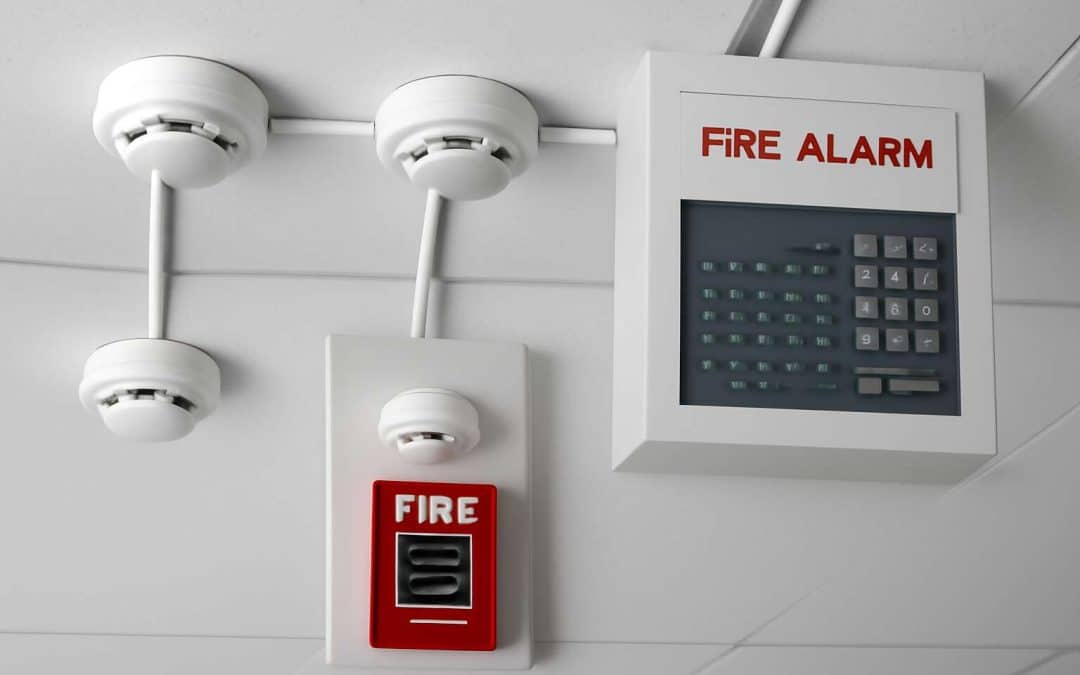
Components of Fire Alarm Systems – Detailed overview of smoke detectors, heat sensors, alarm panels, and notification devices
Understanding the intricacies of fire alarm systems is like unlocking a secret code that safeguards lives and property. At the heart of every robust fire alarm project explanation are the essential components that work seamlessly to detect danger and alert occupants. Smoke detectors, for instance, are the vigilant sentinels, constantly scanning for the faintest traces of combustion particles, ensuring early warning in case of fire. Heat sensors, on the other hand, respond swiftly to rapid temperature changes, providing a crucial layer of protection in environments where smoke detection might be less effective.
These sensors are integrated into sophisticated alarm panels, which act as the brain of the system, orchestrating signals and activating notification devices with precision. In a typical setup, notification devices such as sirens, strobe lights, and voice alarm systems are strategically placed to ensure maximum audibility and visibility. The comprehensive fire alarm project explanation reveals how each component — from smoke detectors to notification devices — plays a vital role in creating a reliable safety net, transforming complex technology into an intuitive guardian of safety.
Types of Fire Alarm Systems – Conventional vs. addressable systems, wireless solutions, and hybrid options
Fire alarm systems come in a colourful array of types, each with their own quirks and perks. According to recent studies, choosing the right system can reduce fire-related damages by up to 50%, so it’s not just about safety — it’s good sense! A classic choice is the conventional fire alarm system, which organises detection zones into groups. Think of it as a neighbourhood watch — simple, straightforward, and budget-friendly. However, if you’re after pinpoint accuracy, an addressable fire alarm system is the way to go. These systems assign a unique ID to each sensor, allowing for pinpoint location detection with laser-like precision.
Wireless solutions are gaining ground faster than a house on fire — no pun intended! They offer flexibility, ease of installation, and are perfect for retrofits or hard-to-wire locations. Alternatively, hybrid fire alarm systems combine elements of both wired and wireless technology, giving you the best of both worlds. For a comprehensive fire alarm project explanation, understanding these different system types is crucial, as your choice impacts responsiveness, scalability, and overall safety. Each option has its own character, but all share the common goal of protecting lives and property with a keen eye on innovation and reliability.
Importance of Fire Alarm Systems in Safety – Role in early detection, occupant safety, and property protection
In the intricate dance of safeguarding lives and property, fire alarm systems stand as silent sentinels—guardians that detect danger before it manifests into catastrophe. A recent study reveals that properly installed fire alarm systems can reduce fire-related damages by up to 50%, underscoring their vital role in modern safety protocols. This is where a comprehensive fire alarm project explanation becomes essential, illuminating the nuances that make each system unique and effective.
At its core, a fire alarm system’s importance lies in its capacity for early detection. When smoke or heat sensors identify the first signs of a fire, immediate alerts are triggered, allowing occupants to evacuate swiftly and emergency services to respond promptly. Such rapid response can be the difference between a manageable incident and a devastating loss. Moreover, a well-designed fire alarm system not only protects human life but also minimises property damage, preserving the integrity of both the structure and its contents.
Understanding the critical functions of fire alarm systems reveals their influence on societal safety. They serve as proactive tools—integrated into a broader safety culture—that empower individuals and organisations to act decisively during emergencies. As technology advances, the integration of wireless and hybrid solutions in fire alarm project explanations enhances flexibility and scalability, ensuring systems remain resilient and adaptable. Ultimately, the choice of a fire alarm system reflects a commitment to safety, technological innovation, and peace of mind—cornerstones of any responsible safety strategy.
Planning and Designing a Fire Alarm Project
Assessing Building Requirements – Building size, occupancy type, and fire risk assessment
Effective fire alarm project explanation begins with a thorough assessment of building requirements. Understanding the size, occupancy type, and fire risk assessment is crucial. Larger buildings with high occupancy demand more sophisticated systems, while smaller premises may require simpler solutions.
Fire risk assessment plays a vital role in tailoring the fire alarm system to specific hazards. It helps identify vulnerable areas and ensures that critical components like smoke detectors and alarm panels are optimally placed.
During the planning phase, consider the building’s layout and usage patterns. For example, industrial warehouses need different coverage compared to office spaces. This detailed evaluation informs the selection of appropriate fire alarm system types—whether conventional, addressable, or hybrid.
A well-executed fire alarm project explanation ensures all safety standards are met, providing peace of mind for occupants and property alike.
Compliance with Fire Safety Regulations – National codes, local standards, and industry best practices
Planning and designing a fire alarm project explanation requires meticulous attention to compliance with fire safety regulations. Every building must adhere to national codes, local standards, and industry best practices to ensure safety is not compromised. Regulatory frameworks often specify minimum requirements for installation, maintenance, and testing of fire alarm systems, creating a foundation that guarantees reliable performance.
Incorporating these standards into the design process is essential for both legal compliance and effective safety management. For example, certain jurisdictions mandate specific types of detectors or alarm notification methods based on building use and occupancy.
An effective fire alarm project explanation also involves understanding the intricacies of local standards, which can vary significantly between regions. This understanding is crucial to avoid costly oversights and ensure that every component—from smoke detectors to alarm panels—is optimally integrated.
A comprehensive approach to compliance ensures the fire alarm system not only meets legal requirements but also provides peace of mind for occupants and building owners alike.
Designing the System Layout – Device placement strategy, coverage optimization, and wiring considerations
Designing a fire alarm project explanation is akin to charting a precise map through a labyrinth of safety considerations. At the heart of this process lies the strategic placement of devices—smoke detectors, alarm sounders, and control panels—each chosen and positioned with both ingenuity and adherence to standards. A thoughtful device placement strategy ensures comprehensive coverage, eliminating blind spots that could compromise safety. Proper wiring considerations, too, play a pivotal role in guaranteeing reliable performance, preventing false alarms, and facilitating seamless maintenance.
To optimise coverage, it’s often beneficial to follow an ordered approach:
- Assess the spatial layout and identify high-risk zones.
- Determine the optimal locations for detectors, considering airflow and potential obstructions.
- Plan wiring routes that minimise interference and facilitate future upgrades.
This meticulous planning ensures the fire alarm system functions flawlessly, providing early detection and swift alerts that could be the difference between safety and catastrophe. A well-designed fire alarm project explanation reveals the importance of balancing technical precision with practical implementation, safeguarding lives and property alike.
Implementation of Fire Alarm Systems
Installation Process – Steps involved in installing sensors, panels, and notification devices
Implementing a fire alarm system is a meticulous process that demands precision and foresight. Each step in the installation process contributes to a cohesive network designed to protect lives and property. From the moment sensors are positioned to the final testing of notification devices, every stage is crucial in creating an effective fire alarm project explanation that aligns with safety standards.
Initially, sensors such as smoke detectors and heat sensors are carefully installed in strategic locations identified during the system layout design. Proper placement enhances early detection and reduces false alarms. Following sensor installation, the wiring and connection of control panels are carried out with meticulous attention to detail, ensuring seamless communication across the entire network.
Typically, the installation process involves the following steps:
- Mounting sensors and detectors at optimal points.
- Connecting devices to the main alarm control panel.
- Integrating notification devices like sirens and visual alerts.
- Conducting thorough testing to confirm system functionality and coverage.
This comprehensive approach guarantees that the fire alarm system not only meets regulatory requirements but also provides reliable, life-saving performance in real emergencies. A well-executed fire alarm project explanation encapsulates these steps, demonstrating the technical mastery behind successful fire safety implementation.
Integration with Building Management Systems – Automation, monitoring, and maintenance integration
In the age of smart buildings and interconnected technology, integrating fire alarm systems with Building Management Systems (BMS) has become the gold standard for modern fire safety. This seamless integration transforms a basic fire alarm project explanation into a sophisticated orchestration of automation, monitoring, and maintenance. Imagine your fire alarm system not just sounding the alarm but actively communicating with HVAC, access control, and security systems—turning chaos into coordinated control.
By leveraging advanced software platforms, fire alarm systems can now provide real-time data, enabling facilities managers to respond swiftly and efficiently. This integration enhances not only occupant safety but also operational efficiency. For example, during a fire event, the BMS can automatically shut down ventilation to prevent smoke spread or unlock emergency exits—making every second count.
Implementation often involves a detailed process, including the configuration of communication protocols such as BACnet or Modbus, ensuring compatibility across diverse building systems. This approach results in a comprehensive fire alarm project explanation that highlights the critical role of automation and continuous monitoring in fire safety management. In essence, integrating fire alarm systems with building management elevates safety from mere compliance to proactive protection, all while keeping the system optimally maintained and ready for action.
Testing and Commissioning – Ensuring system functionality, sensitivity calibration, and compliance checks
In the intricate ballet of fire safety, no performance is complete without rigorous testing and commissioning. A comprehensive fire alarm project explanation must delve into the meticulous process that ensures every component performs flawlessly when it truly counts. It is not enough to install; the system must be validated through a series of precise evaluations designed to confirm functionality, sensitivity calibration, and compliance with stringent standards.
This phase involves a thorough series of checks, starting with verifying the correct operation of sensors and notification devices under various conditions. Sensitivity calibration is essential—too sensitive, and false alarms will become the norm; not sensitive enough, and real threats might go unnoticed. During commissioning, technicians conduct simulated fire scenarios, testing the system’s response time and accuracy. It’s akin to fine-tuning a musical instrument—only when harmonised can the system truly serve its purpose.
To streamline this process, many fire alarm project explanations incorporate a step-by-step approach, such as:
- Functional testing of alarm panels and sensors
- Calibration of detection sensitivities
- Verification of communication protocols and integration points
- Compliance checks against local fire safety regulations
In essence, the testing and commissioning stage transforms a mere installation into an assured safeguard. It’s the final act where precision meets assurance—an essential chapter in the fire alarm project explanation that underpins ongoing safety and operational excellence.
Key Factors in Fire Alarm Project Explanation
Technical Specifications – Details on system components, specifications, and technical standards
In the intricate symphony of fire safety, understanding the technical specifications of a fire alarm project explanation is paramount. Every component, from sensitive smoke detectors to robust alarm panels, must harmonise seamlessly within the system. The specifications dictate not just compliance but also resilience—ensuring that the system responds with unwavering certainty in the face of danger. Standards such as EN 54 or NFPA 72 serve as the guiding stars, illuminating the path towards a reliable installation.
When detailing system components, it is essential to highlight the technical standards that underpin their performance. For instance, smoke detectors should meet sensitivity thresholds that balance false alarms and rapid detection. Notification devices, whether visual or auditory, must adhere to loudness and visibility requirements tailored to the building’s occupancy. This meticulous attention to specifications transforms a fire alarm project explanation into a blueprint of safety, precision, and unwavering preparedness.
Project Timeline – Phases from planning, installation, to commissioning
A well-structured fire alarm project explanation hinges on a clear project timeline. Understanding the phases—from initial planning, through installation, to final commissioning—ensures smooth progression and accountability. Each stage demands precision; rushing can compromise system reliability, while thorough execution guarantees safety.
Typically, the timeline involves several key milestones. First, detailed design and site assessment set the foundation. Then, installation of system components follows, where adherence to technical standards like EN 54 and NFPA 72 is critical. Finally, rigorous testing and commissioning confirm that every element functions perfectly.
By mapping out these phases meticulously, stakeholders gain confidence that the fire alarm system will perform flawlessly when it matters most. A comprehensive fire alarm project explanation not only clarifies the process but also highlights the importance of timing and coordination in delivering reliable fire safety solutions.
Cost Estimation and Budgeting – Material costs, labor, and long-term maintenance expenses
In the high-stakes world of fire safety, budget overruns are about as welcome as a smoke alarm going off during a dinner party. Cost estimation and budgeting in a fire alarm project explanation are vital to ensure that safety doesn’t become collateral damage. From the outset, material costs can fluctuate more wildly than a cat on a hot tin roof—think smoke detectors, alarm panels, notification devices, and wiring. Labour expenses, often underestimated, can balloon if skilled technicians are scarce or if unforeseen obstacles turn the installation into a game of ‘hide and seek’ with conduit runs.
Long-term maintenance expenses are sometimes overlooked in the initial fire alarm project explanation, yet they’re equally critical. Regular testing, calibration, and eventual component replacement can quietly drain the budget if not properly accounted for. To keep things transparent, many professionals use a straightforward approach: an ordered list of key cost factors, such as:
- Materials — sensors, panels, wiring, and backup power supplies
- Labour — installation, calibration, and commissioning services
- Maintenance — routine inspections, testing, and repairs
By meticulously detailing these components in the fire alarm project explanation, stakeholders gain a clear understanding of where funds are allocated and why. This comprehensive view helps prevent nasty surprises and ensures the fire safety system is both reliable and financially feasible—because safety should never be a gamble, even in the world of fire alarm systems!
Benefits of a Well-Executed Fire Alarm Project
Enhanced Safety and Security – Reducing fire hazards and protecting lives and property
A meticulously executed fire alarm project explanation can transform the often unseen, yet vital, safety infrastructure of a building into an unassailable fortress of protection. When fire alarm systems are thoughtfully designed and flawlessly implemented, the benefits extend far beyond mere compliance; they forge a resilient environment where safety becomes an intrinsic part of daily life.
Enhanced safety and security emerge as the cornerstone of a well-executed fire alarm project, reducing fire hazards and drastically improving the odds of early detection. This proactive approach not only safeguards lives but also preserves invaluable property assets. The true strength of such a system lies in its ability to activate swiftly, alert occupants instantaneously, and integrate seamlessly with existing safety protocols.
Moreover, a comprehensive fire alarm project explanation reveals the importance of continuous monitoring and maintenance, ensuring the system operates at peak performance. This ongoing vigilance is essential in fostering an atmosphere where safety is not an afterthought but a fundamental principle woven into the very fabric of the building’s design.
Legal Compliance – Meeting safety regulations and avoiding penalties
A meticulously crafted fire alarm project explanation unveils the silent guardians standing sentinel within our buildings, ensuring that safety is woven into the very fabric of daily existence. Compliance with fire safety regulations is not merely a bureaucratic hurdle but a vital shield against chaos; it guarantees that fire alarm systems meet national codes and local standards, warding off the spectre of penalties and legal repercussions. In the shadows of the law, the true power lies in safeguarding lives and preserving irreplaceable assets.
A well-executed fire alarm project also offers the peace of mind that comes with continuous monitoring and rigorous maintenance. This ongoing vigilance transforms the system from a static installation into a living, breathing sentinel—ready to alert and protect at a moment’s notice. In this way, the fire alarm project explanation becomes an essential narrative, telling the story of resilience and unwavering security.
Operational Efficiency – Minimizing false alarms and ensuring system reliability
A well-executed fire alarm project is the backbone of a reliable safety system, ensuring that alerts are swift and false alarms are kept at bay. When properly designed and maintained, these systems operate with pinpoint precision, minimising disruptions caused by nuisance alarms that can desensitise occupants or lead to unnecessary evacuations. The secret lies in meticulous calibration and strategic device placement—two crucial elements often highlighted in a thorough fire alarm project explanation.
System reliability isn’t just about hardware; it’s about continuous operational efficiency. Regular testing and calibration help identify potential weak spots before they turn into costly disasters. This proactive approach ensures that when a real emergency strikes, the fire alarm system responds instantly, safeguarding lives and property. A resilient fire alarm project also employs advanced features like zone-specific alerts and integration with building management systems, transforming the system from a mere alarm into an intelligent fire safety network.
For maximum effectiveness, consider the following factors within your fire alarm project explanation:
- Reducing false alarms through intelligent sensor technology
- Ensuring system redundancy for fail-safe operations
- Regular maintenance schedules to sustain optimal performance
By prioritising these elements, a well-implemented fire alarm project not only guarantees compliance but also delivers peace of mind. After all, a reliable fire alarm system is the silent hero that quietly protects everyone within its reach—day and night, alarm or no alarm.
