
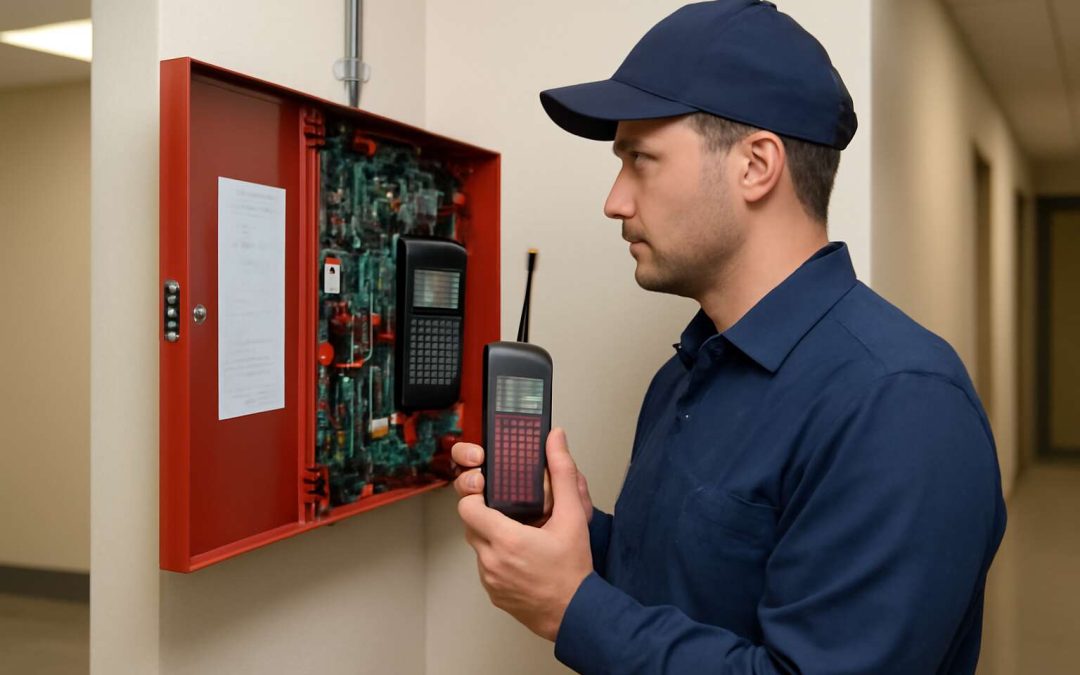
Understanding the Importance of Fire Alarm Quarterly Inspections
What is a Fire Alarm Quarterly Inspection?
Fire alarm quarterly inspections are often overlooked, yet they serve as the backbone of effective fire safety management. Research indicates that regular maintenance can reduce fire-related incidents by up to 50%, underscoring their critical role. These inspections are not merely a routine check; they are a philosophical commitment to safeguarding lives and property. When we neglect such essential maintenance, we risk creating an environment where fire emergencies can escalate unchecked.
So, what exactly is a fire alarm quarterly inspection? In essence, it is a comprehensive review of your fire alarm system conducted every three months. This process involves testing all components—detectors, alarms, control panels, and backup power sources—to ensure they function flawlessly when needed most. The goal is to identify potential faults before they become catastrophic, maintaining a state of preparedness that is both proactive and reassuring. A diligent fire alarm quarterly inspection embodies a culture of vigilance, reflecting our collective responsibility to protect our communities.
Why Regular Inspections are Crucial for Safety
Fire safety isn’t something to take lightly — it’s a matter of life and death. A startling 75% of fire-related fatalities could be avoided with proper maintenance and vigilant monitoring of fire alarm systems. That’s where the significance of a fire alarm quarterly inspection becomes undeniable. These inspections act like a guardian angel, silently ensuring every component of your fire detection system is battle-ready.
Neglecting this vital process can lead to catastrophic failures when it matters most. Imagine a fire erupting, only for the alarms to fail because of overlooked faults. Regular fire alarm quarterly inspections catch issues early—be it faulty detectors, dead batteries, or control panel glitches—before they turn into disasters. By prioritising these routine checks, you uphold a culture of safety and responsibility that safeguards lives and property alike.
In essence, a comprehensive fire alarm quarterly inspection isn’t just a maintenance task; it’s a proactive shield against chaos, reinforcing your commitment to safety and ensuring that every alarm sounds loud and clear in times of crisis.
Legal and Compliance Requirements
In the realm of fire safety, compliance isn’t just a suggestion — it’s a legal obligation. A fire alarm quarterly inspection isn’t a mere box-ticking exercise; it’s a core component of fulfilling statutory requirements that protect lives and property alike. Ignoring these inspections could mean falling foul of regulations, risking hefty fines or even closure. Regulatory bodies, such as the UK’s Fire Safety Order, mandate regular checks to guarantee your fire detection systems are functioning flawlessly when it counts.
Beyond legal imperatives, a comprehensive fire alarm quarterly inspection acts as the ultimate safeguard, ensuring your system’s reliability. Think of it as a health check-up for your fire alarms, catching potential faults before they escalate into compliance nightmares. Remember, adherence to these inspection schedules isn’t just good practice — it’s the law. Incorporating routine inspections into your safety protocols keeps your organisation in line with legislation and demonstrates a proactive stance on fire prevention.
To stay on the right side of the law, consider this:
- Maintaining thorough records of every fire alarm quarterly inspection
- Ensuring all components, from detectors to control panels, meet regulatory standards
- Scheduling inspections with certified professionals who understand legal compliance intricacies
Ultimately, prioritising regular fire alarm quarterly inspections isn’t just about avoiding penalties; it’s about creating a resilient environment where safety isn’t an afterthought, but a foundational principle. After all, in the world of fire safety, legal compliance and peace of mind go hand in hand.
Components Involved in Fire Alarm Systems
Detectors and Sensors
When it comes to fire alarm quarterly inspection, understanding the components involved in these life-saving systems is crucial. Central to their efficacy are the detectors and sensors, which act as the system’s vigilant eyes and ears—sniffing out smoke, heat, or flames before catastrophe strikes. These devices are the frontline warriors, constantly monitoring environmental changes and signalling alarms when danger lurks.
Detectors and sensors come in various forms, each tailored to specific threats. Smoke detectors, for instance, can be ionisation or photoelectric, each with their own strengths and quirks. Heat sensors respond to rapid temperature rises, while flame detectors use infrared or ultraviolet light to spot visible flames. During a fire alarm quarterly inspection, technicians meticulously test each of these components to ensure they’re functioning optimally, because even the tiniest malfunction can turn a safety feature into a ticking time bomb.
To keep everything running like clockwork, regular checks on these core components are essential. A typical fire alarm system may include:
- Photoelectric smoke sensors
- Ionisation smoke detectors
- Heat detectors
- Flame detectors
- Environmental monitoring sensors
Ensuring the reliability of these components during a fire alarm quarterly inspection isn’t just about ticking boxes—it’s about peace of mind, knowing that when seconds count, your system will respond swiftly and accurately. Because in the world of fire safety, complacency is a luxury no one can afford.
Control Panels
At the heart of every reliable fire alarm system lies the control panel—an unassuming yet vital command centre that orchestrates the entire safety network. It’s the nerve centre that processes signals from detectors and sensors, translating environmental data into decisive action. During a fire alarm quarterly inspection, this component receives meticulous scrutiny, because the control panel’s integrity can mean the difference between swift response and catastrophic delay.
Modern control panels are sophisticated, incorporating a range of features such as alarm signalling, system diagnostics, and remote monitoring capabilities. Important elements to check include power supplies, backup batteries, and communication modules. These ensure that the system remains resilient under duress. To facilitate thorough inspection, many panels feature
- diagnostic indicators
- test modes
that help technicians identify potential faults before they escalate.
In essence, the control panel acts as the brain of the fire alarm system. Its flawless operation during a fire alarm quarterly inspection guarantees that every sensor, detector, and alarm is synchronised and ready, reaffirming the unshakeable trust we place in these silent sentinels of safety. Because when it comes to fire safety, a well-maintained control panel isn’t just a component—it’s the cornerstone of peace of mind.
Notification Appliances
At the core of every fire alarm system, beyond the control panel, lie the notification appliances that serve as the system’s voice, alerting everyone in the building to danger. These components are vital in ensuring that warnings are loud, clear, and unmistakable, even in the chaos of an emergency. During a fire alarm quarterly inspection, these appliances receive detailed attention to guarantee their flawless operation.
Notification appliances include a variety of devices such as sirens, strobe lights, and horns. Each one plays a crucial role in capturing attention and conveying urgency. Their effectiveness depends on regular testing and maintenance, which ensures they are functioning at peak performance. In some systems, these appliances are interconnected, forming a network that amplifies the alert, making sure no one misses the warning.
To streamline the inspection process, technicians often focus on:
- Checking the power supply and ensuring backup batteries are fully charged
- Testing the clarity and volume of alarms to confirm audibility
- Inspecting the visual indicators like strobes for brightness and proper operation
When these notification appliances are maintained diligently during a fire alarm quarterly inspection, they become more than mere devices; they transform into reassuring symbols of safety, standing ready to protect lives and property when it matters most. The resilience of these components reflects the unwavering commitment to safety that underpins every thorough fire alarm system check.
Wiring and Power Supply
At the heart of every reliable fire alarm system lies a carefully orchestrated symphony of wiring and power supply components—silent guardians working tirelessly behind the scenes. During a fire alarm quarterly inspection, these elements receive meticulous scrutiny to ensure unerring performance when it truly counts. After all, a system’s resilience hinges on the integrity of its power sources, which must be both robust and fail-safe.
The wiring infrastructure, often overlooked, is the nervous system of the alarm network. It channels vital signals between detectors, control panels, and notification appliances with precision and speed. Ensuring that these connections are secure, free from corrosion, and properly insulated is essential for uninterrupted operation. Equally important are the power supplies, which include not only the main electrical feed but also backup batteries—those unsung heroes that spring into action during outages.
During a fire alarm quarterly inspection, technicians often verify:
- The continuity of wiring pathways, confirming no breaks or shorts;
- The charge and capacity of backup batteries, ensuring they are fully operational;
- The correct installation of power supply components, adhering to safety and building codes.
This diligent attention to wiring and power supply components ensures that, come a true emergency, the entire system functions seamlessly—avoiding the dreaded silence when a shout is desperately needed. Such thoroughness during a fire alarm quarterly inspection exemplifies a commitment to safety that is both unwavering and subtly sophisticated.
Step-by-Step Guide to Conducting a Fire Alarm Quarterly Inspection
Initial Visual Inspection of Equipment
In the labyrinth of safety protocols, the initial visual inspection of fire alarm equipment during a fire alarm quarterly inspection often reveals the silent vulnerabilities lurking beneath the surface. It’s a meticulous process, one that demands an acute eye for detail and an understanding that even the smallest anomaly can cascade into a catastrophe. As I observe the array of detectors, control panels, and notification appliances, I am reminded that our safety infrastructure is only as strong as its weakest link.
To streamline this crucial step, consider following a structured approach. Begin by examining each component for physical damage, corrosion, or dust accumulation that could impair functionality. Pay particular attention to wiring connections, ensuring they are secure and free from fraying or discolouration. This visual sweep acts as the foundation for a comprehensive fire alarm quarterly inspection, setting the stage for subsequent tests and verifications. Ultimately, this step is about uncovering unseen threats before they manifest in emergencies.
Testing Smoke and Heat Detectors
In the relentless pursuit of safety, the true test of a fire alarm system lies not only in its design but in the meticulousness of its quarterly inspection. Among the most critical components are smoke and heat detectors, silent sentinels that can mean the difference between catastrophe and safety. It’s astonishing how a seemingly minor malfunction within these sensors can compromise an entire system—yet, with deliberate inspection, vulnerabilities are uncovered before they manifest in real emergencies.
During a fire alarm quarterly inspection, testing smoke and heat detectors requires a careful, almost reverent approach. The process begins with activating each detector individually, observing their response times and verifying their alarm signals. This is where precision becomes paramount, as a delay or failure could render the system ineffective. To streamline this process, I often follow a structured sequence:
- Verify power supply integrity—ensure the detector is receiving consistent voltage.
- Apply test smoke or heat sources carefully, simulating real fire conditions without damaging the sensors.
- Observe the detector’s response—did it trigger the control panel accurately and promptly?
- Check the notification appliances to confirm they activate in tandem, reinforcing the importance of system coordination.
In the labyrinth of fire safety, every detail counts. The goal of this step in the fire alarm quarterly inspection is to reaffirm that each detector operates flawlessly under stress, safeguarding lives with unwavering reliability. It’s a process built on vigilance, precision, and an unyielding commitment to preparedness—because in safety, silence can be deadly, but certainty can save lives.
Verifying Control Panel Functionality
Verifying the control panel’s functionality during a fire alarm quarterly inspection is a vital step that often goes unnoticed. This component acts as the brain of the entire system, coordinating signals from detectors and alerting occupants swiftly. A malfunction here can undermine the entire safety network, leaving vulnerable spaces exposed. To ensure seamless operation, start by checking the control panel’s display for any fault indicators or error messages. Confirm that all system alarms, test modes, and diagnostic features are accessible and functioning properly.
Next, perform a comprehensive test of the control panel’s communication pathways, including its connection to notification appliances and detectors. This might involve running a simulated activation to observe system response and response times.
- Ensure the control panel registers each detector input accurately
- Verify that alarms sound promptly through notification appliances
- Check that the control panel’s backup power source is operational
In this meticulous process, every detail matters—because a reliable fire alarm quarterly inspection doesn’t just meet compliance standards; it safeguards lives and property with unwavering certainty. The control panel’s health is the linchpin of this delicate safety orchestration, and its verification is an unmissable part of the routine. When the system responds flawlessly, it’s a testament to years of dedicated vigilance—an assurance that, come what may, safety remains steadfast and true.
Checking Battery and Power Sources
Amid the silent sentinel of safety, the power sources and batteries form the heartbeat of your fire alarm system. A faltering power supply can turn a vigilant guardian into a dormant watchman, blind to the flicker of danger. During a fire alarm quarterly inspection, scrutinising these vital components becomes an act of reverence—an affirmation that the system’s pulse remains steady and unwavering.
Begin by visually inspecting the batteries, seeking signs of corrosion or leakage, for even the smallest flaw can compromise the entire network. Next, verify that backup power sources, including the main power supply and secondary batteries, are fully operational and capable of holding a charge under duress. It is prudent to test these sources periodically, ensuring they respond when called upon in a crisis.
To streamline this process, consider a systematic approach:
- Check the battery terminals for secure connections and corrosion.
- Test the battery voltage with a multimeter, ensuring it meets the manufacturer’s specifications.
- Inspect power supplies for any physical damage or abnormal warmth.
- Simulate power failure to confirm the system switches seamlessly to backup power, maintaining unwavering vigilance.
In this meticulous dance of checks and balances, each step reinforces the backbone of your fire alarm quarterly inspection. Because when power falters, lives hang in the balance—making vigilant testing not just a duty, but a sacred trust.
Inspecting Notification Devices
In the grand theatre of safety, notification devices are the chorus that heralds impending danger, demanding our vigilant attention during each fire alarm quarterly inspection. To ensure these vital components perform their aria flawlessly, a meticulous examination is essential. Begin by visually scrutinising each notification appliance—whether sirens, horns, or strobes—for signs of disrepair or obstruction. It’s crucial to verify that they are securely mounted, free from dust and debris, and free from corrosion that could muffle their voice when summoned in a crisis.
Next, energise the system and observe the notification devices in action. Listen for crisp, clear sounds and observe the visual alerts for brightness or flickering that may indicate malfunction. For a systematic approach, consider a numbered sequence:
- Activate the notification devices manually or through the control panel to verify operation.
- Check the alignment and positioning, ensuring they are unobstructed and visible from all angles.
- Inspect wiring connections for integrity, looking out for frayed wires or loose contacts.
Remember, each of these steps is more than mere maintenance—it’s a vital ritual in safeguarding lives. The fire alarm quarterly inspection is an ongoing dance of precision, where every note and signal plays a part in the symphony of safety, ensuring that when danger strikes, the response is swift, loud, and unwavering.
Common Issues Found During Fire Alarm Inspections
False Alarms and Sensitivity Problems
In the silent ballet of safety, false alarms and sensitivity issues often emerge as the most insidious flaws during a fire alarm quarterly inspection. These problems can seem minor at first glance but have profound implications for both safety and trust in the system. False alarms, for instance, are frequently caused by dust accumulation, insects infiltrating sensors, or even environmental factors like steam and humidity. Such disruptions erode confidence in the fire alarm system, leading to dangerous complacency or unnecessary evacuations.
Another common concern is the sensitivity of detectors. Overly sensitive devices may trigger alarms at the slightest hint of smoke, while under-sensitive units risk missing genuine threats. This delicate balance is crucial. During a fire alarm quarterly inspection, technicians often find that sensor calibration drifts over time, resulting in inconsistent responses. Recognising these issues early can prevent catastrophic oversights and ensures the system responds precisely when it’s needed most.
Ultimately, these recurring issues underscore the importance of meticulous attention during every fire alarm quarterly inspection—keeping the system vigilant and trustworthy in moments that demand unwavering reliability!
Malfunctioning Detectors
In the realm of fire safety, malfunctioning detectors stand as silent enemies, often lurking unseen until a critical moment. During a fire alarm quarterly inspection, technicians frequently uncover issues rooted in the very heart of these vital sensors. Dust accumulation, for example, can cloak detection chambers in a ghostly layer, dulling their sensitivity and risking false negatives. Insects, attracted by warmth and darkness, can infiltrate sensors, causing erratic responses that undermine trust in the system’s vigilance.
Moreover, the sensitivity of detectors may drift over time, either becoming overly eager or insidiously sluggish. When sensors are misaligned or their calibration is off, the consequences can be dire—alarms may sound unnecessarily, or worse, fail to activate when truly needed. Recognising these faults early during a fire alarm quarterly inspection ensures that the system remains finely tuned, ready to respond with unwavering precision.
- Dust and debris accumulation
- Insect infiltration in sensor housings
- Sensor calibration drift
- Environmental interference affecting detector response
Understanding these common issues not only bolsters safety but also preserves the integrity of the entire fire alarm system, transforming a routine inspection into a guardian of trust and resilience in moments of crisis.
Wiring and Connectivity Issues
In the labyrinthine network of a fire alarm system, wiring and connectivity issues often lurk like hidden shadows, ready to disrupt the delicate balance of safety. During a fire alarm quarterly inspection, technicians meticulously trace every conduit, ensuring that no frayed wire or loose connection threatens to sever the vital link between detection and response. Faulty wiring can manifest as intermittent signals or complete communication breakdowns, leaving the system deaf to the earliest warning signs of danger.
Common issues uncovered include corrosion at connection points, damaged insulation, and outdated wiring that no longer meets current safety standards. An often-overlooked problem is the existence of incompatible or poorly terminated cables, which can introduce electrical noise and false alarms. To straighten these issues, a thorough inspection might reveal:
- Broken or corroded connections
- Loose wiring terminals
- Damaged cables due to environmental factors
Addressing wiring and connectivity problems during a fire alarm quarterly inspection ensures the integrity of the entire system, transforming a routine check into a safeguard that stands resolute against unseen threats. When the wiring is sound and the connections are secure, the fire alarm system’s responsiveness becomes as steadfast as a legendary guardian, ready to alert and protect when it matters most.
Battery Failures
Battery failures remain one of the most common issues uncovered during a fire alarm quarterly inspection. Despite advancements in technology, batteries are still the weakest link in many fire alarm systems. Over time, batteries can lose their capacity, especially if they are outdated or exposed to extreme temperatures. This diminishes their ability to provide reliable power during an emergency, potentially rendering the entire system ineffective.
During a thorough fire alarm quarterly inspection, technicians will check the battery’s age, condition, and voltage levels. Often, they’ll replace batteries that show signs of wear or do not meet the current safety standards. Failure to replace a faulty battery can cause false alarms or, worse, prevent alarms from sounding when needed most.
A quick glance at the common issues reveals that battery failures often occur because of:
- Corrosion or leakage at the battery terminals
- Battery age exceeding manufacturer recommendations
- Poor connections or improper installation
Ensuring that batteries are in optimal condition during a fire alarm quarterly inspection is vital for maintaining system integrity. After all, a system that can’t draw power isn’t much of a safeguard—it’s just a box of wires and sensors.
Best Practices for Maintaining a Fire Alarm System
Routine Maintenance and Cleaning
Maintaining a fire alarm system is an exercise in meticulous elegance, a dance of precision that ensures safety remains seamless and unobtrusive. Routine maintenance and cleaning are often underestimated, yet they form the backbone of a reliable fire alarm quarterly inspection. Regular dusting of detectors and sensors—not just a quick wipe but a thorough removal of debris—can dramatically reduce false alarms and sensitivity problems. Remember, dirt and insects are the silent saboteurs lurking in the shadows of your fire safety system.
A simple but often overlooked step involves inspecting the control panel’s surroundings, ensuring no dust or cobwebs obscure its vital signals. Furthermore, cleaning notification appliances with a soft, damp cloth prevents the build-up of grime that might dampen their effectiveness. For those entrusted with the task, an ordered checklist—perhaps even numbered—can streamline the process, covering everything from visual examinations to functional tests of each component. A diligent approach to fire alarm quarterly inspection and routine cleaning preserves the integrity of your system, turning what might seem mundane into a safeguard of monumental importance.
Immediate Repairs and Replacements
When it comes to fire safety, there’s an unspoken truth: even the most sophisticated systems rely heavily on immediate repairs and replacements to maintain their efficacy. Over time, components can degrade or suffer from unforeseen damage, threatening to undermine the integrity of the entire fire alarm system. Promptly addressing these issues isn’t just good practice—it’s a moral obligation to protect lives and property.
To uphold the highest standards during a fire alarm quarterly inspection, establish a rigorous protocol for immediate repairs. This includes replacing malfunctioning detectors, faulty wiring, or dead batteries without delay. A systematic approach, perhaps guided by a numbered checklist, ensures no detail is overlooked. Visual inspections should be complemented by functional testing, verifying that each component responds correctly under simulated conditions. When repairs are beyond simple fixes, swift replacements are vital—delaying could mean the difference between early detection and catastrophe. Prioritising immediate repairs not only prolongs the lifespan of your fire alarm system but reinforces the trust that safety measures are always ready to serve when it matters most.
Keeping Accurate Inspection Records
In the shadowed corridors of safety, the chronicles of maintenance are often written in meticulous records—silent witnesses to the vigilant guardianship of life and property. Keeping accurate records during a fire alarm quarterly inspection is not merely administrative; it is an act of defiance against chaos, a ledger of trust etched into history. Every entry, every timestamp, and every note becomes a vital fragment of the greater narrative—one that ensures the system’s integrity remains unblemished by time or neglect.
To preserve this legacy of safety, adhere to a disciplined regimen of documentation. It’s essential to record details of visual inspections, test results, and repairs with clarity and precision. A well-maintained log not only facilitates future inspections but also proves invaluable during audits or emergencies. Consider implementing a systematic approach—an ordered sequence of documentation that captures each aspect of the fire alarm quarterly inspection. This practice ensures that no anomaly goes unnoticed, and every repair, replacement, or adjustment is chronologically preserved, reinforcing the fortress of safety that stands resilient against unforeseen threats.
Ultimately, accurate inspection records serve as a silent oath—a promise that the vigilant eye never wavers, and that the fire alarm system remains a steadfast sentinel against the encroaching darkness. When every detail is logged with care, it transforms routine checks into a sacred ritual—an unwavering testament to unwavering safety.
Scheduling Professional Inspections
Maintaining a fire alarm system is akin to tending a vigilant, unseen guardian—each scheduled inspection a ritual that sustains its unwavering watchfulness. Scheduling professional inspections at regular intervals transforms routine maintenance into a sacred act of safeguarding lives and property. These inspections, especially the vital fire alarm quarterly inspection, ensure that every component functions as intended, ready to awaken at the first whisper of danger.
In this shadowed dance of safety, consistency is paramount. Mark your calendar for the fire alarm quarterly inspection and entrust the task to qualified professionals who understand the intricate symphony of detectors, control panels, and notification appliances. Their meticulous approach guarantees no detail is overlooked, reinforcing the fortress of safety that stands resilient against the encroaching darkness.
The rhythm of these inspections acts as the heartbeat of your fire safety strategy, transforming the mundane into a sacred covenant of protection.
Choosing a Professional for Fire Alarm Quarterly Inspections
Certification and Experience
Choosing a professional for your fire alarm quarterly inspection is a decision that significantly impacts safety and compliance. Certification and experience are the cornerstones of reliable inspection services. An accredited technician not only understands the intricacies of fire alarm systems but also stays updated with evolving regulations, ensuring your system meets all legal requirements. Experience, on the other hand, translates into a keen eye for potential issues that less seasoned technicians might overlook, such as subtle wiring anomalies or sensor sensitivities that could compromise performance.
A qualified professional brings a level of precision that minimises false alarms and enhances system reliability. When selecting a service provider, consider their certifications—such as NICET or NFPA credentials—and their track record with fire alarm quarterly inspections.
- Licensed and insured technicians
- Up-to-date training on fire safety standards
- Proven experience with similar systems
Investing in seasoned expertise ensures your fire alarm system remains vigilant, resilient, and ready to protect when it matters most.
Services Offered
Securing peace of mind begins with choosing a professional for your fire alarm quarterly inspection—an essential step to ensure your safety system is always ready to respond. Expertise and certification are vital; a seasoned technician not only understands the intricacies of fire alarm systems but also keeps pace with the latest fire safety standards. Their trained eye can detect subtle anomalies that might escape the less experienced, such as wiring irregularities or sensor sensitivities that could hinder performance.
When selecting a provider, look for those with recognized certifications like NICET or NFPA credentials, alongside a proven track record in fire alarm quarterly inspection services. These professionals bring precision, reliability, and a comprehensive approach—covering everything from visual checks to system testing—ensuring your fire alarm system remains vigilant and compliant. After all, a trusted expert’s touch can make all the difference in safeguarding lives and property.
How to Verify a Service Provider
In the intricate dance of safety protocols, selecting a true maestro for your fire alarm quarterly inspection can make all the difference. With lives and property hanging in the balance, it’s essential to verify that your service provider is not just competent but exemplary. Look beyond mere promises—delve into their credentials, certifications, and track record. A reputable technician often bears recognised qualifications like NICET or NFPA credentials, symbols of their mastery in fire safety standards. These experts do more than just inspect; they interpret, diagnose, and fine-tune your system with an artist’s precision.
To ensure you choose wisely, consider asking for references or examining their history of successful fire alarm quarterly inspections. The right provider will treat your safety system as a living entity—one that demands meticulous attention, ongoing training, and an unwavering commitment to excellence. Remember, in the realm of fire safety, trust is forged through proven experience and an eye for detail that detects the subtle hints of danger before they escalate. A qualified professional, indeed, is the guardian you need in the silent watch of the night.
Cost Considerations for Fire Alarm Inspections
Pricing Factors
When considering the cost of a fire alarm quarterly inspection, it’s essential to understand that pricing can be as nuanced as the equipment itself. Factors such as the size and complexity of the premises, the number of detectors, and the level of customisation required all influence the final bill. A straightforward inspection might be budget-friendly, but once specialised systems or extensive wiring are involved, costs can escalate accordingly.
Interestingly, some providers adopt a tiered pricing model, where routine checks are bundled into packages that include routine maintenance and minor repairs, offering a more comprehensive approach.
- Number of detectors and sensors
- Type of control panel
- Accessibility of equipment
- Geographical location of the property
In the grand scheme, investing in a thorough fire alarm quarterly inspection not only ensures compliance but also safeguards against costly malfunctions down the line. After all, a well-maintained system is worth every penny when safety is at stake.
Cost Savings Through Proper Maintenance
Cost considerations for a fire alarm quarterly inspection often lurk in the shadows, yet understanding them is vital to avoid spectral surprises. The true expense isn’t solely in the initial assessment but in the hidden intricacies—size, complexity, and the number of detectors all weave into the final toll. Larger, more intricate systems demand more time and specialised attention, thus inflating costs.
Proper maintenance can be a silent guardian of savings; a well-kept fire alarm system reduces the risk of costly malfunctions or false alarms that could cripple operations. Routine inspections act as an invisible shield, ensuring the system’s integrity and extending its lifespan.
For those seeking clarity amidst the darkness, tiered pricing models can illuminate a path—bundling inspections with minor repairs and routine checks, making the expense more manageable.
- Prevents costly emergency repairs
- Ensures compliance with legal standards
- Enhances system reliability and safety
Investing in a meticulous fire alarm quarterly inspection isn’t merely an expense; it’s a safeguard against the chaos of malfunction, an armour that guards lives and assets alike.
