
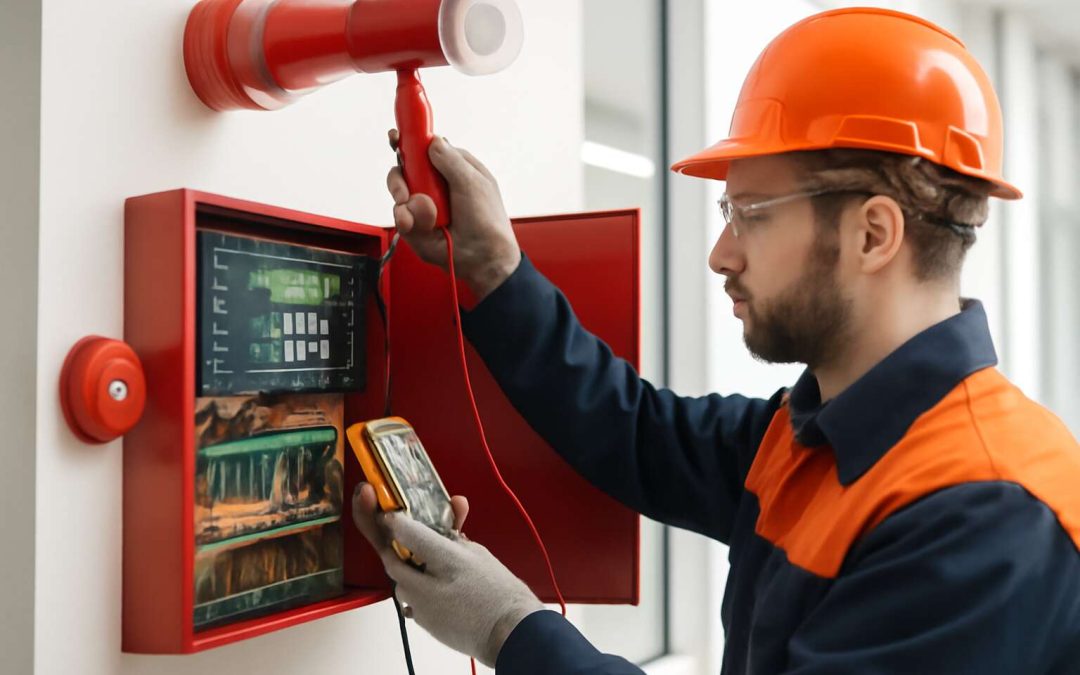
Overview of Fire Alarm Careers
Understanding Fire Alarm Systems – Explaining the basics of fire alarm systems and their importance
Fire alarm systems are the silent guardians of our safety, quietly working in the background to detect danger before it escalates. Understanding how these intricate networks operate is essential for anyone interested in fire alarm jobs, as it provides a foundation for maintaining the safety of countless buildings and their occupants. At their core, fire alarm systems consist of sensors, control panels, and alarm devices that work in unison to identify smoke, heat, or flames.
These systems are vital in both residential and commercial settings, offering early warning and enabling swift emergency responses. The complexity of fire alarm systems can vary widely, from simple manual pull stations to sophisticated, interconnected networks. For those pursuing fire alarm jobs, a comprehensive knowledge of system components and their functions is crucial. Recognising the importance of regular inspections and prompt maintenance can mean the difference between a false alarm and a genuine lifesaver.
- Fire detectors that sense smoke or heat
- Control panels that monitor system activity
- Alarm sounders that alert building occupants
Understanding these elements not only enhances safety but also opens the door to a rewarding career within the realm of fire alarm jobs. It’s a specialised field that combines technical expertise with a commitment to protecting lives and property.
Types of Fire Alarm Jobs – Different roles within the fire alarm industry including installation, maintenance, and inspection
In the labyrinthine realm of fire alarm jobs, each role offers a unique vantage point into the intricate dance of safety and technology. From the initial sparks of installation to the meticulous scrutiny of inspections, these careers demand both precision and an unwavering commitment to protection. It’s a field where technical mastery meets a profound sense of responsibility, transforming routine tasks into vital acts of safeguarding lives and property.
Within this specialised industry, there are several distinct pathways. Fire alarm technicians, for example, are the artisans of installation and maintenance, ensuring every sensor and control panel functions optimally. Their work is both an art and a science, requiring a nuanced understanding of system components and an eye for detail. Meanwhile, inspectors serve as the vigilant gatekeepers, conducting thorough examinations to confirm that systems remain compliant with safety standards. They are the silent sentinels, ensuring that no fault goes unnoticed in the pursuit of safety excellence.
Some roles even extend into project management or system design, where strategic oversight and technical innovation converge. Whether working on complex commercial networks or simpler residential setups, those pursuing fire alarm jobs find themselves at the nexus of technology, safety, and human trust. The industry’s evolving landscape, driven by technological advancement and regulatory shifts, continually offers new avenues for growth and specialisation.
Skills and Qualifications Needed – Essential skills, certifications, and experience for fire alarm professionals
Embarking on a career in fire alarm jobs is more than just a vocation; it’s a commitment to safeguarding lives and property with unwavering precision. The industry demands a unique blend of technical prowess and a keen eye for detail, ensuring every system performs flawlessly when it matters most. To thrive in this field, professionals must cultivate a robust skill set that marries knowledge with practical expertise.
Essential skills for fire alarm careers include a solid understanding of electrical systems, problem-solving acumen, and the ability to interpret technical drawings. Certifications such as the Level 3 Award in Fire Alarm System Installation or equivalent qualifications are often prerequisites. Experience in electrical or electronic fields can provide a strong foundation, but specialised training in fire alarm technology truly sets candidates apart.
- Proficiency in system installation and maintenance
- Knowledge of relevant safety standards and regulations
- Strong communication skills for client liaison and reporting
Continuous professional development is vital. The evolving landscape of fire alarm technology and shifting regulations mean that staying current with industry advancements and acquiring additional certifications can open doors to higher roles within fire alarm jobs. Ultimately, the combination of technical skill, formal qualifications, and a commitment to safety elevates professionals, allowing them to excel in this vital industry where every detail counts.
Common Fire Alarm Job Roles
Fire Alarm Technician – Responsibilities, required certifications, and typical duties
Fire alarm jobs are more than just technical roles; they are guardians of safety, often operating silently in the shadows until they’re called into action. Among these essential positions, the fire alarm technician stands out as a pivotal figure. They’re responsible for ensuring every system functions flawlessly — a task that demands both precision and vigilance. These professionals must hold relevant certifications, such as the Level 3 Certificate in Fire Safety or equivalent, to demonstrate their expertise in handling complex fire alarm systems.
Typical duties include installing new systems, conducting routine maintenance, and performing thorough inspections. The role requires a keen eye for detail, as even the smallest fault can have catastrophic consequences. For fire alarm jobs, technicians often follow a structured workflow, which might involve:
- Diagnosing system faults quickly and accurately
- Updating software and firmware for optimal performance
- Ensuring compliance with safety standards and regulations
In this line of fire alarm jobs, a combination of technical skill and a relentless commitment to safety transforms a routine task into a vital act of protection. The stakes are high, but the rewards — knowing you’re safeguarding lives and property — are even higher.
Fire Alarm Installer – Work process, safety considerations, and tools used
Fire alarm jobs are as diverse as a box of chocolates—though thankfully, less likely to cause a sticky situation! Among these roles, the fire alarm installer is a vital cog in the safety machinery, transforming blueprints into life-saving systems. Their work process involves meticulous planning, precise installation, and rigorous testing to ensure every sensor and panel is in perfect harmony. Safety considerations are paramount; technicians must adhere to strict health and safety protocols, using personal protective equipment (PPE) and following industry standards to prevent accidents on site.
Tools of the trade include drill kits, wire strippers, multimeters, and specialised software for system configuration. The process often involves:
- Assessing the site and planning the layout
- Running cables through walls and ceilings with care
- Connecting sensors, control panels, and alarm devices
- Conducting comprehensive tests to confirm operational integrity
The precision and vigilance needed in fire alarm jobs make every installation a crucial act of protection—no room for shortcuts or slip-ups here. After all, a well-installed fire alarm system can mean the difference between safety and catastrophe. And that’s what keeps the fire alarm technician’s work both challenging and incredibly rewarding.
Fire Alarm Inspection and Maintenance Specialist – Importance of regular inspections, maintenance routines, and regulations
Regular inspections and diligent maintenance are the backbone of effective fire safety. Without these crucial routines, even the most sophisticated fire alarm systems can become unreliable, putting lives at risk. Fire alarm inspection and maintenance specialists play a vital role in safeguarding buildings and their occupants. Their work ensures that every sensor, panel, and alarm device functions flawlessly when it’s needed most.
In the realm of fire alarm jobs, adherence to strict regulations and standards is non-negotiable. These professionals follow comprehensive checklists and protocols, often employing tools like multimeters and specialised testing equipment to verify system integrity. To streamline the process, many specialists use:
- Routine inspection schedules
- Calibration procedures
- Documentation of maintenance activities
By conducting regular inspections and maintenance routines, fire alarm specialists help prevent false alarms and system failures, which can have catastrophic consequences. Their vigilance is not only about compliance but about the moral obligation to protect lives and property. The importance of their work underscores why fire alarm jobs are both essential and highly regarded within the safety industry. It’s a meticulous craft that demands both technical expertise and an unwavering commitment to safety standards.
How to Start a Career in Fire Alarm Jobs
Educational Pathways – Relevant training programs, apprenticeships, and certifications
Starting a career in fire alarm jobs might seem like navigating a maze of wires and safety protocols, but with the right educational pathways, it’s more like assembling a well-oiled machine. The good news? There are plenty of relevant training programs, apprenticeships, and certifications designed to turn aspiring professionals into fire alarm system experts.
One of the most effective routes is enrolling in specialised technical colleges or vocational training centres that offer courses in fire safety systems. These programmes typically cover everything from basic electrical principles to advanced fire alarm installation techniques. For those eager to dive right in, apprenticeships provide hands-on experience, pairing you with seasoned technicians who can teach you the ins and outs of fire alarm systems while earning a wage.
To elevate your credentials, obtaining recognised certifications such as the FIA (Fire Industry Association) qualifications or City & Guilds certifications can significantly boost your employability in fire alarm jobs. These credentials not only validate your skill set but also open doors to more complex roles, from system design to maintenance. Whether through formal courses or on-the-job training, building your educational foundation is the critical first step in mastering the art of fire alarm systems.
Gaining Experience – Entry-level opportunities, internships, and on-the-job training
Embarking on a journey into the realm of fire alarm jobs is akin to stepping into a vast world where safety, technology, and expertise intertwine. The first step on this path often involves gaining practical experience—an essential ingredient to becoming a recognised professional. Entry-level opportunities, such as assistant technician roles or trainee positions, serve as the initial footholds that open the gateway to this specialised industry.
Internships and on-the-job training programmes are invaluable; they offer immersive experiences that forge a strong foundation in fire alarm systems. Working alongside seasoned technicians provides not just knowledge but a glimpse into the intricate dance of installation, inspection, and maintenance routines. These real-world encounters are the crucible where skills are tested and refined.
For those eager to accelerate their career, consider enrolling in structured apprenticeships—an age-old tradition that still bears fruit today. These programmes often follow a clear sequence:
- Applying for entry-level roles or apprenticeships within reputable companies.
- Engaging in supervised tasks to develop both technical and safety skills.
- Accumulating practical hours that count towards recognised certifications.
Such pathways pave the way for professional growth, transforming raw talent into mastery over fire alarm systems. Schools of thought agree—starting with hands-on experience is the most authentic way to forge a lasting career in fire alarm jobs.
Licensing and Certification – Necessary licenses, professional organizations, and continuing education
Embarking on a career in fire alarm jobs requires more than just enthusiasm; it demands a commitment to professionalism and ongoing education. Securing the right licences and certifications is a pivotal step in establishing credibility within this specialised industry. In the UK, recognised certifications such as the Level 3 Fire Alarm Systems Certification or equivalent qualifications are often prerequisites for many roles. These credentials not only validate your skills but also demonstrate compliance with industry standards and safety regulations.
Joining esteemed professional organisations—like the British Fire Protection Association—can provide invaluable resources, networking opportunities, and continued learning pathways. These bodies often offer specialised training courses and workshops that keep fire alarm professionals abreast of technological advancements and legislative updates. Moreover, engaging in ongoing education is essential; fire alarm jobs evolve with innovations in detection devices and system integration, making continuous professional development a necessity.
- Obtain the necessary licences and certifications relevant to fire alarm systems.
- Become a member of recognised professional organisations for ongoing support and education.
- Participate regularly in training sessions and seminars to stay current with industry standards.
In a field where safety hinges on precision and expertise, these steps elevate a technician from a novice to a trusted professional—ready to tackle the complexities of fire alarm jobs with confidence and competence.
Where to Find Fire Alarm Job Opportunities
Job Boards and Websites – Popular platforms for job listings in the fire alarm industry
In the ever-evolving landscape of fire alarm jobs, discovering the right opportunities can feel akin to navigating a complex maze. Fortunately, the digital age offers a plethora of job boards and websites tailored specifically to the fire alarm industry, making it easier than ever to connect with potential employers. These platforms serve as vital conduits, opening doors to roles ranging from installation to inspection, and maintenance to design. Popular platforms such as Indeed, Reed, and specialised trade sites like Fire Alarm Jobs UK are treasure troves for those seeking fire alarm jobs that match their skillset and aspirations.
For those committed to a career in this vital sector, exploring industry-specific job boards can be particularly fruitful. These websites often feature listings that aren’t available on mainstream platforms, providing a specialised focus on fire alarm jobs. Additionally, professional organisations like the Fire Industry Association (FIA) and the Institution of Fire Engineers (IFE) frequently post exclusive vacancies, offering a direct link to reputable employers who value certified expertise and experience. Navigating these platforms effectively can significantly enhance your chances of landing the perfect role in the fire alarm industry.
Recruitment Agencies – Specialized agencies that connect technicians with employers
In the shadowy corridors of the fire alarm industry, finding the right opportunities can often resemble a clandestine quest. Recruitment agencies specialising in fire alarm jobs act as the secret cabals, connecting skilled technicians with the firms seeking their expertise. These agencies possess an uncanny ability to match talent with the perfect role, whether it’s installation, inspection, or maintenance. Their deep industry connections mean that many exclusive vacancies never surface on mainstream platforms, remaining hidden gems for the discerning professional.
For those truly committed to this vital trade, partnering with specialised recruitment agencies can transform a search into an expedition of discovery. Some agencies operate with an ordered process, guiding candidates through a labyrinth of options with precision:
- Assessment of skills and certifications
- Matching with tailored fire alarm jobs
- Facilitating interviews with reputable employers
Engaging with these agencies not only opens doors to roles that demand certified expertise but also ensures that each step taken aligns with long-term career aspirations. In this silent, shadowy realm of fire alarm jobs, these specialised recruiters are the keys to unlocking potential and securing your place amid the flickering lights of opportunity.
Networking and Industry Events – Trade shows, conferences, and local networking tips
Networking and industry events serve as the secret gardens where fire alarm jobs bloom in full splendour. Attending trade shows and conferences dedicated to fire safety allows professionals to step beyond the shadows of online job boards and into the vibrant heart of the industry. These gatherings are more than mere exhibitions; they are crossroads of knowledge, opportunity, and connection. Engaging with peers and industry leaders can unveil hidden vacancies that rarely surface elsewhere, making these events invaluable for those seeking fire alarm jobs.
Local networking tips can be just as potent. Participating in community fire safety seminars or joining professional organisations dedicated to fire alarm systems opens pathways for meaningful relationships. Remember, each conversation could be the key to unlocking an illustrious role, whether it’s in installation, inspection, or ongoing maintenance. So, keep your ears sharp and your spirit eager—the world of fire alarm jobs is a realm where opportunity often whispers quietly among the crowd.
Salary Expectations and Career Growth
Average Salaries – Typical pay ranges for various fire alarm roles
In the realm of fire alarm jobs, understanding the salary landscape reveals a fascinating mosaic of opportunity and growth. While the starting pay for entry-level roles like fire alarm installers might hover around £20,000 to £25,000 annually, seasoned technicians and inspectors can earn upwards of £40,000 or more, depending on experience and certification. This variation underscores the importance of specialised skills and continuous professional development in this industry.
Career progression often leads to supervisory or specialised roles, where salaries reflect greater responsibility and expertise. For instance, fire alarm inspection and maintenance specialists who master regulatory standards and troubleshooting can significantly boost their earning potential. The industry’s demand for qualified professionals continues to rise, making fire alarm jobs not just a vocation but a pathway to long-term financial stability and personal fulfilment.
Factors Influencing Pay – Experience, certifications, and geographic location
Salary expectations within fire alarm jobs are as nuanced as the systems themselves, with factors such as experience, certifications, and geographic location weaving a complex tapestry of earning potential. In bustling urban centres, for instance, a seasoned fire alarm technician can command a salary well above the national average, driven by higher demand and cost of living adjustments. Conversely, regional roles might offer slightly lower remuneration, but often compensate with a less competitive environment and greater opportunity for specialised skill development.
At the core of pay progression lies the accumulation of specialised skills and industry-specific certifications. For example, an inspector with advanced knowledge of regulatory standards and troubleshooting acumen is likely to see an appreciable increase in earning potential. The interplay of these elements—experience, qualifications, and locale—serves as a catalyst for career growth within fire alarm jobs, transforming roles from entry-level positions into lucrative careers with long-term stability.
Advancement Opportunities – Pathways to supervisory or specialized roles within the industry
Climbing the ladder within fire alarm jobs isn’t just about accumulating years—it’s about honing specialised skills and earning industry-recognised certifications. Those who invest in advanced training and stay updated on evolving regulations often find their earning potential skyrocketing. With each new qualification, the pathway to higher-paying roles becomes clearer, whether that’s taking on more complex installation projects or stepping into inspection and maintenance leadership positions.
Career advancement in fire alarm jobs often leads to supervisory or specialised roles that offer both challenge and reward. For instance, experienced technicians might transition into fire alarm system design or become independent consultants. There are also formal pathways such as:
- Senior technician roles
- Fire safety inspectors
- Technical trainers
- Project managers
These roles typically come with increased responsibilities and, naturally, higher salaries. The industry’s landscape is dynamic, and those willing to invest in their professional development often find themselves at the forefront of innovation in fire alarm technology. The journey from entry-level technician to seasoned industry expert is paved with continuous learning, strategic networking, and a passion for safety—making fire alarm jobs a truly fulfilling career choice with substantial growth opportunities.
Important Industry Regulations and Standards
Fire Safety Codes – National and local standards affecting fire alarm systems
The fire alarm industry isn’t just about hanging detectors and flipping switches; it’s a tightly regulated domain where compliance is king. Industry regulations and standards—both national and local—shape every aspect of fire safety codes, demanding precision and diligence from those working fire alarm jobs. In the UK, standards such as BS 5839 set the benchmark for designing, installing, and maintaining fire alarm systems, ensuring that buildings are safe havens rather than death traps. Meanwhile, local authorities might impose additional requirements, making it crucial for professionals to stay updated with evolving legislation. Understanding these regulations isn’t just a bureaucratic obligation; it’s the backbone of effective fire safety. Ignoring them can lead to hefty fines or, worse, catastrophic failures in emergency situations.
For fire alarm technicians, compliance often translates into rigorous training and certification, with bodies like NICEIC and the Fire Industry Association offering recognised accreditation. Adherence to standards such as EN 54 (the European fire alarm standard) ensures systems meet internationally recognised benchmarks. Whether installing, inspecting, or maintaining fire alarm systems, professionals must navigate a labyrinth of regulations that evolve faster than a fire alarm’s siren. Staying ahead of these standards isn’t just about legal compliance—it’s about safeguarding lives and property, all while keeping employers happy and insurance premiums in check.
Compliance Requirements – Legal and safety standards technicians must adhere to
In the high-stakes world of fire alarm jobs, compliance isn’t just a bureaucratic hassle—it’s the bedrock of safety, reputation, and legality. Industry regulations and standards like BS 5839 in the UK set the blueprint for everything from system design to ongoing maintenance, making sure that fire alarm systems aren’t just fancy gadgets but life-saving devices. Adherence to these standards is non-negotiable; a failure to comply can result in hefty fines, insurance nightmares, or even a tragic loss of life.
Technicians working in fire alarm jobs must navigate a labyrinth of legal and safety standards, often requiring recognised certifications from bodies like the NICEIC or the Fire Industry Association. These accreditations guarantee that professionals are up-to-date with evolving legislation and international benchmarks such as EN 54. For those passionate about safety, staying compliant isn’t just a job requirement—it’s a moral obligation that keeps buildings safe and occupants alive.
- Regular training updates
- Strict adherence to local authority requirements
- Continuous professional development
Updates and Industry Trends – Emerging technology and evolving regulations
In the ever-evolving realm of fire alarm jobs, staying ahead of industry regulations and standards isn’t just a bureaucratic box-ticking exercise—it’s the difference between a safe building and a catastrophe waiting to happen. Recent updates to fire safety codes, such as amendments to BS 5839 and EN 54 standards, reflect a global shift towards smarter, more reliable fire alarm systems. These regulations keep pace with technological breakthroughs, ensuring fire alarm systems are not just reactive but proactively safeguarding lives.
Emerging technology is reshaping the landscape of fire alarm jobs. From networked systems that communicate wirelessly to AI-powered sensors that predict failures before they occur, innovation is in overdrive. Industry trends indicate a move towards integrating fire alarms with building management systems, creating a seamless safety web. For professionals in fire alarm jobs, this means continuous learning and adaptability are essential. Staying informed through industry updates and participating in specialised training ensures technicians aren’t just compliant—they’re ahead of the curve.
Keeping up with these developments isn’t just about technical prowess; it’s also about understanding the shifting regulatory terrain. Local authorities and international standards bodies regularly update requirements, demanding that fire alarm technicians remain vigilant and well-versed in compliance. An awareness of the latest fire safety standards guarantees that fire alarm systems meet legal obligations and best practices, ultimately protecting lives and the reputation of the service provider.
