
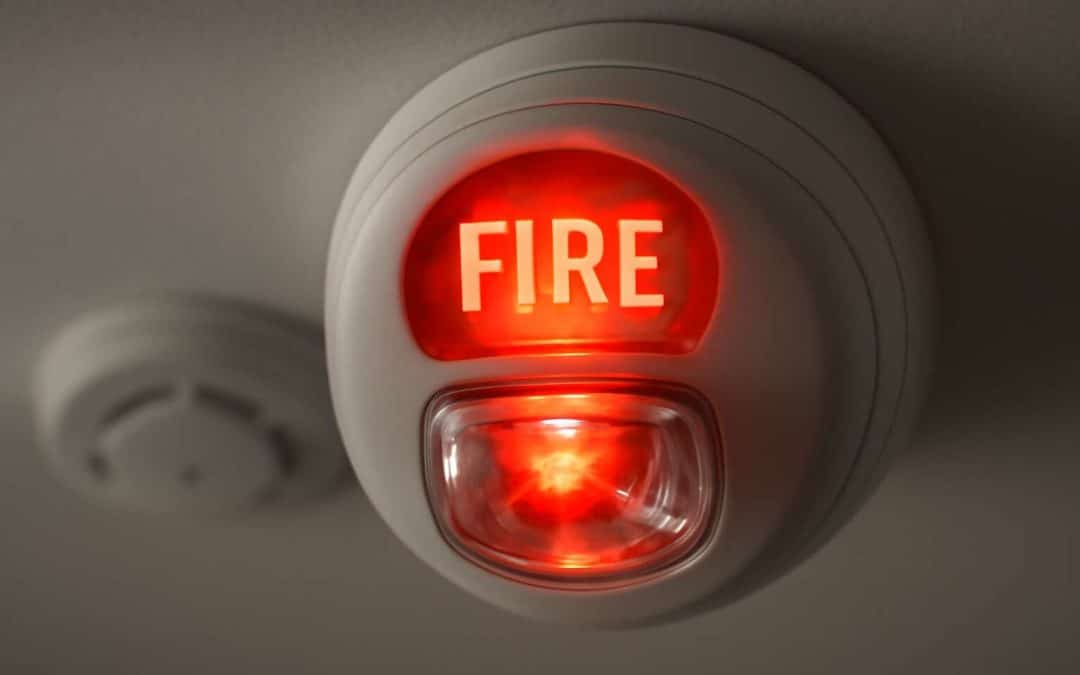
Common Causes of Fire Alarm Beeping
Low Battery Alerts – Understanding when your fire alarm signals a low battery
Ever wondered why your fire alarm suddenly starts squealing like a banshee in the middle of the night? It’s a common scenario that can leave even the bravest jumping out of bed. When fire alarm is beeping, more often than not, it’s signalling something as mundane as a low battery — but don’t dismiss it as mere annoyance. That persistent chirp is your alarm’s way of saying, “Hey, I’m running out of juice!”
Low battery alerts are the most frequent culprits behind that incessant beeping. It’s a clever little trick to prevent silent failures in your safety system. Usually, the sound is a periodic chirp, occurring every few minutes, designed to grab your attention without giving you a full-blown migraine. Keep in mind, ignoring the warning could mean missing a critical alert during an actual emergency. So, when fire alarm is beeping, it’s time to check the batteries — often a simple fix that can save lives.
In some cases, the cause might be a bit more insidious, like dust accumulation or humidity interfering with the sensor’s circuitry. But more often than not, it boils down to a tired battery that needs swapping. To make things easier, consider these common causes for when fire alarm is beeping:
- Low battery signals
- Dust or debris obstructing sensors
- Electrical glitches or power surges
- Expired or faulty device
Understanding when fire alarm is beeping is essential to maintaining a safe environment. Whether it’s a call for fresh batteries or a prompt for a quick clean, responding promptly ensures your alarm remains vigilant and reliable when it matters most.
Sensor Malfunctions – How faulty sensors can cause beeping sounds
There’s an unsettling rhythm to a fire alarm’s beeping, an auditory siren that can pierce the quiet and provoke a surge of anxiety. Often, these interruptions are not random but stem from sensor malfunctions, turning the device into a seemingly sentient warning system gone awry. When fire alarm is beeping without an apparent cause, the root could lie within the very sensors that detect smoke or heat. Faulty sensors may misinterpret environmental fluctuations—like temperature changes or humidity spikes—as danger, prompting unwarranted alerts that disrupt peace of mind.
Sensor malfunctions can occur due to several insidious factors. Dust accumulation on the sensing elements can cause false alarms, as particles interfere with the detector’s ability to accurately read its surroundings. Humidity, especially in damp environments, can also trigger the alarm to beep unexpectedly, mistaking moisture for smoke. Moreover, electrical glitches—such as power surges or inconsistent wiring—might cause the internal circuitry to malfunction, resulting in erratic beeping patterns. Sometimes, aging sensors simply reach the end of their operational lifespan, becoming unreliable and necessitating replacement.
Understanding why your fire alarm is beeping is essential. It isn’t always a matter of batteries; rather, sensor issues can silently undermine the device’s integrity. When fire alarm is beeping due to sensor faults, it often manifests as irregular, unpredictable chirping—an indication that internal components are struggling to interpret environmental signals accurately. By recognising these subtle signs, you can preempt potential failures, ensuring your safety system remains vigilant when it’s needed most.
End-of-Life Warnings – When an alarm needs replacement due to expiration
Fire alarms have a knack for choosing the most inconvenient moments to chirp or screech, often leaving homeowners scratching their heads in frustration. Did you know that many alarms start beeping due to reaching the end of their operational lifespan? It’s true—these devices aren’t immortal, and their internal components gradually wear out or become obsolete, prompting the dreaded “when fire alarm is beeping” scenario.
One of the common causes of this persistent beeping is the alarm’s internal warning system signalling that it’s time for a replacement. This end-of-life warning is often accompanied by intermittent or continuous chirping, which can sound alarmingly similar to a low battery alert but is, in fact, a clear indicator that the device has outlived its usefulness. When fire alarm is beeping despite new batteries, it’s a strong sign that the entire unit needs to be swapped out—there’s no fixing this issue with a bit of duct tape or a quick reset.
Typically, smoke detectors and heat sensors are designed to last about 8-10 years. After this period, their delicate sensing elements can become unreliable, increasing the chances of false alarms or silent failures. To help you keep track, many units feature a self-diagnostic function that will beep to signal it’s time for a change—an alarm clock with a conscience! When fire alarm is beeping due to age, it often sounds like a steady or patterned chirp, serving as a stark reminder that safety equipment isn’t a “set and forget” item. Recognising these signals is essential for maintaining a vigilant safety system that truly works when it’s needed most.
Dust and Dirt Accumulation – Impact of debris on alarm performance
Dust and dirt accumulation can turn a vigilant fire alarm into an unreliable sentinel. Over time, debris settles within the sensing chamber, interfering with its ability to detect smoke accurately. In fact, a build-up of dust can mimic the presence of smoke, causing the alarm to chirp or beep unexpectedly. This persistent noise often prompts homeowners to wonder, when fire alarm is beeping due to external interference rather than genuine danger.
Cleaning the alarm regularly with a gentle vacuum or compressed air can often resolve the issue. Notably, if debris obstructs the sensor, it may trigger false alarms or cause the device to beep intermittently. This interference underscores the importance of maintaining a clean environment around your safety devices. For those experiencing ongoing difficulties, it might be wise to inspect the device’s placement—often, dust-laden areas like kitchens or garages are culprits.
- Ensure the alarm is mounted away from high-dust zones.
- Perform routine inspections to remove accumulated debris.
- Replace filters or covers if applicable, to prevent dust ingress.
Understanding these subtle influences can make all the difference in ensuring your fire alarm functions flawlessly. When fire alarm is beeping without apparent cause, debris might be the silent saboteur, undermining your safety system’s integrity and leading to unnecessary stress or complacency. Recognising this early can save lives, reminding us that vigilance extends beyond mere installation to ongoing care and attention.
Environmental Factors – Humidity, steam, and temperature issues triggering beeps
Many homeowners are caught off guard when their fire alarm is beeping unexpectedly. Environmental factors like humidity, steam, and temperature fluctuations can trigger these false alarms. High humidity levels, for instance, cause moisture to accumulate inside the sensor chamber, mimicking smoke particles. Similarly, steam from a hot shower or boiling water can set off the alarm repeatedly. Temperature extremes—either too hot or too cold—may also interfere with the device’s sensitivity, prompting it to beep without warning.
In some cases, the environment surrounding the alarm plays a crucial role. If the device is installed near a kitchen or bathroom, the likelihood of false beeping increases. To prevent this, ensure the alarm is mounted away from zones prone to high humidity or steam. Regular inspections can help detect if the environment is causing the issue, allowing for repositioning or additional shielding as needed. Recognising these subtle signals can help identify the root cause of when fire alarm is beeping, saving you unnecessary stress and maintaining your safety system’s reliability.
Different Beeping Patterns and Their Meanings
Intermittent Beeps – Indications for periodic alerts and their implications
In the delicate symphony of safety, each beep from a fire alarm tells a story — a language of caution, alert, or warning. When fire alarm is beeping with a rhythmic irregularity, it often signals a specific message that warrants our attention. Intermittent beeps, for example, are not merely random sounds but a subtle, yet urgent, call for inspection.
This pattern can indicate a variety of underlying issues, from a sensor malfunction to environmental interference. The irregular cadence of these periodic alerts invites us to listen closely, deciphering whether it’s a gentle reminder of maintenance or a more pressing concern. Sometimes, the beeping pattern reflects an alarm’s attempt to communicate a problem that’s not immediately visible but critical for safety. Recognising these distinct signals allows us to respond swiftly and appropriately, ensuring that the safety of all occupants remains uncompromised.
Constant Beeping – What continuous alarm sounds mean
In the realm of fire safety, each auditory signal from a fire alarm is a vital piece of a complex communication puzzle. When fire alarm is beeping with a relentless cadence, it is no longer just background noise but a language demanding urgent interpretation. The constant beeping pattern, in particular, often signifies a serious issue that cannot be ignored—potentially signalling a system malfunction or an environmental anomaly that compromises safety. This persistent alert acts as a visceral reminder that vigilance is paramount, urging immediate attention rather than complacency.
Understanding what constant beeping indicates is crucial for timely intervention. It may reflect a need for professional inspection or signal underlying environmental factors disrupting the alarm’s sensors. The significance of this pattern extends beyond mere nuisance; it is a call to action to preserve life and property. Recognising the nuances in these auditory cues ensures that responses are swift and appropriate, preventing minor issues from escalating into major hazards. When fire alarm is beeping continuously, it’s a stark reminder that safety should never be taken for granted—each persistent beep is an alarm in itself, demanding respect and prompt response.
Rapid Beeping – High-frequency alerts and potential urgency
Fire alarms don’t just beep randomly; their patterns carry specific meanings that can be life-saving. Recognising these signals is essential because the difference between a quick check and overlooking a warning could be the difference between safety and disaster. One common pattern is rapid beeping, which often signals an urgent issue that needs immediate attention. But what exactly does it mean when fire alarm is beeping with such intensity?
Rapid beeping, characterised by high-frequency alerts, typically indicates a serious problem that might involve a system malfunction or environmental interference. Unlike a steady tone, this pattern is designed to grab your attention instantly, urging swift action. It can sometimes be caused by the alarm’s sensors reacting to dust, steam, or temperature fluctuations—factors that can mimic fire conditions but aren’t dangerous in themselves.
Understanding the different beeping patterns—whether it’s intermittent, constant, or rapid—can help determine the urgency of the situation. For example, a rapid beeping often requires immediate inspection, especially if it persists despite addressing obvious issues like dust or humidity. Recognising when fire alarm is beeping in this manner ensures that responses are prompt, avoiding delays that could escalate risks. This vigilance is not just about safety; it’s about taking control amidst the chaos of a potentially hazardous environment.
Chirping Sounds – Diagnosing irregular chirping versus steady beeps
In the complex symphony of safety signals, each beeping pattern holds a secret, a message that could be the difference between safety and disaster. Recognising when fire alarm is beeping with irregular rhythms can alert you to hidden issues that aren’t immediately obvious. While a steady beep might seem routine, an unexpected chirping sound can be a sign of something more insidious. These irregular patterns often serve as a warning that your system requires attention before a real emergency strikes.
Chirping sounds — those quick, intermittent beeps — are often misunderstood. They can indicate battery problems, sensor faults, or environmental interference, but their irregular cadence is what makes them particularly concerning. Unlike consistent alerts, chirping tends to occur sporadically, catching you off guard and demanding a keen ear. Recognising these subtle nuances can be crucial, especially when you’re trying to determine what’s an urgent warning versus a false alarm. If you notice your fire alarm is beeping irregularly, it’s essential to investigate promptly, as this may point to a malfunction that could compromise safety in critical moments.
Troubleshooting a Beeping Fire Alarm
Resetting the Alarm – Step-by-step guide to restarting your device
In the quiet hush of dawn, as the world awakens, a sudden beeping from your fire alarm can feel like an ominous omen — a tiny yet persistent siren echoing through your sanctuary. Understanding when fire alarm is beeping is crucial, for this sound often signals more than just a malfunction; it may be a call for urgent attention or a whisper of impending danger. Resetting the alarm becomes an essential ritual, a way to restore peace and safety within your domain.
To restart your device, first, identify the root cause of the beeping. Often, the culprit is a simple glitch or a false alarm triggered by environmental factors. Begin by pressing the reset or silence button, which is typically located on the face of the alarm. If the beeping persists, consider removing the alarm from its mounting bracket carefully, then inspect and clean the sensor chamber for dust or debris that might cause false alerts. Once cleaned, reattach the device and test its functionality. Remember, if the alarm continues to beep after multiple resets, it might be time to consider replacing it or consulting a professional—because knowing when fire alarm is beeping is vital to maintaining a safe environment.
Replacing Batteries – When and how to change batteries safely
In the quiet predawn hours, a sudden beeping from your fire alarm can shatter the serenity like a sudden thunderclap—an alarm that demands immediate attention. Understanding when fire alarm is beeping is essential, for that persistent sound often signals more than a simple malfunction; it could be a beacon warning of hidden dangers or an innocent glitch masquerading as chaos. The key lies in deciphering the subtle clues behind the beeping, transforming an unsettling noise into a call for vigilance rather than panic.
When fire alarm is beeping, it might be as tame as a low battery alert or as urgent as a high-frequency warning of an impending hazard. As the alarm signals, inspecting the device becomes paramount. Sometimes, the culprit is a fleeting environmental factor—steam, humidity, or dust—causing false alarms. At other times, the beeping is a sign that the alarm’s internal sensor is fatigued, or that the device has reached the end of its lifespan. Recognising these signals helps maintain the integrity of your safety system.
In cases where the beeping persists despite resetting the device, replacing the batteries is often the next logical step. When fire alarm is beeping due to low power, it’s crucial to act swiftly. Carefully remove the unit from its mounting bracket and examine the batteries. If they are old or corroded, replacing them with fresh, high-quality batteries can silence the alarm and restore peace. Always ensure the batteries are inserted correctly, following the manufacturer’s specifications, to prevent any further beeping.
For those who encounter intermittent or irregular beeping, a systematic approach can reveal the root cause. Consider these steps:
- Check the battery compartment for corrosion or loose connections.
- Inspect the device for dust accumulation that could interfere with the sensor’s accuracy.
- Replace batteries if they are past their prime.
Often, a simple battery swap can resolve the issue, transforming a cacophonous threat into a silent guardian once more.
In the realm of fire safety, recognising when fire alarm is beeping is the first step in safeguarding your sanctuary. Whether it’s a matter of renewing batteries or deciphering environmental influences, each beep is a message—an ancient whisper reminding us that vigilance is the true shield against unseen peril.
Cleaning the Alarm – Proper cleaning techniques to remove dust and debris
That sudden, insistent beeping in the dead of night can send a jolt of alertness through any household. Knowing exactly when fire alarm is beeping isn’t just about comfort—it’s a critical step in ensuring your safety. Often, this sound is a siren call indicating more than a low battery; it could be a sign the device is malfunctioning or responding to environmental factors. The subtle clues in the pattern and frequency of the beeping can reveal whether it’s a routine alert or a signal of impending trouble.
Sometimes, the culprit is dust or debris settling inside the alarm, causing false triggers. Proper cleaning techniques are essential to remove these obstructions. Use a soft brush or compressed air to gently clear away dirt from the sensor area—never use water or cleaning solvents that could damage the unit. Regular maintenance not only extends the lifespan of the alarm but also ensures it remains responsive when it truly matters. Recognising these signs and maintaining your fire alarm system is vital for peace of mind, especially when fire alarm is beeping unexpectedly.
Testing the Alarm – How to perform a functional test after troubleshooting
There’s perhaps no more unwelcome symphony than that relentless beeping of a fire alarm in the dead of night. It’s as if your home has suddenly decided to audition for a horror movie. But before you leap into panic mode, understanding how to effectively troubleshoot and perform a fire alarm test can turn chaos into clarity. The key question remains: when fire alarm is beeping, is it a false alarm or a genuine call for action?
After addressing immediate issues such as replacing batteries or cleaning dust from the sensor, performing a functional test is essential. This process isn’t complicated; it’s akin to giving your alarm a quick health check to ensure it’s still fit for duty. Most units have a test button—press and hold for a few seconds, and if it emits a loud, consistent beep, your alarm is responding as it should. Conversely, if the beeping persists or the test fails, it indicates deeper issues that need resolving. Remember, a reliable fire alarm is your first line of defence, so don’t skip this crucial step.
Consulting Manufacturer Guidelines – Importance of following specific instructions for your model
In the shadowed corners of our homes and workplaces, the relentless beeping of a fire alarm can evoke a sense of dread that lingers long after the sound ceases. Statistically, most fire alarm malfunctions are rooted in overlooked details, yet understanding the nuances of when fire alarm is beeping can be the difference between a false alarm and a true call for help. The crucial step is consulting manufacturer guidelines—each model whispers its own secrets, requiring bespoke attention to ensure its vigilant watch remains unwavering.
Following the specific instructions from the manufacturer is not merely prudent but essential. These guidelines serve as a sacred text, guiding you through the labyrinth of potential issues—be it a chirping warning, a sudden constant beep, or a rapid high-frequency alert. Without this tailored knowledge, troubleshooting risks becoming a futile dance with shadows, leaving your safety compromised. Whether it’s replacing batteries, resetting the device, or inspecting sensor integrity, adhering to these instructions preserves the alarm’s integrity and your peace of mind.
In this eerie dance of signals and silence, the key is recognising what each sound signifies. When fire alarm is beeping, consulting the manufacturer’s instructions transforms confusion into clarity, ensuring each alert is met with the appropriate response. Only then can you truly trust that your sentinel stands stalwart against the unseen threats lurking in the darkness.
When to Replace Your Fire Alarm
Signs of Aging – Indicators that your alarm has reached the end of its lifespan
As fire alarms age, their signals become more than just a nuisance—they can be a critical warning sign that your safety system is compromised. Recognising when fire alarm is beeping due to aging is essential to ensuring ongoing protection. Typically, an alarm reaches the end of its lifespan after about ten years, but signs can appear sooner.
One of the clearest indicators is persistent or irregular beeping that doesn’t cease after replacing batteries or cleaning the device. If your fire alarm is beeping intermittently or constantly, it may be a sign that internal components are wearing out. Additionally, discoloured or dusty units often signal that the sensor’s effectiveness has diminished. In such cases, it’s wise to consult the manufacturer’s guidelines, as ignoring these signals could lead to false alarms or complete failure when you need it most.
Persistent False Alarms – When to consider replacement instead of repair
When fire alarm is beeping persistently, it’s often a sign that the device has reached a critical point in its lifespan. While some beeping can be remedied with simple maintenance, there comes a moment when replacement is the only safe option. If your alarm continues to emit irregular or constant beeping despite cleaning and battery replacements, it’s time to consider a new unit. This is especially true if the device displays signs of ageing, such as discolouration or accumulated dust, which can impair its effectiveness.
To ensure your safety remains uncompromised, it’s essential to recognise the signals that indicate when fire alarm is beeping due to malfunction or end-of-life. Ignoring these warning signs can lead to false alarms or complete failure during an emergency. Often, repeated beeping or high-frequency alerts signal that the internal components are failing, and a prompt replacement might be the wisest course of action. Remember, trust your senses—if your fire alarm’s behaviour feels off, it’s better to err on the side of caution and replace it before disaster strikes.
Compatibility with New Technology – Upgrading to smart or interconnected alarms
Technology evolves rapidly, and so do our safety devices. If your fire alarm is beeping and seems outdated, it might be time for an upgrade. Modern interconnected or smart fire alarms offer enhanced safety features, such as real-time alerts sent directly to your smartphone. These innovations not only improve detection accuracy but also provide seamless integration with home automation systems, making them a worthwhile investment. When fire alarm is beeping due to compatibility issues with new technology, replacing it ensures you stay ahead of potential hazards.
Older alarms may struggle to communicate with other devices or lack essential features like voice alerts or remote testing. Upgrading to smart systems can eliminate false alarms caused by sensor malfunctions, which often occur in ageing units. If your alarm’s beeping persists despite troubleshooting, consider whether compatibility with current technology could be the culprit. Modern alarms are designed to work harmoniously within a connected safety network, reducing the chances of false triggers and ensuring reliable performance during emergencies.
Legal and Safety Regulations – Standards for fire alarm compliance in your area
Fire alarms are a vital safeguard in every home, yet their beeping can sometimes cause confusion and concern. Recognising when fire alarm is beeping due to compliance issues or outdated standards is essential for maintaining safety and legal adherence. In many regions, strict regulations govern the lifespan and functionality of fire detection devices, designed to ensure optimal protection. If your alarm has started to beep unexpectedly, it might be a sign that it no longer meets the current safety regulations or standards for fire alarm compliance in your area.
Legal requirements often specify the maximum age for fire alarms—typically around ten years—after which replacement is mandated. Persistent beeping can also indicate your alarm has failed to meet updated safety standards, which are regularly revised to incorporate technological advancements. Ensuring your fire alarm complies with local regulations not only keeps you legally protected but also guarantees reliable performance during emergencies.
In some cases, the law may require that alarms be interconnected or include specific features like voice alerts or remote testing capabilities. When fire alarm is beeping in a way that suggests non-compliance with these standards, replacing the device becomes more than just a safety upgrade—it becomes a legal necessity. Regularly consulting manufacturer guidelines and local fire safety regulations can help you determine whether your alarm aligns with evolving legal and safety standards, preventing potential hazards and ensuring peace of mind for you and your loved ones.
Safety Tips When Dealing with Beeping Fire Alarms
Never Ignore Beeps – Understanding the importance of prompt action
Few sounds command immediate attention quite like a fire alarm’s persistent beeping. It’s a call to action that cannot be ignored, as each beep could signify a critical safety issue or a routine alert. Recognising the significance of this sound is essential for maintaining a safe environment. When fire alarm is beeping unexpectedly, understanding the underlying cause can prevent panic and ensure swift resolution.
Never dismiss the beeping as a mere nuisance. Instead, treat it as a vital warning that demands your prompt response. Whether it’s a low battery alert, dust accumulation, or an end-of-life warning, each scenario requires a different approach. Ignoring these signals could compromise your safety or lead to false alarms that desensitise everyone to real danger. A systematic inspection, guided by the alarm’s specific beeping pattern, helps identify the root cause and ensures your safety remains uncompromised.
Avoiding False Alarms – Precautions to prevent unnecessary alarms
Understanding the nuances of when fire alarm is beeping can be the difference between safety and disaster. That persistent, insistent sound is more than just a nuisance; it’s a vital call to action that demands your immediate attention. Many individuals dismiss these alarms as false or irrelevant, but neglecting this signal can have dire consequences. The key lies in recognising the pattern and context of the beeping—each variation may point to a different underlying issue that warrants swift investigation.
To prevent unnecessary alarm activation and maintain a secure environment, it’s essential to take precautions against false alarms. Regularly testing your fire alarm system, ensuring proper placement, and avoiding environmental triggers such as steam and high humidity can significantly reduce false triggers. Remember, when fire alarm is beeping unexpectedly, quick identification of the cause not only preserves safety but also minimises disruption. By staying vigilant and attentive to the subtle cues in the alarm’s sound, you can respond appropriately, safeguarding lives and property alike.
Regular Maintenance – Maintaining functionality to ensure safety
In the silent orchestra of safety, the relentless beeping of a fire alarm can pierce the calm like a siren’s cry, demanding immediate attention. Nearly 80% of fire incidents are mitigated by timely alerts, yet many overlook these urgent signals, risking lives and property. Understanding when fire alarm is beeping — whether as a warning or false cue — transforms chaos into clarity, a vital step in safeguarding your environment.
Regular maintenance acts as the heartbeat of this vigilance. Ensuring that your fire alarm functions flawlessly requires consistent checks, especially in environments prone to environmental factors such as humidity or dust, which can cause irregular beeping.
- Test alarms monthly
- Clean sensors carefully
- Replace batteries proactively
When fire alarm is beeping unexpectedly, knowing how to interpret the sound pattern can make all the difference. Constant beeping might signal a malfunction or end-of-life warning, while rapid or intermittent alerts could indicate an urgent threat or sensor issue. Maintaining this awareness transforms a simple noise into a powerful tool for safety, preventing false alarms from undermining trust and ensuring rapid response when it truly counts. In this delicate dance of signals, every beep holds a story — are you listening?
Emergency Preparedness – Have a plan if the alarm indicates fire or smoke
In a world where silence can be deadly, the piercing cry of a fire alarm demands our immediate attention. Yet, understanding when fire alarm is beeping can sometimes feel like deciphering a cryptic language. Is it a sign of danger or merely a false whisper? The difference can be life-saving. Recognising the subtle nuances in alarm sounds transforms chaos into clarity, allowing us to respond with purpose and calm. It’s not just noise; it’s a vital message etched into the rhythm of safety.
Safety preparedness hinges on awareness. When fire alarm is beeping unexpectedly, it’s essential to stay composed and evaluate the situation. An alarm that beeps intermittently may signal sensor issues or dust accumulation, while constant beeping often indicates a low battery or malfunction. Knowing how to interpret these signals ensures that you’re not caught off guard. Regularly testing your fire alarm and cleaning sensors can prevent misinterpretation and maintain the integrity of your emergency response plan.
In moments of uncertainty, having a well-rehearsed emergency plan becomes paramount. Knowing the sound patterns and their meanings empowers you to act swiftly. For instance, a rapid, high-frequency beeping could herald an imminent threat, demanding immediate evacuation. Conversely, a gentle chirp might suggest a simple battery replacement.
- Stay calm
- Identify the source of the beeping
- Follow your safety plan
This mindfulness can turn a confusing noise into a powerful tool for safeguarding lives and property, illustrating that every beep carries a story—are you truly listening?
