
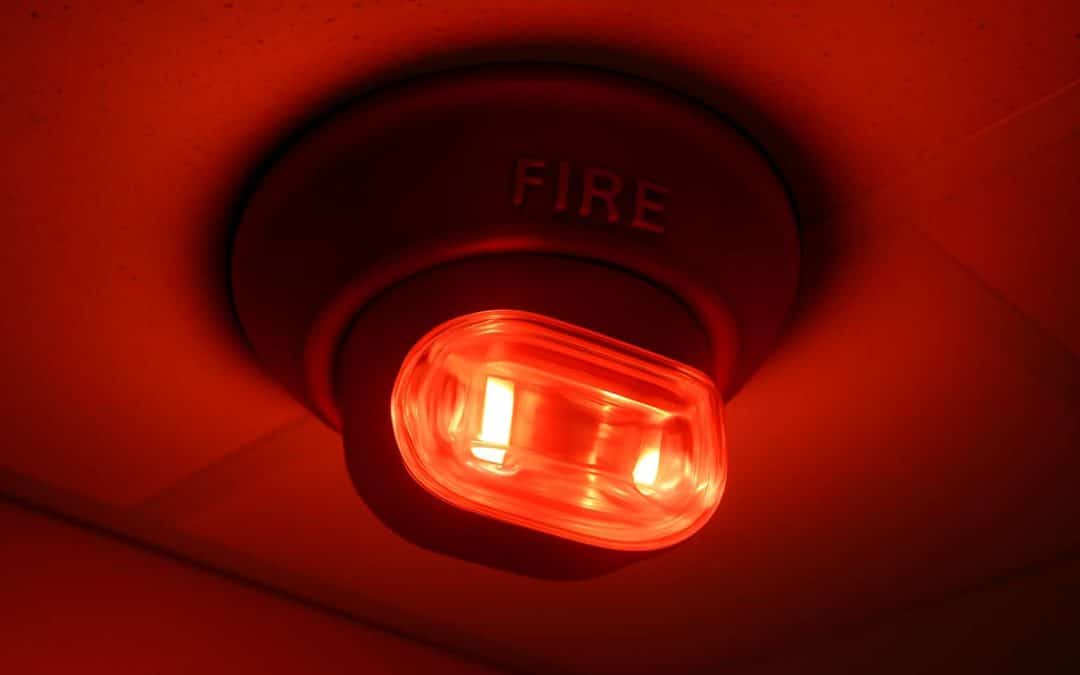
Understanding Fire Alarm Lights
Definition and Purpose – What is a fire alarm light and its role in fire safety
Fire alarm lights are more than just flashing indicators; they are vital components of fire safety systems. These lights provide immediate visual alerts that complement audible alarms, especially in noisy environments or for individuals with hearing impairments. A well-designed fire alarm light ensures that everyone in a building can quickly recognise a fire emergency, reducing reaction times and potential injuries.
The purpose of a fire alarm light extends beyond simple notification. It acts as a clear, unmistakable signal that triggers swift action. In many cases, these lights are strategically placed to illuminate escape routes and highlight emergency exits. Their bright, flashing signals cut through smoke and darkness, guiding occupants safely out of danger.
Effective fire alarm systems often incorporate multiple features, including:
- High visibility in various lighting conditions
- Durability to withstand environmental factors
- Integration with other emergency notification devices
Types of Fire Alarm Lights – Visual alarm devices, strobe lights, combination units
Understanding the different types of fire alarm lights is essential for designing an effective fire safety system. Visual alarm devices come in various forms, each tailored to specific environments and needs. One common type is the strobe light, which produces a bright, flashing signal that can be seen from a distance, even in smoky or dark conditions. These lights are especially useful in noisy environments where audible alarms might be drowned out.
Combination units are increasingly popular—they integrate both a fire alarm light and an audible alert into a single device. This dual approach ensures that everyone, regardless of hearing ability or environmental noise, receives a clear warning.
- High visibility strobe lights
- Combination fire alarm units
are designed to maximise safety and minimise confusion during emergencies. By understanding these different fire alarm light types, safety professionals can better select systems that truly meet the needs of their buildings and occupants.
Components of a Fire Alarm Light System – Bulb, housing, mounting options
When it comes to fire alarm lights, understanding their core components is like knowing the secret ingredients to a perfect recipe. At the heart of every fire alarm light system lies the bulb—this tiny marvel of illumination that transforms electrical energy into a blinding beacon during emergencies. The quality and type of bulb can significantly impact the visibility and effectiveness of the fire alarm light, especially in smoky or dark environments where every second counts.
Enveloping this luminous core is the housing—a robust shell designed not only for durability but also to withstand harsh conditions. Whether it’s a weather-resistant casing for outdoor use or a sleek, discreet design for indoor settings, the housing ensures the fire alarm light remains functional when it matters most.
Mounting options for fire alarm lights are as varied as the environments they serve. From ceiling mounts to wall brackets, the flexibility in installation allows safety professionals to position these lights optimally. A well-placed fire alarm light can be the difference between a quick evacuation and chaos, especially when combined with features like high visibility strobe lights or combination units that blend visual and audible warnings.
- Ceiling mount
- Wall bracket
- Surface or flush mounting
Key Features of Fire Alarm Lights
Brightness and Visibility – Lumens, color options, visibility range
Brightness and visibility are the cornerstones of an effective fire alarm light. When seconds matter, a fire alarm light must cut through darkness and confusion, ensuring everyone notices the alert immediately. Typically measured in lumens, the brightness of these lights varies widely, with high-output models reaching over 1000 lumens for maximum impact. This level of illumination guarantees visibility even in large, complex spaces where normal lighting may be insufficient.
Colour options are more than just aesthetic choices; they play a vital role in alarm recognition. Commonly available in red, amber, or clear designs, the colour of a fire alarm light can influence how quickly it draws attention. Red is the most universally recognised for fire safety, but some environments benefit from distinct colours to differentiate alarm types or severity levels. The visibility range of a fire alarm light can extend up to 30 metres, depending on the environment and the specifications of the device.
To optimise safety, manufacturers often incorporate multiple features, such as flashing modes and adjustable brightness, ensuring the fire alarm light remains effective regardless of ambient conditions. When selecting a fire alarm light, consider the space’s size and the potential obstacles that could obscure visibility. After all, a light is only as good as its ability to be seen when it counts most!
Power Sources – Electric, battery-operated, hybrid systems
Power sources are the lifeblood of a reliable fire alarm light, determining its readiness when it matters most. In environments where continuous operation is critical, hybrid systems that seamlessly combine electric and battery power are increasingly preferred, offering redundancy and peace of mind. Such versatility ensures that whether mains power fails or a sudden blackout occurs, the fire alarm light remains illuminated, commanding attention in the chaos of an emergency.
Electric-powered fire alarm lights are often chosen for their stability and maintenance simplicity, especially in permanent installations. Conversely, battery-operated units excel in portability and ease of installation, making them ideal for temporary setups or locations where wiring is impractical. Some advanced models incorporate both options, providing a layered approach to safety. This duality not only enhances reliability but also guarantees continuous visibility—an absolute necessity in safeguarding personnel and property.
To optimise performance, manufacturers sometimes embed features such as rechargeable batteries and low-battery alerts, ensuring the fire alarm light remains functional without constant oversight. Understanding the nuances of power sources allows for tailored solutions that respond precisely to the unique demands of each environment, reinforcing the vital role a dependable fire alarm light plays in comprehensive fire safety strategies.
Sound Integration – Combination with sirens and alarms
When safety hinges on rapid alertness, the integration of sound within a fire alarm light system becomes paramount. Combining visual cues with auditory signals ensures no alarm is missed, even in the chaos of an emergency. The synergy between a fire alarm light and sirens amplifies awareness, creating a multi-sensory warning that can penetrate even the loudest environments.
Many modern fire alarm lights feature sophisticated sound integration, which can include:
- A loud, piercing siren designed to cut through ambient noise
- Vibrant strobe lights synchronised with sound for maximum visibility
- Customisable alert patterns to differentiate between types of emergencies
This layered approach not only heightens the urgency but also caters to individuals with hearing impairments. The seamless combination of light and sound in fire alarm lights transforms safety protocols from passive to proactive, ensuring that every second counts when lives are on the line.
Durability and Weather Resistance – Materials, IP ratings, outdoor suitability
Durability and weather resistance are vital attributes for any fire alarm light, especially in environments exposed to the elements. High-quality materials such as rugged polycarbonate and stainless steel housings ensure that the device withstands not only the test of time but also harsh conditions like rain, wind, and dust. These materials are engineered to resist corrosion and impact, maintaining their integrity even in demanding settings.
Most fire alarm lights designed for outdoor use feature an IP (Ingress Protection) rating—an international standard that classifies the level of sealing effectiveness against solids and liquids. An IP65 or higher rating indicates a device that is fully protected against dust ingress and can resist low-pressure water jets from any direction, making it ideal for external installation. This robust protection ensures that the fire alarm light remains operational, providing clear visual alerts regardless of weather conditions.
For outdoor safety applications, selecting a fire alarm light with weather-resistant properties is non-negotiable. It guarantees continuous performance and peace of mind, knowing that the device can endure the unpredictable elements of nature while maintaining optimal visibility during emergencies. In essence, the right choice of materials and IP ratings transforms a standard fire alarm light into a reliable sentinel in any environment, safeguarding lives with unwavering resilience.
Importance of Fire Alarm Lights in Safety Protocols
Early Warning and Evacuation – Role in quick evacuation procedures
In the chaos of a fire emergency, every second counts. Fire alarm lights serve as an unmissable beacon, piercing through smoke and darkness to deliver an urgent visual cue. Their role in early warning systems cannot be overstated; they cut through the panic, guiding occupants swiftly and safely towards evacuation routes. A well-designed fire alarm light can be seen from a distance, alerting even the most distracted or disoriented individuals to danger.
During a fire, rapid evacuation is critical. Fire alarm lights coordinate the movement of people, reducing confusion and preventing deadly stampedes. They are often integrated with other safety features, like sirens and voice alerts, creating a multi-layered response that increases the chances of survival. For maximum effectiveness, these lights should be positioned strategically—covering all corridors, stairwells, and exits—to ensure no one misses the warning.
- Immediate visual alert signals danger.
- Guides occupants towards safe evacuation routes.
- Enhances safety protocols during power outages or low visibility conditions.
Compliance with Safety Regulations – Standards set by NFPA, OSHA, local codes
Compliance with safety regulations is more than a legal obligation — it’s a moral imperative. Fire alarm lights play a crucial role in meeting the stringent standards set by organisations like the NFPA, OSHA, and local building codes. These regulations mandate that fire alarm systems, including visual alert devices, be installed in specific locations to ensure maximum visibility and effectiveness during an emergency.
Adhering to these standards not only safeguards lives but also shields organisations from costly penalties. For example, NFPA 72 specifies requirements for fire alarm light placement, visibility, and power backup to guarantee consistent operation under all circumstances. Regular inspections and maintenance of fire alarm lights are essential components of safety protocols, ensuring they remain functional when every second matters most.
Ensuring strict compliance with fire alarm light standards fortifies a building’s safety infrastructure and guarantees that occupants receive unmistakable visual cues during emergencies. In a high-stakes situation, overlooked or improperly installed fire alarm lights can prove disastrous, highlighting the importance of diligent adherence to all safety regulations.
Enhancing Building Security – Integration with alarm systems and fire panels
In an environment where seconds count, the strategic integration of fire alarm lights into a building’s safety system is nothing short of vital. These visual alert devices serve as the frontline communication during a fire incident, providing unmistakable cues even in the chaos of smoke and noise. When combined with alarm systems and fire panels, fire alarm lights form an unbreakable chain of early warning that can make the difference between chaos and organised evacuation.
Seamless integration ensures that fire alarm lights are synchronised with sirens and voice alerts, creating a comprehensive safety protocol. This synergy guarantees that every occupant, regardless of their location or hearing capability, receives clear visual indications to evacuate swiftly. For organisations committed to safety, this integration isn’t optional — it’s essential. A well-coordinated system enhances building security by delivering consistent, reliable signals that cut through the confusion during emergencies.
Installation and Maintenance of Fire Alarm Lights
Installation Guidelines – Placement strategies, height considerations
Proper installation of a fire alarm light can be the difference between a swift evacuation and chaos on the scene. When positioning these vital safety devices, it’s essential to consider both strategic placement and height to ensure maximum visibility. Fire alarm lights should be placed where they are easily seen from all angles, avoiding obstructions like furniture or decorative fixtures that might obscure the light.
Height considerations are equally important. Mounting fire alarm lights at eye level or slightly above ensures they catch the attention of occupants promptly. In environments with high ceilings, additional units may be necessary to maintain consistent visibility. Employing a combination of visual cues, such as bright strobe lights and high-intensity illumination, enhances early warning capabilities during an emergency.
For optimal safety, following a structured approach can make all the difference. An ordered sequence of installation steps might include:
- Assessing the space for optimal placement points
- Ensuring the mounting surface can support the fire alarm light securely
- Adhering to local safety codes and standards for height and spacing
- Testing the fire alarm light after installation to confirm visibility and operation
Regular maintenance checks are crucial to keep your fire alarm light functioning flawlessly. Cleaning the lenses and inspecting wiring connections can prevent false alarms and ensure reliable performance when it matters most. With thoughtful placement and diligent upkeep, a fire alarm light becomes an unyielding sentinel in your building’s safety ecosystem.
Maintenance and Testing – Routine checks, troubleshooting, replacement
Routine maintenance and testing of a fire alarm light are essential to ensure it functions reliably during an emergency. Regular inspections help identify potential issues before they compromise safety. Checking the lenses for dirt or damage and ensuring wiring connections are secure can prevent false alarms and maintain optimal visibility. It’s also important to verify that the power source—whether electric, battery-operated, or hybrid—is functioning correctly.
To streamline upkeep, consider establishing a schedule for systematic checks. An ordered approach might include:
- Testing the light’s brightness and visibility range to confirm clear signalling
- Inspecting for physical damage or corrosion, especially in outdoor or high-moisture environments
- Replacing batteries or components as recommended by the manufacturer
Troubleshooting common problems, such as dim lighting or inconsistent operation, often involves replacing faulty bulbs or fixing wiring issues. Staying vigilant with regular maintenance ensures your fire alarm light continues to act as a dependable sentinel—keeping building occupants safe and alert when it matters most.
Choosing the Right Fire Alarm Light
Factors to Consider – Environment, building size, compliance requirements
When selecting a fire alarm light, understanding the environment in which it will operate is paramount. A dimly lit warehouse or a bustling industrial space demands a fire alarm light with high lumens and bold colour options to cut through darkness and chaos. Conversely, a sleek office building might benefit from a more discreet, yet equally effective, visual alert system that seamlessly blends with its aesthetic. The building’s size also plays a crucial role; larger structures require fire alarm lights with extensive visibility ranges to ensure no corner remains shrouded in peril.
Compliance is the silent sentinel guarding your safety. Regulations from NFPA, OSHA, and local codes dictate specific standards for fire alarm light brightness and placement. For expansive areas, a strategic layout—perhaps with multiple units—ensures comprehensive coverage. Remember, the ultimate goal is to foster an environment where every heartbeat is echoed with clarity and urgency by the fire alarm light, guiding souls to safety amidst the shadows of fire’s chaos.
Comparison of Brands and Models – Top-rated fire alarm lights in the market
Choosing the right fire alarm light can feel like navigating a labyrinth of options, but the stakes couldn’t be higher. With numerous brands and models flooding the market, discerning the top-rated fire alarm lights requires careful comparison. Trusted manufacturers such as Hochiki, System Sensor, and Gent offer a range of models renowned for their durability, visibility, and compliance with safety standards.
When selecting a fire alarm light, it’s essential to evaluate features like brightness (lumens), colour options, and visibility range. For example, high-lumen LED lights provide superior illumination even in large, complex environments. Some models come equipped with advanced weather resistance or integrated sound features, enhancing their effectiveness in diverse settings.
A practical approach involves creating a comparison chart—considering factors like power sources, ease of installation, and maintenance requirements. This method ensures you select a fire alarm light that seamlessly integrates into your building’s safety infrastructure, offering peace of mind and unwavering reliability.
Cost Considerations – Budgeting for purchase and maintenance
In the realm of fire safety, budget considerations often dictate the choice of a fire alarm light, yet the true cost extends beyond initial expenditure. While high-quality fire alarm lights may seem costly upfront, investing in reliable, durable units can save significant expenses in maintenance and replacements over time. It’s tempting to opt for the most affordable options, but remember—compromising on quality can jeopardise safety and lead to costly failures during critical moments.
When evaluating the financial aspect, consider not just the purchase price but also the long-term costs associated with upkeep. For instance, selecting a fire alarm light with energy-efficient LEDs can reduce electricity bills, while models with modular components simplify maintenance and repairs. Some systems feature hybrid power sources—combining mains electricity with backup batteries—ensuring continuous operation during power outages. Here’s a quick look at key factors influencing cost considerations:
- Initial purchase price
- Installation expenses
- Routine maintenance and testing costs
- Replacement parts and upgrades
Balancing these elements against your building’s specific needs and compliance requirements ensures you secure a fire alarm light that offers both safety and value. After all, in moments of crisis, the true worth of a dependable fire alarm light becomes painfully evident—saving lives and property alike.
Emerging Trends and Innovations
Smart Fire Alarm Systems – Connectivity, app integration
In the rapidly evolving landscape of fire safety, smart fire alarm systems are leading the charge with connectivity and app integration that would make even the most tech-savvy smile. Gone are the days when a simple fire alarm light was enough to rouse you from your afternoon nap. Today’s systems can send instant alerts straight to your smartphone, offering real-time updates no matter where you are—be it your office, home, or that remote cabin in the woods. This connectivity not only enhances safety but also streamlines maintenance, ensuring that no faulty fire alarm light goes unnoticed.
Innovative features like remote diagnostics and customised notifications are reshaping fire safety protocols. Some systems even incorporate cloud-based management, allowing building managers to monitor multiple fire alarm lights across different locations seamlessly. As a result, emergency preparedness becomes more intuitive and responsive, reducing reaction times and potentially saving lives. The integration of fire alarm lights with smart home and building automation platforms turns fire safety from a static fixture into a dynamic, data-driven safeguard. Truly, the future of fire alarm lights is brighter, smarter, and more connected than ever before!
Energy-efficient Fire Alarm Lights – LED technology, low power consumption
Energy-efficient fire alarm lights are revolutionising fire safety, combining brilliance with sustainability. Thanks to cutting-edge LED technology, these lights consume a fraction of the power traditional models did — all without sacrificing visibility. This means longer-lasting performance and lower energy bills, making them a savvy choice for both commercial and residential settings. Plus, LED fire alarm lights come in a variety of colour options, from the classic red to vibrant green, ensuring compliance with safety standards while catching your eye when seconds count.
Innovative features are pushing the boundaries further. Some fire alarm lights now incorporate low power consumption designs that extend battery life in emergency scenarios. For those managing large buildings, this is a game changer. Imagine a network of smart, energy-efficient fire alarm lights working in harmony — reducing maintenance fuss while boosting safety protocols. Whether mounted indoors or outdoors, these durable units are built to withstand the elements with high IP ratings and weather-resistant materials. In the end, choosing LED fire alarm lights isn’t just about saving energy; it’s about creating a brighter, safer environment with an eye on sustainability.
Design Innovations – Aesthetic considerations, discreet installation
As design philosophies evolve, so too does the aesthetic appeal of fire alarm lights. Modern innovations are shifting away from utilitarian fixtures towards sleek, unobtrusive visual devices that seamlessly blend with architectural styles. Discreet installation options now allow fire alarm lights to be integrated into ceilings, walls, or even within customised fixtures, ensuring safety doesn’t compromise interior design. This approach caters to spaces where visual harmony is paramount, from high-end commercial buildings to contemporary residential apartments.
Emerging trends highlight the importance of aesthetic considerations in fire alarm light design. Manufacturers are incorporating minimalist elements, soft colour palettes, and even customised housing options to make these vital safety devices less obtrusive. For environments where aesthetics are key, the ability to select fire alarm lights with a low profile or that can be camouflaged within existing decor is invaluable. Such innovations not only enhance visual appeal but also promote broader acceptance of fire safety measures—after all, safety and style can coexist beautifully.
- Advanced mounting systems facilitate discreet installation, reducing visual clutter.
- Colour options and finish choices enable customisation to match interior schemes.
- Slimline designs are now available, ensuring less intrusion in sensitive spaces.
With the growing emphasis on smart building integration, fire alarm lights are increasingly equipped with innovative design features that prioritise both function and form. These developments exemplify a broader shift towards intelligent safety solutions that respect the visual language of modern architecture, ultimately creating environments where safety features enhance rather than detract from overall design integrity.
FAQs About Fire Alarm Lights
Are fire alarm lights mandatory in all buildings? – Regulations and exceptions
Fire alarm lights are more than mere beacons; they are the luminous guardians of safety that command attention in moments of peril. But are fire alarm lights mandatory in all buildings? The answer is nuanced, shaped by a labyrinth of regulations and specific circumstances. In many jurisdictions, fire alarm lights are mandated in public and commercial structures to ensure that every occupant, regardless of hearing ability, can recognise the urgency of an emergency.
However, exceptions exist—particularly in private residential buildings where local codes may vary. The core principle remains clear: compliance with safety regulations is paramount. National standards such as those set by the NFPA or local building codes often specify the necessity of fire alarm lights for early warning and evacuation purposes. For some buildings, especially those with high occupancy or special needs, the presence of a fire alarm light is not just recommended but legally required.
In essence, the implementation of a fire alarm light is a crucial element of comprehensive fire safety strategy. Its role in providing visual alerts ensures no one is left unaware during a fire emergency, making it an indispensable feature that aligns with both legal mandates and best safety practices.
How long do fire alarm lights last? – Lifespan and replacement tips
The flickering glow of a fire alarm light is more than mere illumination; it’s a beacon of hope amid chaos, a luminous sentinel guarding lives. But have you ever wondered, how long does a fire alarm light last before it fades into darkness? The lifespan of these vital safety devices varies, yet understanding their endurance is crucial in maintaining a resilient fire safety system.
Typically, a high-quality fire alarm light can shine brightly for approximately 50,000 hours—equivalent to over five years of continuous operation. However, this longevity hinges on factors such as the quality of components, environmental conditions, and regular maintenance. When the time comes for replacement, it’s wise to heed subtle signs like diminished brightness or irregular flashing, both of which may indicate that your fire alarm light is nearing the end of its service life.
Routine inspection and timely replacement not only preserve the integrity of your fire safety strategy but also ensure compliance with safety standards. Remember, a fire alarm light isn’t just a fixture; it’s a critical element in early warning and evacuation procedures. Investing in durable, energy-efficient LEDs can extend their lifespan while reducing ongoing maintenance costs, making them a prudent choice for any safety-conscious property.
Can fire alarm lights be integrated with other security systems? – Integration possibilities
Fire alarm lights are more than simple safety features; they are the visual guardians in moments of chaos, signalling danger with unwavering clarity. One common question that echoes through safety discussions is whether fire alarm lights can be integrated with other security systems. The answer is a resounding yes. Modern fire alarm lights are designed with compatibility in mind, allowing seamless integration into comprehensive security networks.
Many advanced systems employ a central control panel that registers signals from fire alarm lights and other safety devices. This integration enhances the overall security infrastructure by enabling coordinated responses—automated lockdowns, alerts to emergency services, or even building-wide notifications. For example, fire alarm lights can be synchronised with CCTV systems or access control units, creating a layered shield of protection that’s both intuitive and efficient.
- Alarm panels that support open protocols like BACnet or Modbus facilitate easy communication between fire alarm lights and broader security systems.
- Wireless connectivity options further simplify installation, especially in retrofits or complex building layouts.
- Some models come with smart features, allowing remote monitoring and control via smartphone apps, ensuring that safety personnel can respond swiftly from anywhere.
In today’s rapidly evolving safety landscape, the ability of fire alarm lights to connect with other security measures isn’t just a convenience—it’s a crucial component of a resilient fire safety strategy. When these luminous sentinels work in harmony with your overall security infrastructure, they become more than lights—they transform into a dynamic, interconnected web of protection that could make all the difference in an emergency.
