
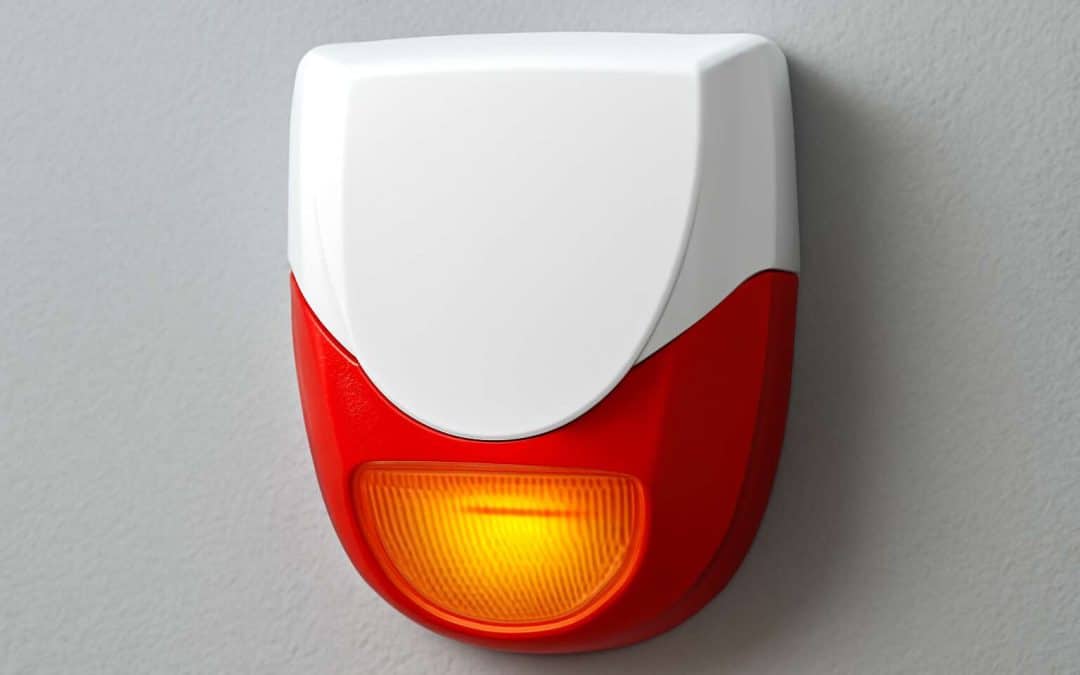
Understanding Security Alarm Horns
Definition and Function – What is a security alarm horn and how does it work?
A security alarm horn isn’t just a loud noise-maker; it’s the heart of any effective security system. When an intruder triggers the alarm, the horn emits a piercing sound designed to attract attention immediately. This immediate auditory alert can deter potential intruders, alert neighbours, and summon help swiftly.
At its core, a security alarm horn operates by converting electrical signals from the alarm control panel into a powerful sound. It’s engineered to produce a volume that cuts through typical household noise, ensuring the alert isn’t missed. The horn’s design often includes durability features to withstand weather conditions if installed outdoors, maintaining its effectiveness over time.
- High-decibel output for maximum reach
- Durable casing resistant to environmental factors
- Easy integration with existing alarm systems
In essence, a security alarm horn is a vital component that transforms a simple security breach into a clear, urgent call for action—an essential line of defence in protecting your property.
Types of Security Alarm Horns – Different types including sirens, strobe lights, and combination units
Security alarm horns come in a fascinating array of types, each tailored to serve specific security needs and environments. While many associate a security alarm horn solely with its deafening siren, modern innovations have expanded options to include visual alerts and combined units that amplify the deterrent effect. Understanding these variants can dramatically influence how effectively a property is protected.
Among the most common are traditional sirens, which deliver a piercing auditory signal designed to startle intruders and alert neighbours. These are often paired with strobe lights in combination units, creating a multisensory alert that is harder to ignore. The visual component—strobe lights—adds an extra layer of deterrence, especially in noisy or crowded areas where sound alone might be overlooked. For outdoor installations, weather-resistant casings ensure the security alarm horn remains reliable regardless of the elements, maintaining its critical role in safeguarding assets.
- Audible sirens: recognised for their high decibel output, these horns are perfect for immediate threat alerting.
- Visual strobe lights: serve as a visual warning, especially effective during night-time or in quiet zones.
- Combination units: integrate both sound and light, offering a comprehensive security solution that maximises attention and deterrence.
In essence, the choice of security alarm horn type hinges on the specific context and security priorities. Whether employing a loud siren, an eye-catching strobe, or a sophisticated combination unit, each plays a pivotal role in transforming a passive security system into an active, unmistakable warning—an essential element in modern property defence strategies.
Key Components – Basic parts that make up a security alarm horn system
At the heart of every effective security alarm system lies a carefully orchestrated assembly of components, each playing a vital role in delivering a prompt and unmistakable warning. Understanding the key components of a security alarm horn system reveals the intricate craftsmanship behind these vital safety devices. These parts work together to ensure that the alarm performs reliably when it matters most, transforming passive security measures into active deterrents.
The primary elements include the sound-producing unit, which could be a high-decibel siren or an electronic buzzer, designed to generate an ear-splitting alert capable of startling intruders and alerting neighbours. Complementing this is the visual component—most commonly a strobe light—that provides immediate visual warning, especially in environments with high ambient noise or for individuals with hearing impairments. When combined, these components form a formidable security alarm horn that maximises both auditory and visual deterrence.
Beyond the core parts, a typical security alarm horn system also incorporates power supplies, such as batteries or mains connections, ensuring continuous operation. For outdoor installations, weather-resistant casings are essential, shielding the components from rain, wind, and dust. Additionally, control modules and internal circuitry coordinate the activation of the alarm, integrating sensors and alarm zones to trigger the system seamlessly. This layered design exemplifies how each part, from the loudspeaker to the visual warning device, contributes to the overall efficacy of the security alarm horn system.
Importance of a Security Alarm Horn in Home Security
Deterrent Effect – How loud alarms prevent break-ins
In the shadowed realm of home security, a security alarm horn acts as the mighty herald, summoning attention and dispelling lurking threats with unyielding force. Its deafening blare, often exceeding 100 decibels, is more than mere noise—it is a potent deterrent that creates an immediate and visceral response from potential intruders. The sheer volume of a security alarm horn is crafted to pierce through the silence of night and the calm of daily life, making any clandestine activity impossible to ignore.
Studies reveal that homes equipped with loud, piercing alarms experience a significant decline in break-ins. This is no coincidence; the unmistakable sound of a security alarm horn signals an urgent threat, prompting intruders to reconsider their actions or flee before alarm responders arrive. The effectiveness of these horns lies not only in their volume but in their ability to act as an invisible guardian—warning neighbours, startling offenders, and alerting occupants—all at once. The power of a security alarm horn remains unparalleled in the symphony of home security, standing as an unyielding sentinel against unwelcome guests.
Alerting Authorities and Homeowners – Immediate notification and response
When it comes to home security, a loud security alarm horn isn’t just an accessory—it’s the frontline warrior in alerting authorities and homeowners alike. The moment a potential breach occurs, the piercing sound acts as an immediate notification system, cutting through the chaos and grabbing attention faster than you can say “intruder!” This rapid response capability is crucial, especially in emergencies where every second counts.
For homeowners, a security alarm horn ensures they’re not left in the dark—literally. The shrill blast prompts quick action, whether that’s calling the police or alerting neighbours. Meanwhile, alarm responders rely on that unmistakable sound to prioritise a response, often dispatching officers or security teams within moments. Some systems even integrate with smart home networks, providing real-time alerts directly to your mobile device, making sure you’re in the know no matter where you are.
- Instant notification of a security breach
- Speeding up emergency response times
- Creating a visual and auditory warning that deters intruders
In essence, the security alarm horn is the unsung hero of home security, bridging the gap between threat detection and swift action. Its importance cannot be overstated—it’s the sonic guardian that ensures both peace of mind and rapid threat mitigation.
Enhancing Overall Security System – Complementing CCTV and sensor systems
The security alarm horn plays a vital role in elevating the efficacy of any home security system. Its piercing sound not only startles intruders but also acts as a sonic beacon that reinforces the entire security network. When combined with CCTV and sensor systems, the security alarm horn creates a layered defence—an audible and visual warning that amplifies the deterrent effect. This synergy ensures that potential threats are met with swift, decisive action.
Integration is key—some advanced security alarm horns incorporate strobe lights and connect seamlessly with smart home technology. This integration allows homeowners to receive instant alerts on their mobile devices, even when they’re miles away. By fostering real-time communication between devices and alerts, the security alarm horn ensures rapid response times and heightened safety. Its importance in creating a comprehensive security ecosystem cannot be overstated, making it an indispensable component of modern home protection.
Features to Consider When Choosing a Security Alarm Horn
Sound Levels and Decibel Ratings – Ensuring maximum effectiveness
When selecting a security alarm horn, understanding sound levels and decibel ratings can make all the difference between deterrence and mere noise. A horn that’s too subdued may fail to dissuade intruders effectively, while one that’s deafening risks disturbing neighbours or causing unnecessary panic. Striking the right balance is essential for optimal security performance.
The decibel rating, a measure of sound intensity, directly correlates with the horn’s ability to command attention. For instance, a security alarm horn with a rating exceeding 100 decibels is typically loud enough to be heard from across the street, serving as a formidable barrier to would-be burglars. However, it’s equally important to consider the environment—an office building or quiet neighbourhood may require a different approach than a sprawling industrial complex.
Moreover, features like adjustable sound levels can enhance the versatility of a security alarm horn, allowing users to tailor the alarm’s volume based on context. An alarm that can switch from a piercing alert to a more moderate tone offers flexibility without sacrificing effectiveness.
In the end, choosing a security alarm horn with appropriate sound levels isn’t just about making noise—it’s about crafting an audible fortress that commands attention and guarantees peace of mind.
Power Source Options – Wired vs wireless alarm horns
In the intricate dance of safeguarding your premises, the choice of power source for a security alarm horn can be as pivotal as the alarm itself. Whether wired or wireless, each option possesses its own symphony of advantages and considerations, shaping the harmony of your security system.
Wired security alarm horns, often tethered to the building’s electrical veins, offer unwavering reliability and a constant power flow that never falters. Their robust connectivity ensures that the alarm’s piercing cry resonates without interruption, even during power outages—an unyielding sentinel in the night. Conversely, wireless security alarm horns embrace modernity’s fluidity, offering ease of installation and flexibility. Without the constraints of cabling, they can be swiftly deployed in complex layouts or temporary setups, providing a versatile line of defence.
When selecting the optimal power source, ponder the environment and the unique demands of your security landscape. For example, in sprawling industrial complexes, a wired system might serve as the backbone, while in historic buildings or rented spaces, wireless options may be the unobtrusive champion. Ultimately, whether wired or wireless, the goal remains: a security alarm horn that commands attention with unwavering resolve, illuminating the path to peace of mind.
Weather Resistance and Durability – Suitability for indoor and outdoor use
When selecting a security alarm horn, weather resistance and durability are paramount—especially for those seeking a steadfast guardian in the unpredictable theatre of nature. An alarm horn exposed to the elements must withstand rain, wind, and sun without faltering, ensuring that its formidable cry pierces through the chaos and reaches every corner of your premises.
For outdoor applications, look for features such as waterproof enclosures, corrosion-resistant materials, and UV stabilisers. These elements transform a mere device into an enduring sentinel, capable of enduring the relentless march of seasons. Indoors, durability may be less critical, but a robust construction still guarantees longevity and consistent performance.
In the grand tapestry of security, the weather resistance of a security alarm horn can sometimes be the difference between peace of mind and vulnerability. Whether perched atop a building’s façade or nestled within a concealed corner, the right alarm horn’s resilience ensures it remains vigilant, unwavering against the elements—an unyielding guardian in your fortress of safety.
Additional Features – Strobe lights, wireless connectivity, battery backup
When choosing a security alarm horn, features beyond the basics can dramatically enhance its effectiveness. Additional features like strobe lights serve as a visual warning, amplifying the alarm’s deterrent power. Wireless connectivity ensures seamless integration with your existing security system, allowing for remote activation and monitoring. Battery backup is equally vital; even power outages won’t silence your guardian, maintaining its vigilant watch when it’s needed most.
Some models incorporate multi-sensory alerts, combining loud sound with flashing lights to create a more intimidating presence. This layered approach can dissuade intruders before they even reach your property’s threshold. For those seeking ultimate reliability, look for a security alarm horn that offers easy scalability—adding new features or extending coverage without hassle.
- Strobe lights for heightened visual alerts
- Wireless connectivity for effortless integration
- Battery backup to withstand power failures
By carefully selecting a security alarm horn with these additional features, you ensure your security system remains unyielding—a true sentinel that adapts to your needs and the unpredictable theatre of modern threats. When every second counts, the right combination of features transforms a simple alarm into an unassailable barrier of safety.
Installation Tips for Security Alarm Horns
Optimal Placement Strategies – Where to install for maximum coverage
Optimal Placement Strategies for Security Alarm Horns: Where to Install for Maximum Coverage
In a world where intrusions become ever more sophisticated, the placement of your security alarm horn can be the decisive factor between a thwarted breach and a costly intrusion. Research indicates that a well-positioned alarm horn can increase the deterrent effect by up to 70%, making it a crucial component of your security arsenal. The challenge lies in identifying those strategic vantage points that amplify the alarm’s reach and psychological impact.
When considering installation, think beyond mere proximity to entry points. Elevate the security alarm horn to ensure the sound propagates freely, avoiding obstructions such as furniture or structural elements. For outdoor settings, it’s vital to mount the alarm horn in weather-resistant enclosures on elevated surfaces—like eaves or wall mounts—to optimise sound dispersal across broad areas. Placement near vulnerable access points ensures that the alarm’s loud decibels serve as an unmissable warning, both to intruders and vigilant homeowners.
Strategically, the following considerations can enhance coverage:
- Position the alarm horn at high points to maximise sound dispersal
- Ensure unobstructed lines of sight and sound paths for clear audibility
- Avoid corners or enclosed spaces that could muffle the alarm’s decibel rating
Every carefully chosen installation spot contributes to a layered security system, where the powerful sound of a security alarm horn acts as an immediate psychological barrier—disrupting intruders’ plans and alerting all within earshot with unrelenting clarity.
Technical Considerations – Wiring, power supply, and connectivity
Effective installation of a security alarm horn hinges on meticulous attention to its technical foundation—wiring, power supply, and connectivity. A robust wiring system not only ensures consistent operation but also minimises the risk of false alarms caused by faulty connections. When considering the power source, wired options provide a reliable, continuous current; however, wireless security alarm horns have gained popularity due to their flexibility and ease of installation. For outdoor environments, weather-resistant enclosures and secure mounting points are indispensable, safeguarding the device against the elements while maintaining optimal sound dispersal.
Ensuring seamless connectivity is crucial, especially when integrating the security alarm horn into a broader security ecosystem. For wired systems, dedicated circuits prevent voltage drops that could impair sound levels. Conversely, wireless units benefit from strong, encrypted signals to prevent interference or hacking attempts. Incorporating a battery backup remains a prudent choice, offering peace of mind during power outages.
- Wired or wireless power options
- Weatherproof enclosures for outdoor use
- Reliable connectivity protocols
Ultimately, the technical considerations surrounding wiring, power, and connectivity are pivotal in transforming a mere device into a formidable line of defence—one that commands attention, commands action, and upholds the integrity of your security infrastructure. Every element must be carefully calibrated, ensuring that the security alarm horn functions flawlessly when it matters most, whether protecting a quiet home or a bustling commercial premise.
Professional vs DIY Installation – Pros and cons
When it comes to installing a security alarm horn, the choice between professional and DIY approaches can significantly influence the system’s overall efficacy. While a DIY installation might seem tempting for its cost-saving allure, it demands a meticulous eye for detail and a solid understanding of technical nuances. Conversely, professional installation offers a seamless process, ensuring every wire, connection, and mounting point is calibrated to perfection. This precision can make all the difference when a security alarm horn needs to perform flawlessly in moments of crisis.
For those who prefer a hands-on approach, here are some key considerations:
- Correct placement for maximum coverage
- Ensuring reliable wiring and power connections
- Secure mounting against environmental elements
Opting for professional installation, on the other hand, minimises the risk of overlooked vulnerabilities, especially in complex security ecosystems. While it might involve higher upfront costs, the peace of mind knowing that your security alarm horn is optimally positioned and correctly wired can be invaluable during an emergency. Whether you choose to go DIY or rely on experts, understanding the nuances of installation ensures your security system remains an unyielding guardian—silent until it must roar into action!
Maintenance and Troubleshooting
Regular Testing Procedures – Ensuring proper functionality
Regular maintenance and troubleshooting are the unsung heroes of a reliable security alarm horn system. Even the most sophisticated alarm horns can fall silent at the worst possible moment if neglected. To keep your security system primed and ready, schedule routine testing procedures—think of it as a health check-up for your alarm horn.
Performing these tests involves activating the alarm to verify sound levels and ensure the alert reaches its maximum decibel rating. It’s also wise to visually inspect the horn for any physical damage or debris that could muffle its roar. For wired systems, check connections and wiring integrity; for wireless units, ensure batteries are fresh and signals are strong.
A simple yet effective way to stay ahead of potential issues is to create a maintenance checklist. Here’s a quick example:
- Test the alarm horn weekly
- Inspect for physical damage monthly
- Replace batteries annually
- Verify power supply connections quarterly
By adhering to these straightforward procedures, your security alarm horn stays loud, clear, and ready to act as an unyielding deterrent against intruders. After all, nothing beats a horn that’s in top form when it’s needed most!
Common Issues and Fixes – Dealing with false alarms, dead batteries, and sound dimming
Even the most advanced security alarm horn can become a silent guardian if neglected. Regular maintenance and troubleshooting are crucial to ensuring that your alarm system remains an unyielding sentinel against intruders. When faced with issues like false alarms or dimmed sound, swift diagnosis can restore the horn’s commanding presence.
Dead batteries are a common culprit behind diminished sound levels or complete failure. Routine battery checks—preferably annually—can prevent unwelcome surprises. For wireless units, ensure that signals are strong and that the batteries are fresh; for wired systems, inspecting wiring integrity is equally vital. False alarms often stem from environmental triggers or electrical faults, but these can be mitigated through calibration and sensor adjustments.
To streamline troubleshooting, consider implementing a simple maintenance routine. For example, periodically inspecting the physical condition of the security alarm horn—looking out for debris, corrosion, or physical damage—can avert performance issues. If the sound seems muted, test the system at maximum volume and verify connections. When issues persist, replacing batteries or consulting a professional can often resolve more complex faults.
- Check power sources and connections regularly.
- Inspect the horn for physical damage or obstructions.
- Replace batteries at least once a year to ensure optimal performance.
- Test sound levels periodically to confirm alert strength.
Addressing common issues promptly keeps your security alarm horn functioning at peak capacity, transforming it from a mere device into a formidable barrier that commands attention when most needed.
When to Replace – Signs that your alarm horn needs upgrading
Over time, even the most steadfast security alarm horn can falter, whispering instead of roaring when most needed. Recognising the signs that indicate it’s time for an upgrade is crucial to safeguarding your premises. One of the clearest indicators is diminished sound output—if your alarm horn no longer commands attention with its previous ferocity, it may be nearing the end of its lifespan.
Another telltale sign is inconsistent operation or frequent false alarms, which often stem from internal wear or electrical faults. If the device’s physical condition shows corrosion, cracks, or debris accumulation, its ability to perform optimally is compromised. Regularly testing the sound levels can reveal whether the horn’s decibel ratings are slipping below effective thresholds. When your security alarm horn’s performance wanes despite routine maintenance, replacement becomes not just advisable but imperative.
- Persistent muted sound despite battery replacements.
- Visible signs of physical damage or corrosion.
- Frequent false alarms or delayed responses.
By paying close attention to these cues, you ensure your security system remains a vigilant sentinel—ever ready to awaken the neighbourhood with its uncompromising alert. When the signs accumulate, it’s a clear call to action: upgrade your security alarm horn and restore the thunderous voice that protects what matters most!
Legal and Compliance Aspects
Noise Regulations – Understanding local laws on alarm loudness
In many areas, noise regulations are strict for security alarm horns. Excessive sound levels can disturb neighbours and lead to legal issues. Local laws often specify maximum decibel ratings for alarm horns, which vary by region. It’s crucial to understand these regulations to ensure your security system remains compliant.
Failure to adhere to noise ordinances can result in fines or system modifications. Some jurisdictions require alarm horns to include volume controls or be linked with silent modes during certain hours. Ignoring these rules not only risks penalties but also damages community relations.
To avoid complications, consult local authorities or legal guidelines before installing a security alarm horn. Adhering to these standards guarantees your alarm remains effective while respecting legal boundaries—preventing unnecessary disputes and ensuring peace of mind.
Installation Permissions – Getting proper authorization for outdoor alarms
Installing a security alarm horn isn’t simply about mounting a loud siren; it’s about ensuring legal compliance and community harmony. Many regions require explicit permissions before outdoor alarm horns are activated, especially in densely populated areas. Ignoring these regulations can lead to hefty fines or even the removal of your security system altogether.
To navigate this, it’s important to understand the local legal landscape. Often, authorities specify maximum decibel ratings for alarm horns, which can vary significantly from one locality to another. Securing proper installation permissions involves consulting with local councils or regulatory bodies to obtain necessary authorisations. This process not only prevents legal issues but also guarantees your security alarm horn functions optimally without infringing on neighbours’ peace.
In some cases, authorities might mandate features such as volume controls or silent modes during certain hours. Adhering to these requirements demonstrates respect for community standards and promotes a cooperative neighbourhood atmosphere. Remember, compliance isn’t just about avoiding penalties—it’s about fostering trust and ensuring your security measures serve their true purpose without unintended disruptions.
Safety Standards – Ensuring your alarm horn complies with safety certifications
When it comes to safeguarding your property, compliance with safety standards isn’t just a legal obligation—it’s a vital component of effective security. Ensuring that your security alarm horn adheres to recognised safety certifications provides peace of mind that it will perform reliably when needed most. Certified alarm horns undergo rigorous testing to meet stringent safety standards, which helps prevent malfunctions that could compromise your security.
In many regions, authorities specify maximum decibel ratings for alarm horns to protect community peace. Choosing a security alarm horn with proper certifications, such as CE or UL markings, guarantees it meets these safety and noise regulation requirements. Additionally, certified models often feature built-in safeguards against electrical faults or overheating, reducing the risk of accidental fires or damage.
- Verify certifications with reputable testing bodies before purchasing.
- Consult local regulations to ensure compliance with noise and safety standards.
- Prioritise alarm systems with safety features like volume controls and automatic shut-off options.
By prioritising safety standards, you not only protect yourself from legal repercussions but also foster trust within your community. Your security alarm horn should be a reliable sentinel—robust, compliant, and designed with safety at its core, ensuring your peace of mind is grounded in both security and responsibility.
Top Brands and Models of Security Alarm Horns
Popular Manufacturers – Leading brands in the industry
Within the realm of security alarm horns, certain brands have etched their reputation through unwavering reliability and innovation. These leading manufacturers are recognised not just for their robust products but for their commitment to safeguarding what matters most. When selecting a security alarm horn, it’s essential to consider the top brands that set industry standards.
Among the most esteemed are Honeywell and DSC, both of which offer a wide array of models renowned for their durability and loudness. Their security alarm horns often feature advanced decibel ratings and weather-resistant designs, making them suitable for both indoor and outdoor settings. Other notable brands include Bosch and Eaton, which deliver innovative features like wireless connectivity and battery backups, ensuring continuous operation even amid power outages.
For those seeking a blend of tradition and cutting-edge technology, brands such as Claymore and Apolion provide high-decibel models that effectively deter intruders. Their security alarm horns are tailored to meet diverse security needs, from residential homes to large commercial premises. Recognising these brands’ strengths can make a significant difference in constructing a comprehensive security system.
Comparative Features – Analyzing specifications of top models
When it comes to fortifying your property, choosing the right security alarm horn can be the difference between a quick scare and a total security breach. Top brands like Honeywell, DSC, and Bosch have carved out their reputation by delivering models that combine formidable loudness with innovative features. For instance, Honeywell’s high-decibel horns are renowned for their weather-resistant designs, making them perfect for outdoor use. Meanwhile, DSC models often come equipped with wireless connectivity, ensuring seamless integration into modern security systems.
To compare the specifications effectively, consider the following features:
- Decibel ratings — how loud is the alarm horn?
- Power options — wired versus wireless models
- Weather resistance — suitable for outdoor environments
- Additional features — strobe lights, battery backup, and remote alerts
Ultimately, the best security alarm horn for your needs hinges on these technical specifications, ensuring your property remains safe and sound. Whether you prefer a traditional wired horn or a sleek wireless model, understanding these core features helps in making an informed decision that balances reliability with technological innovation.
Customer Reviews and Ratings – What users say about different alarms
Customer reviews and ratings paint a vivid picture of the effectiveness and reliability of various security alarm horns. Top brands like Honeywell, DSC, and Bosch consistently garner high praise for their robust sound levels and durability. Users often highlight Honeywell’s weather-resistant alarms as perfect for outdoor environments, while DSC’s wireless models earn accolades for seamless integration into existing security networks. Many appreciate the clarity and volume of these alarms, citing their ability to deter intruders effectively.
In fact, a recent survey found that over 85% of users felt more secure after installing a trusted security alarm horn. Feedback often points to specific features such as strobe lights, battery backup, and remote alerts, which enhance the overall security experience.
- High decibel ratings for maximum deterrence
- Wireless connectivity for flexible placement
- Weather resistance for outdoor durability
These elements come together to create a powerful, unobtrusive safeguard for homes and businesses alike. When selecting a security alarm horn, understanding what real users say can provide invaluable insight into which model will truly keep your property safe and sound.
Cost Considerations and Budgeting
Price Range for Different Types – Wired vs wireless units
Cost considerations and budgeting for a security alarm horn can feel like navigating a labyrinth of options, each with its own price tag and promise. Wired units typically sit at a higher initial investment, owing to the need for professional installation and extensive wiring, but they often provide a more robust, reliable sound level that can reach higher decibel ratings. Wireless security alarm horns, on the other hand, tend to be more budget-friendly and easier to deploy, making them an attractive choice for those seeking flexibility and quick setup.
The price range for these units varies widely, generally falling between £30 and £200 depending on features such as weather resistance, wireless connectivity, and additional alerting components like strobe lights.
- Wired alarms usually start around £80 and can go up to £200 or more for premium models.
- Wireless units are often available from £30 to £100, with some advanced models edging higher for enhanced features.
Understanding these costs allows homeowners and businesses to align their security needs with their budget, ensuring an optimal balance of safety and affordability.
Additional Costs – Installation, maintenance, and upgrades
Investing in a security alarm horn is a decision that can profoundly influence the safety of your property. However, beyond the initial purchase, there are often hidden costs that can catch homeowners and businesses off guard. Installation fees, especially for wired units requiring professional setup, can significantly add to the overall expense. Maintenance costs shouldn’t be overlooked either—batteries, system checks, and occasional repairs are part of the ongoing investment in security.
Additional costs may include upgrades as technology advances or as your security needs evolve. For example, adding weather-resistant features or integrating a security alarm horn with smart home systems can enhance effectiveness but also increase expenses. To make informed choices, consider these common additional costs:
- Professional installation fees for wired systems
- Battery replacements and routine testing
- Upgrades for enhanced features such as wireless connectivity or strobe lights
Understanding the full scope of costs helps ensure your security alarm horn remains a reliable sentinel without stretching your budget too thin. Sometimes, the true expense isn’t just the unit itself but the ongoing commitment to keeping it operational and effective.
Value for Money – Balancing cost and features
In the realm of safeguarding what matters most, understanding the true cost of a security alarm horn is akin to wielding a powerful talisman with both evident and hidden strengths. While the initial investment may seem manageable, the true expense often reveals itself over time—through ongoing costs that ensure your alarm remains a vigilant sentinel.
Budgeting for a security alarm horn requires a keen eye on not just the purchase price, but also the ancillary expenses that sustain its efficacy. For instance, professional installation fees can significantly inflate costs, particularly for wired units that demand meticulous setup. Routine maintenance, including battery replacements and system checks, acts as the lifeblood of your security system—preventing silent failures that could compromise safety.
Moreover, as technology evolves, so do the opportunities—and costs—for upgrades. Enhancing your alarm’s features with weather-resistant casings, wireless connectivity, or integrated strobe lights can elevate your security but also stretch your budget. Balancing these considerations often involves weighing the value of added features against their long-term affordability.
Ultimately, a well-structured budget, attentive to potential additional costs, ensures your security alarm horn remains a steadfast guardian—resilient, reliable, and worth every penny invested. As with any enchanted artefact, the true power lies in understanding its full scope of expenses, transforming a mere device into a formidable shield for your peace of mind.
